
12q14 microdeletion syndrome is a rare genetic condition caused by a small missing piece of chromosome 12. People with 12q14 microdeletion syndrome often have short stature, delayed growth, and developmental delays, and doctors may also see distinctive facial features or bone differences. Signs usually begin in infancy or early childhood and tend to be lifelong, but not everyone will have the same experience. Treatment focuses on supportive care such as physical, occupational, and speech therapy, with monitoring by endocrinology and other specialists as needed. The outlook varies by severity, and many living with 12q14 microdeletion syndrome do well with early support and regular follow-up.
Overview
12q14 microdeletion syndromeSymptoms
12q14 microdeletion syndrome often features poor growth, short stature, feeding difficulties in infancy, and delayed motor and speech development. Many have low muscle tone, learning challenges, and distinctive facial features. Some show skeletal differences and delayed bone age in childhood.
Outlook and prognosis
Most children with 12q14 microdeletion syndrome grow and learn more slowly, but many make steady gains with early therapies. Short stature and bone density concerns can persist, so regular growth and orthopedic follow-up help. Life expectancy is generally thought to be near typical.
Causes and risk factors
12q14 microdeletion syndrome stems from a tiny missing segment at 12q14 before birth. Usually de novo; rarely, a parent carries a balanced rearrangement increasing recurrence. No environmental or lifestyle risks; risk factors for 12q14 microdeletion syndrome are genetic.
Genetic influences
Genetics are central to 12q14 microdeletion syndrome, which results from a small missing segment on chromosome 12. The size and exact genes deleted can shape growth, bone health, and learning differences. Most cases are de novo, though parental testing clarifies recurrence risk.
Diagnosis
Diagnosis of 12q14 microdeletion syndrome usually starts with clinical features and growth patterns seen in infancy or childhood. Genetic diagnosis of 12q14 microdeletion syndrome is confirmed with chromosomal microarray or targeted genetic tests; imaging may support findings.
Treatment and drugs
Treatment focuses on each person’s needs. Many living with 12q14 microdeletion syndrome benefit from early therapies (physio, occupational, speech), learning supports, nutrition guidance, and regular monitoring of growth and bones. Specialists may suggest growth hormone, seizure medicines, or orthopedic care.
Symptoms
12q14 microdeletion syndrome often shows up as smaller body size, feeding difficulties in infancy, and later developmental or learning differences that vary in severity. Features vary from person to person and can change over time. Parents often notice early features of 12q14 microdeletion syndrome such as slow growth and feeding challenges in infancy. As children grow, attention, speech, or motor skills may need extra support, while health teams monitor growth and bone development.
Children tend to grow more slowly than peers and may be shorter as they get older. This relates to missing growth-control genes in the 12q14 region. Doctors track height curves over time and discuss ways to support growth.
Infant feeding can be hard, with weak suck or tiring during feeds, leading to poor weight gain. Early help from feeding specialists can make mealtimes smoother. Keep notes of what you’re noticing—details help at the appointment.
Looser muscles can make babies feel floppy and delay rolling, sitting, or walking. In daily routines, this might show up as small but noticeable changes. With physical therapy, most children build strength and skills at their own pace.
First words and clear speech may come later than expected. Speech therapy can help with articulation, understanding, and social communication. Hearing checks help rule out treatable causes.
How people usually first notice 12q14 microdeletion syndrome?
Many families first notice 12q14 microdeletion syndrome when a baby grows more slowly than expected, with low birth weight and length and, over time, short stature that may prompt a growth evaluation. Doctors may also spot distinctive facial features or skeletal differences on early exams, and some children show delayed motor or speech milestones, which leads to genetic testing to look for the deletion. For many, the first signs of 12q14 microdeletion syndrome are flagged during infancy or early childhood check-ups, sometimes after an X-ray suggests reduced bone density or when growth hormone testing is considered.
Types of 12q14 microdeletion syndrome
12q14 microdeletion syndrome is a genetic condition caused by a small missing segment on chromosome 12. The exact size and genes involved can differ from person to person, which explains why day‑to‑day impacts vary, from growth differences to learning or behavioral features. Clinicians often describe them in these categories: deletions that include the HMGA2 gene, those that include the LEMD3 gene, and larger combined deletions that span multiple genes. Not everyone will experience every type, and early symptoms of 12q14 microdeletion syndrome may look different depending on which genes are missing.
HMGA2-only deletion
Growth is often most affected, with short stature and a smaller head size showing up in early childhood. Developmental delays can be mild to moderate, and learning support may help. Facial features may be subtle and vary.
LEMD3-only deletion
Bone changes may occur, including benign bony growths under the skin or patchy bone density on imaging. Some people have few or no symptoms, while others develop noticeable skeletal findings in adolescence or adulthood. Pain is not always present.
Combined HMGA2+LEMD3
Features of both growth and bone differences can appear together. Children may have short stature alongside later‑emerging bone lesions or density changes. The mix and timing can be quite variable.
Larger multigene deletions
When more genes are missing, several body systems can be involved. This can include more pronounced developmental delays, feeding or growth challenges, and distinctive but subtle facial features. The types of 12q14 microdeletion syndrome seen here depend on which genes are included in the deleted segment.
What genetics can tell you about symptoms
Some people with 12q14 microdeletion syndrome have short stature, delayed growth, learning differences, and distinctive facial features because missing genes in the 12q14 region disrupt growth and brain development. When the deletion includes HMGA2, short stature is more likely; EXT2 loss can add bone growth issues.
Causes and risk factors
In most cases, a small piece of chromosome 12 at region q14 is missing from birth because of a new DNA change. If you are reading about early symptoms of 12q14 microdeletion syndrome, know that the cause is genetic. Doctors distinguish between risk factors you can change and those you can’t. For 12q14 microdeletion syndrome, risks are mostly not changeable, and everyday habits or exposures do not raise the chance. Risk is higher when a parent carries the same deletion or a balanced chromosome change involving 12q14, but most cases happen by chance and are not inherited.
Environmental and biological risk factors
12q14 microdeletion syndrome is usually a chance chromosomal change that starts before birth. Being exposed to risks in your body or environment doesn’t mean illness is inevitable. Most reported cases happen as new events with no family history, and studies have not identified specific environmental triggers. These background risks do not predict the early symptoms of 12q14 microdeletion syndrome.
During formation of egg or sperm, small break-and-rejoin mistakes can remove a segment from chromosome 12. This kind of random event can happen in any pregnancy. It is the most common way 12q14 microdeletion syndrome begins.
As the age of the egg increases, the chance of new chromosomal changes rises slightly. Most pregnancies at 35 years and older are healthy, but the overall risk for rare microdeletions is modestly higher. The absolute chance for 12q14 microdeletion syndrome remains very low.
With increasing father’s age, new changes can accumulate in sperm, including some structural DNA changes. The added risk is small, and most children of older fathers do not have 12q14 microdeletion syndrome. This factor, if present, only shifts risk slightly.
Research has not identified specific environmental exposures that cause 12q14 microdeletion syndrome. Everyday environmental exposures like air pollution or common chemicals have not been shown to raise risk. Current evidence points more to chance events during reproduction.
Genetic risk factors
A small missing piece on chromosome 12 at region q14 is the core genetic change behind 12q14 microdeletion syndrome. This deletion often arises for the first time in a child, but it can sometimes be passed down in families in an autosomal dominant pattern. Risk is not destiny—it varies widely between individuals. Understanding the genetic causes of 12q14 microdeletion syndrome can help guide testing and family planning.

Chromosome 12q14 deletion: A deletion of DNA in the q14 band of chromosome 12 removes one copy of several genes. This loss of genetic material is the direct cause of 12q14 microdeletion syndrome. Many features come from having only one working copy of key genes.
De novo change: In many families, the deletion happens as a new event in the egg or sperm. Parents usually have normal chromosomes and a very low chance of it happening again. Genetic counseling can explain recurrence risks for future pregnancies.
Inherited deletion: Sometimes a parent who carries the same 12q14 deletion can pass it to a child. This follows an autosomal dominant pattern, so each pregnancy has a 50% chance of inheriting the deletion. Features can vary between parent and child even with the same change.
Balanced rearrangement: A parent may carry a balanced translocation or inversion that includes 12q14. While the parent may be healthy, it can lead to an unbalanced 12q14 deletion in a child. Chromosome studies in parents help clarify this risk.
Germline mosaicism: Rarely, a parent has the deletion in some egg or sperm cells but not in blood testing. This hidden mosaicism can raise recurrence risk even when parental tests look normal. Testing options and monitoring can be discussed with a genetics team.
Deletion size matters: The size of the 12q14 deletion and which genes are included can shape how 12q14 microdeletion syndrome presents. Larger deletions may involve more genes and broader features. Smaller deletions that include key genes can still have significant effects.
HMGA2 involvement: Loss of the HMGA2 gene within 12q14 is strongly linked to short stature and growth concerns. When HMGA2 is included in the deletion, these features are more likely in 12q14 microdeletion syndrome. Deletions sparing HMGA2 may have milder growth impact.
LEMD3 involvement: Deletion of the LEMD3 gene can be associated with distinctive bone spots on X-rays or connective tissue skin changes. If LEMD3 lies within the 12q14 deletion, some people may show related findings. Not everyone with 12q14 microdeletion syndrome has LEMD3 loss or these features.
Variable expression: People with the same 12q14 microdeletion can have different strengths and challenges. This variability likely reflects which genes are deleted and background genetic differences. Family members may be affected to different degrees.
Lifestyle risk factors
Lifestyle habits do not cause 12q14 microdeletion syndrome, but day-to-day choices can meaningfully influence growth, bone health, feeding success, and developmental progress. Understanding how lifestyle affects 12q14 microdeletion syndrome helps families focus on what they can modify to support outcomes. The points below highlight practical areas where routines and habits can reduce complications and bolster health.
Low-calorie or low-protein intake can worsen poor weight gain and short stature risk. Ensuring sufficient calories plus calcium, vitamin D, and protein supports growth and bone strength.
Minimal walking, jumping, or play can weaken bones and slow motor development. Regular weight-bearing exercise and physical therapy can improve bone density and coordination.
Irregular meals or unmanaged feeding difficulties can aggravate reflux and failure-to-thrive. Structured meal timing and texture-modified or high-calorie strategies can improve intake.
Prolonged sitting and high screen time can limit muscle tone, balance practice, and developmental progress. Frequent movement breaks and active play foster motor skills and stamina.
Risk prevention
12q14 microdeletion syndrome is a genetic change present from conception, so it can’t be stopped once a pregnancy has begun. Prevention focuses on reproductive choices, plus early detection and care that reduce complications if a child is affected. Recognizing early symptoms of 12q14 microdeletion syndrome can speed referrals and supportive therapies. Knowing your risks can guide which preventive steps matter most.
A genetic counselor can explain recurrence risk and testing options for 12q14 microdeletion syndrome. They can help you choose plans that match your values and timelines.
Chromosome-based testing for parents can look for a balanced rearrangement involving 12q14. Results refine the chance of having another child with 12q14 microdeletion syndrome.
Discuss folic acid, medication safety, and timing before pregnancy. While this won’t prevent 12q14 microdeletion syndrome, it can lower other pregnancy risks.
Chorionic villus sampling (10–13 weeks) or amniocentesis (15–20 weeks) can test the fetus for the 12q14 deletion. Early results give time to consider options and prepare care.

Transmission
12q14 microdeletion syndrome is not contagious; it cannot be caught or spread through contact. It happens when a small piece of chromosome 12 (in the 12q14 region) is missing; in most families this is a new change in the child and not found in either parent. If a parent does carry the same microdeletion, each pregnancy has a 50% (one‑in‑two) chance of passing it on. Very rarely, the change can exist only in some of a parent’s egg or sperm cells, so even with normal parental testing the chance of it happening again is low but not zero. If you’re planning a pregnancy or have a child with 12q14 microdeletion syndrome, a genetics professional can explain how 12q14 microdeletion syndrome is inherited and discuss testing options.
When to test your genes
Consider genetic testing if a child shows slow growth, small head size, or learning delays with no clear cause, or if a close relative has a 12q14 microdeletion. Testing is also reasonable before pregnancy or during prenatal care when ultrasounds suggest growth restriction. A genetics clinic can guide whether a chromosomal microarray is appropriate.
Diagnosis
Diagnosis of 12q14 microdeletion syndrome focuses on recognizable growth and developmental patterns confirmed by genetic tests. Doctors usually begin with a physical exam, growth review, and questions about milestones and family traits. The genetic diagnosis of 12q14 microdeletion syndrome is then made by finding a small missing segment on chromosome 12q14 using chromosomal microarray or similar tests. Additional studies help rule out more common causes of short stature and guide care for the whole family.
Providers look for proportionate short stature, small head size in some, and subtle facial features. They also note feeding history, muscle tone, and any learning or motor delays. These findings guide which tests to order first.
Serial height and weight plotted on growth charts help show a persistent pattern of slow growth. Consistent measurements over time differentiate familial short stature from a genetic condition. This record also helps assess response to any treatments.
Standardized checks of speech, motor skills, and learning identify areas needing support. Documenting delays or strengths provides a fuller clinical picture. Results can point toward targeted therapies while genetic testing proceeds.
Clinicians review parental heights, relatives with short stature, and any known chromosome changes. Family history is often a key part of the diagnostic conversation. Testing parents can show whether the deletion is new or inherited.
Stages of 12q14 microdeletion syndrome
12q14 microdeletion syndrome does not have defined progression stages. It is a genetic change present from birth, and while features can shift with growth—such as short stature, developmental or speech delays, or bone differences—they don’t follow set step-by-step phases. Evaluation typically includes a physical exam, tracking height and weight over time, developmental assessments, and, when needed, imaging of bones; Genetic testing may be offered to clarify certain risks. A chromosomal microarray or similar test can confirm 12q14 microdeletion syndrome, and regular follow-up helps track early symptoms of 12q14 microdeletion syndrome and guide supportive therapies.
Outlook and prognosis
Looking ahead can feel daunting, but most children with 12q14 microdeletion syndrome make steady gains when therapies start early and are tailored to their needs. Many people ask, “What does this mean for my future?”, and for many families it translates to extra support for growth, speech, and learning across childhood, with gradual progress over time. Doctors call this the prognosis—a medical word for likely outcomes. Serious, life‑limiting complications are uncommon in published reports, and life expectancy is generally near typical, especially when medical issues like feeding challenges, short stature, or bone health are addressed promptly.
The outlook is not the same for everyone, but most children show developmental delays that improve with physiotherapy, speech therapy, and individualized education. Some people experience issues like low muscle tone or mild differences in facial features, while others notice short stature driven by haploinsufficiency of genes in the 12q14 region; growth hormone is sometimes considered after specialist evaluation. Seizures are reported in a minority and are usually manageable with standard medicines. Early symptoms of 12q14 microdeletion syndrome can be subtle, so regular check‑ins with pediatric, endocrine, and genetics teams help catch treatable problems—like thyroid, bone density, or feeding issues—before they affect day‑to‑day life.
Understanding the prognosis can guide planning and help families set realistic, hopeful goals for school, independence, and social life. With ongoing care, many people maintain good quality of life, and some teens and adults live quite independently, while others continue to need support for learning or daily tasks. There are limited long‑term data because the condition is rare, but current evidence does not suggest a high risk of early mortality. Talk with your doctor about what your personal outlook might look like, including growth plans, learning supports, and how often to screen for things like scoliosis, seizures, or bone health.
Long-term effects
12q14 microdeletion syndrome is linked to a long-term pattern of slow growth, learning and speech differences, and, in some, changes in bone development. Long-term effects vary widely, and many people do well with day-to-day activities while still carrying these differences into adulthood. When the deleted segment includes certain nearby genes, bone findings may show up later on X-rays, even if childhood exams looked typical. Overall life span appears near typical when no major organ problems are present, and here we focus on the long-term effects of 12q14 microdeletion syndrome.
Height often stays below age-matched peers into adulthood. This reflects a lifelong growth pattern rather than poor nutrition or activity.
Many have mild to moderate learning challenges that persist, especially with reading, math, or processing speed. School and work skills may improve over time but often remain uneven.
Early speech delays can lead to ongoing language or articulation differences. Some continue to find complex conversation or rapid back-and-forth dialogue harder than peers.
Some develop small, dense spots visible on bone X-rays or areas of thickened bone in one limb or region. These features may first appear in adolescence or adulthood and can be asymmetrical.
How is it to live with 12q14 microdeletion syndrome?
Day to day, many living with 12q14 microdeletion syndrome navigate developmental delays, shorter stature, and learning differences that can make school, therapies, and medical appointments a steady part of life. Communication and motor skills often improve with early support, but tasks like reading, writing, or coordination may take extra time and practice, and some may need individualized education plans and ongoing physical, occupational, or speech therapy. Families and caregivers usually become strong advocates, coordinating care among pediatricians, genetics, and specialists, while also celebrating steady, meaningful gains that build independence. Friends, teachers, and relatives can make a big difference by offering patience, clear routines, and encouragement, helping the person stay engaged socially and academically.
Treatment and drugs
Treatment for 12q14 microdeletion syndrome focuses on easing symptoms and supporting development rather than “curing” the genetic change. Care usually includes early therapies such as physical, occupational, and speech therapy to build motor skills, communication, and independence; many with 12q14 microdeletion syndrome also benefit from nutrition support and feeding therapy, especially in infancy when poor weight gain can appear. A pediatric endocrinologist may monitor growth and bone health; medicines for low bone density, calcium and vitamin D, or growth hormone are considered case by case, and a doctor may adjust your dose to balance benefits and side effects. Learning supports at school, behavioral strategies, and periodic hearing, vision, and dental checks help address common features, while orthopedic care can help with bone or spine issues if they arise. Not every treatment works the same way for every person, so a coordinated care plan led by your primary clinician or geneticist is helpful, with regular follow-up to update goals as needs change.
Non-drug treatment
People living with 12q14 microdeletion syndrome often benefit from hands-on supports that build skills for daily life—moving, eating, communicating, and learning. Care is tailored to each person’s needs and may change over time as goals shift. Non-drug treatments often lay the foundation for progress alongside medical check-ins. Early, steady support can help children and adults participate more fully at home, school, and in the community.
Team-based services in infancy and toddler years can boost motor, language, and social skills. Therapists coach caregivers on play-based exercises to use during daily routines. These services are usually available through public programs.
Guided exercises improve muscle tone, balance, and coordination for walking, running, and play. Custom plans may address joint laxity or delayed motor milestones in 12q14 microdeletion syndrome. Home programs help maintain gains between visits.
Skill-building focuses on hand strength, grasp, and self-care tasks like dressing and using utensils. Strategies and adaptive tools can make school and home activities easier. Sensory-based approaches may help attention and regulation.
Support targets early feeding-related oral skills, then speech sounds, language, and social communication. Augmentative tools—like picture boards or tablet apps—can bridge gaps while speech develops. Therapy goals adjust as communication needs change.
Your genes may have an impact on how drugs work for you
Medicines used for 12q14 microdeletion syndrome can work differently depending on a person’s gene changes, affecting dose needs and side-effect risk. Pharmacogenetic testing, when available, may guide safer choices for pain control, behavior support, or seizure management.
Pharmacological treatments
Medication for 12q14 microdeletion syndrome is tailored to what’s most affecting daily life—often growth, feeding, reflux, or attention—rather than treating the chromosome change itself. Drugs that target symptoms directly are called symptomatic treatments. For some families, early symptoms of 12q14 microdeletion syndrome like poor weight gain or reflux guide which medicines are tried first. Plans usually combine medicine with nutrition, therapy, and regular follow-up to track benefits and side effects.
Recombinant human growth hormone (somatropin) may be considered when short stature is significant and endocrine testing supports it. Dosing may be increased or lowered gradually to balance growth benefits with safety. Regular monitoring of growth and IGF‑1 is important.
Cyproheptadine can help increase appetite in children with low intake and poor weight gain. It may cause sleepiness or irritability, so dosing is individualized. This can support feeding therapy in 12q14 microdeletion syndrome.
Proton pump inhibitors like omeprazole or esomeprazole, or an H2 blocker like famotidine, can ease heartburn, pain with feeds, and regurgitation. Sometimes medicines are taken short-term (acute treatment), while others are used long-term (maintenance therapy). Treating reflux can make feeding more comfortable.
Polyethylene glycol (PEG 3350) or lactulose can soften stools and reduce straining. Doses are adjusted to maintain comfortable, regular bowel movements. Good hydration and fiber remain important alongside medication.
Genetic influences
12q14 microdeletion syndrome stems from a tiny missing piece of chromosome 12 in a region called q14. That missing segment can remove genes that help control growth and overall development, which is why many of the key features appear. DNA testing can sometimes identify these changes. Many families ask whether 12q14 microdeletion syndrome is inherited: in most people, the change happens as a new event at conception and is not related to anything a parent did or didn’t do. If a parent carries the same missing piece, it can be passed on in what’s known medically as autosomal dominant inheritance, so each child has about a 1 in 2 (50%) chance of inheriting it. Features can vary widely from person to person, depending on the size of the microdeletion and which genes are lost. Genetic counseling can help clarify recurrence risks, whether parents or siblings should be tested, and which tests look for missing chromosome pieces.
Is 12q14 microdeletion syndrome genetic?
Genetics are central to 12q14 microdeletion syndrome, which results from a small missing segment on chromosome 12. The size and exact genes deleted can shape growth, bone health, and learning differences. Most cases are de novo, though parental testing clarifies recurrence risk.
Pharmacogenetics—how genetics influence drug effects
Treatment for 12q14 microdeletion syndrome is tailored to the features someone has, and the genetic change can shape medication plans in indirect ways. Because many people with 12q14 microdeletion syndrome have lower body weight or feeding challenges, doctors often use careful, weight‑based dosing and adjust slowly to avoid side effects. The deleted region on chromosome 12q14 does not typically include the common liver enzyme genes that control how most medicines are broken down, so the microdeletion itself usually doesn’t change drug clearance in a predictable way. Alongside medical history and current medications, genetic testing can sometimes identify how your body processes certain drugs and guide safer choices. If treatments such as antidepressants, pain medicines, seizure medicines, or statins are needed, general pharmacogenetic guidance (for genes like CYP2D6, CYP2C19, TPMT, NUDT15, UGT1A1, or SLCO1B1) may still help, even though those genes aren’t part of the 12q14 deletion. In short, pharmacogenetic testing in 12q14 microdeletion syndrome is considered case by case—most care focuses on personalized dosing, close monitoring, and adjusting medicines to match a person’s growth, nutrition, and overall health.
Interactions with other conditions
Many families find that feeding difficulties, low muscle tone, and slow growth bring extra challenges when reflux, constipation, or frequent respiratory infections are also in the picture. Doctors call it a “comorbidity” when two conditions occur together. In 12q14 microdeletion syndrome, overlapping issues can include gastroesophageal reflux, recurrent ear or chest infections, and, less often, seizures; when these are present, progress with feeding, sleep, and therapy may be affected. Some children are also evaluated for hormone or thyroid problems that can further impact height and energy, so treatment plans may be adjusted if testing shows an additional endocrine condition. If the deleted segment includes a nearby gene linked to bone changes, clinicians may look for features of a separate skeletal skin condition, which can influence imaging choices and orthopedic care. For parents tracking early symptoms of 12q14 microdeletion syndrome, noting when reflux, infections, or seizures flare can help the team time therapies and avoid medicines that might worsen feeding or growth.
How genes can cause diseases
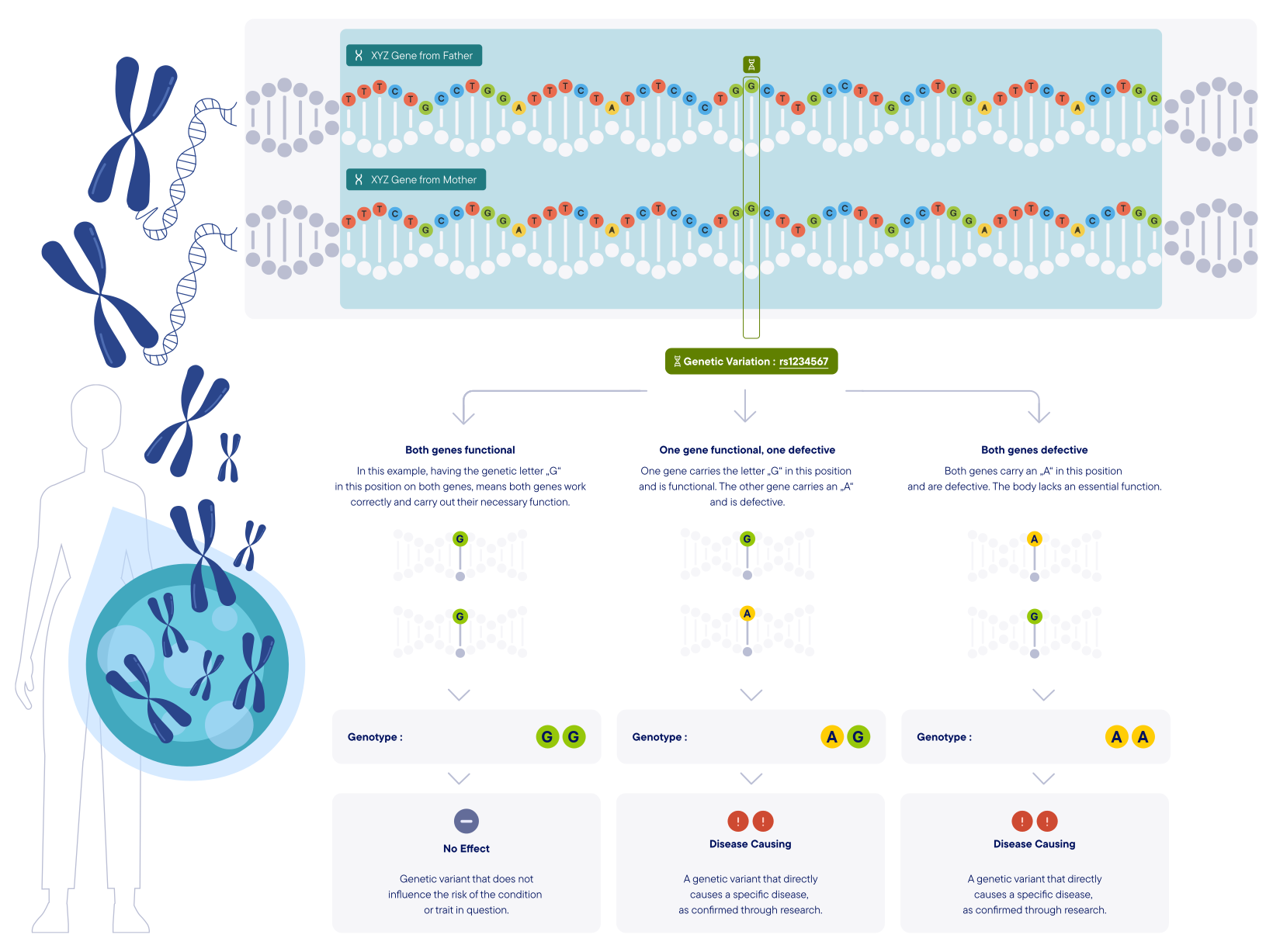
Humans have more than 20,000 genes, each carrying out one or a few specific functions in the body. One gene instructs the body to digest lactose from milk, another tells the body how to build strong bones and another prevents the body's cells from beginning to multiply uncontrollably and developing into cancer. As all of these genes combined are the building instructions for our body, a defect in one of these genes can have severe health consequences.
Through decades of genetic research, we know the genetic code of any healthy/functional human gene. We have also identified that in certain positions on a gene, some individuals may have a different genetic letter from the one you have. We call these hotspots "Genetic Variations" or "Variants" in short. In many cases, studies have been able to show that having the genetic letter "G" in the position makes you healthy, but having the letter "A" in the same position disrupts the gene function and causes a disease. Genopedia allows you to view these variants in genes and summarizes all that we know from scientific research, which genetic letters (Genotype) have good or bad consequences on your health or on your traits.
History
Families and communities once noticed patterns that a few children in a generation were smaller than expected, learned skills a bit later, and shared certain facial features. Parents compared baby photos and growth charts, wondering why one child stayed on the low end despite eating well. Decades before modern testing, these day-to-day observations hinted at a shared cause.
First described in the medical literature as a cluster of growth delay and developmental differences tied to a missing piece on chromosome 12, 12q14 microdeletion syndrome gradually became clearer as imaging and genetic tools improved. Early reports focused on height and bone age checks, hand X-rays, and careful facial measurements. Clinicians noted that some children also had learning and speech differences, while others had milder features and were not diagnosed until later in childhood.
From early theories to modern research, the story of 12q14 microdeletion syndrome reflects how technology reshaped understanding. In the 1990s and early 2000s, newer lab methods could detect tiny “microdeletions” that older chromosome studies missed. This helped link the syndrome to loss of specific genes in the 12q14 region, including ones important for bone growth. With this shift, what once looked like an unexplained pattern of short stature and delayed milestones gained a precise genetic explanation.
Once considered rare, now recognized as part of a broader group of microdeletion conditions, 12q14 microdeletion syndrome has been reported across different countries and backgrounds. Doctors realized that features vary: some children are very short for age and need support for feeding and growth; others grow near the lower end of the curve and attend mainstream school with extra help for speech or learning. This range explained why earlier descriptions sometimes missed milder cases.
In recent decades, awareness has grown as microarray testing and later sequencing became standard for children with unexplained growth and developmental differences. As more families received a name for the condition, researchers could map which missing segments were linked to particular features, and follow children over time to understand health needs through adolescence and adulthood.
Looking back helps explain why diagnosis used to be delayed and why many adults were never labeled with 12q14 microdeletion syndrome despite having similar traits as children. Today, a clearer history supports earlier recognition, more tailored care, and informed family planning. Each new case adds detail, refining what clinicians watch for—such as early symptoms of 12q14 microdeletion syndrome like slow height gain and delayed speech—while reminding us that every child’s path remains individual.