
11q22.2q22.3 microdeletion syndrome is a rare genetic condition caused by a small missing piece of chromosome 11. People with 11q22.2q22.3 microdeletion syndrome often have developmental delays, learning differences, and sometimes speech or motor challenges. Some may have distinct facial features, short stature, or congenital differences such as heart or kidney anomalies, and seizures can occur in a subset. It is lifelong, but features vary widely and many living with 11q22.2q22.3 microdeletion syndrome make progress with early therapies and school supports. Care focuses on developmental therapies, special education, and monitoring by specialists, and the outlook depends on the specific features present.
Overview
11q22.2q22.3 microdeletion syndromeSymptoms
11q22.2q22.3 microdeletion syndrome is often recognized in infancy or early childhood. Signs include developmental and speech delays, low muscle tone, feeding problems, and distinctive facial features; some have learning difficulties, seizures, heart differences, vision or hearing issues, and autistic traits.
Outlook and prognosis
Many people with 11q22.2q22.3 microdeletion syndrome grow and learn at their own pace, with supports that evolve over time. Early therapies and regular checkups often improve speech, learning, and day-to-day independence. Long-term outlook varies by deletion size and specific features.
Causes and risk factors
11q22.2q22.3 microdeletion syndrome results from a tiny missing piece of chromosome 11. Most cases are spontaneous; rarely, a parent carries a balanced chromosomal rearrangement, increasing recurrence risk. No proven environmental or lifestyle causes; genetic counseling clarifies family risk.
Genetic influences
Genetics is central to 11q22.2q22.3 microdeletion syndrome, which stems from a small missing segment on chromosome 11. The exact size and genes lost vary, shaping severity and features. Most cases are de novo, though parental testing helps assess recurrence risk.
Diagnosis
Clinicians suspect 11q22.2q22.3 microdeletion syndrome from clinical features and developmental history. Confirmation typically uses chromosomal microarray or other genetic tests; imaging and specialist exams may support findings. This approach underpins the genetic diagnosis of 11q22.2q22.3 microdeletion syndrome.
Treatment and drugs
Care focuses on the needs of each person with 11q22.2q22.3 microdeletion syndrome. Plans often combine developmental therapies, educational supports, and symptom‑targeted care for seizures, feeding or growth issues, heart or vision concerns, and behavior. Regular check-ins guide adjustments over time.
Symptoms
Many families first notice things like feeding struggles, low muscle tone, or delays in rolling, sitting, or talking. 11q22.2q22.3 microdeletion syndrome is present from birth, and its features mostly reflect how the missing genes affect development. Features vary from person to person and can change over time. Parents may notice early features of 11q22.2q22.3 microdeletion syndrome in infancy or early childhood, often around motor and speech skills.
Rolling, sitting, crawling, or walking may happen later than for other children. Early physical therapy can help build strength and coordination.
First words and sentence-building may come later than peers. Speech therapy and consistent practice often improve communication.
Muscles may feel looser and provide less support. In medical terms, this is hypotonia; in everyday life, it shows up as a “floppy” feel in infancy and slouching or fatigue with activity.
Trouble latching, slow feeding, or reflux can happen in infancy in 11q22.2q22.3 microdeletion syndrome. A feeding plan and, when needed, reflux treatment can support growth and comfort.
How people usually first notice 11q22.2q22.3 microdeletion syndrome?
Many families first notice something is different when a baby with 11q22.2q22.3 microdeletion syndrome has low muscle tone, feels “floppy,” feeds slowly, or isn’t gaining weight as expected, and later shows delays in sitting, crawling, or talking. Doctors may first suspect it because of subtle facial features, short stature, or congenital findings such as heart differences, hearing issues, or vision problems, and a chromosome microarray test confirms the diagnosis. For many, the first signs of 11q22.2q22.3 microdeletion syndrome are developmental delays in infancy or early childhood, sometimes paired with seizures or learning challenges noticed once preschool starts.
Types of 11q22.2q22.3 microdeletion syndrome
11q22.2q22.3 microdeletion syndrome is a genetic condition caused by a small missing piece of chromosome 11 in the q22.2–q22.3 region. There aren’t widely accepted subtypes with distinct names, but differences in which genes are deleted, and how large the deletion is, can change how symptoms show up and how severe they are. Symptoms don’t always look the same for everyone. When people search for types of 11q22.2q22.3 microdeletion syndrome, what they’re usually noticing are size-based or gene-content differences that influence development, learning, growth, and sometimes seizures or heart and feeding issues.
Smaller deletions
The missing DNA is limited to part of q22.2–q22.3. Features may be milder, with developmental delays that are often moderate and medical issues that are fewer. Learning support and therapies are commonly helpful.
Larger deletions
More genes across q22.2–q22.3 are missing. This can raise the chance of intellectual disability, seizures, feeding difficulties, and congenital differences like heart or skeletal findings. Extra medical monitoring is often needed.
Gene-specific loss
The deletion includes certain key genes within q22.2–q22.3. Involvement of those genes can shape specific features, such as more pronounced speech or motor delays, or higher seizure risk. Genetic testing reports usually list the genes affected to guide care.
Mosaic deletions
Only some cells carry the deletion, while others are typical. Symptoms may be milder or more variable depending on how many cells are affected and in which tissues. Diagnosis may require sensitive testing methods.
What genetics can tell you about symptoms
Some people with 11q22.2q22.3 microdeletion syndrome have developmental delays, low muscle tone, learning differences, and short stature, often because genes in this region help brain wiring and growth. Others show seizures, feeding problems, or heart and skeletal differences when nearby regulatory genes are missing.
Causes and risk factors
It happens when a small piece of chromosome 11 in the q22.2 to q22.3 region is missing from birth. In most people it arises as a new change in the egg or sperm and is not due to anything a parent did. Some risks are written in our DNA, passed down through families. Less often, the missing piece is inherited from a parent with the same change. There are no proven lifestyle or environmental triggers, but a family history or early symptoms of 11q22.2q22.3 microdeletion syndrome may prompt genetic testing and counseling about recurrence risk.
Environmental and biological risk factors
Here’s what’s known about environmental and biological risk factors for 11q22.2q22.3 microdeletion syndrome. Some risks are carried inside the body, others come from the world around us. Most cases arise as a new DNA change around conception, and no one thing that parents did or didn’t do is typically to blame.
Repeated DNA stretches near this region can misalign when eggs or sperm are made, which can delete a segment. This structural setup makes 11q22.2q22.3 more prone to the microdeletion seen in 11q22.2q22.3 microdeletion syndrome.
During egg or sperm formation, normal DNA swapping can occasionally go off track. If this happens in the 11q22.2q22.3 area, the result can be 11q22.2q22.3 microdeletion syndrome.
Soon after conception, very rapid cell splits can introduce copying mistakes that change chromosome structure. In rare cases, that can remove part of 11q22.2q22.3 in all or some of the baby’s cells.
As the sperm-producing parent gets older, brand-new DNA changes become slightly more likely. Even so, most deletions of this type occur regardless of parental age.
Genetic risk factors
Most cases of 11q22.2q22.3 microdeletion syndrome arise from a new change in chromosome 11 that happens by chance in the egg or sperm. Some risk factors are inherited through our genes. When the deletion is present in a parent or due to a balanced chromosome rearrangement, the chance of it occurring again in a child is higher; genetic causes of 11q22.2q22.3 microdeletion syndrome are clarified through parental testing.

De novo deletion: In many families, the deletion on chromosome 11 happens for the first time in a child, with parents’ chromosomes testing normal. This chance event is a common cause of 11q22.2q22.3 microdeletion syndrome. The recurrence risk after a confirmed de novo result is usually low but not zero.
Inherited deletion: If a parent carries the same deletion, each pregnancy has up to a 50% chance of inheriting it. Features can vary widely between relatives even with the same deletion. This pattern is called autosomal dominant when it is passed on.
Balanced rearrangement parent: A healthy parent with a balanced translocation or inversion involving 11q can have eggs or sperm with a missing 11q22.2q22.3 segment. This raises the chance of a child with the microdeletion. Parental chromosome testing guides the specific recurrence risk.
Parental mosaicism: Rarely, a parent has the deletion in a small fraction of their egg or sperm cells but not in blood tests. This hidden mosaicism can explain repeat cases after an apparent de novo result. Specialized testing may be discussed if recurrence occurs.
Deletion size matters: The number and type of genes lost in 11q22.2q22.3 shape how the condition looks and what doctors monitor. If key genes in the region, such as ATM, are included, care plans may be adjusted. Your genetics team can clarify which genes are affected.
Chromosome hotspots: Repeated DNA sequences in 11q22 make the region prone to misalignment during egg or sperm formation. This can lead to the 11q22.2q22.3 microdeletion by chance. This mechanism helps explain why most cases are unexpected.
Lifestyle risk factors
This condition is not caused by lifestyle choices, but daily habits can influence symptoms, function, and long-term health. Supportive routines can strengthen muscles, improve learning and behavior, and lower secondary complications like constipation or falls. Understanding how lifestyle affects 11q22.2q22.3 microdeletion syndrome can help families prioritize what has the biggest impact.
Regular, tailored movement (physiotherapy-style play, walking, swimming) can improve hypotonia, balance, and stamina. Inactivity may worsen weakness, constipation, and weight gain.
Core and postural exercises support sitting, standing, and safe walking. Poor conditioning increases fatigue and fall risk during daily activities.
Nutrient-dense meals and adequate protein support growth in children with feeding challenges. Low intake can exacerbate low muscle mass and slow weight gain.
Sufficient fiber and hydration help prevent constipation common with low tone and reduced mobility. Ongoing constipation can worsen discomfort, appetite, and behavior.
Risk prevention
You can’t prevent the chromosome change itself, but you can lower the risk of complications and support healthy development in 11q22.2q22.3 microdeletion syndrome. Prevention can mean both medical steps, like vaccines, and lifestyle steps, like exercise. Regular monitoring helps catch early symptoms of 11q22.2q22.3 microdeletion syndrome and treat problems before they snowball. Planning ahead for pregnancy may also reduce risks in future children.
A genetics team can explain how the deletion happens and your family’s recurrence risk. They can discuss options such as preimplantation testing, prenatal diagnosis, or using donor eggs or sperm.
If the microdeletion is known in a parent, targeted testing during pregnancy (CVS or amniocentesis) can check the fetus. Detailed ultrasounds can look for structural concerns to plan delivery and newborn care.
Starting physical, occupational, and speech therapy early can strengthen skills and reduce later complications. Personalized goals help children with 11q22.2q22.3 microdeletion syndrome reach their best function.
Coordinated care with pediatrics, genetics, and relevant specialists helps find issues early. Scheduled visits can prevent small problems from becoming hospital visits for people with 11q22.2q22.3 microdeletion syndrome.

Transmission
11q22.2q22.3 microdeletion syndrome is a genetic condition, not an infection—you can’t catch it or spread it to others. In most people, it happens as a new change in the egg or sperm or very early after conception, so there’s no family history.
When it is passed down, one changed copy is enough to cause the condition: a parent with the same microdeletion has a 50% (1 in 2) chance in each pregnancy to have a child with 11q22.2q22.3 microdeletion syndrome, and features can vary even within a family. If both parents’ blood tests do not show the microdeletion, the chance of it happening again is low, though rarely a parent can carry the change in some egg or sperm cells only. A genetics team can explain how 11q22.2q22.3 microdeletion syndrome is inherited and discuss choices for family planning.
When to test your genes
Test your genes if you or your child has multiple unexplained features like developmental delays, learning differences, distinctive facial traits, or congenital anomalies—especially when evaluations haven’t found a cause. Consider testing if a close relative has 11q22.2q22.3 microdeletion syndrome or a similar chromosomal change. Genetic results can guide early therapies, medical screening, and family planning.
Diagnosis
Diagnosis of 11q22.2q22.3 microdeletion syndrome usually starts with a careful look at growth, development, and any birth differences, then moves to genetic tests that can find small missing pieces of chromosome 11. The genetic diagnosis of 11q22.2q22.3 microdeletion syndrome usually relies on tests that look for missing DNA segments. Early and accurate diagnosis can help you plan ahead with confidence. Results also guide which specialists to see and what supports may help day to day.
Providers look for patterns such as developmental delays, learning differences, feeding or growth concerns, and distinctive facial or body features. These clues help decide which genetic tests to order.
This first-line test scans all chromosomes for small missing or extra segments. It typically detects the 11q22.2q22.3 deletion if present and reports the exact boundaries.
These tests can confirm a deletion found on microarray and may check specific genes within the region. They are also useful when testing parents for the same change.
Testing both parents shows whether the 11q22.2q22.3 microdeletion is new (de novo) or inherited. This information helps clarify recurrence risk for future pregnancies.
Stages of 11q22.2q22.3 microdeletion syndrome
11q22.2q22.3 microdeletion syndrome does not have defined progression stages. It’s a genetic change present from birth, so features usually reflect developmental differences that vary from child to child rather than a predictable, stepwise decline; early symptoms of 11q22.2q22.3 microdeletion syndrome may include delays in speech or motor skills and feeding or growth concerns. Different tests may be suggested to help confirm what’s going on, often starting with a genetic test such as chromosomal microarray and sometimes followed by targeted methods. Ongoing care usually involves regular check-ins on growth, development, hearing, vision, and any heart or neurologic findings, with referrals to specialists as needed.
Outlook and prognosis
Living with 11q22.2q22.3 microdeletion syndrome can look quite different from one person to the next, especially in school, work, and day-to-day independence. Some children have mild learning differences and grow into fairly independent adults; others need ongoing support for communication, motor skills, or behavior. Everyone’s journey looks a little different. Early care can make a real difference—speech, physical, and occupational therapy in the first years often boost skills that carry forward into adolescence and adulthood.
Looking at the long-term picture can be helpful. Many people find that symptoms become more manageable as routines, supports, and education plans settle in, though challenges with learning or attention may persist. Seizures can occur in a subset of people with 11q22.2q22.3 microdeletion syndrome; when they happen, they’re often treatable with standard anti-seizure medicines, and some children outgrow them. Heart or kidney differences, if present, are usually found early and watched closely; most are mild, but significant defects may need procedures. Serious, life-limiting complications are uncommon, and life expectancy is generally near typical when medical issues are identified and managed.
When thinking about the future, it helps to focus on practical milestones: early symptoms of 11q22.2q22.3 microdeletion syndrome might include feeding or tone concerns in infancy, followed by speech delay, attention differences, or motor coordination challenges in childhood. With ongoing care, many people maintain steady progress, finishing school with supports and transitioning to jobs or structured programs that fit their strengths. Talk with your doctor about what your personal outlook might look like. If genetic testing identified the deletion, periodic check-ins with genetics, neurology, cardiology, and developmental specialists can guide plans as needs evolve.
Long-term effects
Over the years, many discover ways to understand what life with 11q22.2q22.3 microdeletion syndrome may look like beyond childhood. Long-term effects vary widely, and no two people share the exact same pattern. People often ask about early symptoms of 11q22.2q22.3 microdeletion syndrome; some early features can shift over time while others remain steady. Outlook depends on which genes are missing, associated health issues, and the supports available through school and healthcare.
Many have mild to moderate learning differences that persist into adulthood. Academic skills often improve with time but may remain uneven across subjects.
Speech may be delayed, with long-term challenges in pronunciation or understanding complex language. Some people with 11q22.2q22.3 microdeletion syndrome continue to use simple phrases or need extra time to process conversation.
Low muscle tone and coordination difficulties can continue, affecting balance, stamina, and fine motor tasks. Handwriting, buttons, or sports may stay harder than for peers.
Short stature and a smaller head size can be part of the long-term profile. Feeding difficulties from infancy often lessen, though a smaller build may persist.
How is it to live with 11q22.2q22.3 microdeletion syndrome?
Living with 11q22.2q22.3 microdeletion syndrome often means navigating developmental delays, learning differences, and sometimes differences in growth or muscle tone that can affect speech, coordination, and daily routines. Many people benefit from structured supports—early intervention, speech and physical therapy, special education services, and clear schedules—so school, work, and home life feel more manageable. Families and caregivers may spend extra time coordinating appointments and advocating at school, yet they also tend to build strong routines and support networks that make progress visible and celebrate small wins. With consistent therapies and realistic expectations, many find steady gains in communication, independence, and quality of life, and those around them learn to pace tasks, use visual cues, and offer patient, practical help.
Treatment and drugs
Treatment for 11q22.2q22.3 microdeletion syndrome focuses on easing symptoms, building skills, and preventing complications rather than “curing” the deletion itself. Care usually involves a coordinated team—pediatrics, neurology, cardiology, genetics, developmental therapy, and sometimes mental health—tailored to a child’s needs as they grow. Supportive care can make a real difference in how you feel day to day, including early intervention therapies such as speech and language support, physical and occupational therapy, educational services, and behavioral strategies. Doctors sometimes recommend a combination of lifestyle changes and drugs, for example seizure medicines if epilepsy is present, treatments for attention or mood symptoms, and standard care for heart, kidney, vision, or hearing issues if they occur. Regular check-ins help track growth, learning, and any new medical features so the care plan can be adjusted over time.
Non-drug treatment
Most families focus on building skills, communication, and day-to-day independence from infancy through school years. For 11q22.2q22.3 microdeletion syndrome, a coordinated, team-based plan can support movement, feeding, learning, and behavior without relying only on medicines. Non-drug treatments often lay the foundation for steady progress at home, in therapy, and at school. Plans are tailored, and supports may change as needs evolve.
Home- and clinic-based services in the first years boost motor, language, and social skills. Screening for early symptoms of 11q22.2q22.3 microdeletion syndrome helps target therapy sooner. Coordinated support can improve school readiness.
Strength, balance, and coordination training can help children sit, stand, and move more confidently. Therapists address low muscle tone and delayed motor milestones. Home exercises keep gains going between visits.
Fine-motor and self-care skills are practiced through play and daily tasks. Therapists work on grasp, handwriting readiness, and dressing. Sensory strategies can improve attention and comfort in busy settings.
Sessions build understanding, words, and social communication. Therapists also help with sound production and clarity. Parent coaching brings strategies into everyday routines.
Your genes may have an impact on how drugs work for you
Medicines used for 11q22.2q22.3 microdeletion–related symptoms can work differently because gene losses may alter how bodies process drugs and how brain or heart pathways respond. Pharmacogenetic testing and careful dose adjustments help clinicians choose safer, more effective options.
Pharmacological treatments
Medicine for 11q22.2q22.3 microdeletion syndrome focuses on easing day-to-day symptoms like seizures, attention challenges, sleep issues, reflux, or troublesome drooling. Drugs that target symptoms directly are called symptomatic treatments. There’s no single syndrome‑specific pill, so clinicians tailor choices to each person’s needs and age. Plans often change over time as early symptoms of 11q22.2q22.3 microdeletion syndrome evolve.
For many with 11q22.2q22.3 microdeletion syndrome, levetiracetam, lamotrigine, or valproate are common choices depending on seizure type. Rescue options like diazepam nasal spray or buccal midazolam may be prescribed for clusters or prolonged events. Doctors adjust treatment plans regularly to balance seizure control and side effects.
In 11q22.2q22.3 microdeletion syndrome, methylphenidate or mixed amphetamine salts may improve focus and hyperactivity; nonstimulants like atomoxetine, guanfacine, or clonidine are alternatives. Not everyone responds to the same medication in the same way. Monitoring appetite, sleep, and blood pressure helps fine-tune dosing.
People with 11q22.2q22.3 microdeletion syndrome who have anxiety may benefit from SSRIs such as fluoxetine or sertraline; risperidone or aripiprazole may be used short-term for severe irritability or aggression. Side effects, if they occur, can often be managed by dose changes or switching medicines. Regular follow-up tracks benefits and behavior.
Sleep problems can occur in 11q22.2q22.3 microdeletion syndrome; melatonin at night can help reset sleep timing, and clonidine or guanfacine may help with settling if hyperarousal is present. Some medicines work quickly, while others need time and steady routines to show benefits.
Genetic influences
In most families, this chromosome change arises for the first time in the child rather than being inherited. 11q22.2q22.3 microdeletion syndrome involves a small missing segment on chromosome 11 at q22.2–q22.3, removing one copy of several genes. Which genes are missing and how large the deletion is can shape early symptoms of 11q22.2q22.3 microdeletion syndrome and long-term needs, so features can vary widely, even among relatives. Rarely, a parent may carry the same deletion or a balanced chromosome difference that doesn’t cause symptoms, which can raise the chance of having another child with the deletion. DNA testing can sometimes identify these changes. Checking both parents’ chromosomes helps estimate the chance of recurrence and guides genetic counseling for future pregnancies.
Is 11q22.2q22.3 microdeletion syndrome genetic?
Genetics is central to 11q22.2q22.3 microdeletion syndrome, which stems from a small missing segment on chromosome 11. The exact size and genes lost vary, shaping severity and features. Most cases are de novo, though parental testing helps assess recurrence risk.
Pharmacogenetics—how genetics influence drug effects
Genetic changes in this region can shape how doctors choose and monitor medicines, especially for seizures, attention, mood, and sleep. When the microdeletion includes the ATM gene, the body’s ability to repair DNA may be reduced; in practice, care teams try to limit unnecessary radiation exposure and may be extra cautious with radiation therapy or certain DNA‑damaging chemotherapy if it’s ever needed. For day‑to‑day care, many medicines are broken down by liver enzymes that vary from person to person, so pharmacogenetic testing may help tailor doses of some anti‑seizure drugs or antidepressants to lower the chance of side effects. Genetics is only one factor, though—age, weight, other health issues, and interactions with other prescriptions also matter. If you’re navigating medications used in 11q22.2q22.3 microdeletion syndrome, asking whether drug–gene information could guide dosing is reasonable, especially if side effects have been a problem or several medicines are being tried.
Interactions with other conditions
Living with 11q22.2q22.3 microdeletion syndrome often means managing other health issues at the same time, such as epilepsy, heart differences, feeding or swallowing problems, and hearing or vision challenges. Doctors call it a “comorbidity” when two conditions occur together. Early symptoms of 11q22.2q22.3 microdeletion syndrome like low muscle tone, delayed speech, or social communication differences can overlap with autism or ADHD, which may make assessments and school supports more complex. Seizures can flare with fever or illness, and breathing or sleep problems (including sleep apnea) may worsen daytime attention, learning, and behavior, so treating one condition can meaningfully ease the other. In some people, the deleted segment includes a gene linked to higher lifetime cancer risk and possible sensitivity to radiation; this may shape choices about imaging tests and treatments. Close, coordinated care between neurology, cardiology, genetics, ENT/vision, and developmental services helps align plans so one treatment doesn’t unintentionally complicate another.
How genes can cause diseases
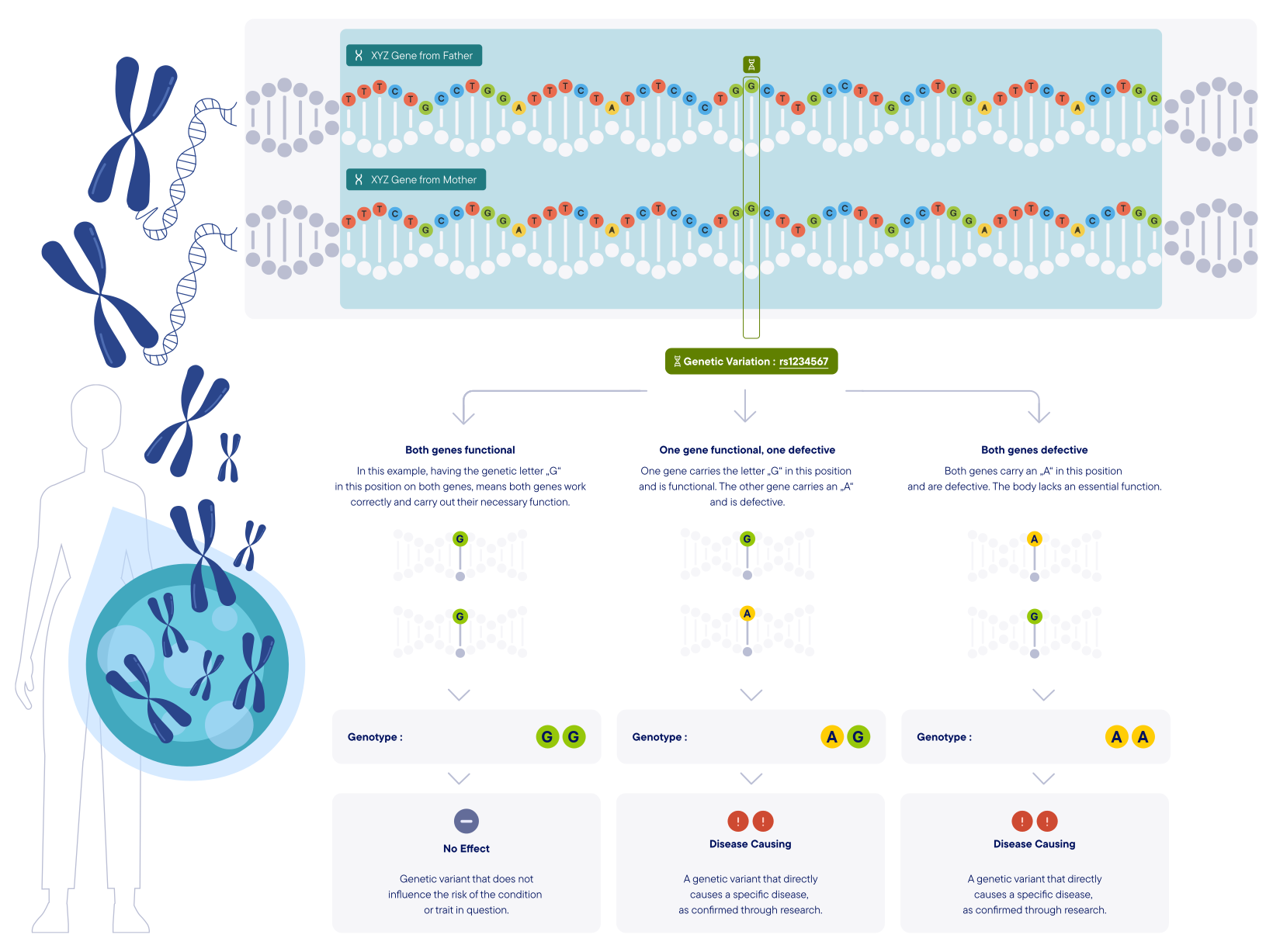
Humans have more than 20,000 genes, each carrying out one or a few specific functions in the body. One gene instructs the body to digest lactose from milk, another tells the body how to build strong bones and another prevents the body's cells from beginning to multiply uncontrollably and developing into cancer. As all of these genes combined are the building instructions for our body, a defect in one of these genes can have severe health consequences.
Through decades of genetic research, we know the genetic code of any healthy/functional human gene. We have also identified that in certain positions on a gene, some individuals may have a different genetic letter from the one you have. We call these hotspots "Genetic Variations" or "Variants" in short. In many cases, studies have been able to show that having the genetic letter "G" in the position makes you healthy, but having the letter "A" in the same position disrupts the gene function and causes a disease. Genopedia allows you to view these variants in genes and summarizes all that we know from scientific research, which genetic letters (Genotype) have good or bad consequences on your health or on your traits.
History
Throughout history, people have described children who learned more slowly, were smaller than expected, or had extra medical needs, without knowing a shared cause. Families and communities once noticed patterns across relatives, especially when developmental delays or distinctive facial features appeared in more than one child. Medical records from the 20th century collected these observations, but without modern tools, many conditions with similar signs were grouped together. Not every early description was complete, yet together they built the foundation of today’s knowledge.
From these first observations, clinicians began to connect certain developmental and growth differences with changes on specific chromosomes. In the late 1900s, karyotyping—looking at chromosomes under a microscope—helped find large missing or extra pieces, but smaller changes were invisible. As medical science evolved, high‑resolution methods like FISH and later chromosomal microarray allowed specialists to pinpoint tiny missing segments. This is how 11q22.2q22.3 microdeletion syndrome came into focus: the missing stretch on the long arm of chromosome 11 could finally be seen and matched to a consistent pattern of features.
In recent decades, awareness has grown as more children and adults received testing for unexplained developmental delays, learning differences, low muscle tone, or small head size. Research groups in Europe and the United States reported individuals with overlapping deletions at 11q22.2q22.3 and similar clinical findings. With each decade, case reports expanded into registries, and doctors could describe the range of early symptoms of 11q22.2q22.3 microdeletion syndrome more clearly—what tends to show up in infancy or early childhood, and what may be noticed later in school years.
Initially understood only through symptoms, later the condition was defined by the recurring “footprint” on genetic testing. This shift mattered: people with milder signs, who might have been missed before, were now recognized, showing that 11q22.2q22.3 microdeletion syndrome can vary widely. Some live with subtle learning needs; others have broader developmental, growth, or medical concerns. These historical steps improved counseling for families, helped set expectations for follow‑up, and guided targeted supports like early therapy and tailored education plans.
Today, advances in genetics continue to refine the picture. Researchers map which genes within 11q22.2q22.3 are most tied to certain features, much like identifying which parts of a dimmer switch control brightness versus on/off. As more people are diagnosed—sometimes through prenatal testing, sometimes in adulthood when a child is evaluated—the history of 11q22.2q22.3 microdeletion syndrome keeps unfolding. Looking back helps explain why the condition seemed rare at first: we simply could not see it. Now that we can, the focus has moved from naming the deletion to making sure people living with it get practical, lifelong support.