
1-chloro-2,4-dinitrobenzene allergic contact dermatitis is a skin reaction that happens after the chemical touches the skin. People with this condition often develop itchy red rash, swelling, burning, and sometimes blisters where it contacted. Symptoms usually begin hours to a couple of days after exposure and can last days to weeks, and they may recur with repeat contact. It affects anyone exposed at work or during patch testing, and severe cases are uncommon and rarely dangerous. Treatment focuses on avoiding the chemical, using topical corticosteroids and soothing moisturizers, and taking oral antihistamines for itch, with stronger medicines if the dermatitis is widespread.
Overview
1-chloro-2,4-dinitrobenzene allergic contact dermatitisSymptoms
1-chloro-2,4-dinitrobenzene allergic contact dermatitis causes an itchy, red rash at the contact site, often with burning, swelling, or small blisters. Symptoms usually start 12–48 hours after exposure. Skin may ooze, then dry, scale, and crack.
Outlook and prognosis
Most people with 1-chloro-2,4-dinitrobenzene allergic contact dermatitis improve once the trigger is identified and avoided; flares typically settle with short-term treatment. Skin usually heals without scarring, though lingering itch or dryness can last weeks. Recurrence is common after re-exposure.
Causes and risk factors
1-chloro-2,4-dinitrobenzene allergic contact dermatitis arises after skin sensitization and re-exposure to the chemical. Risk increases with frequent or high-concentration contact, inadequate protective gear, occlusion, friction, or damaged skin. Genetic skin-barrier changes (e.g., filaggrin variants) and warm, humid workplaces heighten susceptibility.
Genetic influences
Genetics play a modest role in 1-chloro-2,4-dinitrobenzene allergic contact dermatitis. Most risk comes from exposure, but variations in skin barrier and immune-response genes can affect sensitivity and severity. Family history may raise risk, yet avoidance remains the key factor.
Diagnosis
Doctors diagnose 1-chloro-2,4-dinitrobenzene allergic contact dermatitis by linking a compatible rash to recent exposure and exam findings at contact sites. Patch testing with the chemical confirms the allergy, while other causes like irritant dermatitis are ruled out.
Treatment and drugs
Treatment for 1-chloro-2,4-dinitrobenzene allergic contact dermatitis focuses on calming skin inflammation and preventing re‑exposure at work or home. Doctors often use topical corticosteroids, moisturizers, and soothing wet wraps; severe flares may need short oral steroids. Antihistamines can ease itch, and patch testing guides avoidance.
Symptoms
Many people notice an itchy, red rash on the area that touched the chemical, sometimes making simple tasks painful or distracting. Early symptoms of 1-chloro-2,4-dinitrobenzene allergic contact dermatitis often appear 1–3 days after exposure and may include swelling, tiny blisters, or clear fluid. The rash can disturb sleep, sting with soap or sanitizer, and be especially bothersome on the hands or face. Symptoms vary from person to person and can change over time.
Itchy, red skin develops where the chemical touched. The itch can be intense and may feel worse at night. It can distract from work or sleep.
The rash often shows up 1–3 days after exposure, not right away. In 1-chloro-2,4-dinitrobenzene allergic contact dermatitis, this delay can make the trigger hard to spot. A new product or activity from a day or two earlier may be the clue.
The area can swell and feel warm or tender. Rings, watch straps, or gloves may feel tight or uncomfortable over the rash.
Small blisters may form and can leak clear fluid. The surface may crust as it dries and can stick to clothing.
How people usually first notice 1-chloro-2,4-dinitrobenzene allergic contact dermatitis?
Many people first notice 1-chloro-2,4-dinitrobenzene (DNCB) allergic contact dermatitis as an itchy, red, sometimes blistering rash that appears on skin that touched the chemical, usually within 24–72 hours after exposure. It often shows up in clear shapes that match the contact area—like under gloves, on the wrists where sleeves meet gloves, or in patches on the hands and forearms—especially in workplaces or labs where DNCB is handled. For some, the first signs of 1-chloro-2,4-dinitrobenzene allergic contact dermatitis are a delayed, intensifying itch and dryness that don’t improve with regular moisturizers but do flare again quickly with repeat contact.
Types of 1-chloro-2,4-dinitrobenzene allergic contact dermatitis
People with 1-chloro-2,4-dinitrobenzene allergic contact dermatitis often notice skin changes where the chemical touched, and sometimes on nearby areas from accidental spread. Symptoms don’t always look the same for everyone. Clinicians often describe them in these categories: acute flares, ongoing (chronic) changes, and delayed reactions after re-exposure. Understanding these types of 1-chloro-2,4-dinitrobenzene allergic contact dermatitis can help you recognize patterns and discuss early symptoms of dermatitis with your clinician.
Acute allergic flare
Red, itchy, and swollen patches appear hours to a few days after contact. You may see small blisters, oozing, or a sharp border where the chemical touched. Burning or stinging can make daily tasks uncomfortable.
Subacute phase
Redness and scaling replace the initial blisters as the skin starts to dry. Cracking and mild swelling can linger, especially on hands that continue light exposure. Itching often persists but becomes less intense.
Chronic dermatitis
Ongoing or repeated exposure leads to thickened, scaly skin with deep cracks. The skin may look darker or lighter than usual and feel rough or leathery. Flare-ups can still happen on top of these baseline changes.
Hand-dominant involvement
Hands and fingers are commonly affected due to direct handling. Fingertips, knuckles, and the web spaces may split or peel, making washing or gripping objects painful. Gloves or barriers reduce but may not fully prevent symptoms if exposure continues.
Facial and neck spread
Touching the face or neck after handling the chemical can transfer small amounts. Eyelids and the neck can become red, puffy, and very itchy because the skin there is thin. Swelling may be more noticeable in the morning.
Airborne deposition
Fine particles or vapors can settle on exposed skin, especially the face and forearms. This can cause a more diffuse, patchy rash with less distinct edges. Burning of the eyelids or cheeks may stand out.
Photo-aggravated pattern
Sun-exposed areas can look worse if contact is followed by UV exposure. The rash may be sharper on the forearms and V of the neck compared to covered skin. Sun protection can reduce this contrast.
Eczematous spread
After the first site reacts, new itchy patches can appear on nearby skin from accidental transfer. Scratching and hand-to-skin contact often extend the rash to the wrists or opposite hand. Keeping the initial area covered can limit spread.
Re-exposure relapse
After the initial episode clears, even small re-contacts can trigger a faster, sometimes stronger flare. The reaction window may shorten to within hours. Avoiding the allergen is key to preventing these cycles.
Irritant overlap
Harsh soaps or solvents can add a non-allergic irritant rash on top of allergy. This often shows more burning than itch and appears quickly after contact. Reducing irritants helps the allergic component heal.
What genetics can tell you about symptoms
Certain HLA genetic variants, especially HLA-DQB1*05 and related HLA class II types, can make the immune system more likely to recognize 1‑chloro‑2,4‑dinitrobenzene and trigger allergic contact dermatitis. People with these variants may develop faster reactions, stronger rashes, and more persistent itching after exposure.
Causes and risk factors
1-chloro-2,4-dinitrobenzene allergic contact dermatitis happens when your immune system becomes sensitized after skin contact with the chemical. Repeated or high-concentration exposure at work or during hobbies raises risk, especially with damaged or dry skin. Common risk factors for 1-chloro-2,4-dinitrobenzene allergic contact dermatitis include a history of eczema, asthma, or seasonal allergies, and frequent wet work or other irritant exposure. Some risks are modifiable (things you can change), others are non-modifiable (things you can’t). Protective steps like gloves, skin moisturizers, and limiting contact can lower exposure, but genes and past sensitization can still make reactions more likely.
Environmental and biological risk factors
1-chloro-2,4-dinitrobenzene allergic contact dermatitis happens when the skin becomes sensitized and reacts after contact with this chemical. The main drivers are the exposures that reach your skin and the condition of the skin barrier itself. Doctors often group risks into internal (biological) and external (environmental). Below are environmental and biological risk factors for 1-chloro-2,4-dinitrobenzene allergic contact dermatitis.
Touching the chemical directly increases risk. Even brief contact can sensitize the skin. Spills, splashes, or contaminated tools are common sources.
Exposure to higher concentrations or undiluted chemical raises risk. More of the substance reaching skin increases the chance your immune system will react. Concentrated accidents are more hazardous than trace contamination.
Repeated or prolonged contact builds risk over time. Small exposures that add up can sensitize skin and lead to 1-chloro-2,4-dinitrobenzene allergic contact dermatitis. The cumulative dose matters as much as any single contact.
Occlusive gloves, dressings, or tight gear trap the chemical against skin. Heat and pressure help it soak in. Rubbing or chafing breaks down the barrier and raises risk.
Genetic risk factors
Not everyone develops an allergy to this chemical. Your genetic makeup can influence whether your immune system learns to react to it. Risk is not destiny—it varies widely between individuals. Knowing your genetic background won’t change early symptoms of 1-chloro-2,4-dinitrobenzene allergic contact dermatitis, but it may help explain why some people become sensitized while others don’t.

Filaggrin variants: Changes in the filaggrin (FLG) gene can weaken the skin barrier. This makes it easier for small chemicals like 1-chloro-2,4-dinitrobenzene to get through and trigger an allergy. People with these variants have a higher chance of contact sensitization across different allergens.
HLA types: Differences in immune system markers (HLA class II genes) affect how the body presents chemical-protein fragments to T cells. Depending on your HLA type, you may be more or less likely to become sensitized to specific chemicals such as 1-chloro-2,4-dinitrobenzene. This helps explain why reactions can differ even among close relatives.
Immune regulation genes: Variants in genes that tune inflammation, including IL10 or TNF, can change how strongly skin immune cells respond. A more reactive baseline can raise the likelihood that an allergic contact reaction will develop. Effects are usually modest and vary by population.
Family history: Contact allergies and related skin conditions often cluster in families, reflecting shared genes. Having close relatives with contact allergies suggests a higher inherited tendency to develop this reaction. It does not predict which chemical will cause a problem.
Polygenic background: Many small-effect gene differences add up to influence overall risk. No single "allergy gene" determines whether sensitivity to 1-chloro-2,4-dinitrobenzene will occur. Science continues to uncover how these elements interact.
Lifestyle risk factors
Certain habits can make flares more likely or more intense once you are sensitized to 1-chloro-2,4-dinitrobenzene allergic contact dermatitis. Behaviors that weaken the skin barrier, increase sweat and heat, or delay healing can amplify reactions and prolong recovery. Adjusting daily routines can reduce itch, redness, and the need for medicines. Understanding lifestyle risk factors for 1-chloro-2,4-dinitrobenzene allergic contact dermatitis can guide practical prevention steps.
Repeated washing, hot water, and harsh soaps strip protective lipids and increase skin permeability. A more permeable barrier can intensify dermatitis and slow recovery. Lukewarm water and gentle cleansers lower this risk.
Strong detergents, antibacterial washes, and exfoliating scrubs damage the stratum corneum. Barrier damage can heighten inflammation where dermatitis develops. Switching to fragrance-free, pH-balanced cleansers supports repair.
Dry skin has microcracks that let irritants and haptens penetrate more easily. Consistent emollient use can reduce flare intensity and itch. Apply right after washing to lock in moisture.
Tight, nonbreathable clothing or prolonged glove wear traps heat and moisture. Heat and sweat increase skin uptake and can worsen rash severity at affected sites. Choose breathable fabrics and take breaks to air the skin.
Risk prevention
People who work with certain lab or industrial chemicals can lower their chance of rashes by controlling exposure and caring for their skin. Different people need different prevention strategies—there’s no single formula. If you’re sensitive, even a small splash can trigger days of itch, redness, or blisters that make it hard to focus at work or sleep comfortably. Here’s how to reduce risk from 1-chloro-2,4-dinitrobenzene allergic contact dermatitis in everyday settings.
Keep 1-chloro-2,4-dinitrobenzene off your skin whenever possible. Know where it’s used and avoid touching bottles, tools, or surfaces that may be contaminated.
Learn the early symptoms of 1-chloro-2,4-dinitrobenzene allergic contact dermatitis, such as itch, burning, or a red, bumpy rash where the chemical touched. Stop exposure immediately and wash the area if these appear.
Read labels and the Safety Data Sheet before using the chemical. Follow listed handling, storage, and spill steps every single time.
Ask your team if a less sensitizing alternative can do the job. Substituting the chemical removes the trigger and lowers the chance of future flares.

Transmission
1-chloro-2,4-dinitrobenzene allergic contact dermatitis is not contagious—you can’t catch a rash from someone else. It develops when skin directly touches the chemical 1‑chloro‑2,4‑dinitrobenzene, or when the chemical is on contaminated gloves, clothing, tools, or surfaces. Small amounts on the hands can self‑transfer to the face, eyelids, neck, or genitals during routine touching, which can make the rash seem to “spread”; it’s the chemical moving, not an infection. Understanding how 1-chloro-2,4-dinitrobenzene allergic contact dermatitis spreads can help with prevention: remove and wash soiled items, clean work areas, and shower after exposure; once the chemical is gone, there’s no ongoing risk to others.
When to test your genes
Progressive/acquired condition. If you’ve had a rash after DNCB exposure, repeated or worsening reactions, or work with related chemicals, consider patch testing to confirm the allergy. Test sooner if symptoms spread, interfere with daily life, or if you need tailored avoidance strategies and safer product or workplace substitutions.
Diagnosis
With 1-chloro-2,4-dinitrobenzene allergic contact dermatitis, clues often come from when and where the rash appears after chemical handling or lab work. Doctors usually begin by asking about recent exposures, then compare the timing and pattern of your skin changes with what they see on exam. Patch testing can confirm the allergy, but it’s used carefully because this chemical is a strong sensitizer. The diagnosis of 1-chloro-2,4-dinitrobenzene allergic contact dermatitis usually combines your exposure history, exam findings, and targeted tests to rule out similar skin conditions.
Your clinician will ask about jobs, lab tasks, and any contact with 1‑chloro‑2,4‑dinitrobenzene (sometimes listed as DNCB). Details like spills, glove type, and how long the chemical stayed on skin help map risk.
A delayed, itchy rash 24–72 hours after contact suggests an allergy rather than a simple irritant reaction. Noting whether the rash matches where the chemical touched the skin (for example, wrist cuffs or splash areas) strengthens the link.
The exam looks for redness, small bumps or blisters, and sharp edges that mirror contact points. Distribution on hands, forearms, or face shields where exposure likely occurred.
Dermatology-guided patch testing with a very low, standardized concentration can confirm sensitization to this chemical. Readings at 48–96 hours check for the delayed allergic response, and testing is avoided on actively inflamed skin.
Stages of 1-chloro-2,4-dinitrobenzene allergic contact dermatitis
Skin exposed to this chemical can at first seem fine, then turn red and very itchy, making everyday tasks like washing dishes or using tools uncomfortable. Early symptoms of 1-chloro-2,4-dinitrobenzene allergic contact dermatitis may appear hours to days after contact and can include itching, burning, and a delayed rash. Early and accurate diagnosis helps you plan ahead with confidence. Reactions usually move through a few recognizable phases, from first sensitization to possible long-term skin changes.
Sensitization phase
Your immune system learns to recognize the chemical after one or more exposures. There may be no rash at this stage, so it often goes unnoticed.
Acute flare
After re-exposure, redness, swelling, and intense itch can develop within 12–72 hours. Small blisters or weeping may appear where the skin touched the chemical in 1-chloro-2,4-dinitrobenzene allergic contact dermatitis.
Subacute phase
As the blisters settle, skin can become dry, scaly, and crusted with lingering itch. With treatment and strict avoidance, irritation usually improves over days to a couple of weeks.
Chronic changes
With repeated or ongoing contact, the skin can thicken, crack, and become persistently itchy. Even small exposures may trigger quick flares of 1-chloro-2,4-dinitrobenzene allergic contact dermatitis.
Recovery phase
With avoidance and care, the skin gradually returns toward normal. Some people remain more reactive for a time, so relapses can occur if contact happens again.
Outlook and prognosis
Living with 1-chloro-2,4-dinitrobenzene (CDNB) allergic contact dermatitis can be frustrating day to day, especially if flares disrupt work with chemicals or hobbies like painting or home repairs. Many people ask, “What does this mean for my future?”, and the short answer is that most cases improve with strict avoidance of CDNB and similar triggers, plus consistent skin care. Early care can make a real difference, especially if you reduce exposure quickly, use prescribed anti‑inflammatory creams during flares, and moisturize to protect the skin barrier.
The long-term outlook is generally good because this condition affects the skin and is not life‑threatening; mortality from 1‑chloro‑2,4‑dinitrobenzene allergic contact dermatitis itself is not expected. Some people experience occasional, brief rashes after accidental contact, while others notice longer flare‑ups if exposure continues at work. Over time, most people find flares become less frequent when they learn early symptoms of 1‑chloro‑2,4‑dinitrobenzene allergic contact dermatitis and act fast—washing the area, switching products, and starting treatment. Symptoms can shift, but this doesn’t always mean the condition is getting worse; lingering patches often reflect ongoing low‑level exposure or a weakened skin barrier that needs recovery time.
In medical terms, the long-term outlook is often shaped by both genetics and lifestyle. People with a history of eczema or very sensitive skin may have more persistent dryness or cracking, and repeated high‑dose exposures can lead to thicker, more stubborn plaques, especially on the hands. With ongoing care, many people maintain comfortable, mostly clear skin and keep working by using protective gear, safer substitutes, and employer-supported accommodations when needed. Talk with your doctor about what your personal outlook might look like, including plans to prevent flares, what to do after accidental exposure, and when to see a specialist if rashes don’t settle as expected.
Long-term effects
For many, 1-chloro-2,4-dinitrobenzene allergic contact dermatitis settles once exposure stops, but the immune system’s memory can persist, so even tiny re-exposures may trigger new rashes. Long-term effects vary widely, and depend on how often and how strongly the skin encounters the chemical again. Many remember early symptoms of 1-chloro-2,4-dinitrobenzene allergic contact dermatitis—itchy, red, burning patches—but over time the skin can become drier, thicker, and more reactive.
Once sensitized, the immune system can stay reactive for years. Small amounts on the skin may bring back itching and rash quickly. This can happen even with indirect contact from tools, gloves, or shared surfaces.
Rashes may come and go with re-exposure at work, home, or hobbies. Flares often start within hours to a couple of days after contact. They can last longer than the initial episode if the trigger isn’t identified.
Hands are often hit hardest because of frequent contact. Skin may thicken, crack, and sting, which can make tasks like washing dishes or using tools painful. Some may find gripping or fine motor tasks more difficult during flares.
Repeated scratching and inflammation can lead to lichenification—skin that feels leathery and looks accentuated. Thickened areas can stay sensitive even when the rash is quiet. It may take months to soften.
How is it to live with 1-chloro-2,4-dinitrobenzene allergic contact dermatitis?
Living with 1-chloro-2,4-dinitrobenzene (CDNB) allergic contact dermatitis often means staying alert to workplace or hobby exposures and managing flare-ups that can bring itching, burning, redness, and cracked skin that make simple tasks—like washing hands, typing, or wearing gloves—uncomfortable. Daily life may involve careful avoidance plans, protective gear, fragrance- and dye-free skin care, and prompt treatment during flares to limit pain and sleep disruption. People around you—coworkers, family, and friends—may need brief education about triggers and why certain products or tasks are off-limits, so they can help reduce exposure and support consistent routines. With good avoidance strategies and a clear action plan from a clinician, many find symptoms become infrequent and far more manageable.
Treatment and drugs
Treatment for 1-chloro-2,4-dinitrobenzene allergic contact dermatitis starts with strict avoidance of the chemical and gentle skin care to help the skin barrier heal. In mild cases, cool compresses, fragrance‑free moisturizers, and over-the-counter antihistamines for itch can help, while topical corticosteroid creams or ointments are commonly used to reduce redness and swelling. For more widespread or severe rashes, doctors may prescribe stronger topical steroids, a short course of oral corticosteroids, or nonsteroid creams such as calcineurin inhibitors; a doctor may adjust your dose to balance benefits and side effects. If there’s crusting or signs of infection, an antibiotic may be added, and wet wrap therapy can soothe very inflamed skin. Supportive care can make a real difference in how you feel day to day, so ask your doctor about patch testing, protective gloves or barrier creams at work, and a plan for flare management.
Non-drug treatment
Avoiding the trigger and protecting your skin are the cornerstones of care for 1-chloro-2,4-dinitrobenzene allergic contact dermatitis. Non-drug treatments often lay the foundation for healing and prevention. Acting quickly—especially when you first notice early symptoms of 1-chloro-2,4-dinitrobenzene allergic contact dermatitis—can limit the reaction and shorten flares. These steps can also reduce the chance of future episodes at work or at home.
Stop contact with 1‑chloro‑2,4‑dinitrobenzene and contaminated items as soon as it’s identified. Replace products or tasks that involve the chemical whenever possible. Ask your employer about safer substitutes.
Use chemical-resistant gloves, long sleeves, and eye/face protection during any potential exposure. Change gloves regularly and avoid latex if it irritates your skin. Double-gloving can help when handling small parts or solvents.
Improve ventilation, closed systems, or fume hoods to reduce airborne exposure. Limit time spent near open containers and keep lids closed. Request an occupational health review of your workstation and workflows.
Rinse exposed skin right away with lukewarm water and a gentle cleanser. Early decontamination within minutes can reduce how much chemical penetrates the skin. Avoid hot water, which can worsen irritation.
Your genes may have an impact on how drugs work for you
Your genes can change how your skin’s immune cells recognize 1‑chloro‑2,4‑dinitrobenzene and how your body processes treatments, shaping both reaction severity and medication response. This means corticosteroids, antihistamines, or immunosuppressants may work differently or cause side effects based on genetic makeup.
Pharmacological treatments
Treatment focuses on calming the skin, easing itch, and preventing infection after exposure to the chemical. Drugs that target symptoms directly are called symptomatic treatments. Starting care when the early symptoms of 1-chloro-2,4-dinitrobenzene allergic contact dermatitis show up can shorten the flare and reduce scratching. Your clinician will tailor strength and duration to the body area and how widespread or severe the rash is.
Mild cases often respond to hydrocortisone 1% cream (OTC) for short courses. Moderate flares may need triamcinolone 0.1% cream, while thick skin on palms or soles may require clobetasol 0.05% for a few days.
Tacrolimus ointment (0.03% or 0.1%) and pimecrolimus 1% cream reduce inflammation without thinning skin. They are useful on delicate areas like the face, eyelids, and skin folds.
Cetirizine or loratadine can ease daytime itch without drowsiness. Diphenhydramine or hydroxyzine at night may help sleep if itching is intense.
Severe or widespread rashes may need a short prednisone taper to prevent rebound. Doctors often use 10–14 days, adjusting to symptoms and side effects.
Genetic influences
Exposure drives risk here: repeated skin contact with the chemical is the main trigger. Genetics is only one piece of the puzzle, but it can shape how easily your skin becomes sensitized. Changes in skin‑barrier proteins (such as filaggrin) may let more of the substance pass through the outer layer, making an allergic reaction more likely. Differences in how your immune system recognizes chemicals, and how your body breaks them down, can also influence who develops 1-chloro-2,4-dinitrobenzene allergic contact dermatitis. A family history of eczema or contact allergies can signal a general tendency, but it doesn’t predict a reaction to this specific chemical. In other words, genetic susceptibility to 1-chloro-2,4-dinitrobenzene allergic contact dermatitis varies, and many people with risk factors never react while others without them can still become sensitized.
Is 1-chloro-2,4-dinitrobenzene allergic contact dermatitis genetic?
Genetics play a modest role in 1-chloro-2,4-dinitrobenzene allergic contact dermatitis. Most risk comes from exposure, but variations in skin barrier and immune-response genes can affect sensitivity and severity. Family history may raise risk, yet avoidance remains the key factor.
Pharmacogenetics—how genetics influence drug effects
Genetics don’t cause the rash to appear, but they can affect how your body handles the medicines used to calm it. This doesn’t change the early symptoms of 1-chloro-2,4-dinitrobenzene allergic contact dermatitis, but it may explain why one cream or pill works better for some than others; these differences fall under pharmacogenetics—how genes can shape your response to medicines. For corticosteroids—topical or, if needed, short courses by mouth—differences in drug‑processing enzymes can make you clear the medicine faster or slower, which can shift the balance between relief and side effects.
Calcineurin inhibitors such as tacrolimus are handled by drug‑processing proteins; inherited differences can change exposure, which matters more when large areas are treated or if a systemic version is used. If stronger, longer‑term treatment is considered, some immunosuppressants (for example, azathioprine) require TPMT or NUDT15 genetic testing to set a safe dose and avoid severe side effects. For pain or swelling, some anti‑inflammatory medicines are broken down by specific liver enzymes; people who break them down slowly may need lower doses or a different option. Genetics is only one factor, and your overall plan still centers on allergen avoidance and skin care.
Interactions with other conditions
Day to day, if you also live with eczema, early symptoms of 1-chloro-2,4-dinitrobenzene allergic contact dermatitis can blur into a typical eczema flare, and soaps or solvents may sting more and make the rash look and feel worse. Doctors call it a “comorbidity” when two conditions occur together, and with this kind of contact allergy, coexisting asthma or hay fever doesn’t cause the rash, but being “atopic” can make skin more reactive to irritants, which complicates diagnosis. When psoriasis or other conditions that flare where skin is injured are present, the contact rash can trigger new patches at those irritated spots, making both conditions harder to settle. Open, itchy skin from 1-chloro-2,4-dinitrobenzene allergic contact dermatitis also raises the chance of a bacterial skin infection, so increasing pain, pus, or fever deserves prompt care. People taking immune-suppressing medicines for other illnesses may have milder-looking reactions or slower healing, and strong steroids can temporarily reduce patch‑test responses, which can affect timing of testing. If diabetes or poor circulation is part of the picture, the skin may take longer to recover, so gentle care and a clear plan to avoid the chemical become even more important.
How genes can cause diseases
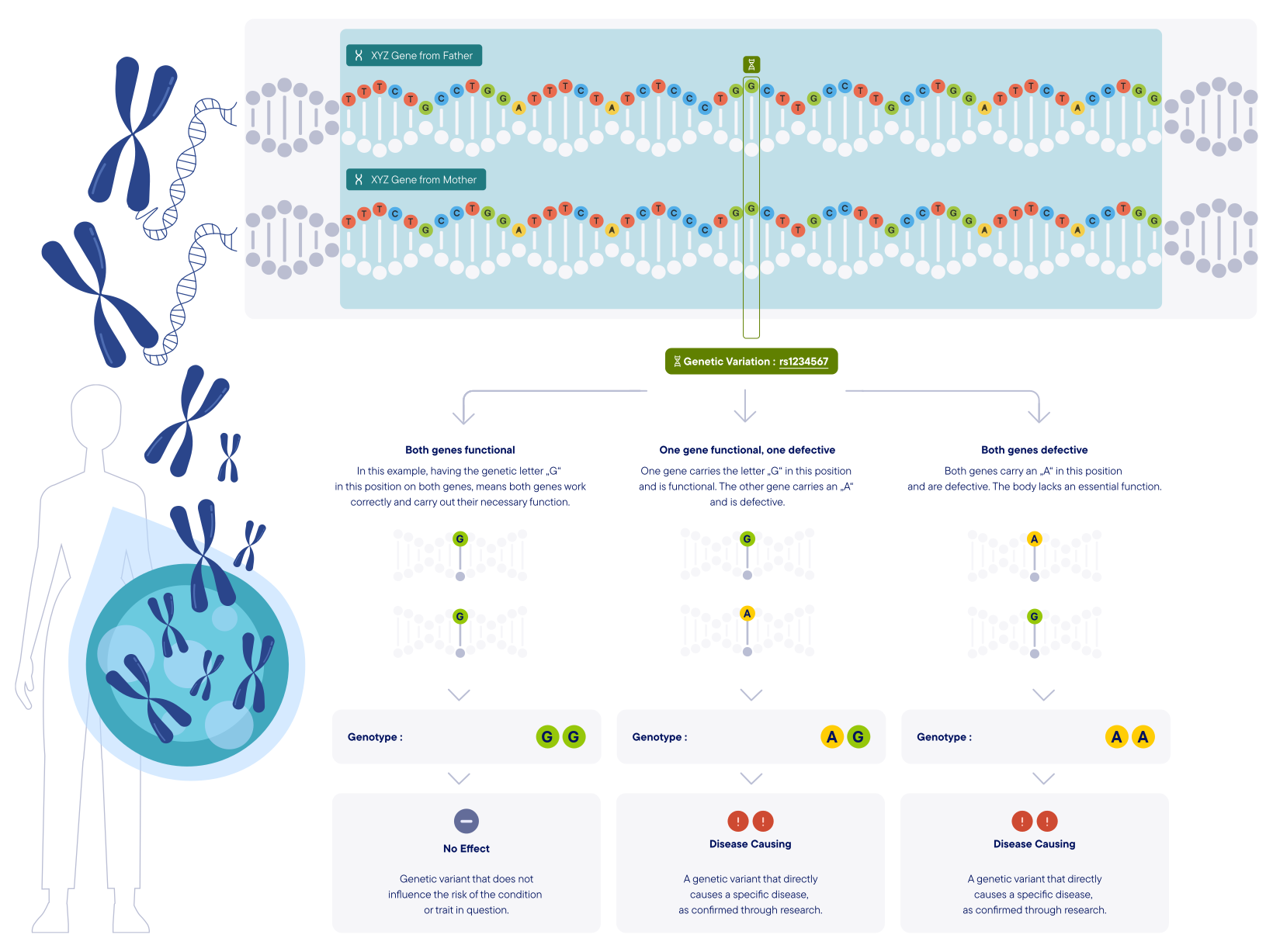
Humans have more than 20,000 genes, each carrying out one or a few specific functions in the body. One gene instructs the body to digest lactose from milk, another tells the body how to build strong bones and another prevents the body's cells from beginning to multiply uncontrollably and developing into cancer. As all of these genes combined are the building instructions for our body, a defect in one of these genes can have severe health consequences.
Through decades of genetic research, we know the genetic code of any healthy/functional human gene. We have also identified that in certain positions on a gene, some individuals may have a different genetic letter from the one you have. We call these hotspots "Genetic Variations" or "Variants" in short. In many cases, studies have been able to show that having the genetic letter "G" in the position makes you healthy, but having the letter "A" in the same position disrupts the gene function and causes a disease. Genopedia allows you to view these variants in genes and summarizes all that we know from scientific research, which genetic letters (Genotype) have good or bad consequences on your health or on your traits.
History
Throughout history, people have described itchy, blistering rashes that flared after handling certain dyes, explosives, or industrial chemicals. In the early 20th century, factory workers noticed their hands reddened and cracked after shifts, then cleared on holidays away from the plant. Later, patch testing revealed a key culprit behind many of these reactions: 1‑chloro‑2,4‑dinitrobenzene, often shortened to DNCB.
First described in the medical literature as a strong “sensitizer,” DNCB became a standard tool for studying the immune system’s skin responses. In research settings from the 1950s onward, doctors applied tiny, controlled amounts on the skin to measure delayed allergic reactions. These studies helped define what we now call allergic contact dermatitis—an immune memory response in the skin that switches “on” hours to days after contact. As medical science evolved, safer and less hazardous test agents largely replaced DNCB, but its role in shaping modern patch‑test methods is well documented.
Industrial use moved in parallel. DNCB appeared in manufacturing and laboratories because of its chemical properties, and with that came workplace rashes. Occupational physicians cataloged patterns: wrist and hand dermatitis where gloves failed, facial flares after airborne particles settled, and improvement with protective measures or job reassignment. Regulations, better ventilation, and stronger glove standards gradually reduced exposures, and with them, cases of 1‑chloro‑2,4‑dinitrobenzene allergic contact dermatitis.
From early theories to modern research, the story of 1‑chloro‑2,4‑dinitrobenzene allergic contact dermatitis traces how clinicians learned to separate irritant rashes from true allergy. Early symptoms of 1‑chloro‑2,4‑dinitrobenzene allergic contact dermatitis—itch, redness, and swelling at the contact site—were once lumped together with simple chemical burns. Careful timelines, repeat testing, and recognition of cross‑reactions helped show that even tiny amounts could set off an immune reaction in sensitized skin.
Today, DNCB is rarely used on patients, but its history remains relevant. It taught clinicians how the skin learns and remembers a chemical, why reactions may worsen with each exposure, and how to prevent flares through avoidance and protective gear. Knowing the condition’s history helps explain why modern patch testing is standardized, why safety data sheets matter at work, and why education about hidden exposures is a key part of care.