
Acute lung injury is a sudden inflammatory problem in the lungs that makes it hard to breathe. People with acute lung injury often have fast breathing, low oxygen levels, and need extra oxygen or a ventilator. It usually comes on over hours to days and can follow pneumonia, sepsis, major trauma, or pancreatitis. Treatment focuses on supportive care like oxygen, careful fluids, and treating the cause, and many recover but some have lasting fatigue or breathlessness. The outlook varies by age and illness severity, and mortality can be high in severe cases, but advances in ICU care mean people often manage well with treatment.
Overview
Acute lung injurySymptoms
Acute lung injury often starts suddenly with severe shortness of breath, rapid breathing, and low oxygen. You may notice cough, chest tightness, fatigue, or confusion; lips or fingertips can turn blue. Early symptoms of acute lung injury can escalate quickly.
Outlook and prognosis
Many people with acute lung injury improve over days to weeks with timely, supportive care, though recovery can be uneven. Some face complications like infections or blood clots during hospitalization. After discharge, lingering breathlessness or fatigue may persist, but rehabilitation often helps.
Causes and risk factors
Acute lung injury often follows severe infection (sepsis, pneumonia, COVID‑19), aspiration, major trauma, pancreatitis, transfusions, or inhalation of toxins. Risks rise with older age, smoking, heavy alcohol use, chronic lung disease, high‑risk surgery, shock, multiple transfusions, and certain genetic susceptibilities.
Genetic influences
Genetics plays a modest but meaningful role in acute lung injury risk and recovery. Variations in immune and inflammation-related genes can influence who develops severe lung damage and how the body responds. Environment and triggers, like infections or trauma, remain the primary drivers.
Diagnosis
Doctors diagnose acute lung injury using sudden breathing problems, low blood oxygen (arterial blood gas), and chest imaging showing opacities. The diagnosis of acute lung injury also involves ruling out heart failure and other causes with exams, labs, and echocardiography.
Treatment and drugs
Treatment for acute lung injury focuses on careful breathing support and protecting the lungs while they heal. This often includes oxygen or ventilator care with lung‑protective settings, fluids balanced to avoid overload, and medicines for pain, anxiety, and infection control. Proning, nutrition, and early mobility are added as you stabilize.
Symptoms
Breathing can suddenly feel hard, and simple tasks may leave you winded. Acute lung injury often develops over hours to days and can become severe quickly. You might notice small changes at first—faster breathing, needing to sit up to catch your breath—and then more obvious signs like bluish lips or confusion as oxygen drops. If you’re wondering about early symptoms of acute lung injury, watch for sudden shortness of breath, a persistent cough, and feeling unusually tired or anxious.
Feeling out of breath at rest or with small efforts. You may struggle to get a full breath or need to sit upright. This can worsen quickly.
Breathing becomes fast and shallow. Your chest may work harder, and speaking full sentences can be difficult. You might feel air hunger.
Lips, fingertips, or skin can turn blue or gray. This signals low oxygen in the blood. It is an urgent warning sign.
A cough may start or get worse. You might bring up foamy, sometimes pink-tinged mucus. The cough can be tiring.
How people usually first notice Acute lung injury?
Acute lung injury often comes on suddenly, so the first signs are usually rapid breathing, a feeling of “air hunger,” and a cough that may bring up frothy or pink-tinged sputum. Many people or their families notice severe shortness of breath that worsens over minutes to hours, sometimes after a trigger like pneumonia, sepsis, major trauma, or inhaling smoke or chemicals, along with bluish lips or fingertips and marked fatigue. In hospitals, doctors often first recognize it by a sharp drop in blood oxygen levels despite extra oxygen, crackling sounds in the lungs on exam, and new hazy areas on a chest X-ray; anyone with these warning signs needs urgent care.
Types of Acute lung injury
Acute lung injury can affect daily life quickly, from sudden shortness of breath climbing stairs to needing extra pillows at night to ease breathing. Clinicians often describe them in these categories: patterns seen on imaging, the trigger that set it off, how severe the oxygen problem is, and how fast it developed. Symptoms don’t always look the same for everyone. When people talk about types of acute lung injury, they often mean one of these kinds: how it started, how it looks in the lungs, or how severe it is at the bedside.
Direct lung injury
The lungs are hit directly, often from pneumonia, inhaling stomach contents, or severe chest trauma. Cough, chest discomfort, and fast breathing tend to be prominent early. Oxygen levels can drop quickly even while a chest infection is still being treated.
Indirect lung injury
The trigger starts elsewhere, like widespread infection in the blood (sepsis), severe pancreatitis, or major trauma with shock. People may feel overall unwell with fever, confusion, and then notice breathing becoming harder over hours to days. The lungs react with inflammation even though the initial problem began outside the chest.
Mild severity
Oxygen needs are higher than usual but may improve with low to moderate oxygen support or gentle breathing assistance. Walking or speaking full sentences can feel harder, especially with activity. Early symptoms of acute lung injury at this stage can be subtle at rest but noticeable with exertion.
Moderate severity
Breathing is labored at rest, and oxygen levels stay low without significant support. Many need continuous high‑flow oxygen or noninvasive ventilation. Fatigue and a feeling of “air hunger” are common.
Severe severity
Oxygen levels remain low despite high oxygen and strong support. People often require a breathing machine in the intensive care unit. Care teams may consider advanced options like prone positioning or specialized lung support.
Rapid-onset course
Symptoms escalate over hours to a day, often after a clear trigger like aspiration or severe infection. Shortness of breath, fast breathing, and low oxygen can appear suddenly. Loved ones may recognize certain types sooner than the person experiencing them.
Subacute-onset course
Breathing problems build over several days, sometimes after surgery or a milder infection. People may notice they tire easily, then develop a persistent cough and need more oxygen over time. This slower climb can delay seeking care.
Diffuse alveolar damage
Imaging shows widespread hazy areas and the lungs feel stiff, which makes breathing harder and oxygen transfer poor. In medical terms, these are called diffuse alveolar damage, which describe the classic tissue pattern seen in severe cases. This pattern often aligns with more intensive support needs.
Focal lung involvement
Changes appear more patchy or limited on imaging, sometimes tied to a localized pneumonia or lung bruise. Symptoms can still be significant but may respond faster when the local cause improves. Activity tolerance often tracks with how quickly the focal changes resolve.
Noncardiogenic edema
Fluid builds up in the air sacs from inflammation rather than heart failure. People feel breathless lying flat and may breathe faster to keep up with oxygen needs. Diuretics alone may not fully help unless the underlying trigger is treated.
What genetics can tell you about symptoms
Certain gene variants that regulate inflammation, like TNF or IL6, can heighten lung swelling and fluid leakage, making breathing harder during acute lung injury. Variants in surfactant genes (such as SFTPA1/2) may weaken alveoli, worsening oxygen drop and ventilator needs.
Causes and risk factors
Acute lung injury often follows severe infection like sepsis or pneumonia.
Some risks are modifiable (things you can change), others are non-modifiable (things you can’t).
Risk factors for acute lung injury include smoke or chemical inhalation, stomach contents going into the lungs, near drowning, and multiple blood transfusions.
Biological risks include older age, chronic lung or heart disease, severe pancreatitis, shock, and widespread inflammation.
Lifestyle and genetic factors can add to the risk, such as smoking, heavy alcohol use, and inherited differences that affect inflammation.
Environmental and biological risk factors
Breathing can suddenly become hard when the lungs get inflamed and leaky—this is known medically as acute lung injury. It usually follows another serious problem in the body or a harmful exposure, not something you “catch” on its own. Doctors often group risks into internal (biological) and external (environmental). Below are well-established factors linked to a higher chance of this condition.
Widespread infection in the blood (sepsis) can send powerful inflammatory signals. These signals make lung vessels leaky and fill the air spaces with fluid. This cascade can trigger acute lung injury.
Infection in the lungs can directly injure the delicate air sacs and their lining. The resulting inflammation can spread throughout both lungs and drop oxygen levels. Viral or bacterial infections can both lead to acute lung injury.
Sudden inflammation of the pancreas releases enzymes and inflammatory messengers into the bloodstream. These can damage the lung lining even though the problem starts in the abdomen. This indirect injury can escalate quickly.
Severe injuries, especially to the chest, can bruise the lungs and spark a strong inflammatory response. Multiple injuries or fractures raise the risk further. Blood loss and large fluid shifts can add stress to the lungs.
Genetic risk factors
Acute lung injury is not typically inherited, but your genes can shift your chances of developing it and how severe it becomes. Research continues to map genetic risk factors for acute lung injury and the pathways that drive inflammation, fluid leakage, and clotting in the lungs. Carrying certain risks doesn’t automatically lead to severe illness; many people with these variants never develop acute lung injury. At this time, routine genetic testing isn’t recommended for most people, and findings mainly guide research rather than day-to-day care.

Immune response genes: Variants in interleukin and TNF signaling can nudge susceptibility and shape cytokine levels. These differences may heighten lung inflammation and increase the severity of acute lung injury.
Barrier integrity genes: Genes that help seal the lung’s lining, such as MYLK, influence how leaky blood vessels become. Certain variants have been linked to more fluid entering the air sacs during acute lung injury.
Renin-angiotensin variants: ACE and related pathway differences can tilt the lungs toward inflammation and blood vessel constriction. Studies have reported associations with both risk and outcomes in acute lung injury.
Surfactant protein genes: Changes in surfactant genes (SFTPA, SFTPB, SFTPC) can alter the film that keeps air sacs open. Some variants are tied to vulnerability in newborns and adults, potentially worsening acute lung injury.
Innate immunity genes: Variants in MBL2 and other pattern-recognition genes affect how the lungs recognize and clear microbes. Lower-function forms may intensify inflammation during acute lung injury.
Clotting pathway genes: Differences in coagulation and fibrinolysis genes, including SERPINE1 (PAI-1), can promote tiny clots in lung vessels. These variants have been linked to worse oxygen levels and complications in acute lung injury.
Oxidative stress genes: Antioxidant pathway genes, such as NFE2L2, help the lungs handle reactive oxygen species. Certain variants may reduce resilience and raise the likelihood of severe acute lung injury.
Ancestry-linked variants: Some risk variants differ in frequency across genetic ancestries, shaping population patterns. Individual risk varies widely, so ancestry alone does not predict acute lung injury.
Rare single-gene disorders: Uncommon inherited lung or immune conditions can present with acute, severe lung inflammation. In these cases, a single gene change drives risk, but this is rare.
Family history rare: Acute lung injury typically does not run strongly in families. When several relatives are affected, shared genetics may contribute, yet clear inheritance patterns are uncommon.
Lifestyle risk factors
Acute lung injury is often triggered by infections, aspiration, or severe systemic illness, and certain daily habits can raise or lower that risk. This overview highlights lifestyle risk factors for Acute lung injury and how lifestyle affects Acute lung injury through inflammation, infection risk, and aspiration. Focusing on modifiable behaviors may reduce the chance of developing severe lung inflammation or improve outcomes if it occurs.
Chronic smoke exposure injures airway and alveolar lining, priming the lungs for exaggerated inflammation. It also increases pneumonia risk, a common precipitant of acute lung injury.
Aerosolized chemicals can disrupt surfactant and lung immunity, leading to chemical pneumonitis. E‑cigarette or vaping–associated lung injury can directly cause acute lung injury.
Alcohol impairs alveolar macrophages and the cough reflex, increasing aspiration and severe pneumonia. It is linked to higher incidence and worse outcomes of acute lung injury and ARDS.
These drugs blunt protective airway reflexes and breathing drive, raising aspiration and hypoventilation risks. Aspiration events and hypoxic injury can precipitate acute lung injury.
Risk prevention
Acute lung injury often follows severe infections, major injuries, or aspiration, so lowering those risks can make a real difference. Prevention is about lowering risk, not eliminating it completely. Day to day, this means staying up to date on vaccines, avoiding lung irritants, and seeking timely care for infections. Planning ahead for surgery or hospital stays can also reduce complications that lead to breathing failure.
Flu, COVID-19, and pneumococcal vaccines lower the risk of pneumonia that can trigger acute lung injury. Staying current with boosters reduces severe infections and hospitalizations.
Regular handwashing and using sanitizer reduce the spread of germs that cause serious lung infections. This lowers chances of pneumonia progressing to acute lung injury.
Seek care early for fever, cough with mucus, chest pain, or confusion. Prompt antibiotics or antivirals can prevent pneumonia or sepsis from worsening into acute lung injury.
If severe infections occur, watch for early symptoms of acute lung injury such as fast breathing, low oxygen, or sudden, intense shortness of breath. Go to urgent care or an emergency department without delay.

Transmission
Acute lung injury is not contagious and cannot be transferred from one person to another. It develops when the lungs react to a severe illness or injury—common triggers include serious pneumonia, a bloodstream infection (sepsis), major trauma, or breathing in smoke or stomach contents. Viruses or bacteria that lead to these triggers (like flu or COVID-19) can spread, but it’s the infection that is contagious, not acute lung injury itself. It isn’t inherited either, so there’s no genetic transmission or family “passing down” of how acute lung injury is transmitted.
When to test your genes
Acute lung injury is not usually genetic, so most people don’t need DNA testing for it. Consider genetic testing only if you have repeated severe lung problems without clear triggers, strong family history of unusual reactions to infections or anesthesia, or you’re enrolling in research-guided, personalized critical care. Discuss timing with your pulmonologist.
Diagnosis
Acute lung injury is identified quickly because breathing can worsen over hours to days after an infection, aspiration, trauma, or major surgery. Many people find reassurance in knowing what their tests can—and can’t—show. In practice, the diagnosis of Acute lung injury relies on low oxygen levels, typical changes on lung imaging, and ruling out fluid buildup from heart causes. Doctors put the pieces together from your story, exam, scans, and blood gases to guide urgent treatment.
Clinicians ask about recent pneumonia, sepsis, aspiration, trauma, transfusions, or smoke/chemical exposure. Timing of sudden shortness of breath and fevers helps narrow causes.
Doctors check breathing rate, oxygen level, and use a stethoscope to listen for crackles. They also look for leg swelling or neck vein fullness that could hint at heart-related fluid overload.
A finger sensor estimates oxygen saturation in real time. Persistent readings under about 92% suggest significant hypoxemia and the need for further testing.
A blood sample from an artery confirms low oxygen and measures carbon dioxide and acid–base balance. The PaO2/FiO2 ratio helps define severity, with values under 300 mmHg (about 40 kPa) indicating impaired oxygen transfer.
Stages of Acute lung injury
Breathing can suddenly become difficult, making climbing stairs or walking across a room feel exhausting. Acute lung injury can move through several phases as the lungs react and then try to heal. Early symptoms of acute lung injury may include rapid breathing, low oxygen levels, and chest discomfort. Different tests may be suggested to help confirm what's happening and guide care.
Early exudative phase
Fluid leaks into the air sacs, causing sudden shortness of breath and low blood oxygen. A chest X-ray or ultrasound may show new cloudy areas in the lungs. Oxygen or a breathing machine may be needed.
Repair proliferative phase
In the next days, inflammation eases and the lung lining starts to rebuild. Breathing can improve, but many still need oxygen and close monitoring. Doctors watch for infections, blood clots, or weakness.
Late fibrotic phase
Some people develop scarring that makes lungs stiffer and limits airflow. Oxygen needs may continue, and recovery can take weeks to months. Pulmonary rehabilitation and follow-up lung tests help track progress.
Outlook and prognosis
Many people ask, “What does this mean for my future?”, especially right after an ICU stay for acute lung injury. The first weeks are the most critical. Some people recover quickly once the cause is treated and oxygen levels stabilize, while others face a longer road with fatigue, breathlessness on stairs, and brain fog that makes reading a page or paying bills hard. Mortality depends on severity and the trigger; in the hospital, especially if acute lung injury progresses to ARDS and requires a ventilator, the risk of death can be significant, but it has improved with modern ICU care.
Looking at the long-term picture can be helpful. Survivors of acute lung injury often see the biggest gains in the first 3–6 months, with continued, slower improvements for a year or more. Lung function may return to near normal for many, yet a subset has lasting scar-like changes, exercise limits, or a cough that lingers. Early symptoms of acute lung injury—like fast breathing, low oxygen, and confusion—tend to resolve, but weakness and reduced stamina can outlast the hospital stay.
In medical terms, the long-term outlook is often shaped by both genetics and lifestyle. Age, other health conditions, smoking history, and how long a ventilator was needed all influence recovery, as do rehabilitation, nutrition, sleep, and mental health support. Many people find that symptoms ease with pulmonary rehab, paced activity, and gradual strength training, and they regain independence in daily routines. Talk with your doctor about what your personal outlook might look like.
Long-term effects
Acute lung injury can leave lasting footprints even after the lungs have healed enough to go home. Many people notice they tire easily, get winded on stairs, or need more time to get back to work or exercise. Long-term effects vary widely, but recovery often takes months and may involve both body and mind. Some remember the early symptoms of acute lung injury fading, while breathlessness, weakness, or anxiety linger longer.
Shortness of breath can persist, especially when walking uphill or climbing stairs. This often improves over months but may not fully return to pre-illness levels.
Some people have lower lung capacity or slower oxygen transfer after recovery. This can make fast-paced activity harder even when resting feels normal.
Patches of scarring may remain after severe inflammation. Scarring can tighten the lungs and cause ongoing cough or lower oxygen levels.
A subset need home oxygen for weeks to months during recovery. Most eventually wean off, though a few may need long-term support.
How is it to live with Acute lung injury?
Living with acute lung injury is often sudden and disorienting—one day you’re catching your breath after a cold or surgery, and the next you may need high-flow oxygen or a ventilator just to keep your blood oxygen up. In the hospital, simple tasks like speaking full sentences, eating, or sitting up can feel exhausting, and alarms, lines, and masks can make sleep and communication hard. For family and friends, it can be frightening to see someone rely on machines, and they may need to make quick decisions with the care team while juggling worry, work, and home life. Recovery, when it begins, can be slow; many people notice lingering shortness of breath, low stamina, or brain fog for weeks to months, and gentle pacing, pulmonary rehab, and patience—both from you and those around you—make a real difference.
Treatment and drugs
Acute lung injury is treated in the hospital, with care focused on helping you breathe, protecting the lungs while they heal, and addressing the trigger such as infection, trauma, or inflammation. Oxygen is given through a mask, high‑flow nasal cannula, or a ventilator if needed; when a ventilator is used, doctors use “lung‑protective” settings and often place people in a prone (face‑down) position to improve oxygen levels. Fluids and blood pressure are managed carefully, and medicines target the cause—for example, antibiotics for pneumonia—while pain and anxiety are treated to make breathing support more comfortable. Alongside medical treatment, lifestyle choices play a role after recovery, including pulmonary rehabilitation, vaccination, and follow‑up to monitor for scarring or weakness. Not every treatment works the same way for every person, so the care team adjusts the plan day by day to balance benefits and risks.
Non-drug treatment
In acute lung injury, care focuses on getting enough oxygen and protecting the lungs while they heal. Alongside medicines, non-drug therapies can steady breathing, limit strain on the lungs, and support the rest of the body. These treatments are tailored to how sick someone is and often take place in an intensive care unit. Plans also look ahead to recovery and rebuilding strength after discharge.
Oxygen through nasal tubing or a mask helps raise blood oxygen levels. High-flow oxygen can ease breathlessness and reduce the work of breathing. Staff adjust flow and fit to keep you comfortable.
A snug mask delivers pressurized air to keep airways open and improve oxygen levels. It can help some people avoid a breathing tube. The team monitors closely to be sure it’s helping and tolerated.
A breathing machine supports oxygen and carbon dioxide removal when lungs are too weak. Teams use gentle, lung-protective settings with smaller breaths to prevent further injury. Sedation is adjusted to keep you safe and calm.
Lying on the belly for many hours a day can open up the back parts of the lungs. This often improves oxygen levels and reduces ventilator strain. Nurses turn and pad the body to protect skin and lines.
Your genes may have an impact on how drugs work for you
Some people clear or activate certain lung medications faster or slower because of genetic differences in enzymes and transporters, which can change dose needs and side‑effect risks. Variants in inflammatory and coagulation genes may also influence response to steroids, anticoagulants, or supportive therapies.
Pharmacological treatments
Acute lung injury (ALI) is treated mainly with supportive care in the ICU, and medicines are used to address the cause, reduce inflammation, and help oxygen levels. Early symptoms of acute lung injury—like fast breathing and feeling winded—may be subtle, so treatment usually starts once monitoring shows the lungs are struggling. Not everyone responds to the same medication in the same way. No single drug cures ALI, but certain medicines can improve comfort, reduce complications, and buy time for the lungs to heal.
Dexamethasone or methylprednisolone may ease lung inflammation in selected cases, especially when inflammation is prominent. They are used short term and require close monitoring for high blood sugar, infection risk, and muscle weakness.
Furosemide helps remove excess fluid so the lungs can exchange oxygen more easily. It can lower blood pressure or affect kidney function, so doses are adjusted carefully.
Inhaled nitric oxide or inhaled epoprostenol can temporarily improve oxygen levels by directing blood flow to better-ventilated lung areas. Benefits are usually short-lived, and these are used as a bridge while other treatments work.
Broad-spectrum antibiotics such as piperacillin-tazobactam, ceftriaxone, or vancomycin are used when infection triggers ALI. Antivirals like oseltamivir may be added for confirmed influenza, with choices tailored to cultures and local resistance.
Genetic influences
In acute lung injury, your genes can influence who is more likely to develop it and how severe it becomes after a major trigger like a serious infection (sepsis), chest trauma, or stomach contents going into the lungs (aspiration). Genetics is only one piece of the puzzle, but they can shape how strongly the lungs react to inflammation, fluid leaks, and tiny blood clots. Differences in genes that guide immune responses, the seal of the lung’s lining, surfactant (the substance that keeps air sacs open), and clotting pathways may raise or lower risk and can affect recovery. These effects are complex and usually not inherited in a simple way, so having relatives with acute lung injury doesn’t necessarily mean you will develop it. Genetics doesn’t usually change what the early symptoms of acute lung injury feel like, but it may influence how quickly the condition progresses and how someone responds to treatments. There isn’t a routine genetic test to predict acute lung injury today, though knowing your family background alongside personal risk factors can help doctors tailor care.
Is Acute lung injury genetic?
Genetics plays a modest but meaningful role in acute lung injury risk and recovery. Variations in immune and inflammation-related genes can influence who develops severe lung damage and how the body responds. Environment and triggers, like infections or trauma, remain the primary drivers.
Pharmacogenetics—how genetics influence drug effects
In acute lung injury, treatment moves quickly, and genetics mostly affect how your body handles the medicines given during critical care rather than the breathing support itself. Genes can influence how quickly you clear certain sedatives, pain medicines, and blood thinners, which can change the dose you need and your risk of side effects. A rare inherited enzyme difference can make the rapid-acting muscle relaxant often used for intubation last much longer than expected, so teams may choose a different drug if this is known ahead of time. For medicines sometimes used around acute lung injury—such as warfarin after a blood clot or certain opioids—genetic tests can guide dosing, but results are often not available in the first hours, so doctors adjust treatment based on bedside response. If pharmacogenetic results are already in your record, the care team can use them to reduce side effects or pick alternatives; if not, close monitoring and careful dose changes are key. Overall, genetics can inform care, but most medication decisions in acute lung injury still rely on real-time response, other health conditions, and how well the liver and kidneys are working.
Interactions with other conditions
People with acute lung injury often develop it alongside another serious illness, most commonly sepsis, pneumonia, or severe pancreatitis. Doctors call it a “comorbidity” when two conditions occur together, and in acute lung injury this pairing can intensify inflammation throughout the body. Chronic lung diseases like COPD or asthma don’t cause acute lung injury by themselves, but they can limit breathing reserves and make recovery slower, especially if a flare happens at the same time. Heart failure and kidney failure can blur the picture, since fluid overload from either can worsen oxygen levels and make it harder to tell whether early symptoms of acute lung injury or another issue are driving the breathlessness. Viral infections such as influenza can trigger acute lung injury, and when combined with liver disease or diabetes, the risk of complications and infections tends to rise. Interactions can look very different from person to person, so care teams often coordinate closely to treat the lung injury while also stabilizing the illness that set it off.
How genes can cause diseases
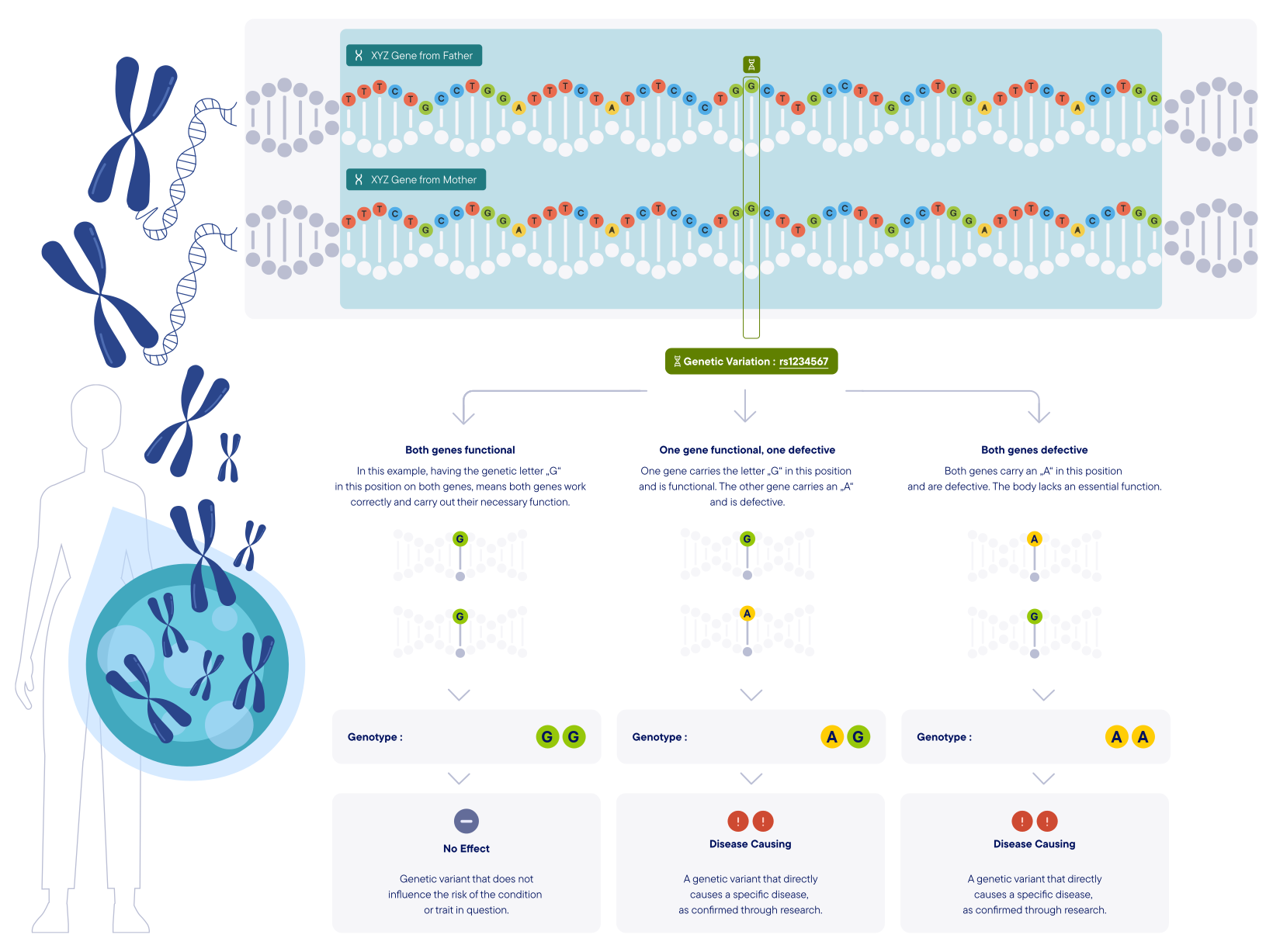
Humans have more than 20,000 genes, each carrying out one or a few specific functions in the body. One gene instructs the body to digest lactose from milk, another tells the body how to build strong bones and another prevents the body's cells from beginning to multiply uncontrollably and developing into cancer. As all of these genes combined are the building instructions for our body, a defect in one of these genes can have severe health consequences.
Through decades of genetic research, we know the genetic code of any healthy/functional human gene. We have also identified that in certain positions on a gene, some individuals may have a different genetic letter from the one you have. We call these hotspots "Genetic Variations" or "Variants" in short. In many cases, studies have been able to show that having the genetic letter "G" in the position makes you healthy, but having the letter "A" in the same position disrupts the gene function and causes a disease. Genopedia allows you to view these variants in genes and summarizes all that we know from scientific research, which genetic letters (Genotype) have good or bad consequences on your health or on your traits.
History
Throughout history, people have described sudden breathing crises that followed injuries, infections, or major surgeries—events we now recognize as part of acute lung injury. Caregivers once noticed that someone could seem stable after trauma or severe illness, then within a day or two become breathless, cough pink, frothy fluid, and need urgent help to breathe. Early bedside accounts focused on the dramatic turn, long before the lungs could be studied in detail.
First described in the medical literature as a distinct pattern in the mid-20th century, acute lung injury was linked to severe infections like pneumonia and sepsis, blood transfusions, pancreatitis, and major accidents. Doctors noticed that oxygen levels fell despite using more oxygen, and chest X-rays showed widespread hazy areas rather than a single patch of pneumonia. Initially understood only through symptoms, later research tied these changes to inflammation that made the tiny air sacs leaky, filling them with fluid that should not be there.
As medical science evolved, intensive care teams refined how they named and diagnosed acute lung injury. In the 1960s and 1970s, reports defined a severe form—acute respiratory distress syndrome—and a broader spectrum that included milder injury. Over time, descriptions became more precise, using measurements of blood oxygen and imaging to separate heart-related fluid buildup from true lung injury. This mattered, because treatments differ: removing extra fluid from heart failure is not the same as supporting injured lungs while they heal.
From early theories to modern research, the story of acute lung injury has been one of steady clarification. Ventilator strategies changed as studies showed that gentle, “lung-protective” settings could prevent further harm. Autopsy and biopsy work confirmed the pattern of diffuse damage to the air sacs. Later, ultrasound and CT scanning helped clinicians see the uneven, patchy nature of the injury, explaining why some areas of lung collapse while others still exchange air.
In recent decades, awareness has grown that acute lung injury can follow medical care itself, such as large-volume transfusions or high-pressure ventilation, and that careful prevention reduces risk. Global outbreaks of viral pneumonia, including influenza and COVID-19, highlighted how infections can trigger the same pathway of injury, bringing renewed focus to early symptoms of acute lung injury and rapid supportive care.
Understandings have changed, but one theme has endured: prompt recognition and supportive treatment save lives. Today’s definitions build on decades of bedside observation and clinical trials, giving teams a shared language to identify acute lung injury early, protect the lungs while they recover, and improve chances of returning to everyday life.