
Acute generalized exanthematous pustulosis is a sudden, severe skin reaction that usually happens after starting a new medicine. People with acute generalized exanthematous pustulosis develop many small, noninfectious pustules on red, tender skin and often have fever and feeling unwell. The eruption comes on quickly over hours to days and usually resolves within 1 to 2 weeks after the trigger is stopped. Most cases affect adults but it can occur at any age, and not everyone will have the same experience. Treatment focuses on stopping the causative drug, soothing skin with topical steroids and emollients, managing fever and pain, and monitoring in hospital if needed, and deaths are rare.
Overview
Acute generalized exanthematous pustulosisSymptoms
Early symptoms of acute generalized exanthematous pustulosis include sudden fever and a rapidly spreading, red, tender rash. Soon after, dozens to hundreds of tiny, noninfectious pustules appear, with intense itch or burning, often beginning in skin folds and armpits.
Outlook and prognosis
Most people with acute generalized exanthematous pustulosis improve quickly once the trigger medicine is stopped, with skin clearing over days to a couple of weeks. Fever and malaise settle as the rash fades. Rarely, complications like infection or organ stress need hospital care and close monitoring.
Causes and risk factors
Acute generalized exanthematous pustulosis often follows a new medication, especially antibiotics or antimalarials; infections and heavy-metal or contact exposures can also trigger it. Risk rises with prior drug rashes and in adults. Genetic or lifestyle risk factors aren’t well established.
Genetic influences
Genetics plays a modest role in acute generalized exanthematous pustulosis. Most cases are triggered by certain medicines, but variations in drug‑metabolizing or immune genes can raise risk. Notably, HLA-B*51 and HLA-B*57 have been linked to specific drug‑induced AGEP.
Diagnosis
The diagnosis of Acute generalized exanthematous pustulosis relies on linking a sudden pustular rash to recent medicines. Tests may include blood work and a skin biopsy, while excluding infections. Patch testing later can help pinpoint the culprit drug.
Treatment and drugs
Acute generalized exanthematous pustulosis is usually managed by stopping the trigger medicine, easing itch and inflammation, and watching closely. Many people improve quickly with topical steroids and antihistamines; severe flares may need short systemic steroids. Hospital care supports fever, fluids, and skin protection.
Symptoms
Sudden, tender rash with fever can upend your day; showers sting and sleeves rub the skin raw. In acute generalized exanthematous pustulosis (AGEP), a fast-spreading rash of tiny, pus-filled bumps often appears alongside feeling unwell. Symptoms vary from person to person and can change over time. The rash usually surges over 24 to 48 hours and may cover large areas before gradually settling.
Among the early symptoms of acute generalized exanthematous pustulosis is a sudden fever, often 38 to 40°C (100.4 to 104°F). Chills, sweating, and a washed-out feeling can come on quickly.
Dozens to hundreds of tiny, pus-filled bumps pop up on red, warm skin. In AGEP, they can be fragile and may join into larger patches.
Clusters often spread fast across the chest, back, and limbs within a day. This quick expansion can feel alarming but usually begins to slow after the peak.
Skin may burn, sting, or itch intensely. These sensations can disrupt sleep and make it hard to focus.
How people usually first notice Acute generalized exanthematous pustulosis?
Many people first notice acute generalized exanthematous pustulosis (AGEP) as a sudden rash of tiny, noninfectious pustules on red, swollen skin, often starting on the face or body folds and spreading quickly within hours to a day. This usually happens a day or two after starting a new medication—commonly certain antibiotics, antifungals, or calcium channel blockers—along with fever, burning or itching skin, and feeling unwell. Doctors often recognize AGEP by the rapid onset, recent drug exposure, and lab tests showing elevated white blood cells, which together point to the first signs of AGEP and guide urgent evaluation and stopping the likely trigger.
Types of Acute generalized exanthematous pustulosis
Acute generalized exanthematous pustulosis (AGEP) has a few well-recognized clinical variants, most defined by what triggers the reaction and how the rash behaves over time. People may notice different sets of symptoms depending on their situation. Most cases are drug-induced and short-lived, but some are caused by infections or chemicals, and a rare form can recur. Knowing the types of AGEP can help you and your care team understand how symptoms may differ and what to avoid going forward.
Drug-induced AGEP
This is the most common type and often follows new antibiotics, antifungals, or calcium channel blockers by a few days. It typically brings sudden fever, small non-infectious pustules on red skin, and quick recovery after stopping the drug. Early symptoms of AGEP can include burning skin and tenderness before the pustules appear.
Infection-triggered AGEP
Viral or bacterial infections can occasionally trigger a similar pustular rash when no new medicine is involved. Fever and malaise may come first, with pustules spreading quickly then peeling as the episode resolves. Treatment focuses on managing the infection and soothing the skin.
Contact-related AGEP
Rarely, strong contact allergens or chemicals spark a generalized pustular eruption that looks like AGEP. The rash may start where the skin touched the substance, then rapidly become widespread. Avoiding the trigger helps prevent repeat episodes.
Recurrent AGEP
A small subset experience repeated, self-limited flares separated by symptom-free periods. Episodes often resemble the first event and may be tied to re-exposure to the same trigger. Keeping a detailed list of suspected triggers can reduce future recurrences.
Severe/systemic AGEP
In uncommon cases, the eruption is accompanied by dehydration, low calcium, swollen lymph nodes, or mild liver or kidney test changes. Hospital care may be needed for fluids, pain control, and monitoring. Most improve quickly once the trigger is removed.
What genetics can tell you about symptoms
Certain HLA gene variants, especially HLA-B*13:01 and HLA-B*51, raise the risk of sudden drug-triggered AGEP, leading to rapid fever, facial swelling, and sheets of tiny sterile pustules on red, tender skin. Variants in IL36RN can intensify inflammation, causing more widespread rash and longer flares.
Causes and risk factors
Common drug triggers of acute generalized exanthematous pustulosis include new antibiotics, antifungals, and some heart or blood pressure medicines. Infections and rare exposures like mercury in creams or remedies can also trigger it. Doctors distinguish between risk factors you can change and those you can’t. Risk rises with starting or changing a drug, using several medicines at once, or having had a past drug rash. Genes may shape how the immune system reacts, and using supplements or herbal products can add to risk.
Environmental and biological risk factors
Acute generalized exanthematous pustulosis often appears suddenly, usually after an exposure your body reacts to. Doctors often group risks into internal (biological) and external (environmental). Knowing these can help you and your care team act quickly if early symptoms of Acute generalized exanthematous pustulosis show up. Below are key environmental and biological factors linked to this condition.
Starting a new prescription or over-the-counter medicine is the most common setup for acute generalized exanthematous pustulosis. The rash typically appears within a few days of the first doses. Timing can be faster if your immune system has seen a similar drug before.
Certain antibiotics are frequent triggers of Acute generalized exanthematous pustulosis. These include commonly used types for chest, ear, or skin infections. Not everyone reacts, but the condition often follows soon after the antibiotic is begun.
Antifungals, antimalarials, and some heart medicines have been linked to this condition. Reactions can occur even when the dose is standard and treatment is brief.
A recent viral or bacterial infection can prime the immune system and contribute to Acute generalized exanthematous pustulosis when a medicine is added. In some cases, infection alone has been reported to trigger a similar pustular eruption. Doctors may ask about fevers, sore throat, cough, or stomach upset in the prior 1–2 weeks.
Genetic risk factors
Genetic influences may make some people more prone to acute generalized exanthematous pustulosis (AGEP), even though most cases arise unpredictably. Some risk factors are inherited through our genes. Current evidence points to rare changes in IL36RN and related inflammation genes as genetic risk factors for acute generalized exanthematous pustulosis in a minority of people. No single genetic test can confirm or rule out AGEP, and findings vary across studies.

IL36RN variants: Rare changes in the IL36RN gene are found in a subset of people with acute generalized exanthematous pustulosis. These variants can weaken a signal that helps calm skin inflammation, which may intensify or prolong flares. They increase susceptibility but do not reliably predict who will get AGEP.
IL-36 pathway genes: Changes in other genes that work with IL36RN in the same inflammation pathway are under study in AGEP. Small studies report occasional findings, but results are inconsistent across populations. At this time they are not used for routine screening.
HLA markers: Unlike some other severe skin reactions, no consistent HLA risk type has been confirmed for acute generalized exanthematous pustulosis. Early studies suggest possible links, but no marker reliably guides testing or prevention.
Polygenic background: Many small-effect genes that shape immune responses likely contribute to overall susceptibility to AGEP. This helps explain why people with seemingly similar histories can have very different reactions. No single variant explains most cases.
Family clustering rare: AGEP seldom occurs in multiple relatives, which argues against a strong single-gene cause. When family cases are described, shared variants may influence severity rather than determine whether AGEP occurs.
Lifestyle risk factors
Acute generalized exanthematous pustulosis (AGEP) is most often triggered by medications, so lifestyle behaviors that shape medication exposure and interactions matter. The lifestyle risk factors for Acute generalized exanthematous pustulosis center on how you start, combine, and monitor drugs and supplements, as well as substance use that alters drug metabolism. Thoughtful habits around new prescriptions and over‑the‑counter products can lower the chance of a severe drug eruption.
Using antibiotics, antifungals, or pain relievers without guidance increases exposure to common AGEP triggers. Taking leftover or online-sourced medications raises the chance of an unpredictable pustular reaction.
Taking multiple medications at the same time increases the likelihood that one will trigger AGEP. Drug–drug interactions can elevate levels of culprit drugs and intensify immune reactions.
Botanicals and traditional remedies can interact with antibiotics, antifungals, or other AGEP-associated drugs. Undeclared ingredients or contamination add risk for severe pustular eruptions.
Alcohol changes liver enzyme activity and can raise or destabilize levels of AGEP‑linked medications. Heavy drinking when starting a new drug may heighten the chance and severity of a reaction.
Risk prevention
Acute generalized exanthematous pustulosis (AGEP) is usually triggered by a new medication, most often antibiotics or antifungals, and sometimes by an infection. Prevention focuses on avoiding known triggers and acting quickly if symptoms start. Prevention is about lowering risk, not eliminating it completely. Planning ahead with your care team helps reduce the chance of a repeat episode and makes it easier to respond fast if a rash appears.
Before starting a new drug, ask if safer alternatives exist, especially if you’ve had drug rashes before. Flag higher-risk medicines like certain antibiotics or antifungals and use them only when clearly needed.
If you’ve had AGEP, do not take the suspected drug again. Ask your doctor or pharmacist whether closely related medicines should be avoided too.
Make sure your allergy list clearly states the drug that caused AGEP and the date. Share this with every clinician and your pharmacist, and consider a medical alert card or bracelet.
After recovery, an allergist or dermatologist may use careful, clinic-based tests to help confirm the trigger. This guidance can steer future treatment choices and reduce the chance of re-exposure.

Transmission
Regarding how Acute generalized exanthematous pustulosis is transmitted, it does not spread between people; you can’t catch it from someone or pass it on through touch, air, or shared items. Most Acute generalized exanthematous pustulosis starts as a sudden allergic-type reaction to a medicine—often a new antibiotic—with the rash appearing within hours to a few days after the drug is started. Less often, it can be triggered by an infection or exposure to certain chemicals, but the condition itself is not an infection and isn’t transferable. If you’ve had AGEP from a specific medication, taking that drug again can trigger a quick return of the reaction, but there is no person-to-person transmission.
When to test your genes
Test your genes if you’ve had a sudden, severe pustular rash after starting a new medicine, especially antibiotics like beta‑lactams or macrolides—genetic variants can raise risk for drug‑triggered AGEP. Consider testing before re‑exposure to similar drugs to guide safer alternatives. Seek urgent care first; testing complements, not replaces, clinical evaluation.
Diagnosis
A sudden, painful rash with tiny pus-filled bumps can make daily routines—like showering or getting dressed—uncomfortable and worrying. In Acute generalized exanthematous pustulosis (AGEP), symptoms often appear quickly, usually within days of starting a new medication. Doctors usually begin by linking the timing of the rash to recent drugs and checking for warning signs that need urgent care. Understanding how Acute generalized exanthematous pustulosis is diagnosed helps guide safe treatment and prevent it from happening again.
Clinicians review all recent prescriptions, over-the-counter remedies, and herbal supplements. The timing of the drug exposure—often 1–5 days before the rash—can be a key clue. Stopping the likely trigger is part of both diagnosis and care.
Doctors look for sudden, widespread tiny pustules on reddened skin, often starting in skin folds and spreading rapidly. The face and neck may be involved, and fever is common. Mucous membranes are usually spared or only mildly affected.
A complete blood count may show a high white cell count, especially neutrophils, and sometimes mild eosinophilia. Basic chemistry panels check kidney and liver function, which can guide safety and rule out complications. Inflammatory markers can be elevated but are nonspecific.
Swabs or cultures from pustules help rule out bacterial or fungal infections. In AGEP, pustules are typically sterile, which supports a drug reaction rather than an infection.
Stages of Acute generalized exanthematous pustulosis
Acute generalized exanthematous pustulosis does not have defined progression stages. It’s an abrupt, short‑lived skin reaction—often triggered by a medicine—that comes on quickly and improves within days to a couple of weeks once the drug is stopped; early symptoms of acute generalized exanthematous pustulosis may include sudden fever, skin tenderness or burning, and crops of tiny pus‑filled bumps. Doctors usually start with a conversation about recent medicines, followed by a skin exam; they may add blood tests, swabs to rule out infection, or a small skin biopsy to confirm the diagnosis. Because AGEP can resemble an infection or other rashes, having a list of recent prescriptions, over‑the‑counter medicines, or herbal products ready can make the visit smoother.
Outlook and prognosis
For most people with acute generalized exanthematous pustulosis (AGEP), the rash and fever improve quickly once the triggering medicine is stopped. Many people find that symptoms start to settle within a few days, and the skin usually peels and heals over 1 to 2 weeks. In more severe cases—especially in older adults or those with other health conditions—recovery can take longer and may require a short hospital stay for fluids, temperature control, and skin care.
Prognosis refers to how a condition tends to change or stabilize over time. The long-term outlook for AGEP is generally excellent, and scarring is uncommon because the pustules are superficial. Serious complications like dehydration, secondary skin infection, or strain on the liver or kidneys are uncommon but possible in severe AGEP, which is why close monitoring early on is important. Death from AGEP is rare; when it has been reported, it almost always involves widespread disease alongside other medical problems. The risk of AGEP happening again is mainly tied to re-exposure to the same trigger drug, so careful documentation of the culprit medication greatly lowers the chance of recurrence.
Looking at the long-term picture can be helpful. Once the skin heals, most people return to normal activities without lasting effects, though the early symptoms of acute generalized exanthematous pustulosis can be alarming when they first appear. If you ever need a related medication in the future, an allergist or dermatologist can review the history and, in select cases, consider testing or safer alternatives. Talk with your doctor about what your personal outlook might look like, including how to prevent re-exposure and what to do if a similar rash starts again.
Long-term effects
For most people, the worst phase passes quickly once the trigger medicine is stopped, and skin gradually returns to normal. Long-term effects vary widely, and many have no lasting problems after acute generalized exanthematous pustulosis (AGEP) heals. While the early symptoms of acute generalized exanthematous pustulosis—fever and a sudden wave of pustules—settle within days, some after‑effects on skin, nails, or hair can linger for weeks to months. Serious long-term organ problems are uncommon, especially when AGEP is recognized and treated early.
Areas where pustules healed can look darker or lighter for a while. This post‑inflammation color change usually fades over weeks to months. It tends to be more noticeable in darker skin tones.
After the pustules calm down, thin sheets of skin may peel for 1–2 weeks. This shedding is part of healing and does not usually leave scars. Moisturizing can make the process more comfortable.
AGEP pustules sit very high in the skin and rarely cause permanent scars. Lasting marks more often come from temporary pigment changes. Most people regain their usual skin texture.
Some develop nail lifting or shedding a few weeks after AGEP. Nails generally regrow over several months. New nails may look ridged at first but strengthen with time.
How is it to live with Acute generalized exanthematous pustulosis?
Acute generalized exanthematous pustulosis (AGEP) usually comes on suddenly, often after starting a new medication, and for many it means a few intense days of fever, burning or itching skin, and sheets of tiny pustules that can feel sore and tight. Daily life narrows to basics—cool showers, loose clothing, rest, and careful medication changes—while clinicians monitor for dehydration, pain, and any lab abnormalities until the rash resolves. People around you may feel worried by how dramatic the skin looks, but AGEP is typically short‑lived with the right medical care, and clear communication helps loved ones understand that it’s uncomfortable and alarming to see, yet usually temporary.
Treatment and drugs
Acute generalized exanthematous pustulosis (AGEP) is usually triggered by a medicine, so the first and most important step is to stop the suspected drug promptly under medical guidance. In many people, the rash, fever, and discomfort start to settle within a few days after the trigger is removed, while doctors monitor for complications like fluid loss, secondary infection, or effects on the liver or kidneys. Supportive care can make a real difference in how you feel day to day, including cooling measures, moisturizers, pain and fever relievers like acetaminophen/paracetamol, and antihistamines to ease itch. Doctors often prescribe topical corticosteroids to calm the inflamed skin; in more extensive or severe AGEP, a short course of systemic corticosteroids or other anti‑inflammatory medicines may be used, and antibiotics are reserved only if there’s a proven bacterial infection. Hospital care may be needed if symptoms are widespread, you’re very unwell, or lab tests show organ strain, and your care team will document the culprit drug to avoid it in the future.
Non-drug treatment
Care for acute generalized exanthematous pustulosis (AGEP) centers on removing the trigger medicine and keeping skin comfortable while it heals. Acting quickly when early symptoms of acute generalized exanthematous pustulosis appear can shorten the course and reduce complications. Beyond prescriptions, supportive therapies can cool the skin, protect the skin barrier, and lower the risk of infection. Your care team may recommend home strategies or short hospital support depending on severity.
Stop the suspected drug as soon as your clinician confirms it. List it as an allergy in your records to prevent re-exposure. A medical ID bracelet can add an extra layer of safety.
Apply cool, damp compresses for 10–15 minutes several times a day. This can soothe burning and itch. It may also calm redness in acute generalized exanthematous pustulosis.
After moisturizing, place damp then dry layers of cotton over the skin to lock in hydration. This can reduce itch and protect open areas. Ask a clinician to show the technique before doing it at home.
Use fragrance-free cleansers and thick, plain moisturizers several times daily. This supports the skin barrier as pustules dry and peel. Avoid scrubs, alcohol-based products, and hot water.
Your genes may have an impact on how drugs work for you
Your genes can affect how quickly your body processes certain antibiotics and other medicines used in acute generalized exanthematous pustulosis, changing drug levels and side‑effect risk. Some genetic variants also raise the chance of severe drug reactions, so clinicians may adjust choices or dosing.
Pharmacological treatments
Most people with acute generalized exanthematous pustulosis (AGEP) improve once the trigger drug is stopped, and medicines mainly help with itch, pain, and inflammation while the skin calms down. Drugs that target symptoms directly are called symptomatic treatments. If early symptoms of acute generalized exanthematous pustulosis include fever and tender, red skin with small pustules, short-term medicines can make the days more comfortable as healing begins. Severe cases may need stronger, doctor-directed therapies for a brief period.
High-potency options like clobetasol propionate 0.05% or betamethasone dipropionate ease redness, swelling, and itch. Apply a thin layer once or twice daily for several days, then taper as the rash settles.
For widespread inflammation or fever with AGEP, a short course of oral prednisone may be used to quickly calm symptoms. In severe cases, a brief hospital-based dose of IV methylprednisolone may be considered.
Cetirizine or fexofenadine help daytime itch without drowsiness, while hydroxyzine at night can aid sleep. These are typically used short term in AGEP until the eruption resolves.
Acetaminophen (paracetamol) reduces fever and soreness without using common AGEP trigger drug classes. Follow label dosing, and ask your clinician before taking ibuprofen or other NSAIDs.
Genetic influences
Most cases of acute generalized exanthematous pustulosis (AGEP) are triggered by a medication, not inherited from a parent. Genetics is only one piece of the puzzle, but it may help explain why some people react while others taking the same drug do not. Small studies have found rare changes in genes that help control skin inflammation in some people with AGEP, and certain immune system markers may increase the chance of a reaction with specific drugs. These findings point to genetic risk factors for acute generalized exanthematous pustulosis, but no single gene causes it, and it usually does not “run in the family.” Because genes account for only part of the risk, routine genetic testing isn’t recommended; still, letting your care team know about any family history of severe drug reactions or pustular skin problems can guide safer prescribing. If a medicine is suspected, avoiding that drug in the future remains the most important prevention step, regardless of genetics.
Is Acute generalized exanthematous pustulosis genetic?
Genetics plays a modest role in acute generalized exanthematous pustulosis. Most cases are triggered by certain medicines, but variations in drug‑metabolizing or immune genes can raise risk. Notably, HLA-B*51 and HLA-B*57 have been linked to specific drug‑induced AGEP.
Pharmacogenetics—how genetics influence drug effects
If acute generalized exanthematous pustulosis (AGEP) appears after a medicine, the key treatment is stopping the culprit and steering clear of it going forward. It’s natural to ask, “Why do I react differently to a drug than my friend or family member?” Research suggests that inherited differences in the immune system may make some people more susceptible to this kind of drug rash, but there isn’t a routine genetic test that can predict AGEP before you take a medicine.
Scientists are studying genetic risk factors for acute generalized exanthematous pustulosis and potential drug–gene interactions, yet these findings are still early and not used to guide prescribing in most clinics. For medicines sometimes used during recovery, such as corticosteroids or cyclosporine, genetic differences may influence how quickly you clear the drug, but doctors typically fine-tune dosing by checking symptoms, blood pressure, and lab tests rather than ordering pharmacogenetic testing. Genes play a role, but the specific drug, dose, other illnesses, and timing all contribute to whether AGEP develops or comes back.
Interactions with other conditions
Acute generalized exanthematous pustulosis (AGEP) often appears while someone is being treated for another illness, because medicines—especially certain antibiotics, antifungals, and drugs used for heart or immune conditions—are common triggers. When an infection is present, fever and feeling unwell can be blamed on the bug, so early symptoms of Acute generalized exanthematous pustulosis may be missed until the sudden, small pustule-filled rash shows up. Fragile, widespread pustules can raise the chance of secondary skin infection, especially for people with diabetes or those on immune‑suppressing treatments, so teams usually monitor closely. Some living with psoriasis may have look‑alike flares; AGEP can resemble pustular psoriasis, and in some families the two can run together, which can change how doctors approach treatment. Liver or kidney disease can make reactions more intense because the body clears medicines more slowly, and blood tests during AGEP may show temporary strain on these organs. Ask if any medications for one condition might interfere with treatment for another. Close coordination between dermatology, primary care, and the team treating any infection helps identify the trigger quickly, stop the right drug, and manage symptoms safely.
How genes can cause diseases
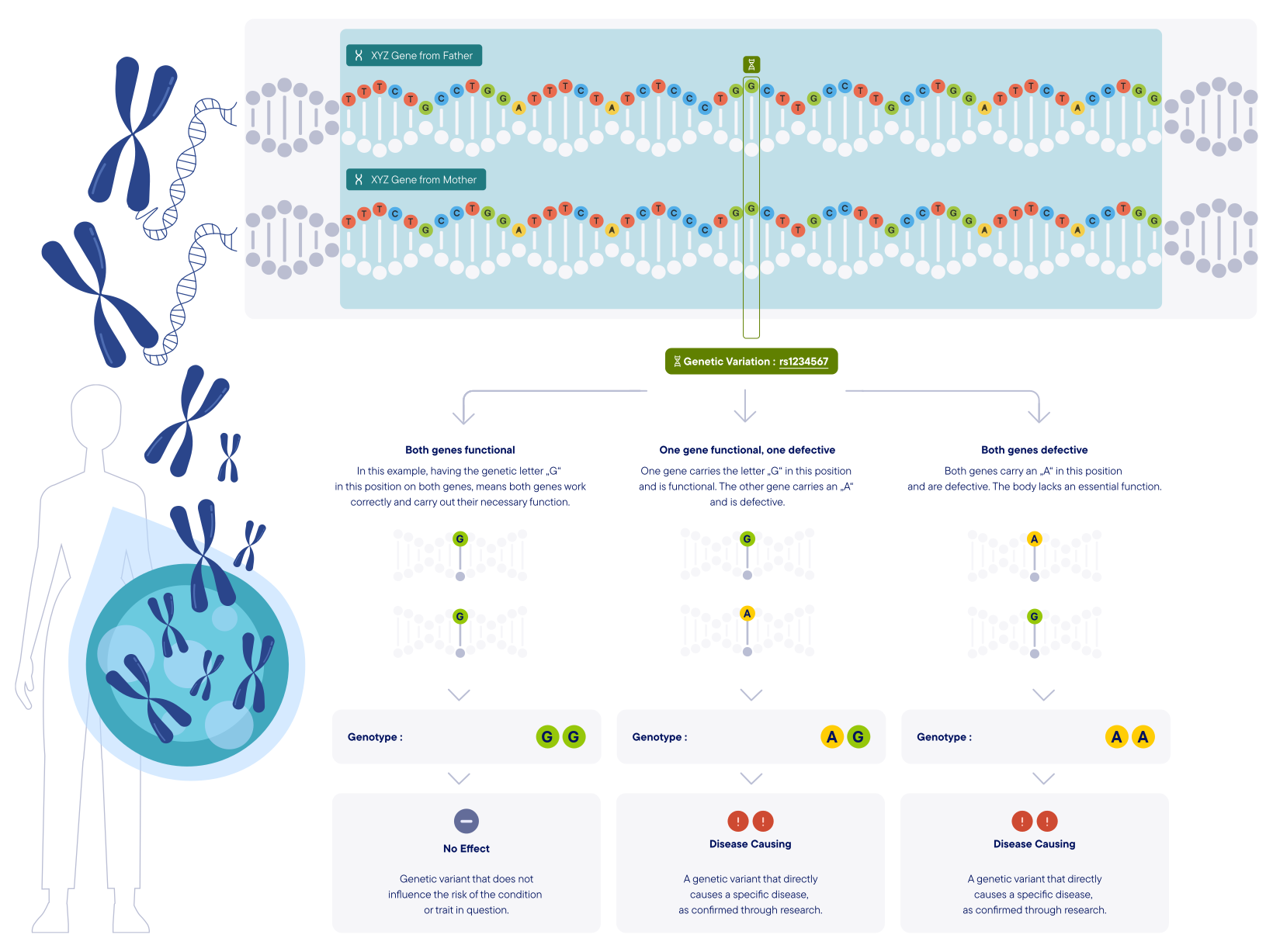
Humans have more than 20,000 genes, each carrying out one or a few specific functions in the body. One gene instructs the body to digest lactose from milk, another tells the body how to build strong bones and another prevents the body's cells from beginning to multiply uncontrollably and developing into cancer. As all of these genes combined are the building instructions for our body, a defect in one of these genes can have severe health consequences.
Through decades of genetic research, we know the genetic code of any healthy/functional human gene. We have also identified that in certain positions on a gene, some individuals may have a different genetic letter from the one you have. We call these hotspots "Genetic Variations" or "Variants" in short. In many cases, studies have been able to show that having the genetic letter "G" in the position makes you healthy, but having the letter "A" in the same position disrupts the gene function and causes a disease. Genopedia allows you to view these variants in genes and summarizes all that we know from scientific research, which genetic letters (Genotype) have good or bad consequences on your health or on your traits.
History
Throughout history, people have described sudden, blistering rashes that spread within days and made skin feel hot, tight, and tender. Families and communities once noticed patterns: a new remedy, a fever, then an abrupt wave of tiny pus-filled bumps across large areas of skin. Without modern tools, early clinicians recorded the timing and the dramatic look but couldn’t tell similar conditions apart.
First described in the medical literature as a distinct, explosive pustular eruption linked to medicines, acute generalized exanthematous pustulosis (AGEP) slowly took shape as its own diagnosis. In the mid-20th century, dermatologists began noticing the same story repeating itself: a person started an antibiotic or another common drug, and within a day or two, dozens to hundreds of sterile pustules appeared on a red background, often with fever and high white blood cell counts. Initially understood only through symptoms, later skin biopsies and lab markers helped separate AGEP from severe psoriasis flares and other drug reactions that look similar on the surface.
Over time, descriptions became more precise. Researchers compared large groups of cases, confirming that AGEP usually starts quickly after a new medication and settles just as quickly once the trigger is stopped. Standard criteria were developed so doctors around the world could agree on the diagnosis using a combination of timing, rash pattern, biopsy features, and recovery course. As medical science evolved, reports also documented less common triggers, such as certain infections or contrast dyes, while keeping the core picture intact: a short, intense burst of pustules that resolves in days to weeks.
Advances in genetics added another layer. Scientists explored why some people develop AGEP to a drug most others tolerate. Studies pointed to the immune system’s T cells reacting strongly to the trigger, and to genetic differences in how certain white cells recognize drug-related signals. These insights supported what careful bedside observation had long suggested: AGEP is an exaggerated, but usually self-limited, immune response.
In recent decades, awareness has grown as national registries and international networks collected cases and refined guidance. Dermatology societies published consensus definitions, and pharmacovigilance systems began flagging medicines most often linked to AGEP. This shared language helped emergency, primary care, and dermatology teams move faster: identify the culprit, stop it, treat symptoms, and watch closely for rare complications like fluid loss or secondary infection.
Looking back helps explain why AGEP was once confused with other pustular conditions and why swift recognition matters today. The history of acute generalized exanthematous pustulosis—rooted in pattern-spotting, strengthened by pathology, and sharpened by immunology—now supports a practical approach: consider recent exposures, match the timeline, confirm when needed, and act promptly so the skin can recover.