
Acute dacryocystitis is a sudden infection of the tear sac at the inner corner of the eye. It often causes pain, redness, swelling, and tenderness, and you may notice tearing or pus. Acute dacryocystitis can affect children and adults, and early symptoms of acute dacryocystitis may follow a recent cold or blockage of the tear duct. Treatment usually includes oral or IV antibiotics, warm compresses, and pain relief, and doctors may drain an abscess if needed. Most people recover well, but complications are possible without treatment, so urgent care is advised.
Overview
Acute dacryocystitisSymptoms
Acute dacryocystitis causes sudden pain, redness, and a tender, warm swelling at the inner corner of the eye near the nose. Tears often overflow with thick discharge or crusting, and pressing the area may release pus. Fever can occur.
Outlook and prognosis
Most people with acute dacryocystitis improve quickly with prompt antibiotics and, when needed, a short procedure to drain the tear sac. Pain and swelling usually settle within days, with full recovery over 1–2 weeks. Early care lowers risks of recurrence.
Causes and risk factors
Acute dacryocystitis usually stems from a blocked tear duct that traps bacteria in the tear sac. Risks include prior tear-duct narrowing, nasal or sinus disease or injury, older age, female sex, diabetes, immune suppression, and congenital tear-duct blockage in infants.
Genetic influences
Genetics play a minor role in acute dacryocystitis, which is usually triggered by a blocked tear duct from infection or anatomy. Rarely, inherited facial or nasal structure can increase risk. No specific genetic testing is recommended for this condition.
Diagnosis
Doctors diagnose acute dacryocystitis mainly by exam: tender redness and swelling at the inner eyelid corner, often with pus expressed from the tear duct. They may culture discharge and check temperature. Imaging (ultrasound/CT) is reserved for complications or atypical cases.
Treatment and drugs
Acute dacryocystitis is managed promptly to clear infection and ease pain. Doctors usually prescribe oral antibiotics, warm compresses, and gentle massage; severe cases may need IV antibiotics or drainage. After recovery, a minor procedure can open the blocked tear duct to prevent repeats.
Symptoms
Sudden soreness and swelling at the inner corner of one eye can make glasses rub and blinking sting. Early on, this might look like early symptoms of acute dacryocystitis, such as mild watering and a small, tender bump beside the nose. As it flares, the skin turns red and warm, thick discharge can appear, and the eyelids may crust on waking. If you notice fever, spreading redness, or new vision changes, seek urgent care.
A puffy, tender lump forms at the inner corner of the eye beside the nose. The skin may feel warm and tight. This swelling is a hallmark of acute dacryocystitis.
The area hurts to touch and can throb at rest. Washing your face or blinking can feel sharp or achy. Pain often increases if gentle pressure is applied.
The skin over the tear sac turns red. It often feels warmer than the surrounding skin. Redness can expand if the infection spreads.
Tears overflow and run down the cheek. The eye can feel watery even when you’re not crying. Vision may blur briefly from the extra moisture.
How people usually first notice Acute dacryocystitis?
Acute dacryocystitis often shows up suddenly as pain, redness, and swelling near the inner corner of one eye, where the eyelid meets the nose; the area can feel warm and tender, and tears may overflow because drainage is blocked. Many notice it when blinking or touching the spot hurts, vision stays mostly clear, and there may be a small lump or pus that can drain if pressed. Fever can occur, especially in children, and the rapid onset of these symptoms is usually the first sign of acute dacryocystitis.
Types of Acute dacryocystitis
Acute dacryocystitis is an infection of the tear sac that usually appears quickly with pain, swelling, and pus at the inner corner of the eye. Daily life often makes the differences between symptom types clearer: some people mainly feel pain and tenderness, while others notice discharge or fever on top of local symptoms. Clinicians often describe them in these categories: localized eye symptoms, spread of infection to nearby tissues, and whole‑body symptoms. Not everyone will experience every type.
Local eye symptoms
Pain, redness, and swelling sit at the inner corner of the lower eyelid. Pressing gently over the area may cause pus to drain from the tear opening. Vision is usually fine but tearing is heavy.
Discharge and tearing
Thick yellow or green pus may appear at the inner corner or along the lashes. Tearing can be constant and worsens when you press near the tear sac. Glasses or contact use may feel uncomfortable.
Facial tissue spread
Swelling and warmth can extend onto the cheek or upper face around the nose. Skin may look tight and sore, and opening the eye wide can hurt. This raises concern for cellulitis and needs prompt care.
Systemic symptoms
Fever, chills, or feeling unwell can accompany the eye symptoms. These signs suggest the infection is more active. Seek urgent care if they appear with worsening pain or spreading redness.
Recurrence-prone pattern
Symptoms flare quickly and may repeat after they calm down. This often points to a blocked tear duct that hasn’t been fully fixed. Treating the blockage lowers the risk of future acute dacryocystitis episodes and explains the different types of acute dacryocystitis people describe.
What genetics can tell you about symptoms
Certain inherited facial bone shapes and narrow tear ducts can raise the chance of acute dacryocystitis, leading to sudden inner eye corner pain, swelling, and redness. In some families, variations affecting tear drainage cause recurrent infections with pus and fever.
Causes and risk factors
The usual cause is a blocked tear duct that lets bacteria build up in the tear sac. Acute dacryocystitis can follow colds, sinus swelling, facial injury, or nasal surgery, and it may flare with seasonal allergies. Risk is higher in older adults and in women, and it can affect infants with a closed tear duct from birth. Pregnancy, diabetes, and weak immunity add to the risk of acute dacryocystitis. Doctors distinguish between risk factors you can change and those you can’t.
Environmental and biological risk factors
Acute dacryocystitis is a sudden infection of the tear sac that usually starts when the tear duct is blocked and fluid can’t drain. Awareness of both biological and environmental influences helps you feel prepared. Knowing these risks can guide when to seek care, especially if early symptoms of acute dacryocystitis—like painful swelling near the inner corner of the eye—start to show. Below are common environmental and body-based factors to know.
When tears cannot drain, bacteria can pool in the tear sac. This trapped fluid is the main setup for acute dacryocystitis. Even brief blockage can tip the balance toward infection.
In infants, the valve at the end of the tear duct may not open at birth. This structural narrowness raises the chance of blockage and infection. Many children outgrow it during the first year.
With age, tissues around the tear drainage system can thicken or sag. This can gradually narrow the duct and slow tear flow. Sluggish drainage increases infection risk.
Adults who are female tend to have slightly narrower tear ducts. This anatomical difference raises the chance of blockage. It can contribute to higher rates seen in women.
Genetic risk factors
Genetic factors mainly involve the shape and development of the tear drainage system. When the tear duct is narrow or not fully formed from birth, tears stagnate and bacteria can overgrow, setting the stage for Acute dacryocystitis. Some risk factors are inherited through our genes. Understanding genetic risk factors for acute dacryocystitis can help explain why it recurs in some families.

Congenital duct blockage: A thin membrane at the duct’s lower end may not open at birth. This traps tears and increases the risk of Acute dacryocystitis in infants and toddlers. It can affect one or both sides.
Familial narrow ducts: Tear duct size and facial bone shape can be inherited within families. Narrow or twisted channels slow drainage and set up repeated tear sac infections. Carrying a genetic change doesn’t guarantee the condition will appear.
Down syndrome: People with Down syndrome often have narrower tear passages and midface differences. These anatomic traits raise the chance of Acute dacryocystitis across childhood and adulthood. Severity varies from mild tearing to frequent infections.
Craniofacial syndromes: Conditions that alter midface or nasal development, such as cleft lip/palate or craniosynostosis, can disrupt tear drainage paths. Blocked flow allows tears and bacteria to pool in the tear sac, leading to infection. Risk depends on the exact pattern of facial growth.
Missing tear ducts: Rare inherited syndromes can cause absent or underdeveloped tear ducts. Examples include disorders that also affect salivary glands or digits, which leave tears without a normal outlet. Stagnant tears increase the likelihood of tear sac infection.
Closed tear openings: Some people are born with closed or malformed openings at the eyelid edges, or with narrow channels behind them. This anatomical blockage is often genetic or part of a syndrome and causes lifelong tearing. The constant stasis can lead to infections in the lacrimal sac.
Lifestyle risk factors
Certain daily habits can raise or lower your chance of an acute infection in the tear drainage system. Understanding lifestyle risk factors for acute dacryocystitis can help you protect the eyelid margins and tear duct opening. The factors below focus on hygiene, behaviors, and routines that affect bacterial transfer, mucosal inflammation, and tear flow.
Frequent eye rubbing or touching transfers bacteria to the tear duct opening. Regular handwashing and avoiding eye rubbing reduce germ spread.
Heavy eyeliner or old mascara can block the punctum and harbor bacteria. Thorough nightly removal and timely product replacement lower risk.
Poor lens hygiene increases ocular surface contamination near the tear drainage pathway. Proper cleaning, case replacement, and avoiding overwear reduce infection risk.
Tobacco smoke inflames nasal and duct lining and weakens local defenses. This inflammation narrows drainage and makes infections more likely.
Risk prevention
Acute dacryocystitis is a sudden infection of the tear sac that usually happens when the tear drain gets blocked. Prevention focuses on keeping the eyelids and tear drain healthy and treating problems that raise the chance of blockage or infection. Prevention is about lowering risk, not eliminating it completely. Knowing early symptoms of acute dacryocystitis—tender swelling beside the nose, redness, or pus from the inner corner—can also help you act quickly.
Wash hands often and avoid rubbing your eyes. Germs on fingers can enter the tear drain and spark infection.
Gently clean the eyelid margins if you get crusting and use warm compresses. Reducing eyelid bacteria lowers spread to the tear sac.
Control allergies and congestion with the treatments your clinician recommends. Less swelling around the nose can help keep the tear drain open.
Seek early care for nasal or sinus infections. Nearby infection can spread to the tear sac.

Transmission
Acute dacryocystitis is not considered contagious. It usually develops when a blocked tear duct becomes infected by your own skin or nasal bacteria, rather than germs passed from someone else. While early symptoms of acute dacryocystitis like sudden pain and swelling near the inner corner of the eye can come on quickly, the infection doesn’t spread through casual contact, coughing, or being in the same room. That said, bacteria in the eye discharge can transfer with direct contact, so wash hands well, avoid touching or squeezing the area, and don’t share towels or eye makeup until it clears.
When to test your genes
Acute dacryocystitis is not genetic, so routine genetic testing isn’t useful for diagnosis or care. Consider testing only if there’s a strong family history of frequent infections, unusual immune problems, or syndromes affecting facial development. In those rare cases, genetics can guide broader care, but eye infection treatment remains clinical.
Diagnosis
Acute dacryocystitis often announces itself with sudden pain, swelling, and tearing near the inner corner of one eye, making daily tasks like reading or driving uncomfortable. Finding out the cause is the first step toward treatment. If you’re wondering how Acute dacryocystitis is diagnosed, doctors mainly rely on what they see and feel during the eye exam, then add a few targeted tests when needed. In urgent or severe cases, the focus is on confirming infection and spotting any spread to nearby tissues.
Doctors usually begin by asking about sudden pain, swelling, tearing, fever, and any recent colds or sinus symptoms. They also ask about prior tear-duct issues or eye infections.
The clinician looks for redness, warmth, and a tender lump over the tear sac at the inner corner of the eye. Eyelid involvement and skin changes are noted to gauge severity.
Gentle pressure over the swollen area may push pus out through the tear duct openings. This finding strongly supports the diagnosis of Acute dacryocystitis.
If pus is expressed, a swab can be sent for culture and sensitivity testing. Results help tailor antibiotic treatment, especially in severe or recurrent cases.
Stages of Acute dacryocystitis
Acute dacryocystitis does not have defined progression stages. It is an abrupt infection of the tear sac that tends to flare suddenly rather than moving through predictable phases, though episodes can recur in the same eye. Doctors usually start with a conversation about eye pain, redness, swelling near the inner corner, and discharge, followed by an exam; they may gently press on the area to see if pus appears. If needed, your doctor may use a dye test or imaging to confirm the diagnosis and to check tear drainage, and will look for early symptoms of acute dacryocystitis when planning treatment.
Outlook and prognosis
Pain, swelling, and tearing from acute dacryocystitis can be disruptive in the moment, especially when it flares quickly with redness at the inner corner of the eye. Early care can make a real difference, because prompt antibiotics and, when needed, drainage usually bring relief within a few days. Most people recover fully from an acute episode, and vision is typically not affected. Recurrence can happen if the tear duct remains narrowed or blocked; in those cases, symptoms may return weeks or months later, sometimes after a cold or sinus infection.
Prognosis refers to how a condition tends to change or stabilize over time. For acute dacryocystitis, the short‑term outlook is excellent with timely treatment, but the long‑term picture depends on whether the underlying blockage is fixed. If infections keep coming back, a tear‑duct procedure (often a day surgery) lowers the chance of future attacks. Serious complications like an abscess spreading to nearby tissues or, rarely, the bloodstream are uncommon when treatment starts early; they’re more likely if care is delayed or if someone has a weakened immune system.
Many people ask, “What does this mean for my future?”, and the answer is reassuring for most: once the blockage is addressed, repeat infections are unlikely and daily routines return to normal. Mortality from acute dacryocystitis is exceedingly rare in modern care settings, but urgent assessment is important if fever, worsening swelling, or changes in vision appear. If you’ve had early symptoms of acute dacryocystitis before—tenderness near the tear sac, pus at the inner corner, or sudden tearing—seeking care promptly helps prevent complications and shortens recovery. Talk with your doctor about what your personal outlook might look like, including whether a procedure to open the duct could reduce the risk of future episodes.
Long-term effects
Acute dacryocystitis often clears with prompt antibiotics and, when needed, drainage, and most people recover fully. Still, if a tear duct blockage remains, some experience ongoing tearing or repeat infections over months or years. Early symptoms of acute dacryocystitis—painful swelling by the inner corner of the eye, redness, discharge, and fever—usually settle within days, but a few longer-term issues can follow. Long-term effects vary widely, and doctors track for complications like chronic blockage or skin changes.
Some people have flare-ups in the same spot over time. These episodes may be milder or come and go, especially if the tear duct stays blocked. Repeats can cluster during cold or allergy seasons.
Ongoing watery eyes (epiphora) can persist if drainage remains narrow or blocked. This may blur vision briefly and cause skin irritation under the eye.
A persistent tear duct blockage (nasolacrimal duct obstruction) can become long-standing. This raises the chance of future infections and daily tearing.
Rarely, a small opening can form on the skin near the inner corner of the eye that drains tears or mucus. It may leak intermittently and leave crusting on the skin.
How is it to live with Acute dacryocystitis?
Acute dacryocystitis can make an ordinary day feel suddenly tender and taxing: the corner of the eye near the nose becomes painful, swollen, and tearful, and even small tasks like reading, screen time, or stepping into bright wind can sting. Many find they need to pause work or social plans for warm compresses, antibiotics, and sometimes a brief procedure to drain the infection, and sleep can be disrupted if pressure builds when lying down. People around you may notice redness and tearing; a little understanding—offering rides to appointments, covering childcare, or simply giving space to rest—can make recovery smoother. The good news is that with prompt treatment most episodes resolve quickly, and paying attention to symptoms early helps prevent complications and a longer downtime.
Treatment and drugs
Acute dacryocystitis is treated quickly to relieve pain, control infection, and prevent spread. Doctors typically start oral antibiotics that cover common skin and tear-duct bacteria; if there’s high fever, spreading redness, or severe swelling, hospital care with IV antibiotics may be needed. Warm compresses several times a day can ease tenderness, and pain relievers like acetaminophen or ibuprofen may help, but don’t press hard on the swollen area. If a pus pocket forms, an eye specialist may drain it, and once the infection settles, a minor procedure to open the blocked tear duct (such as dacryocystorhinostomy) is often recommended to prevent it from coming back. Ask your doctor about the best starting point for you.
Non-drug treatment
Warm compresses and gentle massage are often the first steps when early symptoms of acute dacryocystitis—tender swelling near the inner corner of the eye—appear. Alongside medicines, non-drug therapies can ease pain, reduce pressure, and support drainage while you arrange specialist care. Procedures like draining an abscess or, later, surgery to open the tear duct address the blockage that keeps infections coming back. Choices vary based on severity, age, and whether an abscess is present.
Apply a warm, clean compress over the inner corner of the eye for 10–15 minutes several times a day. Heat helps loosen thick discharge and encourages drainage from the tear sac. It can also reduce soreness.
Using clean hands, gently press and roll a fingertip downward along the side of the nose at the inner corner of the eye. This “milking” motion can help move trapped tears and pus toward the surface. Stop if pain sharply increases or the skin breaks.
Clean away crusts with a cotton pad dipped in warm water, wiping from the nose outward. Keeping the eyelids and lashes clean reduces irritation and may lower the risk of spreading infection to the other eye. Avoid rubbing.
Rest with your head raised on extra pillows, especially at night. Elevation can reduce throbbing and pressure around the tear sac. It may also limit overnight swelling.
Your genes may have an impact on how drugs work for you
Sometimes two people take the same antibiotic for acute dacryocystitis, yet one improves quickly while the other has side effects. Genetic differences in drug metabolism and immune pathways can alter how well medications work and what dose is safest.
Pharmacological treatments
Acute dacryocystitis is a painful infection of the tear sac that needs prompt antibiotics to prevent spread. First-line medications are those doctors usually try first, based on common bacteria that infect the tear system. Early symptoms of acute dacryocystitis like sudden tearing, redness, and tender swelling near the inner corner of the eye often prompt oral antibiotics, with IV treatment if fever or spreading redness appears. Eye drops may be added, and pain relievers can improve comfort while the infection clears.
Amoxicillin–clavulanate is commonly used; other options include cephalexin or dicloxacillin. If you’re allergic to penicillin, doxycycline or clindamycin may be considered depending on local resistance patterns.
Trimethoprim–sulfamethoxazole (TMP–SMX), doxycycline, or clindamycin may be chosen if MRSA is a concern or if you’re not improving on initial therapy. Your clinician will weigh local resistance trends and your health history.
For severe infection, fever, or spreading skin redness, hospital treatment with IV antibiotics such as ampicillin–sulbactam, cefazolin, or ceftriaxone may be used. Vancomycin may be added when MRSA risk is high or culture results suggest it.
Antibiotic eye drops like moxifloxacin or polymyxin B/trimethoprim, or ointment such as erythromycin, can be added to lower surface bacteria. These do not reach the tear sac well, so they are used alongside oral or IV antibiotics rather than alone.
Genetic influences
Acute dacryocystitis usually follows a blocked tear duct that lets germs build up; the infection itself isn’t inherited, but the tendency toward blockage can run in families. Some people are born with tear drainage pathways that are narrower or mature more slowly in infancy, which makes the duct easier to clog. This helps explain why babies with a congenital blocked tear duct—and some adults with naturally narrow tear passages—have a higher risk, and why relatives may recall similar problems. Genetics is only one piece of the puzzle, but age, prior nose or sinus issues, and injuries to the area also play a role. Certain genetic syndromes that affect facial growth can include tear duct blockage, which can set the stage for early symptoms of acute dacryocystitis like persistent tearing and swelling near the inner corner of the eye. Even with a family pattern, it doesn’t guarantee you’ll develop an infection; it simply increases the chance if the duct becomes blocked.
Is Acute dacryocystitis genetic?
Genetics play a minor role in acute dacryocystitis, which is usually triggered by a blocked tear duct from infection or anatomy. Rarely, inherited facial or nasal structure can increase risk. No specific genetic testing is recommended for this condition.
Pharmacogenetics—how genetics influence drug effects
While the infection itself isn’t inherited, genetics can still shape parts of your treatment for acute dacryocystitis. Some people break down pain relievers like codeine or tramadol more slowly or more quickly, which can change how well they work and the risk of side effects. For antibiotics, doctors mainly base the choice on the likely bacteria, exam findings, allergies, and local resistance, but genes can matter for safety—for example, people with G6PD deficiency may have red blood cell problems with some “sulfa” antibiotics.
If a procedure is needed, rare inherited risks related to anesthesia—such as malignant hyperthermia or an enzyme shortage that makes certain muscle relaxants last longer—can influence the plan. Alongside your medical history and current medicines, genetic testing can sometimes identify how your body handles certain pain medicines or anesthesia, but pharmacogenetic testing for antibiotic choices in acute dacryocystitis isn’t usually necessary. Tell your eye doctor or surgeon about any known genetic results, unusual drug reactions, or a family history of anesthesia problems so your care for acute dacryocystitis can be tailored safely.
Interactions with other conditions
Nasal allergies, colds, or chronic sinus infections can swell the tissues around the tear duct, making blockage and infection more likely and sometimes triggering a flare on the same side. Doctors call it a “comorbidity” when two conditions occur together. Diabetes and conditions that weaken the immune system often make acute dacryocystitis more severe and slower to heal, and raise the risk of nearby skin or eyelid infection spreading. Eye surface problems like blepharitis or “pink eye” can overlap, and early symptoms of acute dacryocystitis may be mistaken for conjunctivitis because both can cause redness, tearing, and soreness. In some cases, bacteria from nearby facial or dental infections can seed the tear sac, and if acute dacryocystitis isn’t treated promptly, the infection can extend to the eyelids (preseptal cellulitis) or, rarely, deeper tissues around the eye. If you live with chronic nasal or sinus disease and keep having tear-duct infections, an eye specialist and an ear, nose, and throat doctor can work together to reduce recurrences.
How genes can cause diseases
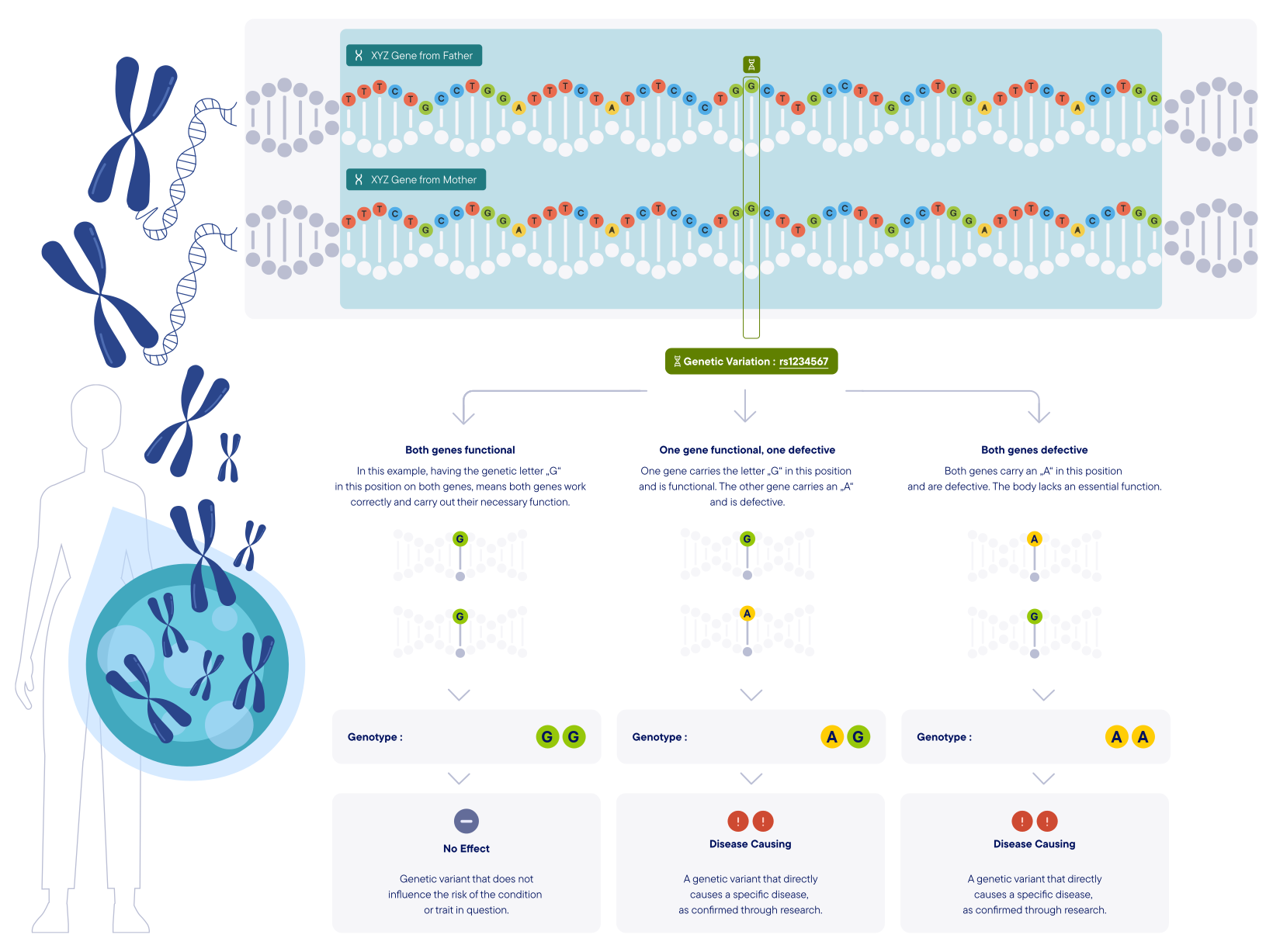
Humans have more than 20,000 genes, each carrying out one or a few specific functions in the body. One gene instructs the body to digest lactose from milk, another tells the body how to build strong bones and another prevents the body's cells from beginning to multiply uncontrollably and developing into cancer. As all of these genes combined are the building instructions for our body, a defect in one of these genes can have severe health consequences.
Through decades of genetic research, we know the genetic code of any healthy/functional human gene. We have also identified that in certain positions on a gene, some individuals may have a different genetic letter from the one you have. We call these hotspots "Genetic Variations" or "Variants" in short. In many cases, studies have been able to show that having the genetic letter "G" in the position makes you healthy, but having the letter "A" in the same position disrupts the gene function and causes a disease. Genopedia allows you to view these variants in genes and summarizes all that we know from scientific research, which genetic letters (Genotype) have good or bad consequences on your health or on your traits.
History
Families and neighbors once recognized the sudden, painful swelling near the inner corner of the eye that kept tears from draining and sometimes led to fever and pus. People with acute dacryocystitis often stayed indoors with a warm cloth held to the eye, hoping the tenderness would pass. Healers drained abscesses when they became obvious, and many learned that pressure in that small area could bring relief—or make things worse—without understanding the blocked tear duct underneath.
Throughout history, people have described swollen, red “tear sacs” that ached to the touch. Early surgeons in the Greco‑Roman and medieval eras wrote about lancing the area and using poultices. Over time, descriptions became more precise as physicians linked recurrent eye watering, crusting, and sharp pain to a blockage in the tear passage, not just a skin infection. In the 18th and 19th centuries, doctors began probing the tear duct and noting that when the passage reopened, the infection settled.
First described in the medical literature as inflammation of the “lachrymal sac,” acute dacryocystitis slowly shifted from a condition treated at the skin’s surface to one understood as a deep problem in tear drainage. With each decade, better tools—metal probes, then fine cannulas—made it possible to test whether the duct was open. Antisepsis and, later, antibiotics changed the outlook, turning a dangerous abscess into something that could be managed quickly and safely.
In the early 20th century, surgeons developed procedures to create a new pathway between the tear sac and the nose, a surgery known today as dacryocystorhinostomy. From these first observations, a clear pattern emerged: when tears could flow again, swelling and infection improved. This insight shaped modern care for acute dacryocystitis—treat the infection, then fix the blockage to prevent it from coming back.
In recent decades, knowledge has built on a long tradition of observation. Imaging showed exactly where blockages sit, and endoscopic techniques allowed smaller incisions and faster healing. Even so, the day‑to‑day story remains familiar: a sudden tender lump, tearing that runs down the cheek, and quick relief once the pressure is addressed.
Knowing the condition’s history helps explain today’s approach. What began as lancing a painful bump evolved into a careful, two‑step plan: calm the infection and restore drainage. That path—mapped by centuries of bedside notes and surgical refinements—guides how clinicians now recognize early symptoms of acute dacryocystitis and choose treatments that work.