
Acute closed-angle glaucoma is a sudden rise in eye pressure that can damage the optic nerve and threaten vision. Symptoms can include severe eye pain, headache, blurred vision with halos, eye redness, and nausea. Many people with acute closed-angle glaucoma need emergency treatment the same day. Treatment often includes eye pressure–lowering drops, medications, and a laser or surgical procedure. Quick care can prevent vision loss, but delays can lead to permanent damage and higher risk of blindness.
Overview
Acute closed-angle glaucomaSymptoms
Early symptoms of acute closed-angle glaucoma include sudden intense eye pain, headache, blurry vision, and rainbow halos around lights. The eye may look red, with nausea or vomiting from the pain. Light sensitivity can follow; seek urgent care.
Outlook and prognosis
Acute closed-angle glaucoma is an eye emergency; fast treatment often preserves vision, but delays can lead to lasting damage. Many do well after pressure-lowering drops, laser, or surgery, though some need ongoing care. Regular follow-up helps protect the other eye.
Causes and risk factors
Acute closed-angle glaucoma often follows sudden angle blockage during pupil dilation, especially in darkness or after dilating medicines. Risk is higher with older age, female sex, Asian/Inuit ancestry, farsightedness, cataract, family history, certain medications, and recent dilation or eye surgery.
Genetic influences
Genetics plays a meaningful role in acute closed-angle glaucoma, raising risk especially in certain families and ancestries. Specific gene variants can narrow the eye’s drainage angle or affect iris mechanics. Family history should prompt earlier, regular eye exams.
Diagnosis
Acute closed-angle glaucoma is diagnosed urgently with an in‑person eye exam. Doctors measure eye pressure (tonometry), inspect the front of the eye and the drainage angle (slit‑lamp, gonioscopy), and check the optic nerve. Diagnosis of acute closed-angle glaucoma is clinical.
Treatment and drugs
Treatment for acute closed-angle glaucoma focuses on quickly lowering eye pressure to protect vision. Doctors may use pressure‑reducing eye drops, oral or IV medicines, and a laser procedure to open fluid flow, often followed by a small laser opening (iridotomy) in both eyes. Urgent care is important—hours matter.
Symptoms
Acute closed-angle glaucoma often starts suddenly with severe eye pain, blurred vision, and a red eye, usually on one side. Early symptoms of acute closed-angle glaucoma can include halos around lights, headache, and nausea. Vision may dim, and lights may look hazy or surrounded by rings, especially in low light. Symptoms vary from person to person and can change over time.
A sudden, deep ache in or around one eye can appear, sometimes spreading to the brow or temple. It may intensify quickly over minutes to hours. In acute closed-angle glaucoma, this pain often feels pressure-like.
Vision can become foggy or dim, making reading or screens hard to manage. Some notice a sudden drop in clarity in one eye.
Lights may seem ringed with rainbow colors, especially at night or in dim rooms. This is common during an attack of acute closed-angle glaucoma. Driving after dark can feel unsafe.
The eye often looks red and feels sore or gritty. Tearing can increase, and the white of the eye can appear bloodshot.
How people usually first notice Acute closed-angle glaucoma?
Many people first notice acute closed-angle glaucoma when sudden, severe eye pain hits, often with a headache on the same side, nausea, or vomiting. Vision can blur quickly, with rainbow-colored halos around lights, and the eye may look red while the pupil seems slightly enlarged and not reacting well to light. Because these “first signs of acute closed-angle glaucoma” can lead to rapid, permanent vision loss, the condition is usually recognized as an eye emergency that needs same-day care.
Types of Acute closed-angle glaucoma
Acute closed-angle glaucoma has a few distinct clinical variants that influence how symptoms unfold and how urgent treatment needs to be. Some start suddenly with severe eye pain and blurred vision, while others smolder with intermittent pressure spikes and milder symptoms. Clinicians often describe them in these categories: this helps explain why one person might have an abrupt attack while another has brief, warning episodes. If you’re comparing types of acute closed-angle glaucoma, the differences usually relate to how quickly the drainage angle blocks and whether it happens in one dramatic event or over repeated bouts.
Acute primary attack
Symptoms hit quickly with severe eye pain, headache, halos around lights, and blurry vision. Nausea and vomiting are common, and the eye may look red with a mid-dilated pupil. Immediate treatment is critical to protect vision.
Intermittent angle closure
Brief episodes cause eye aching, halos in low light, or brow pain that ease when lights come on or after rest. Attacks may come and go before a full blockage develops. Early symptoms of acute closed-angle glaucoma can be subtle in this pattern.
Subacute angle closure
Symptoms are milder and more gradual, with recurring blurred vision and eye discomfort. People may notice sensitivity to dim rooms or evening hours when pupils widen. This variant can progress to a full acute attack if untreated.
Secondary angle closure
Another eye problem triggers the angle to close, such as lens swelling, inflammation, or medication effects. Symptoms resemble the primary attack but are driven by the underlying cause. Managing the trigger and lowering pressure both matter.
Plateau iris configuration
The iris shape crowds the drainage angle even after the front chamber is shallowly opened. People may have recurrent angle-closure symptoms despite a prior laser to the iris. Additional procedures targeting the iris configuration are often needed.
What genetics can tell you about symptoms
Some people with inherited changes in the MYOC or CYP1B1 genes develop eyes with crowded drainage angles, which can suddenly block fluid outflow and spike eye pressure. This can trigger acute symptoms like severe eye pain, headache, halos around lights, nausea, and rapid vision loss.
Causes and risk factors
An attack happens when the eye’s drainage channel suddenly gets blocked and eye pressure rises, so knowing the early symptoms of acute closed-angle glaucoma matters. Risk is higher with a naturally narrow drainage angle, older age, being female, and farsightedness. Family history and East Asian or Inuit ancestry also raise risk. Doctors distinguish between risk factors you can change and those you can’t. Triggers you can change include time in the dark, dilating eye drops, and some medicines such as decongestants or certain antidepressants.
Environmental and biological risk factors
Acute closed-angle glaucoma can come on suddenly, often in the evening or in a dark room, and it needs urgent care. Certain body features make the front of the eye crowded, and everyday surroundings can tip it into an attack. Awareness of both biological and environmental influences helps you feel prepared. Knowing the risk factors can help you act fast if early symptoms of acute closed-angle glaucoma appear.
When the eye’s drain is naturally narrow, fluid can’t leave easily. Pressure can spike quickly and trigger acute closed-angle glaucoma.
A shallow front chamber leaves little space between the iris and cornea. Even small changes can block the drain.
Farsighted eyes tend to be shorter from front to back. This crowding raises the chance of the angle closing.
With age, the lens thickens and pushes the iris forward. This narrows the angle and can set the stage for acute closed-angle glaucoma.
Genetic risk factors
Many cases of acute closed-angle glaucoma happen in eyes that are genetically predisposed to a crowded drainage angle. Some risk factors are inherited through our genes. Genetic risk factors for acute closed-angle glaucoma include family history, ancestry background, and eye-shape traits such as a shallow front chamber. For most, it’s a mix of many small DNA changes rather than a single cause.

Family history: Having a parent or sibling with angle-closure glaucoma increases your chance of an acute attack. The shared risk comes from inherited eye traits and common DNA variants. Early eye exams for relatives can catch narrow angles before symptoms.
Ancestry background: People with East Asian, Southeast Asian, or Inuit ancestry have higher genetic predisposition to angle closure. These patterns reflect inherited eye-shape traits and DNA changes found more often in these groups. Still, many with the same background never develop the condition.
Inherited eye shape: Farsighted eye shape, a shorter eye length, and a shallow front chamber tend to run in families. These features crowd the drainage angle and make sudden blockage more likely. Eye doctors can spot these features before any acute closed-angle glaucoma symptoms.
Common DNA variants: Small DNA changes near genes that shape front-of-eye tissues have been linked to primary angle closure in large studies (for example, near PLEKHA7 and COL11A1). Each change raises risk only a little, but several together can add up. Carrying a genetic change doesn’t guarantee the condition will appear.
Rare single-gene disorders: Rare conditions that make the eye unusually small (nanophthalmos or posterior microphthalmos) are often inherited and strongly predispose to angle closure. Changes in genes such as PRSS56 or MFRP can cause this eye size pattern. People with these rare diagnoses may face acute angle-closure episodes at a younger age.
Biologic sex: People assigned female at birth are more likely to have a crowded angle because their eyes are, on average, slightly shorter with shallower front chambers. This difference has a genetic and developmental basis. It raises the chance of acute closed-angle glaucoma compared with males.
Lifestyle risk factors
Certain habits can precipitate an acute attack in susceptible eyes. Below is an overview of lifestyle risk factors for acute closed-angle glaucoma, focusing on behaviors that can trigger pupil dilation or raise eye pressure. If you’ve been told you have narrow angles, consider how daily routines may influence your risk. An acute attack is an emergency requiring immediate care.
Over-the-counter decongestants, antihistamines, and motion-sickness remedies, as well as some antidepressants, can dilate the pupil and trigger an attack. Review labels and consult a clinician before using these if you’ve been told you have narrow angles.
Prolonged time in very dim settings, such as movie theaters or night driving, can cause mid-dilation that precipitates angle closure. Taking periodic breaks in brighter light may help reduce this trigger.
Large, rapid doses of caffeine can transiently raise eye pressure and may precipitate symptoms in susceptible eyes. Smaller amounts spaced through the day are less likely to provoke a spike.
Drinking a large volume of fluid quickly can acutely increase intraocular pressure. Sip fluids more slowly, especially later in the day.
Risk prevention
You can’t always prevent acute closed-angle glaucoma, but you can lower the chance of an attack and catch risks early. Prevention works best when combined with regular check-ups. If you’ve been told your angles are narrow, targeted steps can make a real difference. Acting quickly at the first warning signs also helps protect vision.
Schedule routine comprehensive eye visits, especially if you are over 40 or farsighted. These check-ups can spot narrow angles before they trigger an attack.
Ask your eye doctor to check the eye’s drainage angle with a special lens test. Finding narrow angles early allows for timely preventive treatment.
Laser peripheral iridotomy creates a tiny opening in the iris to improve fluid flow. For many with narrow angles, this reduces the risk of acute closed-angle glaucoma.
Before starting new medicines, ask if any can dilate the pupil or shift the lens forward. Decongestants, some antihistamines, motion-sickness drugs, and topiramate have been linked with angle-closure events.

Transmission
Acute closed-angle glaucoma is not contagious and cannot be transferred from one person to another. People often ask whether acute closed-angle glaucoma is contagious; it isn’t—an attack happens when the eye’s drainage angle suddenly blocks, causing a rapid rise in pressure inside the eye. You can’t catch acute closed-angle glaucoma through touch, the air, or shared items, and you can’t pass it to family like a cold. Still, certain eye features that increase risk can run in families, so a family history raises risk even though the condition itself isn’t directly inherited or “spread.” In someone at risk, pupil dilation in the dark or certain medicines may trigger an episode, but they don’t transmit the disease.
When to test your genes
Acute closed-angle glaucoma is not typically genetic testing territory, but consider testing if several close relatives developed angle-closure or glaucoma at young or similar ages. Genetic or polygenic testing can sometimes refine lifetime risk, while eye-structure exams (gonioscopy) remain the key “early warning.” If you’re unsure, ask an ophthalmologist or genetic counselor.
Diagnosis
Acute closed-angle glaucoma is usually picked up when sudden eye symptoms bring someone to urgent care or an eye clinic. People often report severe eye pain, headache, blurred vision with halos, and sometimes nausea. Getting a diagnosis is often a turning point toward answers and support. The diagnosis of acute closed-angle glaucoma is based on a focused eye exam that checks eye pressure and how the front of the eye drains fluid.
Your eye doctor asks when the pain, blurred vision, or halos started and what makes them better or worse. They also check for nausea or headache that can occur with a sudden pressure spike.
You read letters on an eye chart to measure how clearly you see. This helps confirm vision is reduced and tracks improvement after treatment.
A quick test called tonometry measures intraocular pressure. In acute attacks, the pressure is usually very high, which supports the diagnosis.
A microscope with a bright light lets the doctor look for a hazy cornea and a shallow front chamber of the eye. These findings are common when pressure rises quickly.
Stages of Acute closed-angle glaucoma
Acute closed-angle glaucoma does not have defined progression stages. It usually presents as a sudden, severe spike in eye pressure—an acute attack—rather than a slow, step-by-step progression. Doctors make the diagnosis based on urgent symptoms and an eye exam; early symptoms of acute closed-angle glaucoma can include intense eye pain, headache, halos around lights, blurred vision, nausea, and a red, firm-feeling eye. Different tests may be suggested to help confirm the diagnosis and guide urgent treatment, such as checking eye pressure, examining the front of the eye with a slit lamp, and looking at the drainage angle.
Outlook and prognosis
Looking ahead can feel daunting, but most people with acute closed-angle glaucoma do well when treatment is fast and follow-up is steady. Vision can drop suddenly during an attack—halos around lights, severe eye pain, headache, and nausea are common—and some people notice lingering glare or patchy blind spots afterward. The highest risk to sight is in the hours to days around the first episode; the sooner eye pressure is lowered, the better the chance of protecting the optic nerve. Doctors call this the prognosis—a medical word for likely outcomes.
Over the long term, many living with acute closed-angle glaucoma keep useful vision in both eyes, especially if the second eye is treated proactively to prevent a future attack. Some people experience only one episode, while others notice intermittent pressure spikes that need medication or laser treatment. In medical terms, the long-term outlook is often shaped by both genetics and lifestyle. Severe, permanent vision loss or blindness can occur if treatment is delayed, but after timely care the risk of losing the eye or life is very low.
Daily routines often adapt in small ways: keeping regular eye visits, using drops as prescribed, and watching for early symptoms of acute closed-angle glaucoma such as sudden eye pain or blurred vision in dim light. Understanding the prognosis can guide planning and help you and your eye specialist decide on preventive steps for the other eye. With ongoing care, many people maintain stable vision and continue driving, reading, and working without major limits. Talk with your doctor about what your personal outlook might look like.
Long-term effects
For many, day-to-day vision may feel different after an acute attack, especially in dim light or when switching between bright and dark settings. Acute closed-angle glaucoma can leave lasting changes if high eye pressure damaged the optic nerve during the episode. Long-term effects vary widely, depending on how quickly treatment eased the pressure and how much the nerve was affected. While early symptoms of acute closed-angle glaucoma may fade, some changes can persist or appear over time.
The sudden pressure spike can injure the optic nerve. Lasting damage may reduce clarity or create areas of missing vision. These changes are usually permanent.
Some people develop blind spots at the edges of their vision. This can make it harder to notice objects approaching from the side while walking or driving. The pattern can remain stable or slowly change over time.
Bright lights may feel harsh and halos can linger, especially at night. Switching from sunlight to a dim room can take longer for vision to adjust. These effects can make night driving uncomfortable.
After an acute attack, some develop ongoing high pressure known as chronic angle-closure glaucoma. This can slowly widen existing blind spots if not controlled. Doctors often monitor for these changes over years to see patterns.
How is it to live with Acute closed-angle glaucoma?
Living with acute closed-angle glaucoma often starts suddenly, with severe eye pain, headache, halos around lights, and blurred vision that can be frightening and disruptive to anything you’re doing. It’s a medical emergency, so daily life can pivot quickly to urgent care, treatment, and short-term recovery, with follow-up visits to monitor eye pressure and protect vision in both eyes. In the days after an attack, some people feel anxious about lighting, screen time, or nighttime driving until treatment stabilizes things, and loved ones may step in to help with transportation and practical tasks. With prompt treatment and clear guidance from the eye care team, most people regain confidence in routines while staying alert to symptoms and future prevention.
Treatment and drugs
Treatment for acute closed-angle glaucoma focuses on quickly lowering eye pressure to protect vision, then preventing it from happening again. Doctors often start with fast-acting eye drops and pills to reduce pressure, and may give an intravenous medicine if the pressure is very high or vision is at risk. A brief laser procedure called laser peripheral iridotomy usually follows as soon as the eye is safer, creating a tiny opening in the iris to restore fluid flow and prevent future attacks; this is often done in both eyes because the second eye is at risk. If laser isn’t possible or doesn’t fully work, surgery such as lens removal (especially if a cataract is present) or other drainage procedures may be recommended. Not every treatment works the same way for every person, so your eye specialist will choose and sequence treatments based on how your eye responds and any other health conditions you have.
Non-drug treatment
A sudden attack can bring severe eye pain, halos, and nausea, making screens and bright rooms hard to tolerate. Alongside medicines, non-drug therapies relieve the blockage and protect the optic nerve in Acute closed-angle glaucoma. These procedures are done urgently to stop damage and then prevent future attacks, including in the other eye. Knowing the early symptoms of acute closed-angle glaucoma and getting rapid laser or surgical care can preserve sight.
A laser makes a tiny opening in the colored part of the eye to let fluid bypass the blockage. This quickly relieves pressure and helps keep the angle open. It is usually done in a clinic and often on both eyes.
Gentle laser spots shrink and pull the iris away from the drain to widen the angle. This can be used when the cornea is too cloudy for iridotomy or the angle remains narrow. It often serves as a bridge to definitive laser iridotomy.
In the operating room, a small piece of the iris is removed to create a permanent fluid pathway. Surgeons use this when laser is not possible or did not work. It reliably lowers pressure and prevents repeat attacks.
Removing a swollen or cataract lens deepens the front chamber and opens the angle. This can improve long‑term pressure control and reduce the need for drops. It may be recommended soon after the attack settles.
Your genes may have an impact on how drugs work for you
Medicines for acute closed-angle glaucoma can work faster or slower, and cause more or fewer side effects, depending on your genes that control drug breakdown and drug targets in the eye. Pharmacogenetic testing isn’t routine here, but your doctor may adjust doses or drug choices based on your response and family history.
Pharmacological treatments
In an acute attack, medicines are used urgently to lower eye pressure and protect vision, often before laser treatment. Early symptoms of acute closed-angle glaucoma, like sudden eye pain, headache, and seeing halos, usually need same-day care and fast-acting drugs. First-line medications are those doctors usually try first, based on safety, speed of action, and your health history. The options below are commonly combined to bring pressure down from different angles.
Timolol eye drops help slow fluid production to bring pressure down fast. They are often used first in acute closed-angle glaucoma. People with asthma, COPD, slow heart rate, or heart block may need a different option.
Apraclonidine can quickly reduce pressure by both lowering fluid production and improving outflow. It is commonly paired with a beta-blocker in acute closed-angle glaucoma. Side effects like dry mouth or fatigue can occur.
Pilocarpine squeezes the iris to open the blocked angle, preparing the eye for laser treatment. It may be started after pressure falls enough for the pupil to respond. Headache or brow ache is common.
Acetazolamide tablets or injection reduce fluid production throughout the body and the eye to drop pressure quickly. Doctors often give a loading dose, then smaller doses as needed. Avoid in severe kidney disease, and mention any sulfa allergy.
Genetic influences
In acute closed-angle glaucoma, traits of the eye’s shape that make the drainage angle tight often show up in multiple relatives. These features—like a shorter eye, a thicker lens, and a shallower front chamber—tend to be inherited and can raise risk over time. Family history is one of the strongest clues to a genetic influence. Research suggests many small gene changes work together rather than a single faulty gene, and risk differs by ancestry: rates tend to be higher in people of East Asian or Arctic Indigenous backgrounds and lower in those of European or African backgrounds. Even so, genes are only part of the picture; age, sex, and certain medicines can trigger an attack in someone already prone to it. If close relatives have had angle-closure, knowing the early symptoms of acute closed-angle glaucoma and telling your eye doctor about your family history can help you plan checkups and act quickly if needed.
Is Acute closed-angle glaucoma genetic?
Genetics plays a meaningful role in acute closed-angle glaucoma, raising risk especially in certain families and ancestries. Specific gene variants can narrow the eye’s drainage angle or affect iris mechanics. Family history should prompt earlier, regular eye exams.
Pharmacogenetics—how genetics influence drug effects
In an acute closed-angle glaucoma attack, treatment starts quickly, and people can respond differently to the same eye drops or pills. A common example is timolol, a beta-blocker drop: a liver enzyme (CYP2D6) clears it at different speeds in different people, so those who process it slowly may have higher levels and more side effects like a very slow pulse or lightheadedness. Genes can influence how quickly you clear medicines, which is why one drop can feel stronger for some than others. For oral and topical carbonic anhydrase inhibitors, rare but serious skin reactions have been tied to a specific HLA type (HLA-B*59:01) in some people of East Asian ancestry, especially with methazolamide; your doctor may choose a different option if that risk is a concern. Genetic testing isn’t routine in this setting, but it may be considered if you’ve had severe reactions before or if your background places you in a higher-risk group. These details help explain how genetics affect response to glaucoma eye drops and tablets, while your care team also weighs your age, heart and lung health, and eye anatomy.
Interactions with other conditions
Day to day, a cold remedy or motion‑sickness pill can unexpectedly trigger an attack in someone at risk for acute closed-angle glaucoma, especially right after pupil‑dilating drops at an eye visit. Doctors call it a “comorbidity” when two conditions occur together, and illnesses or their treatments can sometimes tip a narrow drainage angle into sudden blockage. Decongestants and strong antihistamines for colds or allergies, bladder spasm medicines, some antidepressants, and topiramate used for migraines or seizures have all been linked to angle‑closure episodes; inflammation inside the eye (uveitis) or a very swollen cataract can also crowd the angle and raise risk. Other health issues can shape treatment choices: beta‑blocker eye drops may worsen asthma or slow the heart, and acetazolamide tablets (used to quickly lower pressure) need caution with kidney or liver disease, low sodium or potassium, and sulfa drug reactions. Because early symptoms of acute closed-angle glaucoma can mimic migraine or sinus pain—headache, eye pain, halos—coexisting conditions may blur the picture and delay care. If you live with acute closed-angle glaucoma or have been told you have narrow angles, review your full medication list with your eye doctor and primary care clinician before starting new drugs, and ask which over‑the‑counter products are safest for you.
How genes can cause diseases
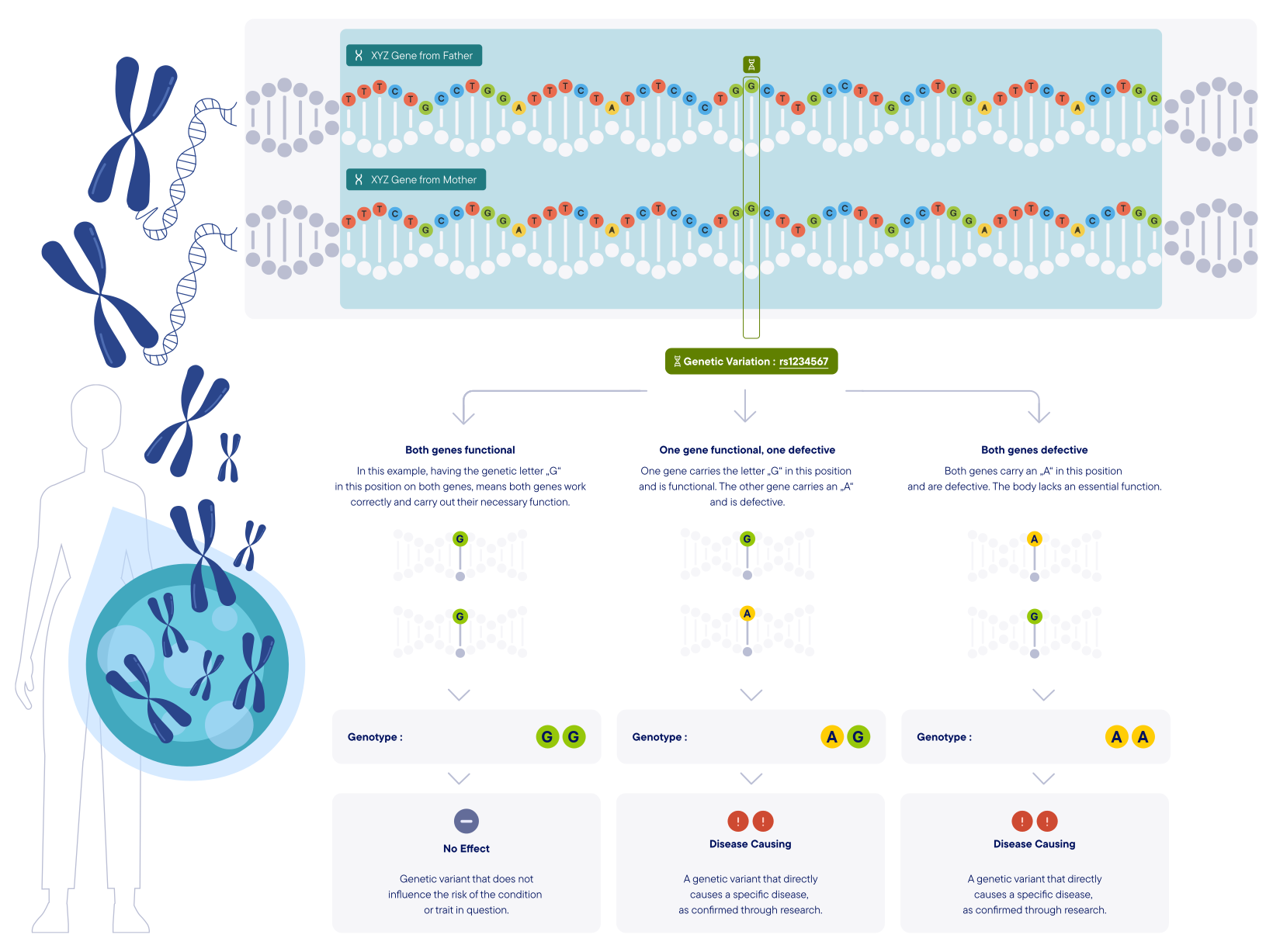
Humans have more than 20,000 genes, each carrying out one or a few specific functions in the body. One gene instructs the body to digest lactose from milk, another tells the body how to build strong bones and another prevents the body's cells from beginning to multiply uncontrollably and developing into cancer. As all of these genes combined are the building instructions for our body, a defect in one of these genes can have severe health consequences.
Through decades of genetic research, we know the genetic code of any healthy/functional human gene. We have also identified that in certain positions on a gene, some individuals may have a different genetic letter from the one you have. We call these hotspots "Genetic Variations" or "Variants" in short. In many cases, studies have been able to show that having the genetic letter "G" in the position makes you healthy, but having the letter "A" in the same position disrupts the gene function and causes a disease. Genopedia allows you to view these variants in genes and summarizes all that we know from scientific research, which genetic letters (Genotype) have good or bad consequences on your health or on your traits.
History
Throughout history, people have described sudden, severe eye pain with blurred vision and halos around lights, sometimes with nausea and headache. Families remembered relatives who had a “hard eye” during an attack and lost sight quickly if help didn’t come. These stories match what we now recognize as acute closed-angle glaucoma—a rapid rise in eye pressure when the eye’s internal fluid is blocked from draining.
First described in the medical literature as a painful crisis distinct from the slower, quiet form of glaucoma, early accounts came from bedside observations. Doctors noted a red, tender eye, a fixed mid-sized pupil, and a rock-hard feel when gently touched through the eyelid—features that pointed to dangerously high pressure. Before modern tools, treatment was limited, and many living with acute closed-angle glaucoma had sudden, permanent vision loss after a single attack.
Over time, descriptions became more precise as handheld lights, magnifiers, and then slit-lamp microscopes let clinicians see the drainage angle where fluid leaves the eye. In the mid-20th century, a clearer picture emerged: in some eyes, the iris can bow forward and block the angle, especially in smaller eyes or those with farsightedness. Surgeons learned that making a tiny opening in the iris—first with a blade, later with lasers—could create a safety valve, easing the blockage and preventing new attacks.
Advances in medications also changed outcomes. Drops and pills that quickly lower eye pressure, along with drugs that pull fluid out of the eye, turned a desperate emergency into a condition with a real chance of saving vision if treated promptly. As more clinics gained the tools to measure pressure and examine the angle directly, acute closed-angle glaucoma was no longer considered rare, just often missed until an attack struck.
In recent decades, awareness has grown that certain groups—people of East or Southeast Asian ancestry, those with a family history, and older adults—are at higher risk because of natural eye shape. Preventive care became a focus: checking the angle during routine eye exams, offering laser treatment to the fellow eye after one attack, and educating patients to seek urgent care if early symptoms of acute closed-angle glaucoma appear, like sudden halos and eye pain in dim light.
Today’s understanding blends careful history with modern imaging that maps the front of the eye in detail. The core lesson has stayed the same across eras: an abrupt, painful spike in eye pressure needs immediate care. What has changed is our ability to spot risky anatomy before a crisis, relieve the blockage quickly, and protect sight for the long term.