
Acute bilirubin encephalopathy is a rare but serious brain injury caused by very high bilirubin levels in newborns. It usually affects term or late preterm babies in the first days after birth, and early symptoms of acute bilirubin encephalopathy can include extreme sleepiness, poor feeding, or a high‑pitched cry. Without prompt treatment, acute bilirubin encephalopathy can progress to arching, stiffness, seizures, and long‑term brain damage. Treatment focuses on rapidly lowering bilirubin with phototherapy and sometimes exchange transfusion, and most babies do well when treated early. The outlook depends on how high the bilirubin gets and how fast care starts, and mortality is uncommon with timely treatment.
Overview
Acute bilirubin encephalopathySymptoms
Acute bilirubin encephalopathy causes extreme jaundice with sleepy, hard‑to‑wake babies who feed poorly. Other early symptoms include a high‑pitched cry, low muscle tone, and weak suck. Worsening signs can bring arching, stiff muscles, fever, or seizures—an emergency.
Outlook and prognosis
Acute bilirubin encephalopathy is a medical emergency, but timely treatment can stop ongoing injury and lower the chance of lasting problems. When care is delayed, some babies develop hearing loss, movement disorders, or learning challenges. Close follow-up supports development and family well-being.
Causes and risk factors
Acute bilirubin encephalopathy stems from very high bilirubin levels, often due to hemolysis (Rh/ABO incompatibility), prematurity, infection, or poor feeding/dehydration. Risks rise with G6PD deficiency or other genetic variants, bruising/cephalohematoma, certain drugs, and East Asian ancestry.
Genetic influences
Genetics plays a limited role in acute bilirubin encephalopathy, which is usually triggered by severe newborn jaundice and medical factors around birth. Variants like G6PD deficiency or UGT1A1 changes can raise risk by increasing bilirubin levels. Family history may guide screening and earlier treatment.
Diagnosis
Acute bilirubin encephalopathy is diagnosed clinically in a jaundiced newborn with neurologic signs, supported by a high total serum bilirubin. Doctors compare levels to the baby’s age in hours and exam findings. Imaging is rarely needed; urgent evaluation guides treatment.
Treatment and drugs
Treatment for acute bilirubin encephalopathy focuses on quickly lowering bilirubin to protect the brain. Care may include intensive phototherapy, intravenous fluids, and, when needed, exchange transfusion; antibiotics or IV immunoglobulin may be used if hemolysis or infection is involved. Ongoing monitoring helps guide timely adjustments.
Symptoms
Feeding can slow, the baby seems unusually sleepy, and the cry may sound high-pitched or weak. Early symptoms of Acute bilirubin encephalopathy can be subtle, then progress over hours to days if bilirubin stays very high. Early on, this might look like poor feeding and floppiness, later giving way to stiffness, fever, or seizures. These changes reflect how high bilirubin affects the brain and need prompt attention.
A baby may be hard to wake for feeds and drift back to sleep quickly. In Acute bilirubin encephalopathy, this can progress to decreased responsiveness.
Sucking may be weak, feeds are shorter, and there may be fewer wet diapers. This is often one of the earliest changes parents notice.
The cry can sound shrill or piercing, and may alternate with a weak, whimpering cry. It can signal irritation of the nervous system.
The body can feel unusually loose, with the head and limbs lacking their usual resistance. Caregivers may notice the head lags when lifting the baby.
How people usually first notice Acute bilirubin encephalopathy?
People often first notice acute bilirubin encephalopathy in a newborn who is very jaundiced (yellowing of the skin and eyes) and seems unusually sleepy, hard to wake, or not feeding well. As it worsens, early warning signs can include a high‑pitched cry, poor muscle tone that feels floppy or, at times, sudden stiffness or arching, and episodes of irritability. These first signs of acute bilirubin encephalopathy usually appear in the first days of life, prompting urgent evaluation when jaundice spreads below the chest, the baby’s alertness drops, or feeding becomes difficult.
Types of Acute bilirubin encephalopathy
Acute bilirubin encephalopathy happens when very high bilirubin levels affect a newborn’s brain. Symptoms can shift quickly over hours to days, so noticing patterns early matters for treatment. Clinicians often describe them in these categories: early, intermediate, and advanced stages that reflect how the brain is being affected. Not everyone will experience every type, and early symptoms of acute bilirubin encephalopathy can be subtle before progressing.
Early stage
Babies may be sleepier than usual and feed poorly. You might notice a weak suck, mild low muscle tone, or a high‑pitched cry. Jaundice often looks deeper in color and may spread below the chest.
Intermediate stage
Irritability, a louder high‑pitched cry, and worsening feeding or vomiting can appear. Muscle tone may fluctuate, with episodes of stiffness or arching backward. Some develop fever or show less interest in surroundings.
Advanced stage
Severe stiffness with pronounced back arching, a very weak or absent suck, and difficult waking can occur. Breathing may seem irregular, and seizures can happen. This stage is a medical emergency due to risk of lasting brain injury.
What genetics can tell you about symptoms
Some genetic changes in UGT1A1 (like Gilbert syndrome variants) slow the body’s ability to clear bilirubin, making severe jaundice more likely and raising the risk of sleepiness, poor feeding, and high‑pitched cry in newborns. Variants in G6PD can trigger red blood cell breakdown, rapidly spiking bilirubin and worsening these symptoms.
Causes and risk factors
Severe newborn jaundice is the main driver of acute bilirubin encephalopathy, especially when bilirubin rises quickly or stays very high. Doctors distinguish between risk factors you can change and those you can’t. Key unchangeable risks are prematurity, blood type incompatibility between baby and mother, and inherited traits like G6PD deficiency. Feeding challenges, dehydration, infection, and large bruises after delivery can push bilirubin higher and hasten early symptoms of acute bilirubin encephalopathy. Timely checks, prompt treatment of high bilirubin, and good feeding support can lower the chance of this condition.
Environmental and biological risk factors
Acute bilirubin encephalopathy happens when very high levels of bilirubin in a newborn overwhelm the brain’s defenses. Knowing what raises the risk helps families and clinicians act early—often before early symptoms of acute bilirubin encephalopathy appear. Doctors often group risks into internal (biological) and external (environmental). Below are key environmental and biological factors that can make dangerous bilirubin buildup more likely.
Babies born early have immature livers and fewer binding proteins, so bilirubin builds up more easily. Their brain barrier is also less developed, making it easier for bilirubin to enter and cause acute bilirubin encephalopathy.
When a mother’s antibodies break down a baby’s red blood cells, bilirubin can rise quickly. Fast, high rises raise the chance of acute bilirubin encephalopathy.
Large bruises or a scalp bleed under the skin (a cephalohematoma) create extra blood to clear. As those red cells break down, more bilirubin is produced, increasing risk.
Sepsis or serious infections increase bilirubin production and weaken the body’s ability to bind it. This combination can let more bilirubin reach the brain.
Genetic risk factors
Genetic factors influence how a newborn handles bilirubin and how quickly levels can climb. Acute bilirubin encephalopathy can occur when inherited conditions cause too much bilirubin or slow its clearance. Knowing the early symptoms of acute bilirubin encephalopathy is important, but understanding these inherited risks helps doctors plan monitoring from birth. Some risk factors are inherited through our genes.

Crigler-Najjar syndrome: Rare, severe changes in the UGT1A1 gene leave the liver unable to process bilirubin. Levels can soar in the first days of life, greatly increasing the risk of acute bilirubin encephalopathy. This condition is inherited in an autosomal recessive pattern.
Gilbert syndrome: A common inherited UGT1A1 variant slows bilirubin processing. On its own it is usually mild, but in newborns it can add to other causes and push levels higher. Even strong risks don’t guarantee a specific outcome.
G6PD deficiency: An X-linked enzyme shortage makes red blood cells break down more easily. Rapid breakdown floods the body with bilirubin and can trigger acute bilirubin encephalopathy. Males are affected more often because the gene sits on the X chromosome.
Rh/ABO mismatch: Inherited blood group differences between the birthing parent and baby can cause red blood cells to be destroyed. The extra breakdown raises unconjugated bilirubin quickly. Family blood group patterns can signal higher risk in future pregnancies.
Hereditary spherocytosis: Inherited changes in red cell membrane proteins cause ongoing cell fragility and hemolysis. This steady breakdown can overwhelm bilirubin clearance soon after birth. A history of newborn jaundice in close relatives suggests this risk.
Pyruvate kinase deficiency: A rare inherited enzyme defect shortens red cell survival. Newborns can develop severe jaundice that raises the chance of acute bilirubin encephalopathy. Severity varies by variant and family.
Ancestry-linked variants: Certain UGT1A1 and G6PD changes cluster in specific ancestries. Babies with roots in Africa, the Mediterranean, the Middle East, or parts of Asia have higher odds of carrying these variants. People with the same risk factor can have very different experiences.
Family history: Having relatives who needed treatment for severe neonatal jaundice points to an inherited tendency. This information helps clinicians plan earlier testing and monitoring. Awareness of risks can be empowering for families.
Lifestyle risk factors
Newborn care habits can influence the risk that jaundice becomes severe enough to harm the brain. The lifestyle risk factors for Acute bilirubin encephalopathy center on feeding patterns, hydration, and timely care-seeking in the first days of life. Small, practical changes in how and when a baby is fed and monitored can lower risk.
Feeding fewer than 8–12 times daily in the first week can raise bilirubin by increasing enterohepatic circulation. Setting alarms for regular feeds supports hydration and stooling to clear bilirubin.
A poor latch limits milk transfer, causing weight loss and rising bilirubin. Early lactation help can improve intake and reduce jaundice risk.
Postponing the first breastfeed beyond the first hour reduces colostrum intake and early bilirubin clearance. Immediate skin-to-skin and early initiation support better intake.
Long stretches without night feeds worsen dehydration and slow bilirubin excretion. Waking the baby for feeds helps maintain milk intake and stooling.
Risk prevention
Acute bilirubin encephalopathy is largely preventable with early attention to newborn jaundice. Simple steps—like bilirubin screening, good feeding, and timely treatment—lower risk. Screenings and check-ups are part of prevention too. Families and care teams can act quickly if jaundice rises or a baby seems sleepier or harder to wake.
Checking a baby’s bilirubin level before going home helps spot rising jaundice early. A simple skin or blood test can guide when to recheck and whether treatment is needed.
A clinic visit within the first days after discharge lets the team recheck jaundice, weight, and feeding. This timing matters most for babies who go home in the first 24 hours.
Frequent, effective feeds help the body clear bilirubin and prevent dehydration. Lactation help and, if needed, expressed milk or formula top-ups can keep intake on track.
If bilirubin goes too high, phototherapy can quickly lower it and protect the brain. In rare, severe cases, exchange transfusion is used when light therapy is not enough.

Transmission
Acute bilirubin encephalopathy is not contagious and cannot be transferred between people. It develops when a newborn’s bilirubin level becomes very high and affects the brain; the risk is higher with prematurity, bruising at birth, dehydration, blood group incompatibility (Rh or ABO), or certain inherited traits such as G6PD deficiency that raise bilirubin. There is no genetic transmission of acute bilirubin encephalopathy, though those inherited traits can make severe jaundice more likely. It also isn’t passed from mother to baby like an infection; instead, factors like maternal–fetal blood group differences can trigger red blood cell breakdown in the baby, leading to dangerous bilirubin levels. In short, acute bilirubin encephalopathy is a complication of severe newborn jaundice, not an infectious disease.
When to test your genes
Genetic testing isn’t routinely needed for acute bilirubin encephalopathy, but it can help if severe newborn jaundice runs in your family, a sibling was affected, or parents are from groups with higher G6PD deficiency. Test before or during pregnancy, or soon after birth. Results can guide monitoring and treatment.
Diagnosis
Acute bilirubin encephalopathy is diagnosed quickly because early symptoms in a newborn can escalate. You might notice small changes in daily routines—extra sleepiness, weak sucking, or a high‑pitched cry—that don’t fit your baby’s usual pattern. Doctors usually begin by checking your baby’s alertness, muscle tone, and feeding, then compare bilirubin levels with your baby’s age in hours. The diagnosis of acute bilirubin encephalopathy combines what clinicians see with lab tests to judge urgency and guide treatment.
Clinicians look for early warning signs such as poor feeding, unusual sleepiness, high‑pitched cry, or arching. Patterns of low then high muscle tone, fever, or a stiff neck can suggest worsening stages. Timing in relation to birth age matters.
Doctors assess alertness, reflexes, muscle tone, and response to sound or touch. Weak suck, a poor Moro reflex, or persistent arching can point toward acute bilirubin encephalopathy. Serial exams help track progression.
A blood test measures total serum bilirubin and how it changes over time. Results are interpreted against the baby’s age in hours and individual risk factors. Rapidly rising levels can signal urgent risk to the brain.
A skin sensor provides a quick estimate of bilirubin. High readings are confirmed with a blood test. This helps identify babies who need urgent lab testing and treatment.
Stages of Acute bilirubin encephalopathy
In newborns, changes can appear quickly and can affect feeding, sleepiness, and muscle tone from one day to the next. Early symptoms of acute bilirubin encephalopathy may be subtle at first, then progress if levels keep rising. Early and accurate diagnosis helps you plan ahead with confidence.
Stage 1
Early signs: A baby may seem unusually sleepy, feed poorly, or feel floppy when held. You might notice a weak suck, less interest in waking for feeds, or a quieter-than-usual cry.
Stage 2
Worsening signs: Irritability can increase, the cry may become high-pitched, and muscles may turn stiff with arching of the neck and back. Fever or difficulty settling may appear, and alertness can go up and down.
Stage 3
Advanced stage: Severe stiffness with pronounced back-arching, seizures, pauses in breathing, or decreased responsiveness can develop. This is a medical emergency and needs urgent care to prevent lasting injury.
Outlook and prognosis
Looking ahead can feel daunting, but most babies treated quickly for acute bilirubin encephalopathy do well and avoid long‑term problems. Early care can make a real difference if jaundice is rising fast—phototherapy or exchange transfusion lowers bilirubin before it can injure the brain. Doctors call this the prognosis—a medical word for likely outcomes. When treatment is delayed or bilirubin levels climb very high, the risk of hearing loss, movement disorders, and learning challenges increases, and in rare, severe cases ABE can be life‑threatening.
Everyone’s journey looks a little different. Some babies have brief feeding trouble or sleepiness that improves after therapy, while others may show early symptoms of acute bilirubin encephalopathy like poor tone or a high‑pitched cry and need urgent hospital care. With prompt treatment in the newborn period, most children reach typical milestones; when injury has occurred, early therapies—hearing support, physical therapy, and developmental services—can improve function over time. In medical terms, the long-term outlook is often shaped by both genetics and lifestyle, including factors like G6PD deficiency, prematurity, dehydration, or feeding issues that can raise bilirubin.
Understanding the prognosis can guide planning and help families set up follow‑up hearing checks and developmental screening in the first years of life. Mortality from acute bilirubin encephalopathy is uncommon in high‑resource settings with rapid treatment, but risk is higher where care is delayed; surviving infants with severe injury may develop chronic kernicterus. Talk with your doctor about what your personal outlook might look like, including how often to monitor and which supports to put in place if any delays emerge. Support from friends and family can make day‑to‑day routines—like regular feeds and clinic visits—easier while your baby recovers and grows.
Long-term effects
Acute bilirubin encephalopathy can leave lasting nervous system changes, especially if very high bilirubin levels weren’t lowered quickly. Long-term effects vary widely, and not everyone has the same mix or severity. Some children develop a pattern often referred to as kernicterus, with movement challenges, hearing changes, and eye-movement issues; thinking skills may be less affected but this differs from child to child. People who had early symptoms of acute bilirubin encephalopathy may later notice ongoing motor or hearing differences as they grow.
Ongoing involuntary movements or stiff, twisting postures can develop, often called dystonia or athetoid cerebral palsy. These movement changes may affect the arms, legs, neck, and face and can vary in day-to-day intensity. Balance and coordination are commonly involved.
Some have sensorineural hearing loss or a specific pattern called auditory neuropathy that makes sounds seem unclear. This can make it hard to follow speech, especially in noise. Hearing levels may be stable or change slowly over time.
Difficulty with upward gaze or quick, accurate eye movements can occur. People may seem to look past a target or have trouble tracking moving objects. Vision itself can be normal, but eye control is affected.
Speech may be slow, slurred, or hard to control because of motor involvement in the face and tongue. Language understanding can be stronger than spoken expression. Communication differences often reflect the movement and hearing challenges rather than thinking skills alone.
How is it to live with Acute bilirubin encephalopathy?
Living with acute bilirubin encephalopathy is not a long, ongoing experience for most families—it’s a medical emergency in a newborn that demands immediate treatment to prevent lasting brain injury. In the moment, parents may notice extreme sleepiness, high‑pitched crying, poor feeding, or stiffness and feel a rush of fear as care teams move quickly with lights, medicines, or transfusion to bring bilirubin down. Daily life afterward depends on how quickly treatment began: many babies recover fully, while some may later need therapies for movement, hearing, or learning challenges. For those around the child—parents, siblings, and caregivers—this can mean early stress followed by vigilant follow‑up and, when needed, supportive services that help the family and the baby thrive.
Treatment and drugs
Acute bilirubin encephalopathy is an emergency, and treatment focuses on quickly lowering bilirubin to protect the brain while supporting breathing, feeding, and temperature. Doctors start with intensive phototherapy, placing the baby under special blue lights to speed bilirubin removal, and add intravenous fluids and feeding support to keep levels moving down. If levels are dangerously high or not falling fast, an exchange transfusion may be done to replace part of the baby’s blood with donor blood and rapidly clear bilirubin. When hemolysis is the cause, doctors may treat the trigger—such as giving intravenous immunoglobulin (IVIG) for certain blood group incompatibilities or antibiotics if infection is present—while closely monitoring bilirubin with frequent blood tests. Supportive care can make a real difference in how you feel day to day, and babies usually continue follow-up after discharge to check hearing, movement, and development.
Non-drug treatment
Acute bilirubin encephalopathy is a neonatal emergency, so non-drug care focuses on lowering bilirubin quickly and protecting the brain while your baby stabilizes. In the hospital, teams use light-based therapy and specialized procedures alongside careful feeding and supportive care. Non-drug treatments often lay the foundation for recovery and for preventing long-term problems. After the crisis, follow-up therapies help track hearing, movement, and development.
Special blue lights help the body break down and clear bilirubin through urine and stool. Starting phototherapy promptly at the first signs of severe jaundice or early symptoms of acute bilirubin encephalopathy can lower levels quickly. Eye shields protect the eyes during treatment.
Doctors replace small amounts of the baby’s blood with donor blood to rapidly remove bilirubin. This procedure happens in a neonatal intensive care unit when levels are dangerously high or not improving with lights. It reduces the risk of brain injury.
Frequent feeding helps babies poop and pee more, which clears bilirubin. If feeding is hard, temporary tube feeding or IV fluids can keep hydration steady while levels come down. Care teams adjust the plan based on weight, stools, and wet diapers.
A lactation specialist can improve latch and milk transfer so feeds are effective. Pumping and paced bottle feeds may be used during phototherapy to keep intake consistent. These steps help maintain milk supply and steady bilirubin removal.
Your genes may have an impact on how drugs work for you
Genes can change how quickly your body handles medicines used for acute bilirubin encephalopathy, affecting drug levels and how well they work. Variants in enzymes like UGT1A1 or transporters can raise side‑effect risk or require dose adjustments guided by your care team.
Pharmacological treatments
Medicines can help in specific situations to slow bilirubin production, bind it in the blood, or treat a trigger like infection while definitive care proceeds. Alongside drug therapy, phototherapy and exchange transfusion remain important. When early symptoms of acute bilirubin encephalopathy appear, doctors may use these options to prevent further brain exposure.
IVIG can slow antibody-driven breakdown of red blood cells in Rh or ABO incompatibility. This helps reduce how fast bilirubin rises and may lower the need for exchange transfusion.
Albumin binds bilirubin in the bloodstream so less of it reaches the brain. It may be given before an exchange transfusion to improve bilirubin removal and provide short-term protection.
If infection is suspected, medicines such as ampicillin plus gentamicin are started quickly. Treating infection can reduce ongoing bilirubin production from hemolysis or illness, supporting recovery.
This medicine can boost the liver’s ability to process bilirubin, but it takes days to work. Because acute bilirubin encephalopathy needs rapid control, phenobarbital has a limited role and is not a first choice.
Genetic influences
Inherited traits can influence how much bilirubin builds up in a newborn and how quickly the body clears it. Genetics is only one piece of the puzzle, but it can raise or lower a newborn’s risk of acute bilirubin encephalopathy. Conditions such as G6PD deficiency or inherited red blood cell problems can speed up red cell breakdown, while common changes that slow the liver’s handling of bilirubin (like Gilbert syndrome) can let levels climb higher. Blood type is inherited too, and certain mother–baby combinations (for example, Rh or ABO differences) can trigger extra red cell breakdown during or after pregnancy. These genetic risk factors for acute bilirubin encephalopathy vary across families and populations, with G6PD deficiency seen more often in parts of Africa, the Mediterranean, the Middle East, and Asia. Still, most babies with these traits never develop acute bilirubin encephalopathy, especially when newborn jaundice is recognized early and treated promptly. If severe jaundice has affected relatives, sharing that history can help your care team decide whether to check for G6PD deficiency or Gilbert syndrome in the baby.
Is Acute bilirubin encephalopathy genetic?
Genetics plays a limited role in acute bilirubin encephalopathy, which is usually triggered by severe newborn jaundice and medical factors around birth. Variants like G6PD deficiency or UGT1A1 changes can raise risk by increasing bilirubin levels. Family history may guide screening and earlier treatment.
Pharmacogenetics—how genetics influence drug effects
In newborns with acute bilirubin encephalopathy, inherited differences can make bilirubin build up faster and change how urgent treatment needs to be. Variants that reduce activity of the liver’s bilirubin‑processing enzyme (often referred to as UGT1A1) can lower the body’s capacity to clear bilirubin, so teams may start phototherapy earlier, keep it going longer, and monitor levels more frequently. A well‑known example is glucose‑6‑phosphate dehydrogenase (G6PD) deficiency, which can trigger bursts of red‑blood‑cell breakdown; with this genetic condition, clinicians avoid oxidant medicines (for example, some sulfa antibiotics) that can set off hemolysis and are cautious with drugs that may displace bilirubin. Alongside medical history and bilirubin trends, genetic testing can help guide treatment intensity and medication choices. Phototherapy and exchange transfusion work the same regardless of genes, but genetic risk can influence when to escalate care and how often to recheck levels. Knowing about UGT1A1 changes or G6PD deficiency helps personalize care for acute bilirubin encephalopathy while minimizing drug‑related risks.
Interactions with other conditions
Infections, dehydration, and illnesses that cause extra red blood cell breakdown can drive bilirubin higher and increase the risk of brain injury in newborns. This can include blood-type incompatibility between parent and baby or an inherited enzyme issue such as G6PD deficiency; premature babies are especially vulnerable because their brains and livers are less mature. When sepsis, low oxygen, low blood sugar, or acidosis are present, acute bilirubin encephalopathy is more likely to progress because the barrier that normally protects the brain can leak. Doctors call it a “comorbidity” when two conditions occur together, and one can tip the balance for the other. Some medicines, herbal products, or birth-related factors such as a scalp bruise from delivery can also add to the bilirubin load, so early symptoms of acute bilirubin encephalopathy—like unusual sleepiness, poor feeding, or a high-pitched cry—may be harder to spot when a baby is also ill. If a newborn has any of these overlapping issues, close, coordinated care helps lower bilirubin quickly and reduce the chance of lasting problems from acute bilirubin encephalopathy.
How genes can cause diseases
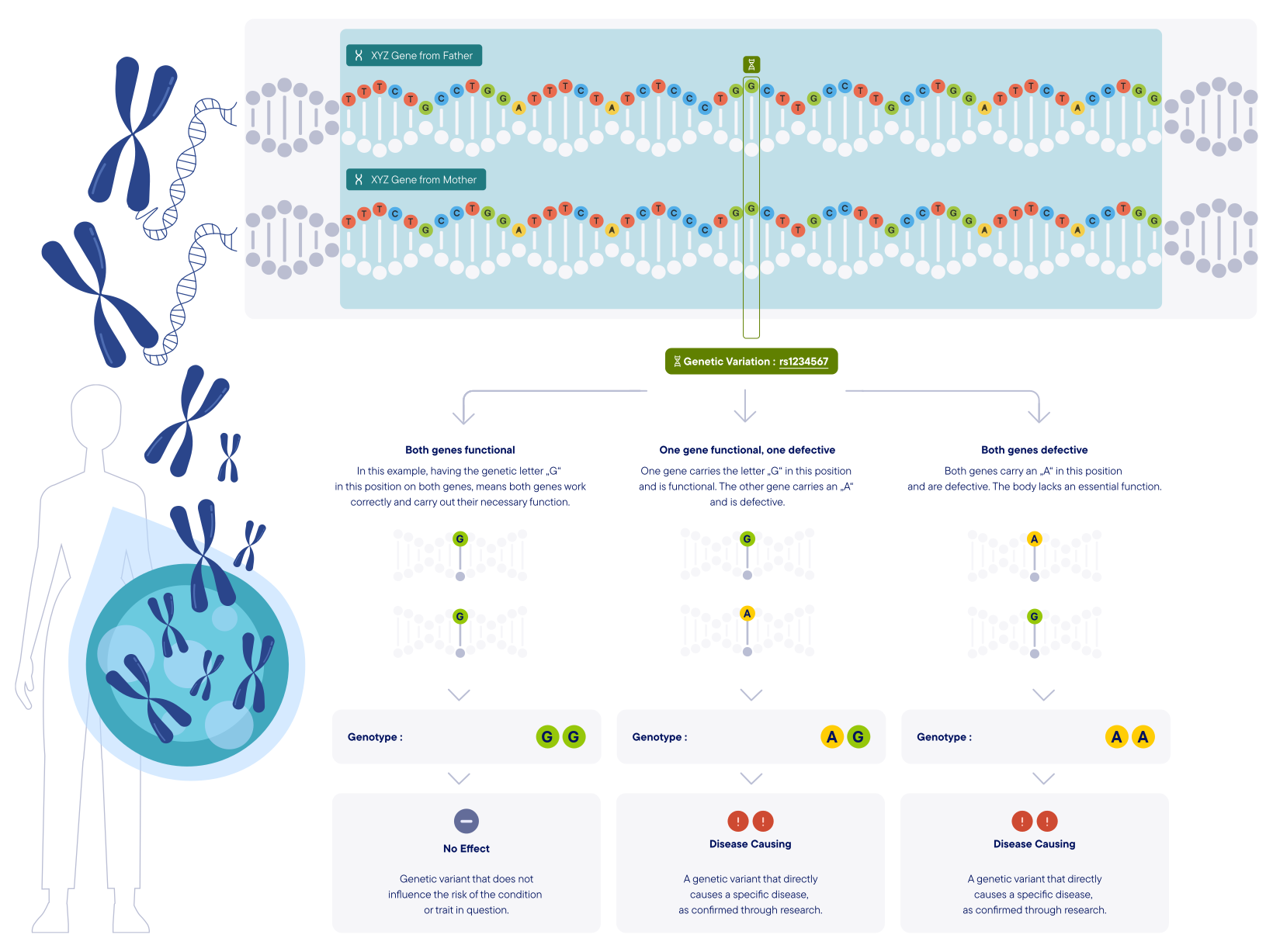
Humans have more than 20,000 genes, each carrying out one or a few specific functions in the body. One gene instructs the body to digest lactose from milk, another tells the body how to build strong bones and another prevents the body's cells from beginning to multiply uncontrollably and developing into cancer. As all of these genes combined are the building instructions for our body, a defect in one of these genes can have severe health consequences.
Through decades of genetic research, we know the genetic code of any healthy/functional human gene. We have also identified that in certain positions on a gene, some individuals may have a different genetic letter from the one you have. We call these hotspots "Genetic Variations" or "Variants" in short. In many cases, studies have been able to show that having the genetic letter "G" in the position makes you healthy, but having the letter "A" in the same position disrupts the gene function and causes a disease. Genopedia allows you to view these variants in genes and summarizes all that we know from scientific research, which genetic letters (Genotype) have good or bad consequences on your health or on your traits.
History
Throughout history, people have described newborns who became unusually sleepy, fed poorly, and developed a striking yellow color in the skin and eyes. Families and midwives noticed that some babies grew irritable, arched their backs, or let out a high‑pitched cry before slipping into a deeper lethargy. Some recovered; others were left with lasting movement and hearing problems. Today, we recognize these stories as early accounts of acute bilirubin encephalopathy, a severe form of jaundice affecting the brain.
First described in the medical literature as “kernicterus” in the early 1900s, the condition was initially understood through bedside observation: a jaundiced infant who then developed changes in muscle tone, abnormal eye movements, and seizures. Over time, descriptions became more precise as doctors linked very high levels of bilirubin to these neurologic changes and identified brain regions most at risk.
From early theories to modern research, the story of acute bilirubin encephalopathy has followed advances in newborn care. In the mid‑20th century, exchange transfusion—replacing a baby’s blood to quickly lower bilirubin—reduced deaths but carried its own risks. The arrival of phototherapy in the 1950s and 1960s, using blue light to help the body clear bilirubin, was a turning point. Hospitals that adopted routine bilirubin checks and early treatment saw dramatic drops in severe cases.
Understanding broadened again with better lab tests and population studies. Researchers mapped out who was most vulnerable: premature infants, babies with blood group incompatibility, those with certain enzyme deficiencies, and newborns who had difficulty feeding or significant weight loss. In recent decades, awareness has grown that early symptoms of acute bilirubin encephalopathy—poor feeding, low energy, a weak or high‑pitched cry—can be subtle, and that timely action prevents injury.
Medical classifications changed as long‑term outcomes became clearer. The term “acute bilirubin encephalopathy” is now used for the short‑term, treatable phase when the brain is exposed to toxic levels of bilirubin, while “kernicterus” generally refers to the chronic, permanent changes that can follow if treatment is delayed. This distinction helped guide screening protocols, treatment thresholds, and follow‑up for hearing and developmental concerns.
Global experience has also shaped the history. High‑resource settings saw steep declines with universal screening, lactation support, and phototherapy. In many regions without consistent access to these tools, severe jaundice remained a leading cause of preventable brain injury. Efforts to expand affordable phototherapy, improve newborn feeding support, and create clear referral pathways reflect lessons learned over a century.
Not every early description was complete, yet together they built the foundation of today’s knowledge. The history of acute bilirubin encephalopathy shows how careful observation, simple technologies like blue‑light treatment, and coordinated newborn care can transform outcomes—turning a once‑feared diagnosis into a largely preventable emergency when recognized and treated promptly.