
Acute asthma is a sudden worsening of asthma symptoms that makes breathing hard. People with acute asthma may have chest tightness, fast breathing, wheezing, and coughing that can wake them at night. Attacks can be triggered by colds, allergens, smoke, exercise, or stress, and they can be life-threatening without quick treatment. Acute asthma affects children and adults who live with asthma, and symptoms can escalate over minutes to hours. Treatment usually includes quick-relief inhalers like albuterol, oxygen, and sometimes oral steroids, and most people recover, but severe attacks can be dangerous.
Overview
Acute asthmaSymptoms
Acute asthma brings a sudden flare of breathing trouble—tight chest, wheezing, coughing, and shortness of breath that may worsen at night. Severe attacks can cause rapid breathing, trouble speaking full sentences, or bluish lips; seek urgent care.
Outlook and prognosis
Most people with acute asthma improve quickly with prompt treatment and a good action plan. Recovery can take hours to a few days; fatigue and cough may linger. Frequent attacks signal uncontrolled asthma, and adjusting long‑term therapy lowers future flare risk.
Causes and risk factors
Acute asthma flares often reflect combined risks: genetic susceptibility and airway sensitivity plus triggers like viral colds, allergens, smoke, pollution, cold air, or stress. Higher risk with allergies, obesity, exercise without warm-up, occupational irritants, and some medicines (NSAIDs, beta-blockers).
Genetic influences
Genetics plays a meaningful role in acute asthma risk and how severe attacks can be. Variations in genes tied to airway inflammation and immune response can make triggers more likely to spark sudden flares. Family history raises risk, but environment still matters a lot.
Diagnosis
Acute asthma is diagnosed by breathing symptoms and exam findings such as wheeze. Doctors check oxygen levels and airflow (peak flow or spirometry) and look for bronchodilator response, while tests may rule out other causes—diagnosis of acute asthma is clinical.
Treatment and drugs
Acute asthma is treated quickly to open airways and calm inflammation. Care often includes rapid‑acting inhalers (short‑acting bronchodilators), oxygen if levels are low, and anti‑inflammatory medicines like oral or IV steroids; severe attacks may need nebulizers or magnesium. After recovery, doctors adjust preventer inhalers and an action plan to reduce future flare‑ups.
Symptoms
Acute asthma flare-ups can come on quickly and make breathing feel hard and tight. You might notice small changes at first—like a tickly cough or needing to catch your breath after simple tasks—that build into more obvious trouble. Early symptoms of acute asthma include coughing, wheezing, and chest tightness; in more severe moments, speaking in full sentences can be difficult.
During an acute asthma flare, it can feel like you can’t get enough air. This may show up when walking up a few stairs or even at rest as the episode worsens.
A high-pitched whistling when you breathe out is common in acute asthma. It may get louder or more frequent as the airways narrow.
A squeezing or band-like pressure in the chest can signal an acute asthma attack. Deep breaths may feel uncomfortable or limited.
A dry, hacking cough often starts or intensifies during a flare. It can be worse at night or early morning, and may bring up small amounts of mucus.
How people usually first notice Acute asthma?
Many first notice acute asthma during a sudden episode of breathing trouble that doesn’t feel like a usual “out of breath” moment—tightness in the chest, wheezing like a faint whistle on exhale, coughing that won’t stop, and short, rapid breaths that may worsen at night or with a trigger like exercise, cold air, smoke, or pollen. For some, it shows up after a respiratory infection or allergen exposure, when a quick-relief inhaler is suddenly needed more often or doesn’t work as well as before. These first signs of acute asthma often prompt an urgent visit when talking in full sentences becomes hard or the chest feels increasingly tight despite rest.
Types of Acute asthma
Acute asthma flares can look different from one person to the next, and they don’t always unfold the same way each time. Doctors often sort flare symptoms into a few practical groups based on what you feel and how your lungs are working right now. This helps tailor quick treatment in the ER or clinic and guides what you do at home. When people ask about types of acute asthma, they usually mean patterns of symptoms during an attack rather than separate diseases.
Mild exacerbation
Breathing feels tight but you can still speak full sentences. Coughing and wheeze may come and go, often worse with activity or at night. Peak flow usually drops a little from your usual.
Moderate exacerbation
You feel short of breath at rest and need to pause to finish sentences. Cough and wheeze are louder, and the chest can feel heavy or sore from breathing hard. Reliever inhalers help but the effect may fade quickly.
Severe exacerbation
Breathing is fast and hard, and speaking is limited to words or short phrases. You may notice ribs showing with each breath and feel anxious or fatigued. Peak flow often falls below 50% of your personal best (or usual).
Life-threatening attack
Wheeze can be very faint or absent because airflow is extremely low. Lips or fingertips may look bluish, and you may feel drowsy or confused. This needs emergency care immediately.
Cough-variant flare
A dry, persistent cough is the main symptom, with little or no wheeze. It can be worse at night or with cold air, exercise, or viral colds. Many notice it as one of the early symptoms of acute asthma.
Exercise-induced flare
Shortness of breath, chest tightness, or cough start during or shortly after activity. Symptoms often peak 5–20 minutes after stopping and improve with rest or a reliever inhaler. Warming up and using a pre-exercise inhaler can help prevent this.
Allergen-triggered flare
Symptoms surge after exposure to pollen, dust mites, pets, or molds. It may come with itchy eyes, sneezing, or a runny nose. Reducing exposure and using your action plan can shorten the episode.
Viral-triggered flare
A cold or flu leads to worsening cough, wheeze, and breathlessness over hours to days. Fever can be mild, but chest symptoms stand out more. These flares often need earlier, stepped-up treatment.
Nocturnal flare pattern
Symptoms wake you from sleep with coughing, tightness, or wheezing. Nighttime dips in lung function can make flares feel worse than daytime. Tracking nighttime symptoms helps fine-tune controller therapy.
Occupational trigger pattern
Symptoms get worse during work hours and ease on days off or holidays. Common triggers include cleaning agents, dusts, fumes, or cold air in certain jobs. Identifying and reducing exposure can prevent repeated flares.
What genetics can tell you about symptoms
Certain variants in the ORMDL3-GSDMB region can make airways twitchier, linking to wheezing, chest tightness, and attacks triggered by colds or allergens. Variants affecting IL33 or IL1RL1 may raise eosinophils, tying to nighttime cough, breathlessness, and more frequent severe flares.
Causes and risk factors
Acute asthma attacks are often set off by irritants or allergens in the air. Pollen, dust, pet dander, mold, smoke, and traffic pollution are common triggers. Doctors distinguish between risk factors you can change and those you can’t.
A family history of asthma or allergies and having allergic conditions raise baseline risk, and viral colds or flu can spark a flare. Smoking or vaping, cold air or hard exercise, strong smells or workplace fumes, and some pain relievers or heart medicines can also trigger acute asthma attacks.
Environmental and biological risk factors
Acute asthma flares often happen when something in the body or environment sets off the airways. Knowing these triggers helps you plan ahead and cut down on sudden breathing trouble. Doctors often group risks into internal (biological) and external (environmental). This awareness can help you spot early symptoms of acute asthma before they escalate.
Colds, flu, RSV, or COVID-19 can inflame the airways and trigger acute asthma. Symptoms often get worse a day or two after the first sore throat or runny nose. Children and older adults may be especially sensitive.
Dust mites, pet dander, cockroaches, and molds can set off airway swelling. For many, time spent in bedrooms or carpeted rooms brings on acute asthma symptoms. Damp housing can increase these exposures.
Tree, grass, and weed pollens can provoke wheeze and chest tightness in pollen season. You might feel worse after yardwork or on windy, high-pollen days. Thunderstorms during pollen peaks can rapidly intensify symptoms.
Ozone, wildfire smoke, and fine particles irritate sensitive airways and can spark acute asthma. Flares may follow time near busy roads or during poor air quality alerts. Effects can linger even after the sky looks clear.
Genetic risk factors
Some people are born with airway biology that is more reactive, so breathing can tighten quickly during a flare. Researchers have identified genetic risk factors for acute asthma that shape how strongly the airways inflame and how severe an attack can become. A family history of asthma or allergies raises the odds, but carrying a genetic change doesn’t guarantee the condition will appear.

Family history: Having close relatives with asthma or allergic conditions suggests shared genes that raise risk. This inherited background can make acute asthma more likely or more intense during flares.
Polygenic risk: Dozens of small genetic differences can add up to higher susceptibility. Together they can increase the chances of sudden asthma flares, especially when several risk variants occur in one person.
17q21 variants: Changes near ORMDL3 and GSDMB are strongly linked to childhood-onset asthma. These variants are associated with more frequent acute asthma exacerbations.
Type 2 signals: Variants in genes that drive allergy-type inflammation (IL4, IL13, IL5) can heighten airway swelling and mucus. This can set the stage for sharper attacks.
IgE regulation: Genes that influence IgE antibody levels (such as FCER1A and STAT6) can increase atopy. That tendency is linked with a higher chance of sudden flares.
Airway barrier genes: Variants that weaken the protective lining of the airways, including filaggrin (FLG) changes, can allow stronger inflammatory reactions. People with these changes may have more severe acute asthma episodes.
Alarmin pathway: Changes in TSLP, IL33, or its receptor (IL1RL1) can prime the immune system to react briskly. This predisposition is tied to earlier onset and more intense acute asthma.
Airway reactivity: Variants in the beta-2 receptor gene (ADRB2) can affect how airway muscles tighten and relax. Some patterns are linked with worse symptoms during flare-ups.
Leukotriene genes: Differences in enzymes that make leukotrienes, such as ALOX5, can amplify inflammation. This may raise the risk of severe acute asthma events.
HLA region: Immune-system genes in the HLA region influence how the body recognizes allergens. Certain HLA patterns are associated with higher asthma risk and more frequent flare-ups.
Ancestry patterns: Some risk variants are more common in certain genetic backgrounds. This can partly explain differences in asthma risk seen across populations.
Steroid response genes: Variants that affect steroid signaling (for example, GLCCI1 or CRHR1) can blunt the anti-inflammatory effect. People with these differences may be more prone to prolonged acute asthma despite treatment.
Lifestyle risk factors
Certain daily habits can raise the chance or severity of an acute asthma flare. Below are key lifestyle risk factors for Acute asthma, focusing on behaviors you can change. Understanding how lifestyle affects Acute asthma can help you prevent attacks and recover faster.
Tobacco smoke and vape aerosols irritate and inflame airways, making bronchospasm more likely. Quitting lowers exacerbation rates and improves response to rescue inhalers.
Skipping controller doses or using poor technique allows airway inflammation to build. Consistent, correct use markedly reduces sudden attacks.
Sudden high‑intensity effort, especially in cold dry air, can trigger bronchoconstriction. Gradual warm‑ups and interval pacing help prevent exercise‑induced symptoms.
Ultra‑processed, high‑sugar, and low‑produce diets may increase systemic and airway inflammation. Mediterranean‑style eating is linked to fewer exacerbations and better control.
Risk prevention
Acute asthma flare-ups can often be headed off with planning and steady habits. Prevention works best when combined with regular check-ups. Learning the early symptoms of acute asthma and acting quickly—using reliever medication and your action plan—can keep a mild flare from becoming an emergency.
Use your daily preventer inhaler exactly as prescribed to calm airway inflammation. Skipping doses raises the chance of acute asthma symptoms and emergency visits. Ask how long it should take to notice fewer symptoms.
Check your technique with a clinician or pharmacist to be sure the medicine reaches your lungs. A spacer can make each puff more effective and reduce throat irritation.
Keep a written asthma action plan and follow it at the first sign of a flare. Early steps can stop mild symptoms from turning into acute asthma. Talk to your doctor about which preventive steps are right for you.
Identify and limit triggers like tobacco smoke, dust, pets, mold, strong odors, and cold air. Reducing exposure lowers the odds of acute asthma attacks.

Transmission
Acute asthma is not contagious—you can’t catch an asthma attack from someone else, and there’s no person-to-person transfer. Attacks are often set off by triggers such as colds and flu viruses, allergens, smoke, air pollution, exercise, or weather changes; while the viruses themselves can spread, they do not transmit acute asthma. Because of this, people with acute asthma do not need isolation, and routine contact is safe.
What can run in families is the tendency to develop asthma and allergies. When people ask about genetic transmission of acute asthma or how acute asthma is inherited, it refers to this inherited risk, not the attack itself; having a family member with asthma raises your chances, but it doesn’t mean you will develop it.
When to test your genes
Consider genetic testing if you have severe, difficult-to-control asthma, frequent hospitalizations, or strong family history of asthma or allergic conditions. It can guide targeted biologic therapies, predict medication responses (like variable benefit or side effects from inhaled or oral steroids), and uncover rare asthma-like genetic syndromes. Discuss timing with your clinician, especially after exacerbations.
Diagnosis
An acute asthma episode is usually recognized when breathing suddenly feels tight, fast, or wheezy, especially with cough or chest pressure that makes speaking or walking harder. Doctors usually begin with your symptoms and a quick exam, then confirm with simple breathing tests and oxygen checks. The diagnosis of acute asthma is based on this bedside picture, supported by tests that show how well air moves in and out of the lungs. In urgent settings, the focus is on confirming the problem and guiding treatment right away.
Clinicians ask about sudden shortness of breath, wheeze, cough, chest tightness, and how quickly symptoms escalated. They also review recent infections, allergens, smoke, exercise, or cold air that might have triggered the flare. Prior asthma, past attacks, and inhaler use help frame how acute asthma is diagnosed.
Providers listen for wheezing, prolonged exhalation, or very quiet breath sounds, and look for fast breathing or use of neck and rib muscles. Trouble speaking full sentences and a rapid pulse can signal a more serious attack.
A handheld meter measures how fast you can blow air out. Lower-than-usual numbers, or big improvement after a reliever inhaler, support an acute asthma diagnosis.
This breathing test checks how much air you can exhale and how quickly. Improvement after a bronchodilator helps confirm reversible airway narrowing typical of asthma.
Stages of Acute asthma
Acute asthma can range from mild to life-threatening and may change over minutes to hours. Early symptoms of acute asthma often include chest tightness, coughing, and wheezing that don’t settle with your usual reliever inhaler. If you’re worried about yourself or a loved one, you’re not alone. Clinicians judge how severe an attack is by your breathing effort, ability to speak, oxygen levels, and sometimes a simple peak flow reading.
Mild exacerbation
Breathlessness is noticeable but you can speak in full sentences and stay active. Wheezing and chest tightness ease with quick-relief (rescue) inhaler use. Peak flow is near your usual level if measured.
Moderate exacerbation
Breathing feels harder and you may pause to catch your breath when talking. You might use your neck or chest muscles to breathe and need your inhaler more often. Cough and wheeze interfere with usual activities.
Severe exacerbation
It’s hard to speak more than a few words at a time and you may feel very anxious or agitated. Breathing is fast and labored, and relief from the inhaler is short-lived. Oxygen levels can drop and peak flow is well below your usual if checked.
Life-threatening attack
Breathing may become shallow and slow, speech is difficult or absent, and drowsiness can appear. Lips or fingertips may look bluish and wheezing can fade as airflow becomes very low. Acute asthma at this stage is a medical emergency—call emergency services right away.
Outlook and prognosis
Breathing flare-ups can be scary and exhausting, especially if nighttime cough or sudden tightness interrupts work, school, or sleep. Many people ask, “What does this mean for my future?”, and the honest answer is that risks depend on how often attacks happen, how severe they are, and how quickly treatment is started. Doctors call this the prognosis—a medical word for likely outcomes. Severe acute asthma attacks can be life-threatening without prompt care, but with a good action plan, rescue inhalers, and controller medicines, most people recover fully between episodes and keep up with daily life.
Looking at the long-term picture can be helpful. Frequent exacerbations, previous ICU admissions, needing oral steroids several times a year, or using a rescue inhaler many times a day are red flags that raise the risk of future severe attacks. In medical terms, the long-term outlook is often shaped by both genetics and lifestyle. Triggers like viral infections, smoke, allergens, and outdoor air pollution can turn early symptoms of acute asthma—such as chest tightness, wheeze, and shortness of breath—into a full attack if they aren’t addressed early.
Mortality from acute asthma is uncommon in high‑resource settings, but it still occurs, most often when treatment is delayed, inhalers are used incorrectly, or symptoms escalate at night without access to help. With ongoing care, many people maintain normal activity, exercise safely, and avoid emergency visits for long stretches. People living with acute asthma often notice that outcomes improve when they track peak flow, follow a written action plan, and start quick-relief treatment at the first sign of worsening symptoms. Talk with your doctor about what your personal outlook might look like, including how to lower risk, refine inhaler technique, and decide when to step up treatment or seek urgent care.
Long-term effects
After a bad flare of acute asthma, some people notice a lingering cough, chest tightness, or taking longer to catch their breath during everyday tasks. Long-term effects vary widely, and they don’t look the same for everyone. Over time, repeated severe episodes can irritate and thicken the breathing tubes, which may slowly reduce how much air moves in and out. Understanding the long-term effects of acute asthma can help you and your care team plan ahead.
Repeated severe flares can thicken and stiffen the airway walls over time. This can leave some long-lasting narrowing and make breathing feel harder, even on “good” days.
Some people have a gradual drop in measured lung capacity after years of bad attacks. This can show up as breathlessness with stairs, hills, or brisk walks.
Irritated airways can become extra sensitive, so triggers set off symptoms more easily. This can raise the risk of urgent visits or hospital stays.
Nighttime cough and wheeze can persist after a severe episode. Poor sleep can lead to daytime fatigue, fogginess, and lower energy.
How is it to live with Acute asthma?
Living with acute asthma can feel like your chest tightens without warning, turning simple moments—climbing stairs, laughing hard, walking in cold air—into sudden battles for breath. Many people plan their days around triggers, carrying an inhaler, watching pollen counts, and pacing activities to avoid flare-ups while staying alert to early warning signs like chest tightness or cough. During an attack, others around you may feel worried or helpless, but clear action plans—knowing when to use quick-relief medicine and when to seek urgent care—help everyone respond calmly and quickly. With good guidance, trigger avoidance, and trusted backup from family, friends, or coworkers, most people regain control and return to their routines between episodes.
Treatment and drugs
Acute asthma is treated quickly to open the airways, ease breathing, and prevent a flare from worsening. Fast-acting inhalers (short-acting bronchodilators like albuterol/salbutamol) are the first step, often given by inhaler or nebulizer; additional doses are repeated based on your response. If symptoms are moderate to severe, doctors add oral or intravenous steroids for a few days to calm airway swelling, and oxygen if your levels are low (measured by pulse oximeter). In more severe acute asthma, treatments may include inhaled ipratropium, magnesium given through a vein, or, rarely, assisted breathing. Treatment plans often combine several approaches, and you’ll usually leave with an updated action plan and a controller inhaler to lower the risk of future attacks.
Non-drug treatment
During acute asthma, simple, practical steps can make breathing feel easier while you get medical care. Alongside medicines, non-drug therapies can help you sit more comfortably, control your breathing, and cut down triggers in the air around you. These supports don’t replace emergency treatment, but they often reduce strain and buy time on the way to relief.
Sit upright, with shoulders relaxed, and lean slightly forward with forearms on a table or your knees. This helps open the chest and makes each breath more effective. Avoid lying flat, which can worsen breathlessness.
Inhale gently through the nose, then exhale slowly through pursed lips, like blowing out a candle. This technique reduces air trapping and eases the feeling of tightness. It can help you regain a steadier breathing rhythm.
Slow, counted breaths can lower panic and reduce the urge to over-breathe. Relaxing the neck and shoulder muscles may lessen chest tightness. Supportive therapies can make these skills easier to learn and use.
Move to clean, smoke-free air and away from strong odors, dust, or cold air. Close windows during high pollen or pollution and consider using a HEPA air purifier if available. Keeping pets out of the room can also help in the moment.
Your genes may have an impact on how drugs work for you
Two people with acute asthma can take the same inhaler and feel very different relief because genes affect how fast the body activates, breaks down, and responds to medicines. Pharmacogenetic differences can guide dose, drug choice, and side‑effect risk.
Pharmacological treatments
During an acute asthma flare, quick-relief medicines aim to open the airways fast and calm swelling so breathing feels easier. When early symptoms of acute asthma show up—like tight chest, wheeze, or cough—rescue inhalers are usually used right away. First-line medications are those doctors usually try first, based on how quickly they work and how well they fit your situation. In more severe attacks, add-on drugs may be given in the emergency department to prevent worsening and reduce the chance of hospitalization.
Albuterol (also called salbutamol) or levalbuterol relax airway muscles within minutes. They’re inhaled by metered-dose inhaler or nebulizer to quickly ease wheeze and shortness of breath. Many with acute asthma keep a rescue inhaler on hand for sudden symptoms.
Ipratropium bromide is an inhaled anticholinergic that helps further open airways during moderate to severe attacks. It’s often combined with albuterol in the emergency setting. This combo can reduce the chance of needing hospital care.
Prednisone, prednisolone, methylprednisolone, or dexamethasone reduce airway swelling over hours. They don’t work instantly but shorten the attack and lower relapse risk. In acute asthma, a short course is common after initial bronchodilator treatment.
Budesonide or beclomethasone may be used as high-dose inhaled therapy in some acute care plans. They ease airway inflammation and can support recovery after initial rescue treatment. Your doctor may also update your daily controller plan to prevent future flares.
Genetic influences
Genes can raise your chance of asthma and shape how sensitive your airways are, which in turn can make acute asthma attacks more likely when triggers are around. Having a genetic risk is not the same as having the disease itself. There isn’t a single “asthma gene”; instead, many small gene changes together influence allergic tendency and airway inflammation, and these interact with viruses, smoke, pollution, or pollen to spark a flare. This gene–environment mix helps explain why two siblings may share a diagnosis but have very different patterns of acute asthma flare-ups. Family history can point to higher genetic risk for acute asthma, and genetics may also affect how well quick-relief inhalers or steroid treatments work during a flare. If acute asthma is common in your relatives or starts at an early age, that information can help your doctor tailor prevention and trigger-avoidance strategies for you.
Is Acute asthma genetic?
Genetics plays a meaningful role in acute asthma risk and how severe attacks can be. Variations in genes tied to airway inflammation and immune response can make triggers more likely to spark sudden flares. Family history raises risk, but environment still matters a lot.
Pharmacogenetics—how genetics influence drug effects
Genetic differences can shape how well the quick‑relief medicines used for acute asthma open the airways and how long they last. Not every difference in response is genetic, but certain patterns in the beta‑2 receptor gene may make inhaled relievers like albuterol (also called salbutamol) more or less effective. Variations in genes tied to steroid signaling and metabolism can also influence how strongly people benefit from oral or intravenous (IV) steroids during an attack and who is more prone to side effects. Genes that affect how quickly the liver clears medicines can change drug levels, which may matter for treatments like prednisone or, in some settings, theophylline. Pharmacogenetic testing for acute asthma isn’t routinely used in emergency care, because clinicians must act quickly based on symptoms and oxygen levels. As research grows, genetic insights may help explain unusual reactions or guide dosing, especially for people who have repeated severe flares or limited response to standard therapy.
Interactions with other conditions
Colds and flu, including COVID-19, often spark attacks; when the airways are already irritated by a virus, swelling and mucus can surge quickly. If you live with hay fever or chronic sinus issues, you may notice early symptoms of acute asthma during pollen spikes or sinus infections. Doctors call it a “comorbidity” when two conditions occur together. Heartburn from acid reflux, obesity, and sleep apnea can also make flares tougher to control by keeping the airways inflamed at night. Some medicines used for other problems—nonselective beta-blockers for heart disease or migraines, and in sensitive people, aspirin and other NSAIDs—can tighten the airways and trigger symptoms. For those with COPD or smoking-related lung damage, airflow can be limited for more than one reason, so Acute asthma episodes may feel more severe and recover more slowly. Coordinated care with your healthcare team can help align vaccines, reflux treatment, allergy control, and medication choices to lower the chance of a severe attack.
How genes can cause diseases
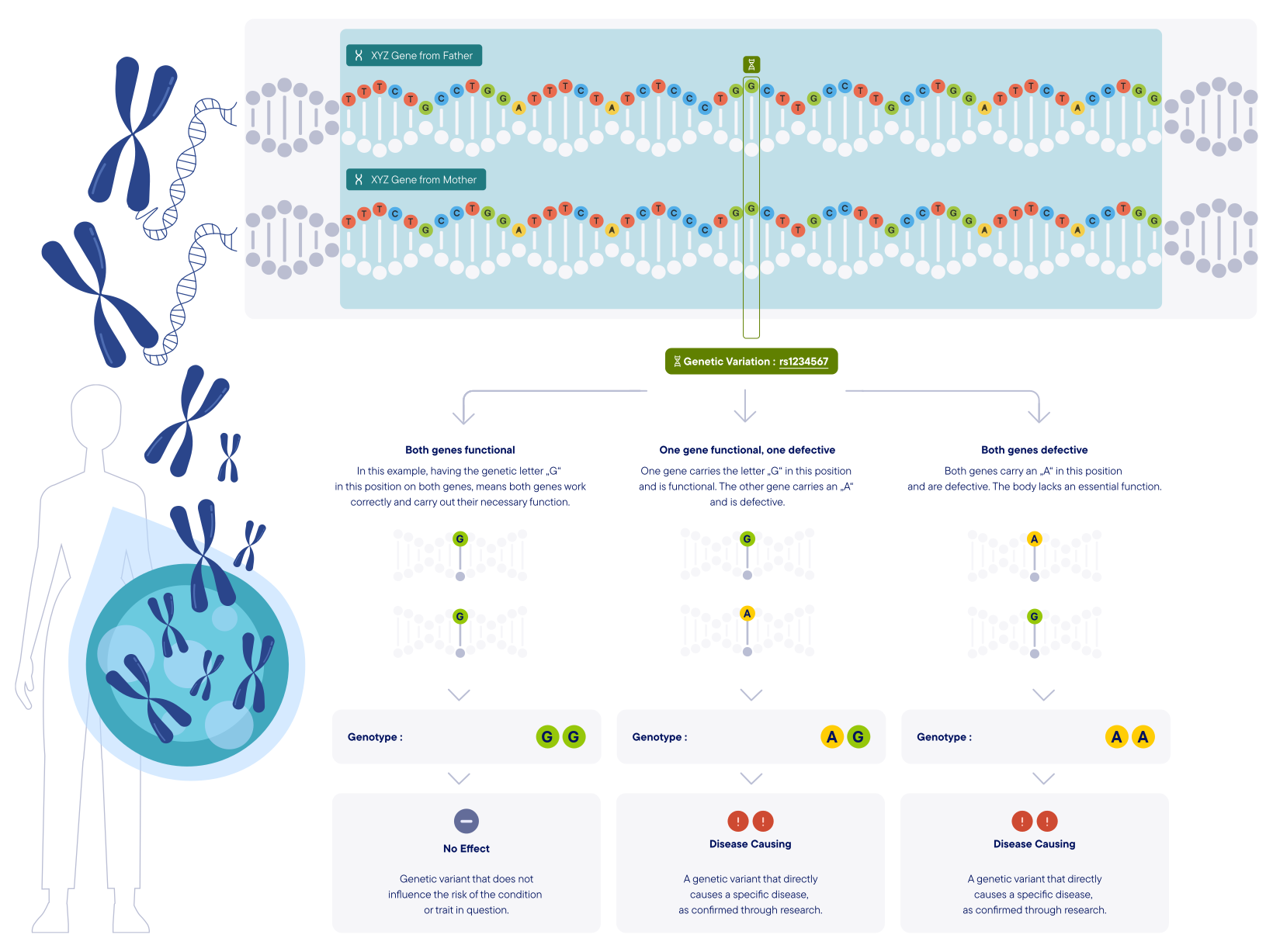
Humans have more than 20,000 genes, each carrying out one or a few specific functions in the body. One gene instructs the body to digest lactose from milk, another tells the body how to build strong bones and another prevents the body's cells from beginning to multiply uncontrollably and developing into cancer. As all of these genes combined are the building instructions for our body, a defect in one of these genes can have severe health consequences.
Through decades of genetic research, we know the genetic code of any healthy/functional human gene. We have also identified that in certain positions on a gene, some individuals may have a different genetic letter from the one you have. We call these hotspots "Genetic Variations" or "Variants" in short. In many cases, studies have been able to show that having the genetic letter "G" in the position makes you healthy, but having the letter "A" in the same position disrupts the gene function and causes a disease. Genopedia allows you to view these variants in genes and summarizes all that we know from scientific research, which genetic letters (Genotype) have good or bad consequences on your health or on your traits.
History
Throughout history, people have described sudden bouts of breathlessness that came in waves, especially at night or after exposure to smoke or dust. Community stories often described the condition as “tight chests” that eased with fresh air or certain herbal fumes. Caregivers in the past relied on open windows, upright sleeping, and steam, noticing that these approaches sometimes brought quick relief when symptoms flared.
From early written records to modern studies, doctors recognized that some people had ongoing breathing sensitivity with sharp, short-lived attacks layered on top. Ancient texts linked attacks to seasons, pollen, cold air, or strong emotions. In busy port cities, coal smoke and workplace dust were tied to worsening spells. By the 19th century, hand-held inhalers using plant extracts and later adrenaline-like compounds became common tools to calm an acute asthma attack, even as the root cause remained debated.
As medical science evolved, researchers moved from describing triggers to measuring airway narrowing during an attack. Mid-20th century spirometry confirmed that the airways could suddenly clamp down and then reopen, often within minutes after inhaled medicines. Hospitals created “asthma rooms” with oxygen, bronchodilators, and careful observation, reflecting a growing understanding that acute asthma could escalate quickly without prompt care.
In recent decades, knowledge has built on a long tradition of observation. Inhaled beta-agonists and corticosteroids became standard, and action plans taught people to recognize early symptoms of acute asthma—like a rising cough, chest tightness, or wheeze—and start treatment sooner. Emergency services adopted stepwise protocols, adding oxygen, repeated inhaler doses or nebulizers, and steroids, with magnesium or ventilation for severe cases. These advances, along with cleaner indoor air policies and smoking restrictions, helped reduce deaths in many regions.
Not every early description was complete, yet together they built the foundation of today’s knowledge. We now know that airway inflammation primes the lungs, and a sudden trigger—viral infections, allergens, smoke, exercise, or air pollution—can tip a person into an acute attack. Public health efforts during viral outbreaks have also highlighted how infections can surge attacks across communities, guiding prevention strategies.
Today’s history of acute asthma is still being written. Portable peak-flow meters, digital inhalers, and access to quick-relief medication have changed daily life for many living with asthma. At the same time, researchers continue to study why certain groups face higher risks during attacks and how to tailor treatments so that a brief flare stays brief—and breathing returns to easy, steady rhythm.