
Active cochlear Ménière's disease is a disorder of the inner ear that mainly affects hearing. People with active cochlear Ménière's disease often notice fluctuating hearing loss, fullness in the ear, ringing, and sound sensitivity, while vertigo may be absent or mild. Symptoms can come and go in episodes and may progress over months to years. Adults are most often affected, and the condition is usually long term but not life threatening. Treatment focuses on managing episodes with diet changes, diuretics, vestibular-safe hearing care, and sometimes injections or surgery, and many people manage well with treatment.
Overview
Active cochlear meniere's diseaseSymptoms
Early symptoms of active cochlear Meniere’s disease include fluctuating hearing problems—ringing, fullness, and muffled or distorted sounds—usually in one ear. Sound sensitivity and episodes where hearing dips then partly recovers are common. Mild imbalance can occur; spinning vertigo is uncommon.
Outlook and prognosis
Many living with active cochlear Ménière’s disease have hearing that fluctuates, often improving between episodes. Over time, some develop more stable hearing loss, usually in one ear first. Treatment, hearing protection, and regular follow-up can help preserve everyday communication.
Causes and risk factors
The exact cause of active cochlear Meniere's disease remains unclear, likely involving excess inner-ear fluid (endolymphatic hydrops) and immune or viral influences. Risks include family history, migraines, allergies, stress, high-salt diets, caffeine, alcohol, smoking, and barometric-pressure changes.
Genetic influences
Genetics likely play a modest role in active cochlear Ménière’s disease. Most cases appear sporadic, though family clustering and variants affecting inner-ear fluid regulation and immune pathways have been reported. Testing isn’t routine, but family history can inform risk discussions.
Diagnosis
Diagnosis of Active cochlear Meniere's disease relies on history of fluctuating hearing, tinnitus, and ear fullness, plus audiometry showing low-frequency sensorineural loss. Doctors exclude other inner-ear causes with exam, MRI when needed, and use electrocochleography or vestibular testing.
Treatment and drugs
Active cochlear Ménière’s disease is managed by easing inner ear pressure and calming nerve signals to reduce hearing swings, fullness, and tinnitus. Care may include low‑salt nutrition, diuretics, vestibular therapy, hearing support, and stress/sleep strategies. Some benefit from intratympanic steroids or, rarely, surgical options.
Symptoms
Sounds in one ear may suddenly seem muffled, pitchy, or crowded by a loud hum. These changes often come in flares and settle again, usually without the spinning attacks seen in the classic form. Early symptoms of Active cochlear meniere's disease often include fluctuating hearing, ringing, and a sense of fullness in one ear. Symptoms vary from person to person and can change over time.
Sounds in one ear may fade, feel muffled, then return, especially for lower-pitched tones. You might notice small changes at first, then bigger swings during a flare. In Active cochlear meniere's disease, these shifts often cluster in the same ear.
A steady or pulsating ringing, buzzing, or roaring can appear in the affected ear. It often grows louder when fullness or pressure builds, then settles as the ear eases. In Active cochlear meniere's disease, it may rise and fall with hearing changes.
A clogged, pressure-filled, or 'underwater' sensation can build over minutes to hours. Yawning or swallowing usually doesn’t clear it. This feeling is common in Active cochlear meniere's disease.
Music or voices may sound off-pitch or slightly warped, as if a note shifts between ears. This can make phone calls or listening in groups frustrating. Some people describe echoes or double tones.
How people usually first notice Active cochlear meniere's disease?
People with active cochlear Ménière’s disease usually first notice hearing changes in one ear that seem to come and go—things sound muffled, distorted, or unusually loud, and low tones may feel “boomy” or hard to catch. Many also describe a sense of ear fullness or pressure and bothersome ringing (tinnitus), without the spinning vertigo that classic Ménière’s disease often brings. These “first signs of active cochlear Ménière’s disease” often prompt an ear exam and hearing test when symptoms recur over days to weeks.
Types of Active cochlear meniere's disease
Active cochlear Ménière’s disease affects hearing more than balance, so day-to-day issues often center on sound: voices might feel muffled, tones can seem distorted, and ringing can flare without warning. People may notice different sets of symptoms depending on their situation. Clinicians often describe them in these categories: changes in hearing, sound sensitivity or distortion, ear pressure and fullness, and tinnitus, which can overlap and vary over time. Not everyone will experience every type, and the balance of symptoms can shift from week to week, which is why understanding the types of active cochlear Ménière’s disease can help you track patterns and discuss care options.
Fluctuating hearing loss
Sounds may fade in and out, especially in one ear. Speech can feel unclear during flares, then partially recover between episodes. Over months or years, some degree of permanent loss may develop.
Sound distortion/hyperacusis
Everyday noises can feel sharp or painfully loud. Music and voices may sound warped or pitch-shifted, making conversations tiring. Quiet environments may feel more comfortable than busy spaces.
Aural fullness/pressure
The affected ear can feel clogged or under pressure. This may build before or during hearing changes and settle afterward. Chewing or swallowing often does not relieve the sensation.
Tinnitus-dominant
Ringing, buzzing, or roaring can be the most noticeable problem. Loudness and tone often fluctuate with hearing shifts. Stress, lack of sleep, or illness may make it more intrusive.
What genetics can tell you about symptoms
Certain variants in ion-transport genes like SLC26A4 and genes affecting inner-ear fluid balance are linked to fluctuating hearing loss, ear fullness, and roaring tinnitus in active cochlear Ménière’s disease. These changes can disrupt inner-ear pressure signaling, triggering episodic sound distortion and sensitivity.
Causes and risk factors
The exact cause is unclear, but it involves a buildup of inner ear fluid, called endolymphatic hydrops. Active cochlear Meniere's disease often centers on hearing because this fluid pressure affects the cochlea. Doctors distinguish between risk factors you can change and those you can’t. Risks you cannot change include family history, being in midlife, and having migraine or autoimmune tendencies. Changeable factors include high salt intake, alcohol, caffeine, nicotine, stress, poor sleep, and allergies, which can trigger flares and early symptoms of Active cochlear Meniere's disease.
Environmental and biological risk factors
If you’re dealing with fluctuating hearing or a feeling of pressure in one ear, understanding what can raise risk may help you anticipate bad days and protect good ones. Active cochlear Meniere’s disease has no single cause, but certain body-based factors and outside exposures seem to make it more likely. Doctors often group risks into internal (biological) and external (environmental). Here are environmental risk factors for Active cochlear Meniere’s disease and biological influences that researchers commonly see.
When the immune system mistakenly targets inner ear tissues, ongoing inflammation can disturb fluid control. This biological tendency is linked to a higher chance of Active cochlear Meniere’s disease.
Sensitivity in nerves and blood vessels can reduce inner ear blood flow and disturb fluid signals. People with migraine show higher rates of Active cochlear Meniere’s disease.
Variations in the size or shape of inner ear fluid pathways can slow normal drainage. These structural differences can set the stage for pressure build-up and fluctuating hearing.
Viruses that inflame the inner ear can damage delicate membranes. After such infections, some develop longer-term fluid imbalance and unstable hearing.
Genetic risk factors
Genetics appear to play a role in active cochlear Meniere's disease, especially when several relatives share similar hearing patterns. Carrying a genetic change doesn’t guarantee the condition will appear. Family-linked risk may help explain early symptoms of active cochlear Meniere's disease showing up in more than one generation. Research points to both rare single-gene variants in some families and a more complex, multi-gene influence in others.

Family history: Having a parent, sibling, or child with the condition raises your likelihood compared with those without a family history. Clustering across generations is seen in a minority of families with active cochlear Meniere's disease.
Dominant inheritance: When the condition runs strongly in a family, the pattern often fits one-copy inheritance, known medically as autosomal dominant inheritance. Each child of an affected parent has a chance to inherit the risk, though the exact odds of symptoms can vary.
Reduced penetrance: Not everyone who inherits a risk variant develops symptoms. This can make the condition seem to skip a generation in active cochlear Meniere's disease.
Variable expression: The type and timing of symptoms can differ even within the same family. Some relatives have mainly hearing changes for years, while others later add occasional balance problems.
Rare gene changes: In a small number of families, a single gene change strongly increases risk. These rare changes often bring earlier onset or more frequent episodes of hearing fluctuation.
Polygenic background: For many people, several common genetic factors each add a small amount of risk. Together they may tilt the inner ear toward the fluid shifts linked with active cochlear Meniere's disease.
Fluid balance genes: Genes involved in salt and water movement in the inner ear are being studied as contributors. Variants in these pathways may make the cochlea more sensitive to pressure changes.
Hearing-loss overlap: Some inherited hearing disorders can mimic or overlap with Meniere-like features. In families with progressive hearing loss and episodic symptoms, the underlying gene may shape how active cochlear Meniere's disease presents.
Genetic testing clues: Testing tends to be most informative when several relatives are affected or symptoms start at a young age. Results can sometimes separate a Meniere-like picture from other inherited inner-ear conditions.
Lifestyle risk factors
Certain daily habits can make cochlear symptoms like tinnitus, aural fullness, and hearing fluctuation more likely to flare. The strongest signals point to diet, stimulants, sleep, stress, hydration, and activity level. Understanding the lifestyle risk factors for Active cochlear meniere's disease can help you reduce triggers and stabilize symptoms.
Excess sodium can promote inner-ear fluid shifts that worsen fullness and sound distortion. Choosing lower-salt meals may help stabilize hearing fluctuations.
Caffeine can heighten tinnitus loudness and aggravate sound sensitivity in some people. Cutting back on coffee, energy drinks, and strong tea may reduce flare-ups.
Alcohol may alter inner-ear fluid balance and blood flow, provoking tinnitus and hearing changes. Limiting intake or avoiding binge drinking can decrease unpredictable symptom swings.
Nicotine constricts blood vessels and can worsen cochlear oxygen delivery, increasing tinnitus intensity. Stopping smoking or vaping can help stabilize hearing and reduce ear pressure.
Risk prevention
Active cochlear Meniere's disease can’t always be prevented, but you can lower the chance of flare-ups and protect hearing over time. Prevention is about lowering risk, not eliminating it completely. Small, steady habits plus regular care often make day-to-day symptoms easier to manage.
Reducing sodium to about 2,000 mg (2 g) per day can lessen inner ear fluid swings. Read labels and limit processed foods, deli meats, and salty snacks.
Aim for consistent fluid intake across the day rather than large amounts at once. Keeping fluids steady may help stabilize inner ear pressure.
Caffeine, alcohol, and nicotine can worsen ringing and sound sensitivity. Cutting back or avoiding them may reduce sudden hearing fluctuations.
High stress and poor sleep can trigger symptom spikes. Relaxation routines and a regular sleep schedule help keep the system calmer.

Transmission
Active cochlear meniere's disease is not contagious, so it can’t be transferred through touch, shared air, food, or bodily fluids. Most cases occur sporadically with no clear family pattern, and genetic transmission of Active cochlear meniere's disease has not been established. In some families a tendency to inner ear fluid imbalance appears to run in relatives, which may slightly raise risk, but there is no single known gene and many with a family history never develop it. If you’re worried about how Active cochlear meniere's disease is inherited or your family’s risk, a healthcare professional or genetic counselor can review your history and advise next steps.
When to test your genes
Consider genetic testing if you developed Ménière-like symptoms before age 35, have bilateral hearing loss, or multiple relatives with early hearing/balance disorders. Testing may clarify inherited risk (e.g., rare variants in inner-ear or ion-transport genes) and guide surveillance, device choices, and medication precautions. Discuss results with a genetic counselor to align care.
Diagnosis
Living with Active cochlear meniere's disease can mean days when one ear feels full, sounds seem distorted, and a steady ringing makes conversations or calls harder than usual. Symptoms often come and go, which can make patterns tricky to spot at first. Doctors usually begin with your story and a hearing exam, and will explain how Active cochlear meniere's disease is diagnosed. Your care team will rule out other ear problems and use a few targeted tests to confirm the cause.
Your clinician asks about ear fullness, ringing, and fluctuating hearing, especially if these occur in one ear. Clear patterns over weeks to months are a key clue. Keeping notes on symptom timing can help.
A simple look in the ear helps rule out wax buildup, infection, or eardrum problems. The exam is usually normal in cochlear Ménière’s, which supports an inner-ear cause.
Pure-tone and speech testing check how well you hear quiet sounds and understand words. Fluctuating, often low‑pitch sensorineural hearing loss in one ear points toward cochlear involvement.
This quick pressure test checks how the eardrum moves and whether fluid is behind it. A normal result helps distinguish inner-ear causes from middle-ear issues like congestion or blockage.
Stages of Active cochlear meniere's disease
Active cochlear meniere's disease does not have defined progression stages. Symptoms usually come and go in episodes and mostly involve hearing, so clinicians monitor changes on hearing tests rather than a predictable step-by-step decline. Doctors usually start with a conversation about your ear symptoms and do hearing tests to look for fluctuating loss or sound distortion, and sometimes an MRI is used to rule out other causes. Keeping track of early symptoms of active cochlear meniere's disease—such as new tinnitus, ear pressure, or muffled hearing—can help your care team compare results over time.
Outlook and prognosis
Living with active cochlear Ménière’s disease, many notice hearing changes that ebb and flow—muffled sound in one ear, fullness, or tinnitus that spikes after stress or poor sleep. Many people find that symptoms improve between flare-ups, though the pattern can be unpredictable. The outlook is not the same for everyone, but some people have long quiet stretches with stable hearing, while others see gradual hearing loss over years. Severe vertigo is less prominent in the cochlear‑predominant form, so day-to-day safety risks and hospital visits tend to be lower than in classic Ménière’s disease.
Looking at the long-term picture can be helpful. Hearing often fluctuates early on, and repeated flare-ups can lead to more persistent loss in the affected ear. Mortality isn’t increased by active cochlear Ménière’s disease itself, but untreated symptoms can strain sleep, mood, and work, which affects quality of life. Early symptoms of active cochlear Ménière’s disease—like intermittent ear fullness and one‑sided ringing—are worth discussing promptly, because treatments aimed at reducing inner ear pressure and inflammation may help preserve hearing.
Understanding the prognosis can guide planning and practical choices. With ongoing care, many people maintain good function: using hearing protection in loud settings, managing salt intake, staying hydrated, and taking prescribed medicines can reduce flare frequency. If hearing declines, modern hearing aids, tinnitus therapies, and occasional procedures can improve clarity and reduce distress. Talk with your doctor about what your personal outlook might look like, including how often to monitor your hearing and when to consider changes in treatment.
Long-term effects
Many living with active cochlear Ménière’s disease wonder how hearing will change over time at work, in conversation, or while listening to music. People who remember the early symptoms of active cochlear Ménière’s disease—ear fullness and fluctuating hearing—often ask what the long-term picture looks like. Long-term effects vary widely, and they can shift from unpredictable ups and downs to a more settled pattern. Here’s what doctors and research know about how the condition may unfold for many people.
Hearing that once fluctuated can gradually become more consistently reduced, often starting in the low tones. Over years, loss may spread to middle and higher tones and become more permanent.
Ringing, buzzing, or roaring may become steady rather than coming and going. For some, the sound grows louder or more intrusive during flare-ups.
Tones and music can sound warped or tinny even when volume is adequate. This may reflect damage that changes how the ear processes complex sounds in active cochlear Ménière’s disease.
Understanding speech in restaurants or group settings often gets harder over time. Even when sounds are loud enough, clarity can drop as inner ear damage accumulates.
How is it to live with Active cochlear meniere's disease?
Living with active cochlear Ménière’s disease often means unpredictable swings in hearing, especially in one ear, with spells of muffled sound, roaring or ringing tinnitus, and fullness that can make conversations, phone calls, and crowded rooms exhausting. Many learn to plan their day around quieter spaces, carry ear protection, and pace activities to manage fatigue and the stress that comes from not knowing when symptoms will flare. Relationships and work can be affected—family, friends, and coworkers may need reminders to speak clearly, reduce background noise, and be patient during bad days—but clear communication and small accommodations usually make a big difference. Over time, people often build a toolkit of coping strategies and supports that restores confidence and keeps life moving.
Treatment and drugs
Active cochlear Ménière’s disease is treated by easing inner-ear pressure changes, calming vertigo if present, and protecting hearing as much as possible. Although living with active cochlear Ménière’s disease can feel overwhelming, many people manage their symptoms and live fulfilling lives. First steps often include a low-salt diet, adequate hydration, stress reduction, and medicines that reduce inner-ear fluid pressure, such as diuretics; nausea or motion-sickness drugs may help during flare-ups, and short courses of oral steroids are sometimes used to settle sudden hearing changes. If symptoms don’t improve, your doctor may suggest intratympanic injections (steroids placed through the eardrum), hearing support with hearing aids, or vestibular therapy; in more resistant cases, procedures that reduce inner-ear pressure (like endolymphatic sac surgery) may be considered. Keep track of how you feel, and share this with your care team, since treatment plans often combine several approaches and may need adjustment over time.
Non-drug treatment
Non-drug care can help steady day-to-day hearing and ringing, and reduce flare-ups. Non-drug treatments often lay the foundation for managing Active cochlear meniere's disease alongside any medicines your clinician may suggest. Most steps aim to limit inner-ear fluid swings, protect hearing, and lower stress on the system. Small, consistent habits tend to work better than quick fixes.
Reducing daily salt helps limit inner-ear fluid shifts that can drive symptoms. Aim for steady, moderate sodium across meals rather than a strict cutoff.
Coffee, tea, energy drinks, and alcohol can worsen ringing or sound sensitivity in some people. Try cutting back and see if symptoms of Active cochlear meniere's disease settle.
Drinking water regularly helps avoid sharp fluid changes. Spread fluids evenly through the day instead of large amounts at once.
Stress can tighten the link between tinnitus and distress. Techniques like breathing exercises or mindfulness may ease symptom spikes.
Your genes may have an impact on how drugs work for you
Genes can change how your body processes certain medicines for active cochlear Ménière’s disease, affecting dose needs, side effects, and how well they work. Pharmacogenetic testing, when available, can guide safer choices for diuretics, anti-nausea drugs, and anxiety-calming medications.
Pharmacological treatments
Medicines for active cochlear Meniere's disease focus on calming inner-ear fluid shifts, protecting hearing during flare-ups, and easing bothersome ringing. Plans are personalized and may change over time depending on how your hearing and symptoms fluctuate. Not everyone responds to the same medication in the same way. Treatments aim to stabilize hearing and reduce ringing, especially when early symptoms of active cochlear Meniere's disease appear.
Hydrochlorothiazide with triamterene, or acetazolamide, can lower inner-ear fluid pressure to reduce fullness and fluctuations in active cochlear Meniere's disease. They may lessen hearing swings and tinnitus over weeks. Blood tests may be needed to monitor salts and hydration.
Widely used in Europe, betahistine may help reduce tinnitus and hearing fluctuation in active cochlear Meniere's disease. In the US it’s not FDA-approved but can be obtained through compounding pharmacies. Common effects include stomach upset or headache.
A short course of prednisone can be used for sudden hearing drops or intense flares. It may restore some hearing or reduce ringing when started promptly. Side effects can include mood changes, sleep issues, or higher blood sugar.
Dexamethasone injections placed through the eardrum can calm inner-ear inflammation and protect hearing. This clinic procedure targets the ear directly and may help when pills are not enough in active cochlear Meniere's disease. Temporary ear fullness or brief dizziness can occur after treatment.
Genetic influences
Research shows that some families have multiple members with Active cochlear Meniere's disease or similar inner-ear problems, pointing to a genetic contribution. Family history is one of the strongest clues to a genetic influence. For most people, Active cochlear Meniere's disease seems to be complex—likely shaped by several genes working together with non-genetic factors such as immune system activity, infections, and how the body manages salt and fluid in the inner ear. Having a close relative with Meniere’s-like symptoms raises your chance compared with the general population, but it does not make the condition inevitable. Rare families show patterns that look inherited, and researchers have linked gene changes that affect inner-ear fluid control or immune signaling; still, no single gene explains most cases. Because of this complexity, routine genetic testing is not standard for Active cochlear Meniere's disease, though discussing your family history with a genetic counselor may be helpful if several relatives are affected, symptoms start young, or hearing problems occur in both ears.
Is Active cochlear meniere's disease genetic?
Genetics likely play a modest role in active cochlear Ménière’s disease. Most cases appear sporadic, though family clustering and variants affecting inner-ear fluid regulation and immune pathways have been reported. Testing isn’t routine, but family history can inform risk discussions.
Pharmacogenetics—how genetics influence drug effects
For people living with active cochlear Meniere’s disease, treatment often involves diuretics, steroids given by mouth or into the ear, and in some countries betahistine; your genes can sometimes influence how well these work or whether side effects show up. With common diuretics such as hydrochlorothiazide or acetazolamide, most of the drug leaves the body through the kidneys rather than the liver, so genetics seems to play a smaller role than kidney function, salt intake, and other medicines. Steroid response varies widely, and inherited differences in how steroid signals are handled in the body may help explain why one person’s hearing steadies after a steroid injection while another’s does not. If aminoglycoside antibiotics are ever on the table—for ear procedures or for serious infections—some families carry mitochondrial changes that greatly raise the risk of permanent hearing damage, so doctors are cautious and may choose alternatives. Not every difference in response is genetic, but careful review of your medicines, other health conditions, and timing of symptoms usually guides safer choices. At this time, pharmacogenetic testing for Meniere’s disease is not routine, though testing for specific antibiotic risks can be useful when there’s a history of sudden hearing loss after these drugs.
Interactions with other conditions
Day to day, flares of seasonal allergies, a sinus infection, or even a bad cold can make ear pressure and ringing feel more intense for people with active cochlear Meniere’s disease. Doctors call it a “comorbidity” when two conditions occur together. Migraine is a common overlap; sound sensitivity and head pain can spike alongside tinnitus, and the shared triggers can make it hard to tell which condition is driving the bad day. Some immune-related illnesses can also involve the inner ear, so if hearing changes are sudden or keep shifting, clinicians may look for autoimmune clues alongside active cochlear Meniere’s disease. Anxiety, stress, and poor sleep often interact with tinnitus, sometimes making it seem louder or more intrusive, while the ear symptoms themselves can raise stress in a frustrating loop. Early symptoms of active cochlear Meniere’s disease can resemble age-related or noise-related hearing loss, and they may also be confused with migraine-related sound sensitivity, so working with the right specialists can help sort out what’s connected and guide treatment.
How genes can cause diseases
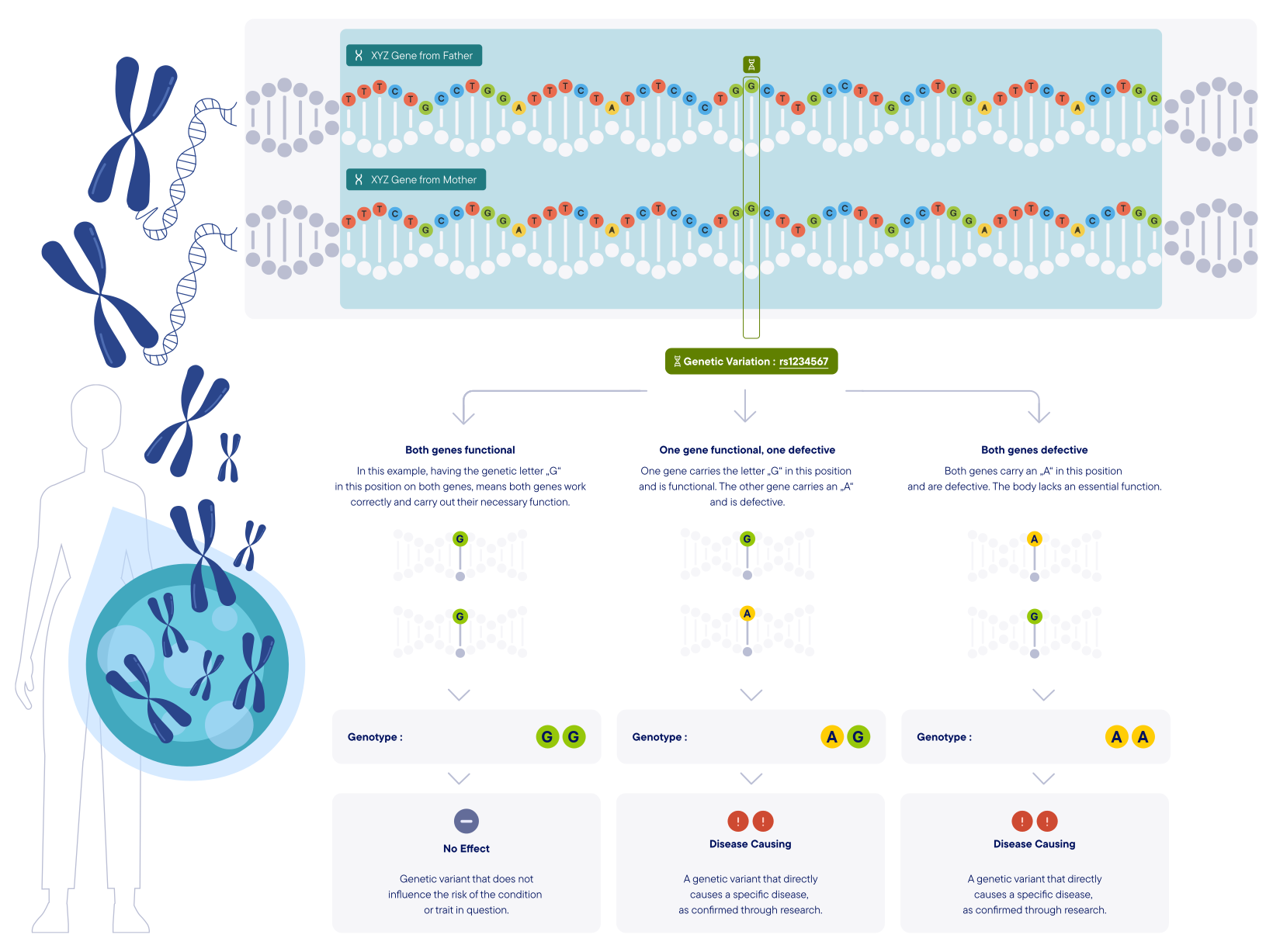
Humans have more than 20,000 genes, each carrying out one or a few specific functions in the body. One gene instructs the body to digest lactose from milk, another tells the body how to build strong bones and another prevents the body's cells from beginning to multiply uncontrollably and developing into cancer. As all of these genes combined are the building instructions for our body, a defect in one of these genes can have severe health consequences.
Through decades of genetic research, we know the genetic code of any healthy/functional human gene. We have also identified that in certain positions on a gene, some individuals may have a different genetic letter from the one you have. We call these hotspots "Genetic Variations" or "Variants" in short. In many cases, studies have been able to show that having the genetic letter "G" in the position makes you healthy, but having the letter "A" in the same position disrupts the gene function and causes a disease. Genopedia allows you to view these variants in genes and summarizes all that we know from scientific research, which genetic letters (Genotype) have good or bad consequences on your health or on your traits.
History
Families and communities once noticed patterns: a relative who kept a hand to one ear at market, an aunt who avoided festivals because music and crowd noise made the room spin. Long before hearing tests, people with what we now call active cochlear Ménière’s disease described spells of muffled or fluctuating hearing, fullness in one ear, and bouts of imbalance that could derail a workday.
Throughout history, people have described sudden roaring sounds in the ear and “seasick” dizziness without a storm in sight. In the 19th century, the French physician Prosper Ménière linked these attacks to the inner ear rather than the brain, a shift that redirected care toward the balance and hearing organs. Early accounts focused on dramatic vertigo, so those with mainly hearing symptoms were often missed or folded into other diagnoses.
Over time, descriptions became more precise. As hearing tests and tuning forks gave way to audiograms and imaging, clinicians noticed that some people had a prominent cochlear picture—fluctuating hearing loss, pressure, and ringing—while vertigo was milder or intermittent. This led to terms like “cochlear Ménière’s,” used to reflect the inner-ear focus when hearing symptoms dominated daily life.
Medical classifications changed as specialists recognized a spectrum rather than a single presentation. Diagnostic criteria evolved to separate definite vertigo-driven Ménière’s from forms where the cochlea is more actively involved. This shift mattered in clinics: people whose main complaint was changing hearing could be identified earlier, counseled about triggers, and offered hearing-focused support.
In recent decades, awareness has grown as better tools captured what patients were reporting for generations: hearing that comes and goes, a sense of ear fullness, and sound sensitivity that makes conversation or music tiring. Inner-ear fluid pressure, called endolymphatic hydrops, emerged as a common thread across these forms, although the exact cause can vary by person and over time.
Advances in genetics and imaging added nuance but did not replace careful listening to lived experience. Family stories sometimes revealed clusters of similar symptoms, while modern tests showed that inner-ear changes could ebb and flow, matching the stop-and-start nature of active cochlear Ménière’s disease. Not every early description was complete, yet together they built the foundation of today’s knowledge.
Today, the history of active cochlear Ménière’s disease is still being written. The name helps signal that hearing symptoms can lead the picture, even when vertigo is less frequent. For many, this can mean earlier recognition of subtle warning signs, more tailored treatment, and a clearer path to support that aligns with how the condition actually shows up day to day.