
Acropectorovertebral dysplasia is a rare genetic condition that affects bone growth in the hands, feet, chest, and spine. People with acropectorovertebral dysplasia often have extra or fused fingers or toes, and a short or curved spine that can cause back stiffness or pain. Features are present from birth and tend to be lifelong, though the pattern and severity can vary. Care usually focuses on supportive therapies, bracing, and orthopedic surgeries when needed, and many people do well with tailored care. Genetic testing may help confirm the diagnosis and guide family planning.
Overview
Acropectorovertebral dysplasiaSymptoms
Acropectorovertebral dysplasia causes congenital differences of the hands, feet, chest, shoulders, and spine. Typical signs are fused or extra fingers/toes, short or missing bones, chest wall or shoulder blade changes, and spinal abnormalities affecting posture or movement.
Outlook and prognosis
Most people with acropectorovertebral dysplasia grow up with stable limb differences and spine changes that benefit from early, tailored care. Mobility, hand function, and comfort often improve with orthotics, physical therapy, and selective surgery. Ongoing checkups help address scoliosis and joint concerns over time.
Causes and risk factors
Acropectorovertebral dysplasia usually results from a single‑gene change, often autosomal dominant, and can occur as a new (de novo) variant. Family history is the main risk; advanced paternal age may slightly increase new‑mutation risk. No proven environmental or lifestyle causes.
Genetic influences
Genetics are central in Acropectorovertebral dysplasia; it is typically caused by pathogenic variants inherited in an autosomal dominant pattern. A single altered copy can be enough, though new (de novo) variants also occur. Genetic testing and counseling are important for families.
Diagnosis
Doctors suspect it based on clinical features seen at birth or early childhood, including limb and spine differences; confirm with imaging and targeted genetic tests. A multidisciplinary review helps rule out similar disorders. Genetic diagnosis of Acropectorovertebral dysplasia guides care.
Treatment and drugs
Treatment for acropectorovertebral dysplasia focuses on function, comfort, and growth. Care often includes orthopedic surgery for bone and hand differences, physical and occupational therapy, pain management as needed, and monitoring of the spine and chest as children develop. Multidisciplinary teams tailor plans over time.
Symptoms
Families often first notice differences in the hands, feet, shoulders, or spine rather than health problems. Features vary from person to person and can change over time. Parents may first spot early features of Acropectorovertebral dysplasia in the shape of the hands and feet or in how high the arms can lift.
In Acropectorovertebral dysplasia, the hands and feet often look different at birth. Clinicians call this syndactyly or polydactyly, which means some fingers or toes are joined or extra. These differences can affect grip, typing, or finding shoes that fit comfortably.
Differences in the shoulder blades and upper chest can limit how high the arms lift. Reaching overhead, lifting, or sports that involve throwing may be harder. One shoulder may sit higher than the other, which can change posture.
Changes in the neck bones can make the neck look shorter and reduce turning or tilting. Long car rides or activities that need frequent head-turning can feel tiring.
Some people have a curve in the upper back or spine. This can lead to stiffness or tired back muscles after standing or walking for a while.
How people usually first notice Acropectorovertebral dysplasia?
Many families first notice acropectorovertebral dysplasia in infancy because a baby’s hands look different, with short or missing fingers or thumbs and stiff or webbed joints that limit movement. As a child grows, doctors often recognize additional features on exam or X‑ray, such as unusually shaped shoulder blades or collarbones and vertebral changes that can affect posture or neck movement—these are common first signs of acropectorovertebral dysplasia. In some cases, the condition is first picked up before birth during an ultrasound that shows limb differences.
Types of Acropectorovertebral dysplasia
Acropectorovertebral dysplasia is a rare genetic condition with a few recognized clinical variants. These variants differ mainly in which bones are most affected and how strongly features appear in the hands, feet, chest, and spine. People may notice different sets of symptoms depending on their situation. Knowing the types of acropectorovertebral dysplasia can help set expectations about early symptoms and long‑term monitoring.
F syndrome (classic)
This variant typically causes extra fingers or toes and broad thumbs or big toes, along with differences in the chest and upper spine. Hand and foot changes tend to be more noticeable early, while spine and rib features may be picked up on imaging.
Brearley type
Features are similar but often milder in the hands and feet, with subtler spinal and chest differences. Some may have fewer extra digits and more modest changes in the vertebrae and ribs.
Syndactyly‑predominant
Webbing or fusion between fingers or toes stands out more than extra digits, with chest and spine changes present to varying degrees. Grip, shoe fit, or fine‑motor tasks may be the first clues families notice.
Severe axial variant
Spine and chest involvement is more pronounced, sometimes with vertebral shape differences that need closer monitoring. Hand and foot findings are present but may be less striking than the back and rib changes.
What genetics can tell you about symptoms
Variants in the FLNB gene can disrupt how bone and cartilage form, leading to short stature, extra or fused fingers or toes, curved forearms, and spine differences like scoliosis. These changes arise because faulty filamin B protein alters cell scaffolding and joint shaping during growth.
Causes and risk factors
Acropectorovertebral dysplasia is caused by a change in a single gene that is present from birth. It may be inherited from an affected parent, or it can occur as a new change even when no one else in the family is affected. The main risk factors for acropectorovertebral dysplasia are having a parent with the condition or carrying the gene change. Some risks are modifiable (things you can change), others are non-modifiable (things you can’t). Family history is not changeable, but healthy prenatal care and avoiding harmful exposures support development and may reduce complications.
Environmental and biological risk factors
Acropectorovertebral dysplasia is a rare condition present from birth. Most influences on whether it occurs are set very early, and clear environmental links are limited. Doctors often group risks into internal (biological) and external (environmental). Below are environmental and biological risk factors for acropectorovertebral dysplasia that doctors may consider, recognizing that evidence for many is still limited.
As men get older, age-related changes in reproductive cells become more common, which can raise the chance of rare conditions starting at conception. This general pattern is reported in several skeletal disorders; a direct link to acropectorovertebral dysplasia has not been proven.
When diabetes is not well controlled around conception, the risk of limb and spine differences in the baby is higher. Tight glucose management before and during early pregnancy lowers overall birth-defect risk.
High-dose radiation in the first weeks of pregnancy can disrupt skeletal development. No direct connection to acropectorovertebral dysplasia is established, yet avoiding nonessential exposure is standard practice.
Lead, mercury, and similar toxic metals can affect fetal growth and bone formation. Reducing exposure supports healthy development.
Genetic risk factors
Acropectorovertebral dysplasia is usually linked to a single gene change that guides early growth of the hands, feet, chest, and spine. Carrying a genetic change doesn’t guarantee the condition will appear. In many families, inheritance is autosomal dominant, though some children are the first in their family due to a new change. Some families first notice early symptoms of Acropectorovertebral dysplasia on prenatal imaging or at birth, and genetic testing can confirm the cause.

Single-gene changes: A change in a single gene involved in limb and spine development is the root cause. This change alters how bones and joints form before birth. Genetic testing can look for this change.
Autosomal dominant: If a parent carries the causative change, each child has a 50% (1 in 2) chance of inheriting it. This pattern is often seen in Acropectorovertebral dysplasia.
De novo variants: Sometimes the change occurs for the first time in a child, with both parents testing negative. In that situation, the chance of it happening again is usually low, though your team may discuss a small residual risk.
Variable expressivity: People with the same genetic change can look quite different. One relative may have subtle hand differences, while another has more noticeable limb and spine findings.
Reduced penetrance: Some who inherit the change show few or no outward features. This can make the family history of Acropectorovertebral dysplasia look skipped even when the change is present.
Parental mosaicism: A parent can carry the change in some, but not all, of their egg or sperm cells. Standard blood testing may look negative, yet there remains a small chance of another affected pregnancy.
Genetic confirmation: Sequencing tests can identify the exact change and confirm Acropectorovertebral dysplasia. Knowing the familial change enables targeted testing for relatives or during a future pregnancy.
Lifestyle risk factors
Acropectorovertebral dysplasia is a genetic condition; lifestyle habits do not cause it, but they can shape day-to-day function, symptom control, and risk of complications. Understanding how lifestyle affects Acropectorovertebral dysplasia helps people prioritize choices that protect the spine, chest, and limbs. The elements below connect specific habits to likely effects on mobility, breathing, pain, and long-term joint health. These are not cures, but practical levers to improve outcomes.
Supervised, low-impact training maintains joint mobility and muscle support around atypical vertebrae and limbs. Avoiding high-impact or torsional activities reduces pain flares and injury risk.
Neutral posture, lumbar support, and adaptive tools reduce strain on the spine and pectoral girdle. Regular micro-breaks and proper desk setup may prevent nerve irritation and overuse pain.
Extra body weight increases mechanical load on malformed joints and vertebrae. Modest weight control can lessen pain and slow degenerative wear in the spine and shoulders.
Adequate calcium, vitamin D, and protein support bone strength where vertebral and limb anomalies raise fracture risk. Addressing deficiencies may reduce fragility and aid recovery after procedures.
Risk prevention
Acropectorovertebral dysplasia is a genetic skeletal difference present from birth, so prevention focuses on reducing complications and supporting healthy growth and function. Catching issues early—like spine curvature, tight tendons, or hand and foot limitations—can lower the chance of pain or lasting problems. Even if you can’t remove all risks, prevention can reduce their impact. Knowing the early symptoms of Acropectorovertebral dysplasia and having a plan with your care team helps guide timely therapy and monitoring.
A genetics visit can explain inheritance and chances for children. It also reviews testing options before or during pregnancy.
Preconception testing and IVF with embryo testing may reduce the chance of passing on the condition. Prenatal testing can prepare families and teams for delivery and newborn care.
Delivery at a hospital with pediatric orthopedics can speed early assessments. Early splints or casts may guide hand or foot position safely.
Scheduled visits watch for scoliosis and joint stiffness in Acropectorovertebral dysplasia. Early bracing or therapy can prevent small issues from becoming bigger ones.

Transmission
Acropectorovertebral dysplasia is a genetic condition; it isn’t contagious and can’t be caught or spread through touch, coughing, sex, blood, or breastfeeding. The only way it is passed on is through genes from parent to child.
In most families, Acropectorovertebral dysplasia follows an autosomal dominant pattern—one changed copy of the gene is enough to cause the condition, so each child of an affected parent has a 50% chance to inherit it. Sometimes it appears for the first time in a family because of a new (de novo) genetic change; when that happens, the chance for another child to be affected is usually low, though not zero, because a parent could carry the change in a small number of egg or sperm cells. If you’re wondering how Acropectorovertebral dysplasia is inherited in your family, a genetic counselor or clinical geneticist can offer personalized guidance.
When to test your genes
Consider genetic testing if you, your child, or close relatives have features of acropectorovertebral dysplasia, such as limb differences or spine anomalies, especially if these appeared early. Test before pregnancy or early in pregnancy if there’s a family history, to guide reproductive and prenatal options. Testing also helps tailor surveillance for bones, growth, and related complications.
Diagnosis
For many, the first step comes when everyday activities start feeling harder, prompting an evaluation of bone and joint differences. Doctors usually begin with a careful physical exam and X-rays, then confirm findings with genetic testing. Early and accurate diagnosis can help you plan ahead with confidence. In many cases, the genetic diagnosis of Acropectorovertebral dysplasia is made by recognizing a specific pattern of limb and spine features and confirming it with DNA testing.
Doctors look for a consistent pattern of hand, foot, chest, and spine differences. They also note height, limb proportions, joint range, gait, and any functional limits.
A detailed family and health history can help connect current findings with patterns seen in relatives. This may suggest whether Acropectorovertebral dysplasia runs in the family and guide which tests to order.
A series of X-rays maps bone shape and alignment across the whole body. The combination of limb and vertebral changes can point toward Acropectorovertebral dysplasia and away from similar skeletal dysplasias.
MRI or CT may be used if X-rays suggest vertebral differences or possible pressure on nerves. These scans help define anatomy and check spinal cord safety.
Stages of Acropectorovertebral dysplasia
Acropectorovertebral dysplasia does not have defined progression stages. It’s a congenital pattern of bone differences that’s present from birth and generally stays relatively stable, though the impact on movement or daily tasks can change as a child grows. Different tests may be suggested to help confirm the diagnosis, such as X-rays and, in some cases, genetic testing. If questions arise about early symptoms of acropectorovertebral dysplasia in a child, doctors typically monitor development over time and tailor care as needed.
Outlook and prognosis
Many people ask, “What does this mean for my future?”, and with acropectorovertebral dysplasia the picture is quite individual. This rare skeletal condition often affects growth of the hands, feet, chest, and spine, so day-to-day life may include adapted footwear, hand supports, or physical therapy to keep joints flexible. Doctors call this the prognosis—a medical word for likely outcomes. Most children with acropectorovertebral dysplasia grow into adulthood, attend school, and work, though they may need periodic orthopedic care and, at times, surgery to correct limb or spine alignment.
Some people experience early symptoms of acropectorovertebral dysplasia in infancy or childhood, such as clubfoot, extra or fused digits, or a curved spine, while others notice milder changes that become clearer with growth spurts. Breathing or heart concerns are uncommon but can happen if chest shape limits lung space or if there’s an associated heart difference; specialists will screen for these because they influence long-term health. In medical terms, the long-term outlook is often shaped by both genetics and lifestyle. With consistent follow‑up, many living with acropectorovertebral dysplasia maintain mobility and independence, though height and hand function may remain limited.
Severe complications are possible but not the norm; life expectancy is typically near average when the spine and chest are monitored and treated as needed. Understanding the prognosis can guide planning and help families set realistic goals for schooling, sports, and future work. Genetic testing can sometimes provide more insight into prognosis, especially when the specific gene change is known in the family. Talk with your doctor about what your personal outlook might look like, including any warning signs—like worsening back pain, breathing changes, or new numbness—that should prompt a sooner visit.
Long-term effects
Acropectorovertebral dysplasia is a rare, inherited condition that mainly affects the hands, feet, spine, and chest. Many families first notice early symptoms of acropectorovertebral dysplasia in infancy, but the long-term picture depends on how bones and joints grow over time. Long-term effects vary widely, even within the same family. Most people have a typical life span; daily function often reflects the degree of limb and spine involvement.
Differences in finger shape or fusion can limit grip strength and fine dexterity. Tasks like buttoning, typing, or opening jars may take longer or require alternate techniques.
Foot structure differences can affect balance, gait, and endurance. Some may notice uneven shoe wear or fatigue with longer walks.
Curvature of the spine (scoliosis) can increase during growth and may stabilize in adulthood. For some, this leads to back stiffness or aches over time.
Changes in the chest or breastbone position can influence posture and, in a few people, exercise tolerance. Most keep normal day‑to‑day breathing, but strenuous activity may feel harder if the chest is tight.
How is it to live with Acropectorovertebral dysplasia?
Daily life with acropectorovertebral dysplasia often revolves around adapting to differences in limb shape or length, hand and foot function, and possible spine or chest wall changes, which can affect fine motor tasks, walking distance, or posture. Many find that early and ongoing support—physical and occupational therapy, tailored shoes or braces, and adaptive tools—helps protect joints, ease discomfort, and maintain independence at school, work, and home. Family, friends, and coworkers may need to adjust expectations around pace or lifting and provide practical help during flares of pain or after procedures, but most day-to-day connections deepen with clear communication and planning. Socially, honest conversations about access, fatigue, and mobility can reduce misunderstandings and make shared activities more comfortable for everyone.
Treatment and drugs
Acropectorovertebral dysplasia is treated by focusing on comfort, function, and growth, since there’s no single cure for the underlying bone and joint changes. Care usually involves a team that may include pediatric orthopedics, genetics, physical and occupational therapy, and sometimes hand or spine surgery to improve mobility, reduce pain, and support everyday activities. Supportive care can make a real difference in how you feel day to day, such as tailored exercises, bracing for joint stability or scoliosis, and adaptive tools that make tasks at school or work easier. Pain is managed with age-appropriate medicines when needed, and doctors sometimes recommend a combination of lifestyle changes and drugs to address symptoms like stiffness or inflammation. Regular follow-up tracks growth, spine alignment, and hand and foot function over time, and your doctor can help weigh the pros and cons of each option if surgery or other procedures are being considered.
Non-drug treatment
Living with acropectorovertebral dysplasia often affects how hands work, how feet bear weight, and how the spine and chest support breathing and movement day to day. Spotting early symptoms of acropectorovertebral dysplasia helps teams start supportive care at the right time. Non-drug treatments often lay the foundation for function, comfort, and independence alongside any needed procedures.
Targeted exercises build strength, flexibility, and balance. This supports posture, walking, and joint protection. Home routines help maintain gains between visits.
Training focuses on self-care, school, and work skills. Adaptive techniques and tools make daily tasks easier. Hand splints can position fingers for better function.
Procedures can improve grasp or walking by realigning bones or releasing tight tissues. Timing considers growth, function, and family goals. Therapy afterward helps lock in improvements.
Custom insoles, ankle-foot supports, or hand splints improve alignment and stability. They can reduce fatigue and protect joints. Regular refitting keeps up with growth.
Your genes may have an impact on how drugs work for you
Even with a rare bone condition like acropectorovertebral dysplasia, your genes can shape how your body processes pain medicines, muscle relaxants, or anesthesia. Pharmacogenetic differences may affect dose needs, side effects, and safety, so clinicians sometimes adjust medications or consider genetic testing.
Pharmacological treatments
Medicines for acropectorovertebral dysplasia mainly aim to ease pain, reduce inflammation, and support day-to-day function; they don’t change bone shape once it has formed. Early symptoms of acropectorovertebral dysplasia like joint aches or muscle strain are usually managed with simple pain relief first, then stepped up if needed. Drugs that target symptoms directly are called symptomatic treatments. Your care team will tailor choices to age, other health needs, and any planned surgeries or physical therapy.
Acetaminophen (paracetamol) can ease day-to-day aches with a lower risk of stomach irritation. Nonsteroidal anti-inflammatory drugs (NSAIDs) like ibuprofen or naproxen target pain and swelling.
Diclofenac gel can be rubbed on sore joints or tendons to calm localized pain. This may help when oral NSAIDs are not tolerated or are best avoided.
If nerve-type pain develops, gabapentin or pregabalin may reduce burning or shooting sensations. Duloxetine is another option that can help with chronic musculoskeletal pain.
Short-term use of cyclobenzaprine or methocarbamol may ease muscle spasms triggered by altered posture or gait. These can cause drowsiness, so they’re often used at night or for brief periods.
Genetic influences
Genetics play a central role in how this condition shows up within families. Family history is one of the strongest clues to a genetic influence. In most reported families, acropectorovertebral dysplasia follows an autosomal dominant pattern, so an affected parent has about a 1 in 2 (50%) chance of passing the gene change to each child.
Sometimes, a child is the first in the family to have acropectorovertebral dysplasia because the gene change happened for the first time. Features can differ widely—even among relatives—with some having more noticeable hand or chest differences and others mainly spine findings. Genetic testing and counseling may be offered, especially when early symptoms of acropectorovertebral dysplasia are recognized in a child or when a parent is known to be affected, to clarify risks for relatives and future pregnancies.
Is Acropectorovertebral dysplasia genetic?
Genetics are central in Acropectorovertebral dysplasia; it is typically caused by pathogenic variants inherited in an autosomal dominant pattern. A single altered copy can be enough, though new (de novo) variants also occur. Genetic testing and counseling are important for families.
Pharmacogenetics—how genetics influence drug effects
Care for acropectorovertebral dysplasia often involves orthopedic surgery, pain relief, and rehabilitation, so the medicines used around procedures matter. The gene changes that cause acropectorovertebral dysplasia are not known to directly change how drugs work or which treatments are recommended. Still, other common gene differences can affect medications used during surgery and recovery for acropectorovertebral dysplasia, including how you respond to certain opioids, anti-inflammatory drugs, or blood thinners if they’re prescribed. For example, differences in a gene called CYP2D6 can make codeine or tramadol either too weak or too strong, and variants in genes such as CYP2C9 and VKORC1 can influence safe dosing of warfarin. Genetic testing can sometimes identify how your body processes certain pain medicines or clears specific drugs, which can help your care team personalize dosing or pick alternatives. Age, kidney and liver health, other medicines, and nutrition also play a big role, so your team will consider the full picture. If you or a family member has ever had a serious reaction to anesthesia, let your surgical team know well before any procedure, as rare inherited anesthesia sensitivities are managed with specific drug choices.
Interactions with other conditions
People with Acropectorovertebral dysplasia often manage mostly orthopedic issues, so interactions with other diseases tend to involve bones, joints, nerves, and breathing. Curvature of the spine or chest shape differences can make breathing shallower; if asthma or chronic bronchitis is also present, flare-ups may feel more intense and shortness of breath can come on faster with exercise. Hand and wrist differences sometimes increase strain on tendons and nerves; when conditions like diabetes or thyroid disease are also in the picture, numbness or carpal tunnel–type symptoms can be more noticeable. Over time, joint wear can lead to osteoarthritis; if someone already has a pain condition, the combined discomfort may limit activity more than either issue alone. Early symptoms of Acropectorovertebral dysplasia can overlap with other skeletal disorders, so clear diagnosis matters to avoid treatments that work for one condition but not the other. Talk with your doctor about how your conditions may influence each other.
How genes can cause diseases
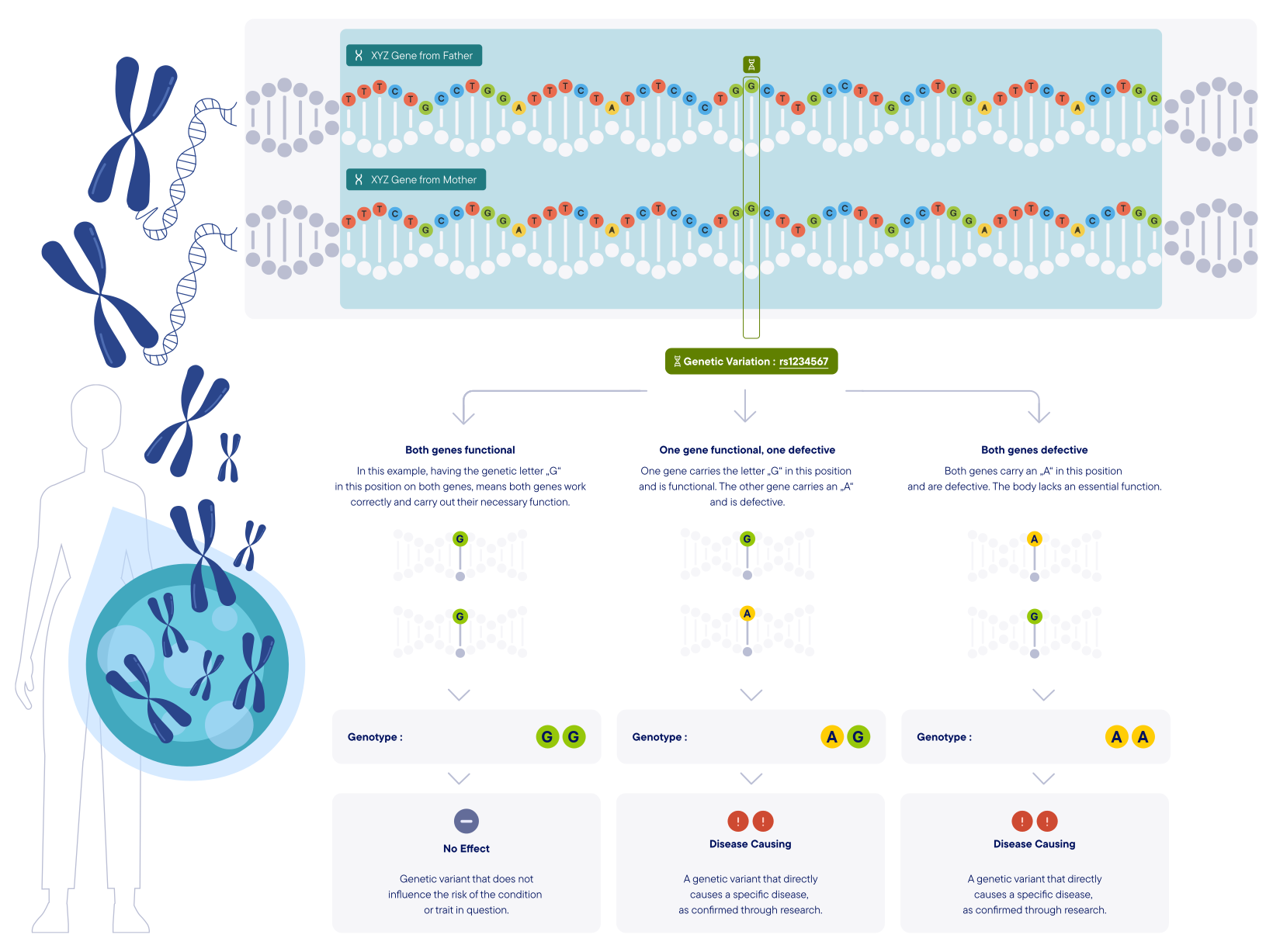
Humans have more than 20,000 genes, each carrying out one or a few specific functions in the body. One gene instructs the body to digest lactose from milk, another tells the body how to build strong bones and another prevents the body's cells from beginning to multiply uncontrollably and developing into cancer. As all of these genes combined are the building instructions for our body, a defect in one of these genes can have severe health consequences.
Through decades of genetic research, we know the genetic code of any healthy/functional human gene. We have also identified that in certain positions on a gene, some individuals may have a different genetic letter from the one you have. We call these hotspots "Genetic Variations" or "Variants" in short. In many cases, studies have been able to show that having the genetic letter "G" in the position makes you healthy, but having the letter "A" in the same position disrupts the gene function and causes a disease. Genopedia allows you to view these variants in genes and summarizes all that we know from scientific research, which genetic letters (Genotype) have good or bad consequences on your health or on your traits.
History
Throughout history, people have described families in which several children were born with unusually short fingers and toes and stiff backs, while others in the same family seemed only mildly affected. Community stories often described the condition by how it showed up in everyday life—difficulty reaching, shoes that never quite fit, or a child who couldn’t bend their spine easily—long before doctors had a name for it. Oral histories preserved patterns across generations, hinting that the changes could be inherited.
First described in the medical literature as a pattern of hand, foot, and spine differences, Acropectorovertebral dysplasia was initially grouped with broader skeletal disorders because X‑rays showed overlapping features. Early reports focused on what could be seen: shortened bones in the hands and feet, fused or misshapen vertebrae, and sometimes shoulder or chest wall changes. As medical science evolved, careful family studies documented that the condition often ran in families in a way consistent with autosomal dominant inheritance, where a single changed copy of a gene can be enough to cause features, though the severity varied widely.
With each decade, imaging improved and clinicians recognized that people with Acropectorovertebral dysplasia did not all look the same. Some had pronounced limb and spine changes from childhood, while others had milder findings discovered only after a relative was diagnosed. This variability led to reclassifications over time and to debates about where the condition fit among related skeletal dysplasias. Despite evolving definitions, the core picture remained: differences affecting the “acro” (hands/feet), “pectoro” (shoulder/chest), and “vertebral” (spine) regions.
Advances in genetics helped clarify the story. Researchers linked the condition to changes in a gene that influences how bones form and joints segment during early development—a bit like a dimmer switch that sets the intensity of signals guiding bone shape. Identifying a specific gene change confirmed long‑suspected inheritance patterns and explained why features could vary even within one family. From early theories to modern research, the story of Acropectorovertebral dysplasia shows how observations at the bedside, improved imaging, and genetic testing came together to define a rare condition more precisely.
Looking back helps explain why two relatives might receive different labels for what is now understood as the same condition. It also underscores why today’s care emphasizes both clinical examination and, when appropriate, genetic testing. Each stage in history has added to the picture we have today, allowing earlier recognition, clearer counseling about inheritance, and more tailored monitoring for spine and limb issues across the lifespan.