
Acromesomelic dysplasia, Grebe type is a rare genetic condition that affects bone growth in the arms and legs. People with Acromesomelic dysplasia, Grebe type have short stature and limb shortening, with small hands and feet and curved or misshapen fingers and toes. Features are present from birth and are lifelong, but thinking, hearing, and vision are usually typical. Not everyone will have the same experience, and severity can vary across families. Treatment focuses on supportive care like physical and occupational therapy, adaptive devices, and orthopedic monitoring, and life span is often near typical when complications are managed.
Overview
Acromesomelic dysplasia, grebe typeSymptoms
Acromesomelic dysplasia, Grebe type causes marked shortening of the arms and legs, most noticeable in the forearms, lower legs, hands, and feet. Features are apparent at birth: very short stature, small or fused digits, curved bones, and limited joint movement.
Outlook and prognosis
Most people with Acromesomelic dysplasia, Grebe type grow to a shorter adult height and have pronounced limb differences, but life expectancy is usually near typical. Mobility and hand function vary; early therapy, adaptive devices, and surgeries can improve independence. Regular orthopedic and pain care help many stay active at school, work, and home.
Causes and risk factors
Acromesomelic dysplasia, Grebe type is caused by GDF5 gene changes, usually autosomal recessive. Risk is highest when both parents are carriers, with family history or consanguinity. Environment and lifestyle don’t cause it but can influence complications and support needs.
Genetic influences
Genetics play a central role in Acromesomelic dysplasia, Grebe type. It’s caused by inherited changes in the GDF5 gene, typically in an autosomal recessive pattern. Genetic testing confirms the diagnosis and allows carrier and prenatal options for families.
Diagnosis
Doctors suspect acromesomelic dysplasia, Grebe type from characteristic limb findings and growth. X-rays show specific bone changes, and the genetic diagnosis of acromesomelic dysplasia, Grebe type is confirmed with genetic testing.
Treatment and drugs
Treatment for acromesomelic dysplasia, Grebe type focuses on comfort, mobility, and function. Care may include pediatric orthopedics, physical and occupational therapy, custom braces or splints, pain management, and surgeries to correct severe limb alignment. Genetic counseling supports family planning and expectations.
Symptoms
People with Acromesomelic dysplasia, Grebe type often notice limb differences that affect reach, grip, and walking pace. Parents may spot early features of Acromesomelic dysplasia, Grebe type soon after birth, such as small hands and feet and shorter forearms and lower legs. Features vary from person to person and can change over time.
Height is below average, with most of the difference coming from the arms and legs. The trunk is usually closer to typical size, which can make the limbs look more noticeably short. This pattern is common in Acromesomelic dysplasia, Grebe type.
The segments from elbow to wrist and from knee to ankle are most affected. Clinicians call this acromesomelic shortening, which means the middle and end parts of the limbs are more involved than the upper parts. Reaching high shelves or stepping up curbs may take extra effort.
Fingers and toes are very short and may be shaped differently. Fine-motor tasks like buttoning or texting can take more time. Many families first notice this sign of Acromesomelic dysplasia, Grebe type in early infancy.
Elbows, wrists, ankles, and some finger joints may not bend fully. This can limit reach and movements like turning door handles or squatting. Everyday tasks may require simple workarounds or extra time.
How people usually first notice Acromesomelic dysplasia, grebe type?
Parents and doctors often first notice acromesomelic dysplasia, Grebe type in infancy because a baby’s arms and legs look unusually short, especially the forearms and lower legs, while the trunk appears relatively average in length. Hands and feet may have short, broad fingers and toes with noticeable differences in shape or number, which can be seen at birth or on a late-pregnancy ultrasound, leading families to wonder about the first signs of acromesomelic dysplasia, grebe type. As the child grows, the differences in limb length become more pronounced, prompting referral to genetics and orthopedics to confirm how acromesomelic dysplasia, grebe type is first noticed and to plan supportive care.
Types of Acromesomelic dysplasia, grebe type
Acromesomelic dysplasia, Grebe type is a rare genetic skeletal condition with recognized clinical variants tied to changes in the same growth pathway gene (often in the BMPR1B/GDF5 axis). These variants can look quite similar, but differ in which limb segments are most affected and how severe the bone shortening and joint shapes are. People may notice different sets of symptoms depending on their situation. Understanding the main variants can help families and clinicians talk about the types of Acromesomelic dysplasia, Grebe type seen in practice.
Classic Grebe type
Marked shortening of the hands and feet with middle and end segments most affected. Fingers and toes may be small with joint shape differences, while height can range from near average to short. Facial features are usually typical.
Severe limb-predominant
More pronounced shortening of forearms and lower legs along with hands and feet. Joints can be stiffer and curved bones may be more noticeable on X‑rays. Daily tasks like buttoning or opening jars may take extra time.
Milder spectrum variant
Shortening mainly in the hands and feet with milder changes in the long bones. Walking and running are often less limited, but fine motor tasks can still be affected. Not everyone will experience every type.
Overlapping BMPR1B/GDF5
Features overlap with related acromesomelic conditions caused by changes in the same pathway. Doctors sometimes classify symptoms as limb-segment–dominant versus hand–foot–dominant. This helps set expectations for growth, mobility supports, and therapy.
What genetics can tell you about symptoms
Variants in the GDF5 gene disrupt growth signals to the ends and middle parts of limbs, leading to very short arms and legs, small hands and feet, and limited joint movement. Some also develop curved fingers or toes and differences in bone shape seen on X‑rays.
Causes and risk factors
Acromesomelic dysplasia, Grebe type is caused by changes in the GDF5 gene that disrupt bone growth. Some risks are written in our DNA, passed down through families. It follows an autosomal recessive pattern, so a child is affected when both parents carry and pass on the gene change. New gene changes can happen for the first time, but having parents who are related by blood increases the chance that both carry the same change. Lifestyle or environment do not cause this condition, but good nutrition, safe activity, and regular care can support bone and joint health.
Environmental and biological risk factors
People often ask what in the body or environment might raise the chance of acromesomelic dysplasia, Grebe type. Because this condition is present from birth, we’re looking at influences on likelihood, not day-to-day triggers or flare-ups. Researchers are still exploring how outside influences interact with our inner biology. Questions about early symptoms of acromesomelic dysplasia, Grebe type often come with questions about risk; here is what is known so far.
Older maternal age has not been shown to increase the chance of acromesomelic dysplasia, Grebe type. Large age-related shifts in risk have not been reported.
Advanced paternal age has not been linked to higher risk of this condition. A consistent age effect has not been identified.
Common conditions such as diabetes, hypertension, or thyroid disease are not known to cause acromesomelic dysplasia, Grebe type. Good management remains important for overall pregnancy health.
No specific maternal infections have been tied to acromesomelic dysplasia, Grebe type. Preventing and promptly treating infections supports general fetal development.
Genetic risk factors
Acromesomelic dysplasia, Grebe type is caused by inherited changes in a single growth signal gene that guides how the bones of the arms and legs form. Some risk factors are inherited through our genes. It usually follows an autosomal recessive pattern, meaning a child is affected only when both copies of that gene carry harmful changes, typically passed down by two symptom-free carrier parents. Genetic testing is often considered when early symptoms of Acromesomelic dysplasia, Grebe type are recognized in a child or when there’s a known family history.

GDF5 gene changes: Variants in the GDF5 gene (also called CDMP1) disrupt signals that tell growing bones where and how fast to form. When both copies of GDF5 have harmful changes, the limb bones develop differently, leading to Acromesomelic dysplasia, Grebe type.
Autosomal recessive pattern: If both parents are carriers, each pregnancy has a 25% (1 in 4) chance of an affected child, a 50% chance the child is a carrier, and a 25% chance of neither. Carriers usually have no symptoms.
Carrier status: People with one GDF5 change are healthy but can pass it on. Risk rises when two carriers have children together, because a child may receive the altered gene from both sides.
Family history: Having an affected sibling or known carriers in the family signals a higher chance that future children could be affected. Testing relatives can clarify who carries the change and who does not.
Related parents: Parents who are related by blood are more likely to share the same GDF5 change. This increases the likelihood their child receives two altered copies.
Type of change: Some GDF5 changes greatly reduce the gene’s signal, while others reduce it partly. These differences can influence how severe the features are, even when both copies are affected.
New changes rare: Most children inherit Acromesomelic dysplasia, Grebe type because each parent unknowingly carries a GDF5 change. Two new changes arising independently in one child are very unlikely.
Genetic testing: Testing the GDF5 gene can confirm the diagnosis in an affected person and identify carriers in the family. This makes personal and reproductive risks clearer and supports informed planning.
Lifestyle risk factors
Lifestyle habits do not cause this condition, but they can influence comfort, function, and complication risk over time. Focusing on mobility, joint protection, and bone health can help daily activities feel safer and more sustainable. Understanding how lifestyle affects Acromesomelic dysplasia, grebe type can guide choices that support independence and reduce secondary problems.
Gentle, regular, low‑impact exercise and physical therapy help maintain strength, balance, and joint range in shortened limbs. Very high‑impact or contact sports can increase joint stress, pain, and injury risk.
Maintaining a healthy weight reduces load on small joints and the spine that already work under altered mechanics. Excess weight can hasten pain, fatigue, and mobility limitations.
Adequate calcium, vitamin D, and protein support bone and muscle integrity in a dysplastic skeleton. Inadequate intake may raise fracture risk and slow recovery after orthopedic care.
Home safety changes and balance training lower fall risk related to limb disproportions and gait differences. Fewer falls mean fewer fractures and less secondary pain.
Risk prevention
Because Acromesomelic dysplasia, grebe type is a genetic condition present from birth, you can’t prevent the condition itself after conception. Care instead focuses on lowering complications, protecting joints, and supporting safe growth and mobility. Some prevention is universal, others are tailored to people with specific risks. Planning pregnancies with genetic counseling can help families understand options for reducing the chance of having another affected child.
A genetics visit can explain inheritance, carrier risks, and options for future pregnancies. Couples may consider carrier screening, prenatal testing, or IVF with embryo testing to lower the chance of having an affected child.
If early symptoms of Acromesomelic dysplasia, grebe type are noticed—such as unusual limb proportions or hand and foot differences—ask for early referral to orthopedics and rehabilitation. Early care can prevent avoidable stiffness and improve day-to-day function.
Ongoing checks for limb alignment and spine curve changes help catch problems early. Screenings and check-ups are part of prevention too.
Choose low-impact movement like swimming or cycling to build strength without pounding the joints. Supportive shoes or orthotics can improve balance and reduce strain in shortened limbs.

Transmission
Acromesomelic dysplasia, Grebe type is not contagious; it doesn’t spread through touch, air, food, or body fluids. The genetic transmission of Acromesomelic dysplasia, Grebe type is autosomal recessive, meaning both parents usually carry one nonworking copy of the same gene but do not have the condition.
When two carriers have a child, each pregnancy has a 25% (1 in 4) chance the child will have Acromesomelic dysplasia, Grebe type, a 50% (1 in 2) chance the child will be a carrier, and a 25% chance of neither. Rarely, a diagnosis appears without a known family history. A genetics professional can explain how Acromesomelic dysplasia, Grebe type is inherited in your family and discuss options for testing.
When to test your genes
Acromesomelic dysplasia, Grebe type is a genetic condition, so testing is most useful when there’s a family history, an affected sibling, or prenatal ultrasound suggests limb shortening. Genetic testing can confirm a diagnosis, guide monitoring, and inform reproductive planning. Ask about testing before pregnancy, during pregnancy, or at first concerning signs.
Diagnosis
Everyday life clues often appear early, when a baby or young child has clearly shorter forearms, lower legs, hands, and feet that make clothes or shoes hard to fit. For many families, these visible differences lead to a careful medical evaluation for Acromesomelic dysplasia, Grebe type. Getting a diagnosis is often a turning point toward answers and support. Diagnosis is based on recognizable clinical features and imaging, then confirmed with genetic tests when possible.
Doctors look for a specific pattern of limb shortening that is most pronounced in the hands, feet, forearms, and lower legs. Facial features and trunk are typically less affected, which helps narrow the possibilities.
A series of X-rays checks bone size and shape throughout the body. Findings often include very short and misshapen bones in the hands and feet and shortened forearm and lower-leg bones, with characteristic wrist and ankle changes.
Testing usually looks for changes in the GDF5 gene, which are known to cause this condition. A confirmed result supports the genetic diagnosis of Acromesomelic dysplasia, Grebe type and can guide family planning.
A detailed family and health history can help clarify inheritance patterns, including whether relatives have similar limb differences. This condition is typically inherited in an autosomal recessive way, meaning both parents are usually carriers.
Stages of Acromesomelic dysplasia, grebe type
Acromesomelic dysplasia, grebe type does not have defined progression stages. It’s a genetic skeletal difference that is present from birth, with shorter bones of the hands, feet, and limbs that become more noticeable as a child grows, rather than moving through set stages. Doctors usually start with a conversation about growth history and a physical exam, then confirm the pattern with X-rays and, in some cases, genetic testing. If you’re wondering about early symptoms of Acromesomelic dysplasia, grebe type, these are typically the visible limb differences in infancy, followed over time with regular checkups to track growth and joint function.
Outlook and prognosis
Looking at the long-term picture can be helpful. Most people with Acromesomelic dysplasia, grebe type live a normal lifespan. The condition mainly affects bone growth in the arms, legs, hands, and feet, so daily life planning tends to center on mobility, accessibility, and hand function rather than organ problems. Many people ask, “What does this mean for my future?”, and the honest answer is that school, work, relationships, and family life are possible, though you may need adaptive tools or physical therapy to keep pace with changing needs.
Prognosis refers to how a condition tends to change or stabilize over time. In Acromesomelic dysplasia, grebe type, height remains significantly shorter than average, and limb differences are lifelong, but the pattern usually stabilizes after growth finishes. The highest-impact years are childhood and adolescence, when orthopedic surgeries, bracing, or therapy may be considered to improve alignment or function. Early symptoms of Acromesomelic dysplasia, grebe type often include pronounced shortening of the forearms and lower legs; later on, joint stiffness, pain from uneven joint loading, or fatigue with walking longer distances can appear, but these vary widely.
With ongoing care, many people maintain independence in self-care, education, and employment. Life expectancy is typically not reduced, and life-threatening complications are uncommon because the condition primarily involves the skeleton. That said, secondary issues—like early joint wear, spinal curvature, or carpal tunnel symptoms—can build over time and benefit from regular follow-up with orthopedics and rehab medicine. Talk with your doctor about what your personal outlook might look like, including plans to prevent joint strain, supportive devices that protect hand function, and how often to screen for treatable problems as you age.
Long-term effects
Acromesomelic dysplasia, Grebe type mainly affects limb growth over a lifetime, leading to short stature and hand–foot differences that persist into adulthood. Families sometimes search for “early symptoms of acromesomelic dysplasia, Grebe type,” which usually means the early limb differences that continue as long‑term features. Long-term effects vary widely, and not everyone will experience the same degree of change. Most people have typical intelligence and a normal life span, though daily activities can be shaped by limb length and joint alignment.
Adult height remains well below average due to shortened arms and legs. The trunk is often closer to average size, making the body look top‑heavy. This body pattern usually stays stable over time.
The middle and end segments of the limbs are the most affected. Hands and feet are small with very short fingers and toes. In acromesomelic dysplasia, Grebe type, visible differences in hands and feet are often the most striking feature.
Gripping, pinching, and fine movements can be difficult because of finger shape and joint stiffness. Tasks like buttoning or opening jars may take longer. Some people develop unique techniques to get things done.
Joints in the wrists, elbows, knees, and ankles may be stiff or angled differently. Limited range of motion can make reaching, climbing stairs, or squatting hard. These changes tend to persist into adulthood.
How is it to live with Acromesomelic dysplasia, grebe type?
Living with acromesomelic dysplasia, Grebe type often means adapting daily tasks to shorter limb length and joint differences, finding creative ways to reach, grasp, dress, and move comfortably, and pacing activities to prevent pain or fatigue. Many rely on tailored supports—adjusted desks, reachable storage, lightweight tools, mobility aids, and physical therapy—to stay independent at home, school, and work. Socially, curiosity from others can be frequent, so clear communication, advocacy skills, and an informed circle of family, friends, teachers, and employers make a real difference. For many, a strong care team and accessible environments help reduce barriers and keep attention on goals, relationships, and the parts of life that matter most.
Treatment and drugs
Acromesomelic dysplasia, Grebe type is managed with supportive care focused on comfort, mobility, and independence rather than changing bone length or shape. Orthopedic care often includes physical therapy to keep joints flexible and strong, splints or custom braces for alignment, and, in selected cases, surgery to correct severe joint deformities or help with function; your doctor may suggest periodic imaging to monitor bone growth and joint health. Pain is usually addressed with simple measures first, such as acetaminophen or ibuprofen, with careful dosing and stomach protection as needed; medicines that ease symptoms are called supportive therapies rather than disease-modifying drugs. Because growth plates and cartilage are involved, growth hormone and similar medicines have not been shown to improve limb length in acromesomelic dysplasia, and there are currently no approved treatments that change the course of the condition. Supportive care can make a real difference in how you feel day to day, and coordinated follow-up with genetics, orthopedics, physical therapy, and occupational therapy helps tailor care as needs change over time.
Non-drug treatment
For people living with Acromesomelic dysplasia, grebe type, non-drug care focuses on mobility, comfort, and daily independence across childhood and adulthood. Early symptoms of Acromesomelic dysplasia, grebe type can prompt earlier referral to therapy, which may help preserve range of motion and function. Non-drug treatments often lay the foundation for long-term wellbeing, even when surgeries or medicines are also part of care. Plans are tailored, since needs vary widely from child to adult and across families.
Gentle stretching and strengthening can help maintain joint range and support posture. Therapists also work on balance and safe movement to reduce falls. Programs are adjusted over time as growth and needs change.
Skills for dressing, writing, and self-care are practiced and adapted for shorter limbs. Therapists suggest practical techniques to conserve energy and protect joints. Home and school routines are tailored to promote independence.
Custom braces or splints can support alignment and reduce strain on joints. They may help delay contractures and make walking steadier. Fit is checked regularly as children grow.
Walkers, crutches, or wheelchairs can extend distance and reduce fatigue. Using the right device protects joints and preserves participation in school and community life. If one method doesn’t help, there are usually other options.
Your genes may have an impact on how drugs work for you
Even though most care for acromesomelic dysplasia, Grebe type, is supportive, genes can still shape how your body handles pain medicines, anesthesia, and antibiotics. Variants in drug‑processing genes may change dosing, side‑effect risk, or choice of medication.
Pharmacological treatments
There’s no medicine that can change bone growth in Acromesomelic dysplasia, Grebe type, so drug therapy focuses on easing pain, calming inflammation, and supporting bone health. Drugs that target symptoms directly are called symptomatic treatments. Choices are tailored to age, pain pattern, other health conditions, and whether surgery or physical therapy is planned. When people ask about medications for Acromesomelic dysplasia, Grebe type, the most used options are pain relievers, anti‑inflammatories, and supplements if there’s a deficiency.
Acetaminophen (paracetamol) can help with day‑to‑day pain without irritating the stomach. It is often a first option for mild to moderate pain.
Ibuprofen or naproxen can reduce pain and swelling during flares. They may upset the stomach or kidneys, so use the lowest effective dose and take with food.
Diclofenac gel applied to sore joints or soft tissues can ease localized pain with fewer whole‑body side effects. This can be helpful when one or two areas hurt the most.
A targeted injection of triamcinolone into a painful, inflamed joint can calm a flare. Benefit is temporary, and overuse can weaken cartilage, so timing and frequency are limited.
Genetic influences
In most families, Acromesomelic dysplasia, Grebe type is linked to changes in a gene called GDF5, which helps guide bone growth in the hands, feet, and the middle parts of the arms and legs. These changes tend to dial down the gene’s growth signal, which is why bones in these areas form differently. If you’re wondering whether Acromesomelic dysplasia, Grebe type is inherited, it usually follows an autosomal recessive pattern—both parents carry one changed copy, and a child who inherits both copies is affected. A “carrier” means you hold the gene change but may not show symptoms. When both parents are carriers, each pregnancy has a 25% (1 in 4) chance of the condition, a 50% (1 in 2) chance the child will be a carrier, and a 25% chance of neither. Even within the same family, the degree of limb shortening and hand or foot differences can vary, though the inheritance pattern stays the same. Genetic testing can confirm a change in GDF5 and help answer common questions like “is Acromesomelic dysplasia, Grebe type inherited,” as well as support planning for future pregnancies.
Is Acromesomelic dysplasia, grebe type genetic?
Genetics play a central role in Acromesomelic dysplasia, Grebe type. It’s caused by inherited changes in the GDF5 gene, typically in an autosomal recessive pattern. Genetic testing confirms the diagnosis and allows carrier and prenatal options for families.
Pharmacogenetics—how genetics influence drug effects
There’s no single drug treatment for Acromesomelic dysplasia, Grebe type; care usually involves pain control, physical therapy, and medicines around surgeries. Pharmacogenetics is the study of how genes influence the way your body handles medicines, and it can matter for the drugs people with this condition commonly receive. For example, common pain medicines are broken down at different speeds depending on your genes; people who process a drug slowly may have stronger effects or side effects, while those who clear it quickly may get little relief. Genes can also influence response to some anesthesia and muscle-relaxing medicines used during orthopedic procedures, so anesthesiologists may adjust the type or dose. Beyond genetics, dosing is tailored to body size, age, and how the liver and kidneys work, which is especially important for people with short stature and frequent surgeries. When testing is available, results can help doctors choose or dose medicines more safely, but there is currently no approved gene-targeted therapy for this condition.
Interactions with other conditions
Living with Acromesomelic dysplasia, Grebe type often means managing limb differences and joint stress, so when another joint or mobility condition is also present, daily tasks can feel tougher. The condition mainly affects the arms, legs, hands, and feet; it usually doesn’t involve the heart, lungs, or thinking, so there aren’t many organ-related interactions to worry about. That said, osteoarthritis or tendon problems can make pain and stiffness worse, and weight-related issues can add extra load to already small or misshapen joints. Shared genetic variants may explain why certain conditions cluster together, and changes in the GDF5 gene that cause Acromesomelic dysplasia, Grebe type have also been linked to a higher chance of osteoarthritis in some people. Low vitamin D or low bone density can raise fracture risk, so bone health is worth monitoring, especially if falls have happened. It’s helpful to work with your care team to plan around any other diagnoses, since a tailored approach to pain control, mobility aids, and physical therapy can reduce combined strain on the joints.
How genes can cause diseases
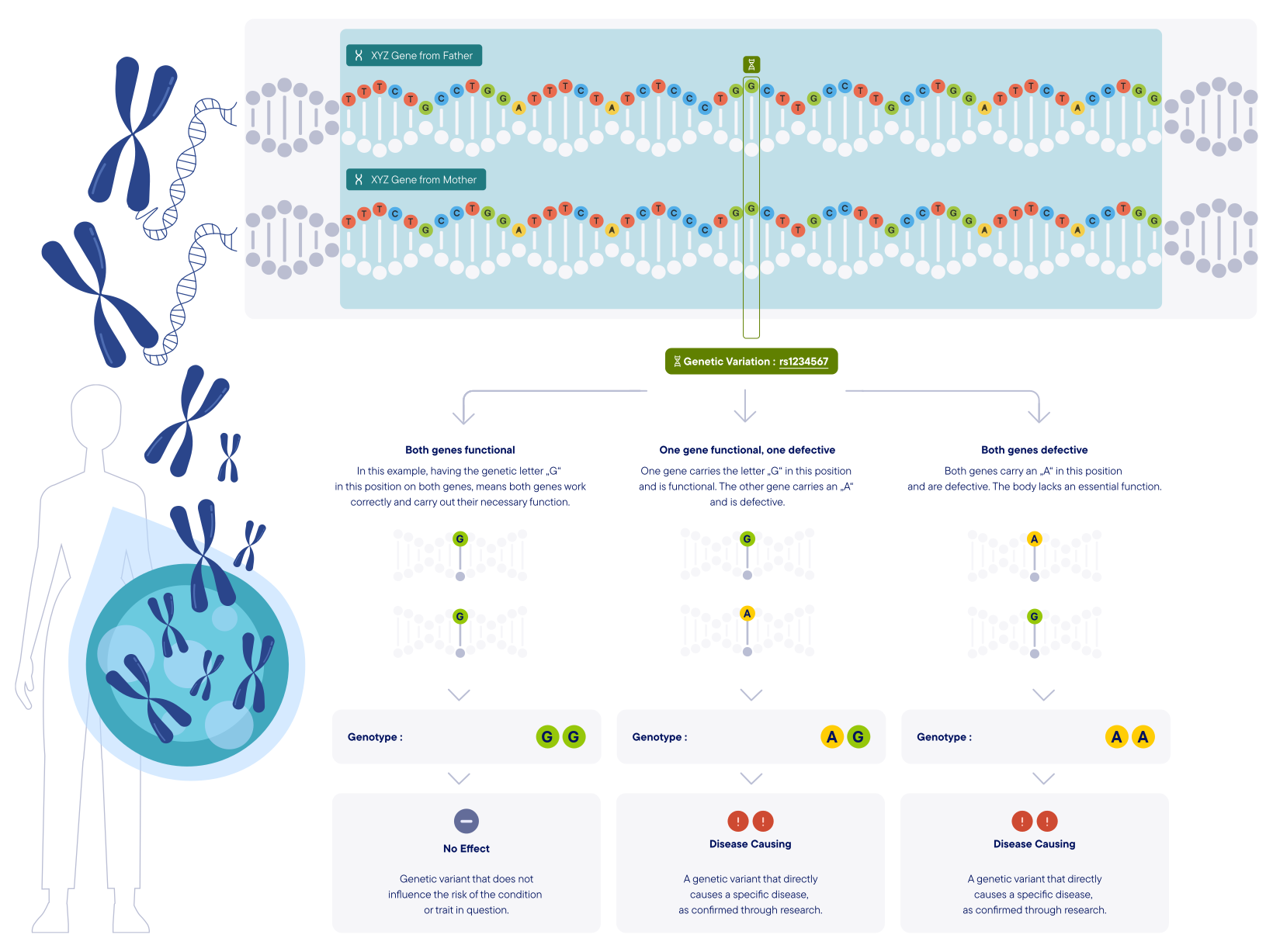
Humans have more than 20,000 genes, each carrying out one or a few specific functions in the body. One gene instructs the body to digest lactose from milk, another tells the body how to build strong bones and another prevents the body's cells from beginning to multiply uncontrollably and developing into cancer. As all of these genes combined are the building instructions for our body, a defect in one of these genes can have severe health consequences.
Through decades of genetic research, we know the genetic code of any healthy/functional human gene. We have also identified that in certain positions on a gene, some individuals may have a different genetic letter from the one you have. We call these hotspots "Genetic Variations" or "Variants" in short. In many cases, studies have been able to show that having the genetic letter "G" in the position makes you healthy, but having the letter "A" in the same position disrupts the gene function and causes a disease. Genopedia allows you to view these variants in genes and summarizes all that we know from scientific research, which genetic letters (Genotype) have good or bad consequences on your health or on your traits.
History
Throughout history, people have described children who were small in stature yet bright, active, and closely connected to family life, with shorter arms, legs, hands, and feet compared with peers. Community stories often mentioned infants born with very short fingers or toes, and doctors later noted that joints could look enlarged even when they worked fairly well. These observations echoed across regions long before modern imaging and genetic tools could explain why bones in the forearms, lower legs, hands, and feet formed differently.
First described in the medical literature as a pattern of “disproportionate limb shortening,” the condition we now call acromesomelic dysplasia, Grebe type, was initially pieced together from case reports. Early clinicians carefully drew family trees and measured limb segments, noticing that many people with similar features were related, which hinted at a hereditary cause. Radiographs added detail: the small bones of the hands and feet often showed the most striking changes, followed by the forearms and lower legs. Even then, descriptions varied, and some reports likely mixed different, look‑alike conditions under the same label.
As medical science evolved, researchers separated Grebe type from other forms of acromesomelic dysplasia by tracking consistent features across families. This careful sorting reduced confusion with conditions that share short stature but affect different parts of the skeleton. Over time, the pattern became clearer: average-sized trunk, more pronounced changes in the limbs, and a tendency for the hands and feet to be most affected. Clinicians also learned that intelligence and life span are typically unaffected, an important reassurance for families who had once faced uncertainty.
Advances in genetics confirmed what family studies suggested. Testing showed that Grebe type follows an autosomal recessive pattern, meaning it appears when both parents carry a nonworking copy of the same gene. Pinpointing the gene involved explained why the “ends” and middle segments of limbs are most involved: the gene acts like a finely tuned signal for bone growth in these regions. With this discovery, diagnosis moved from “best fit” by appearance to a firm answer through genetic testing, allowing more accurate counseling for relatives and clearer paths for care.
In recent decades, knowledge has built on a long tradition of observation. Detailed registries and shared imaging have refined the typical features and the expected course from infancy into adulthood. Historical differences highlight why naming matters: when conditions are precisely defined, early symptoms of acromesomelic dysplasia, Grebe type are recognized sooner, supports are put in place earlier, and families can make informed choices. Today’s understanding stands on the careful notes and lived experiences preserved over generations, now connected to the biology that drives bone development.