
Acromegaly is a hormonal condition that develops slowly in adults and often goes unnoticed at first. It happens when the body makes too much growth hormone, usually from a benign pituitary tumor. People with acromegaly may notice larger hands and feet, joint pain, headaches, snoring, and changes in facial features. The condition is long-term but treatable, and early symptoms of acromegaly can improve with care. Treatment often includes surgery, medicines, and sometimes radiation, and most people live a normal lifespan with proper management.
Overview
AcromegalySymptoms
Acromegaly develops slowly, often bringing larger hands and feet, widening jaw and facial changes, joint aches, and headaches. Early symptoms of acromegaly may include rings no longer fitting, snoring or sleep apnea, tingling in fingers, fatigue, and increased sweating.
Outlook and prognosis
Most people with acromegaly do well when it’s recognized and treated early, with symptoms easing and energy improving. Long-term follow-up matters, as hormones may drift and tumors can regrow or affect nearby vision. With ongoing care, life expectancy often approaches typical levels.
Causes and risk factors
Acromegaly most often stems from a benign pituitary tumor releasing excess growth hormone; rarely, tumors elsewhere trigger hormone-releasing signals. Risk is higher with certain inherited syndromes, a family history of pituitary tumors, and prior head or pituitary radiation.
Genetic influences
Genetics plays a limited role in most acromegaly cases; tumors usually arise sporadically. A small share is linked to inherited syndromes (like MEN1, AIP variants), often appearing younger and sometimes affecting multiple glands. Family history or early symptoms of acromegaly warrant genetic counseling.
Diagnosis
Doctors suspect acromegaly from typical changes in hands, face, and shoe or ring size. Diagnosis of acromegaly relies on blood tests showing high growth-related hormones and a glucose suppression test, plus pituitary MRI to locate a tumor.
Treatment and drugs
Treatment for acromegaly focuses on lowering growth hormone and easing pressure from enlarged tissues. Many start with surgery to remove a pituitary tumor, often followed by medicines like somatostatin analogs or GH receptor blockers. Regular MRI scans and blood tests guide adjustments.
Symptoms
Acromegaly can bring slow, body‑wide changes that slip into daily life—rings feel tight, shoes go up a size, and headaches or snoring become more common. You might notice small changes at first, then realize they’ve added up over time. Early symptoms of acromegaly are often subtle, but spotting them sooner can help you get care earlier. Other symptoms can involve joints, vision, sleep, and energy levels.
In acromegaly, hands and feet often enlarge slowly. Rings feel tight and shoes may need to go up a size. Glove size can creep up over months.
Facial features like the jaw, brow, and nose can look broader over time. Skin may thicken, and lips can appear fuller. Loved ones often notice the changes first.
Bite changes and widening gaps between teeth can develop. The lower jaw may jut forward, making chewing uncomfortable. Dentists sometimes spot these changes.
The tongue can grow larger, and the voice may sound deeper or huskier. Speech can feel a bit crowded in the mouth. Swallowing may also feel less smooth.
How people usually first notice Acromegaly?
Many people first notice acromegaly through subtle, slow changes: rings no longer fit, shoes go up a size, or loved ones mention the face looks broader with a more prominent jaw or forehead. Headaches, joint pain, carpal tunnel–like numbness, or gaps appearing between teeth can follow, and some develop snoring or sleep apnea as the tongue and soft tissues enlarge. These first signs of acromegaly often prompt a dental or eye exam, where a provider may spot enlarged facial features or vision changes and suggest testing for excess growth hormone.
Types of Acromegaly
Acromegaly can look different from one person to the next, and doctors recognize a few practical ways it varies over time and by cause. People may notice different sets of symptoms depending on their situation. Some differences relate to when excess growth hormone begins, while others reflect how active the tumor is or whether related hormones are high too. Understanding the main types of acromegaly can help you recognize patterns and talk through the early symptoms of acromegaly with your care team.
Pituitary tumor–related
Most people have a benign pituitary tumor that makes too much growth hormone. Symptoms often build slowly over years, with changes in hands, feet, and facial features and joint aches. Headaches or vision changes may show up if the tumor presses nearby structures.
Ectopic hormone source
Rarely, a tumor outside the pituitary makes growth hormone–releasing signals that drive excess hormone. Features can progress faster and may come with symptoms from the chest or belly if the source is in the lungs or gut. Treatment focuses on finding and removing the source.
Active vs. controlled
When growth hormone and IGF-1 are high, symptoms like swelling, sweating, and soft-tissue thickening tend to be more noticeable. After surgery or medication brings levels down, many features ease, though bone changes may persist. The balance of symptoms can shift over time.
With high prolactin
Some pituitary tumors also raise prolactin, which can lead to irregular periods, breast milk leakage, or low libido. In this mixed pattern, people may have both acromegaly features and prolactin-related symptoms. Medicines that lower prolactin can help shrink these tumors and improve both sets of issues.
Gigantism (childhood onset)
When excess growth hormone starts before growth plates close, height increases dramatically, known medically as gigantism. Kids may grow much faster than peers and develop acromegaly-like facial and hand changes. Adults with acromegaly do not grow taller but notice enlargement in hands, feet, and facial bones.
Familial forms
A small number have inherited syndromes that raise the risk of growth hormone–secreting tumors, sometimes at younger ages. Features mirror typical acromegaly but may appear earlier or alongside other gland problems. Genetic counseling may be discussed if there is a family history or multiple related tumors.
Aggressive tumor behavior
Some tumors grow or return quickly and resist standard treatments. Symptoms can progress despite therapy, and care often involves combined surgery, medication, and radiation. Close monitoring helps adjust the plan promptly.
Radiographic micro vs. macro
Small tumors (microadenomas) under 10 mm may cause fewer pressure symptoms, while larger ones (macroadenomas) are more likely to cause headaches or vision issues. Hormone excess can occur with either size, but larger tumors can be harder to fully remove. Imaging helps guide treatment and follow-up for these types of acromegaly.
What genetics can tell you about symptoms
Certain AIP gene changes can lead to earlier, more aggressive acromegaly, with faster growth of pituitary tumors and more pronounced features like enlarged hands, feet, and facial bones. Rare MEN1 mutations can cause acromegaly with additional issues, like kidney stones and high calcium.
Causes and risk factors
In acromegaly, the main cause is too much growth hormone from a benign pituitary tumor that usually happens by chance. Less often, a tumor outside the pituitary makes a hormone that pushes the pituitary to release excess growth hormone. Some risks are modifiable (things you can change), others are non-modifiable (things you can’t). There are no clear lifestyle or environmental triggers for acromegaly, but healthy habits can lower complications. A small portion of cases run in families due to syndromes like multiple endocrine neoplasia type 1 (MEN1) or an AIP gene change, so family history is a key risk factor for acromegaly.
Environmental and biological risk factors
Acromegaly happens when the body has too much growth hormone for years, usually due to a problem in the pituitary gland. Understanding what raises the chance of acromegaly can help you act early if early symptoms of acromegaly appear. Doctors often group risks into internal (biological) and external (environmental). Most causes are biological, and confirmed environmental triggers are rare.
A noncancerous growth in the pituitary gland can release extra growth hormone. This is the main biological driver behind most cases of acromegaly. These tumors often grow slowly over years.
Extra signals from a brain area called the hypothalamus can make pituitary cells multiply and release too much growth hormone. This mechanism is less common than a tumor but is a recognized biological pathway. It results from sustained over-signaling to the pituitary.
Rare tumors outside the brain, such as in the chest or pancreas, can make growth hormone–releasing hormone (GHRH), which drives the pituitary to overproduce growth hormone. This raises the chance of hormone excess even though the pituitary itself is not the primary problem. They can also enlarge the pituitary over time.
On rare occasions, a tumor outside the pituitary makes growth hormone directly. This bypasses the pituitary and can lead to excess growth hormone. Reported sites include the pancreas or lungs.
Genetic risk factors
Most cases arise when a benign pituitary tumor develops from a DNA change inside the tumor itself, not something you’re born with. Some risk factors are inherited through our genes. A smaller share runs in families due to conditions like MEN1, familial pituitary adenomas linked to AIP, Carney complex, or rare childhood syndromes. Knowing your family history can prompt earlier checks if early symptoms of acromegaly show up.

Tumor DNA changes: Most acromegaly starts when a small pituitary tumor forms because of a DNA change inside the tumor cells. A common change affects the GNAS gene and drives too much growth hormone. This change is usually not inherited and does not raise risk for relatives.
MEN1 syndrome: An inherited MEN1 gene change can cause multiple endocrine tumors, including growth hormone–secreting pituitary tumors. People with MEN1 often develop tumors at a younger age and may have more than one gland involved. Genetic counseling and testing are commonly recommended for families.
Familial pituitary adenomas: Some families have pituitary tumors across generations, called FIPA. Many cases involve changes in the AIP gene and can cause early, fast-growing pituitary tumors. If a close relative had a pituitary tumor, a genetics consultation can help clarify personal risk.
Carney complex: This rare inherited condition, often due to PRKAR1A gene changes, can include pituitary tumors that drive acromegaly. People may also have distinctive skin spots or heart growths, which helps doctors recognize the pattern. Regular endocrine follow-up is advised for affected families.
McCune-Albright syndrome: A post-conception GNAS change in some body cells can trigger very early growth hormone excess. It is not passed from parent to child but can cause childhood gigantism or acromegaly later. Early specialist care focuses on hormone control and growth monitoring.
X-linked acrogigantism: A small duplication on the X chromosome involving the GPR101 region can cause extremely high growth hormone in infancy or early childhood. Some cases are new in the child, while others are inherited through the mother. Early diagnosis helps guide treatment before bones fuse.
MEN4 syndrome: Rare changes in the CDKN1B gene can resemble MEN1 and sometimes include pituitary tumors that lead to acromegaly. These cases are uncommon but important in families without MEN1 changes. Genetic testing can help sort out the cause.
Lifestyle risk factors
Lifestyle doesn’t cause acromegaly, but daily habits can shape symptoms, treatment success, and risks like diabetes, sleep apnea, and heart disease. In practice, the lifestyle risk factors for acromegaly relate to how choices affect blood sugar, blood pressure, sleep, and joint strain. Small, consistent changes that support glucose control, cardiovascular health, and restorative sleep can make a noticeable difference. Work with your care team to align habits with your treatment plan.
Limited movement worsens insulin resistance already driven by excess growth hormone, raising diabetes risk. Regular aerobic and resistance exercise can improve glucose control, blood pressure, and joint function.
Frequent sugary foods and drinks spike blood glucose and compound acromegaly-related insulin resistance. Emphasizing fiber-rich, lower-glycemic meals can stabilize glucose and reduce cravings.
Higher weight can intensify sleep apnea and hypertension, complications that are more common in acromegaly. Gradual, sustainable weight loss may ease snoring, improve blood pressure, and reduce cardiac strain.
Salty foods can raise blood pressure and fluid retention, adding to cardiovascular strain in acromegaly. Choosing lower-sodium options may help control hypertension and swelling.
Risk prevention
Acromegaly is usually caused by a noncancerous pituitary tumor that makes too much growth hormone, so there’s no reliable way to prevent it from starting. What you can do is spot it earlier and lower the chance of complications like high blood pressure, diabetes, sleep apnea, and colon polyps. Prevention works best when combined with regular check-ups. Acting on subtle changes and keeping up with routine screening can make treatment simpler and outcomes better.
Pay attention to early symptoms of acromegaly like a larger ring size, wider shoes, jaw or teeth spacing changes, snoring, or new tingling in the hands. If these show up gradually over months, book a check-up and mention the pattern.
Yearly visits help track blood pressure, blood sugar, and physical changes over time. Dentists and eye doctors may spot jaw or vision changes that add important clues.
If close relatives have pituitary tumors or rare syndromes like MEN1 or FIPA, ask about genetic counseling. Earlier evaluation can lead to faster diagnosis and treatment if changes begin.
Loud snoring, witnessed pauses in breathing, or morning headaches can signal sleep apnea. A sleep study and treatment can reduce heart strain and improve daytime energy.

Transmission
Acromegaly isn’t contagious and can’t be transferred by touch, coughing, sex, or everyday contact. It develops when a benign pituitary tumor makes too much growth hormone; this almost always happens by chance, not from exposure.
If you’re wondering how acromegaly is inherited, the short answer is that it usually isn’t. Genetic transmission of acromegaly is rare and limited to certain inherited syndromes that raise the chance of pituitary tumors; even in these families, not everyone will develop acromegaly.
When to test your genes
Consider genetic testing if acromegaly appears at a young age, runs in your family, or comes with multiple tumors (like pituitary plus thyroid or pancreas), as this can signal inherited syndromes. Testing helps tailor screening and surgery, and guides monitoring for relatives. Ask before treatment to inform care from the start.
Diagnosis
Acromegaly is often picked up when gradual changes—like larger hands or feet, a widening ring size, or headaches—start to add up. Doctors usually begin with your symptoms, a focused exam, and simple blood tests before moving to imaging. Early signs can be subtle, so the diagnosis of acromegaly often comes together step by step. Finding out the cause is the first step toward treatment.
Your provider looks for patterns such as enlarging shoe or ring size, new gaps between teeth, headaches, or joint pain. A brief timeline of when changes started helps show how active the condition may be. Photos from earlier years can sometimes highlight gradual facial or hand changes.
The exam checks for coarse facial features, enlarged hands and feet, skin tags, and joint changes. Blood pressure, weight, and signs of carpal tunnel or sleep apnea may also be noted. These clinical features guide which tests to order first.
A single blood test measures IGF-1, the hormone that reflects average growth hormone levels. High IGF-1 for your age strongly suggests acromegaly and is central to the diagnosis of acromegaly. Results are interpreted against age- and lab-specific ranges.
You drink a measured glucose solution, then several blood samples check whether growth hormone drops as it should. In acromegaly, growth hormone typically fails to suppress. This confirms the diagnosis after an elevated IGF-1.
Stages of Acromegaly
Acromegaly does not have defined progression stages. Changes usually build slowly and differ from person to person, so doctors monitor hormone levels, the pituitary tumor, and any related health effects over time rather than label set stages. Different tests may be suggested to help confirm acromegaly and check its impact, including blood tests for IGF-1 and growth hormone, a glucose suppression test, a pituitary MRI, and sometimes vision checks. Watching for early symptoms of acromegaly—like rings feeling tight, shoes getting bigger, snoring, joint pain, or headaches—together with these tests guides diagnosis and follow-up.
Outlook and prognosis
Living with acromegaly often means managing symptoms that build slowly—ring sizes creeping up, shoes feeling tight, headaches or joint aches that don’t quite let up. Early care can make a real difference, especially when treatment starts before complications take hold. Doctors call this the prognosis—a medical word for likely outcomes. With modern surgery, medicines, and targeted radiation, many people with acromegaly see hormone levels return toward normal, which can ease swelling, improve sleep and blood pressure, and protect the heart.
The outlook is not the same for everyone, but those who achieve good hormone control tend to live close to the typical life expectancy. When growth hormone and IGF‑1 remain high for years, risks rise for heart and blood vessel disease, sleep apnea, type 2 diabetes, colon polyps, and arthritis. Untreated or poorly controlled acromegaly is linked with higher mortality, mostly from heart disease, but that excess risk drops sharply once hormone levels are normalized. Some people experience lingering issues—joint stiffness, changes in appearance, or nerve symptoms—while others notice these fade over time as levels stabilize.
Looking at the long-term picture can be helpful. Early symptoms of acromegaly can be subtle, so regular follow-up and lab checks matter even after surgery or when medicines seem to be working well. In medical terms, the long-term outlook is often shaped by both genetics and lifestyle. Keeping blood pressure, cholesterol, and blood sugar in range, treating sleep apnea, and staying active all support a healthier future. Talk with your doctor about what your personal outlook might look like.
Long-term effects
Acromegaly can leave long-lasting changes even after treatment brings hormone levels down. Long-term effects vary widely, and not everyone will experience the same pattern or severity. Even when early symptoms of acromegaly are treated, some changes can persist or return over time. With good control, most people now have near-normal life expectancy, but certain risks remain higher than average and need long-term attention.
Ongoing joint pain, stiffness, and arthritis-like wear are common. Cartilage and bone changes that formed during active acromegaly can be permanent. Pain may ease, but mobility limits can linger.
Airway soft-tissue growth can narrow breathing passages during sleep. Pauses in breathing may continue even after hormones normalize. Daytime fatigue can remain.
Thickening of the heart muscle and rhythm problems can develop. These raise the risk of heart failure over time, especially if acromegaly was uncontrolled for years. Control of acromegaly lowers—but does not erase—this risk.
Elevated blood pressure may persist after treatment. This adds to long-term heart and stroke risk in acromegaly. Managing other risk factors becomes more important.
How is it to live with Acromegaly?
Living with acromegaly often means adjusting to changes that unfold slowly—rings or shoes no longer fit, joints ache after ordinary tasks, and headaches or tingling in the hands can sap energy by late afternoon. Many notice their face looks different over time, which can affect confidence and social ease, while fatigue, sleep apnea, and joint stiffness can make work, exercise, and intimacy feel harder than they used to. Treatment helps—medications, surgery, and regular follow-up can ease symptoms and protect the heart, bones, and metabolism—but staying on top of appointments, injections, and lab tests becomes part of the routine. People close to you may need reassurance and simple explanations; when they understand that the condition is hormonal and manageable, they can offer practical support—rides to visits, help with heavy tasks, and patience on low-energy days.
Treatment and drugs
Acromegaly treatment focuses on lowering growth hormone to ease symptoms and prevent long-term complications like joint damage, diabetes, sleep apnea, and heart problems. For many, the first step is surgery to remove a growth hormone–producing pituitary tumor, which can quickly reduce hormone levels and relieve pressure headaches or vision changes. Medicines that block growth hormone or its effects are common after surgery or when surgery isn’t possible; these include somatostatin analogs and other drugs that either curb hormone release or block its action on the body. Radiation therapy may be used when surgery and medications don’t fully control acromegaly, though its benefits develop gradually and require regular monitoring. Not every treatment works the same way for every person, so your doctor will track hormone levels, adjust doses, and combine options to keep acromegaly in check over time.
Non-drug treatment
Many people focus on medicines, but there are several non-drug options that treat the tumor, protect breathing and joints, and reduce long-term risks. Recognizing early symptoms of acromegaly can help you and your team act sooner, often lowering complications. Alongside medicines, non-drug therapies can improve hormone control, relieve pressure from the pituitary tumor, and support day-to-day comfort. Your plan is tailored to your goals, age, other conditions, and whether growth hormone levels are controlled.
An experienced surgeon removes the pituitary tumor through the nose to lower hormone levels and relieve pressure. This can quickly improve symptoms linked to acromegaly. Recovery plans include nasal care and gradual return to activity.
Focused radiation can target remaining tumor when surgery is not possible or doesn’t fully work. Hormone levels often fall slowly over months to years, so regular testing is needed.
CPAP or a custom oral device keeps the airway open at night. Treating sleep apnea in acromegaly can reduce daytime sleepiness and strain on the heart.
Strengthening and mobility work can ease joint pain and stiffness. Therapists teach joint-sparing movements for knees, hips, spine, and shoulders.
Your genes may have an impact on how drugs work for you
Medicines for acromegaly can work differently based on inherited differences in drug-processing genes and in the tumor’s receptors, which are the drug’s docking sites. These variations can affect dose needs, side effects, and how well somatostatin analogs or pegvisomant control hormones.
Pharmacological treatments
Medication for acromegaly aims to lower growth hormone and IGF‑1 levels, ease symptoms, and sometimes shrink the pituitary tumor, especially when surgery isn’t possible or doesn’t fully work. Not everyone responds to the same medication in the same way. These medicines help control hormone excess but won’t reverse bone changes that began with early symptoms of acromegaly. Your care team will match treatment to your goals, other health conditions, and how the tumor behaves over time.
Octreotide LAR and lanreotide depot lower growth hormone release and often reduce IGF‑1 into the target range. They may shrink the tumor in many people with acromegaly. Common effects include stomach upset, loose stools, and gallstones; injections are usually given every 4 weeks.
This longer‑acting option can help if standard somatostatin shots don’t control acromegaly. It more often raises blood sugar, so glucose monitoring and diabetes management may be needed. Your team may adjust diet, add medicines, or change therapy if sugars run high.
This daily injection blocks the action of growth hormone, helping normalize IGF‑1 even when other drugs fall short. It does not shrink the tumor, so MRI scans and hormone checks remain important. Liver tests are monitored because rare elevations can occur.
Cabergoline or bromocriptine are pills that can modestly lower IGF‑1 and may work best when acromegaly is milder or the tumor also makes prolactin. They are convenient and lower cost, but nausea, dizziness, or headache can occur. Cabergoline is usually taken once or twice weekly; bromocriptine is taken more often.
Genetic influences
For most people, acromegaly does not run in families and happens because a pituitary growth develops by chance. It’s natural to ask whether family history plays a role. In a small minority, a gene change can raise the chance of pituitary tumors that make too much growth hormone, so the condition can appear in several relatives. Doctors watch for genetic causes of acromegaly when it starts at a young age, when more than one relative has a pituitary tumor, or when there are other hormone-related issues in the family. If this pattern fits your family, genetic counseling and testing may help confirm the cause and guide screening for relatives. Even with an inherited risk, not everyone will develop acromegaly, but knowing your risk can help you and your care team catch symptoms early and plan treatment.
Is Acromegaly genetic?
Genetics plays a limited role in most acromegaly cases; tumors usually arise sporadically. A small share is linked to inherited syndromes (like MEN1, AIP variants), often appearing younger and sometimes affecting multiple glands. Family history or early symptoms of acromegaly warrant genetic counseling.
Pharmacogenetics—how genetics influence drug effects
In acromegaly, inherited and tumor‑specific genetic changes can shape how well medicines work. For example, tumors with a change in the GNAS gene often respond better to first‑generation somatostatin analogs such as octreotide or lanreotide, while changes in the AIP gene—seen more in younger people or those with a family history—are linked with a weaker response and may prompt earlier surgery, higher doses, or a switch to options like pegvisomant or pasireotide. Not every difference in response is genetic, but these patterns can help set expectations and personalize treatment plans. Unlike some other fields, there is no routine pharmacogenetic test that directly sets the dose for octreotide, lanreotide, cabergoline, pasireotide, or pegvisomant; doctors adjust treatment using growth hormone and IGF‑1 results, side effects, and MRI findings. Genetic testing is usually considered when acromegaly appears early, runs in families, or the tumor behaves aggressively, and results may inform the likely benefit of somatostatin analogs versus alternatives. Researchers are also studying how somatostatin receptor genes and the amount of these receptors on the tumor surface relate to drug response, but this is not yet standardized for day‑to‑day care.
Interactions with other conditions
Day-to-day, living with acromegaly can feel more tiring when another condition is in the mix—for example, joint pain may feel worse if osteoarthritis is also present, or morning headaches may be heavier when sleep apnea isn’t well controlled. Doctors call it a “comorbidity” when two conditions occur together. Acromegaly often travels with type 2 diabetes or prediabetes because extra growth hormone can make the body less sensitive to insulin, and high blood pressure or heart rhythm problems may emerge as the heart muscle thickens over time. Sleep apnea is common and can amplify snoring, poor sleep, and daytime fatigue; treating the apnea can also help steady blood pressure and blood sugar. Colon polyps are more likely in acromegaly, so regular colonoscopy matters, and thyroid nodules may show up alongside it, which may prompt an ultrasound. Because early symptoms of acromegaly can be subtle, issues like diabetes, carpal tunnel syndrome, or osteoarthritis may be spotted first, so coordinated care helps connect the dots and guides safer treatment choices across conditions.
How genes can cause diseases
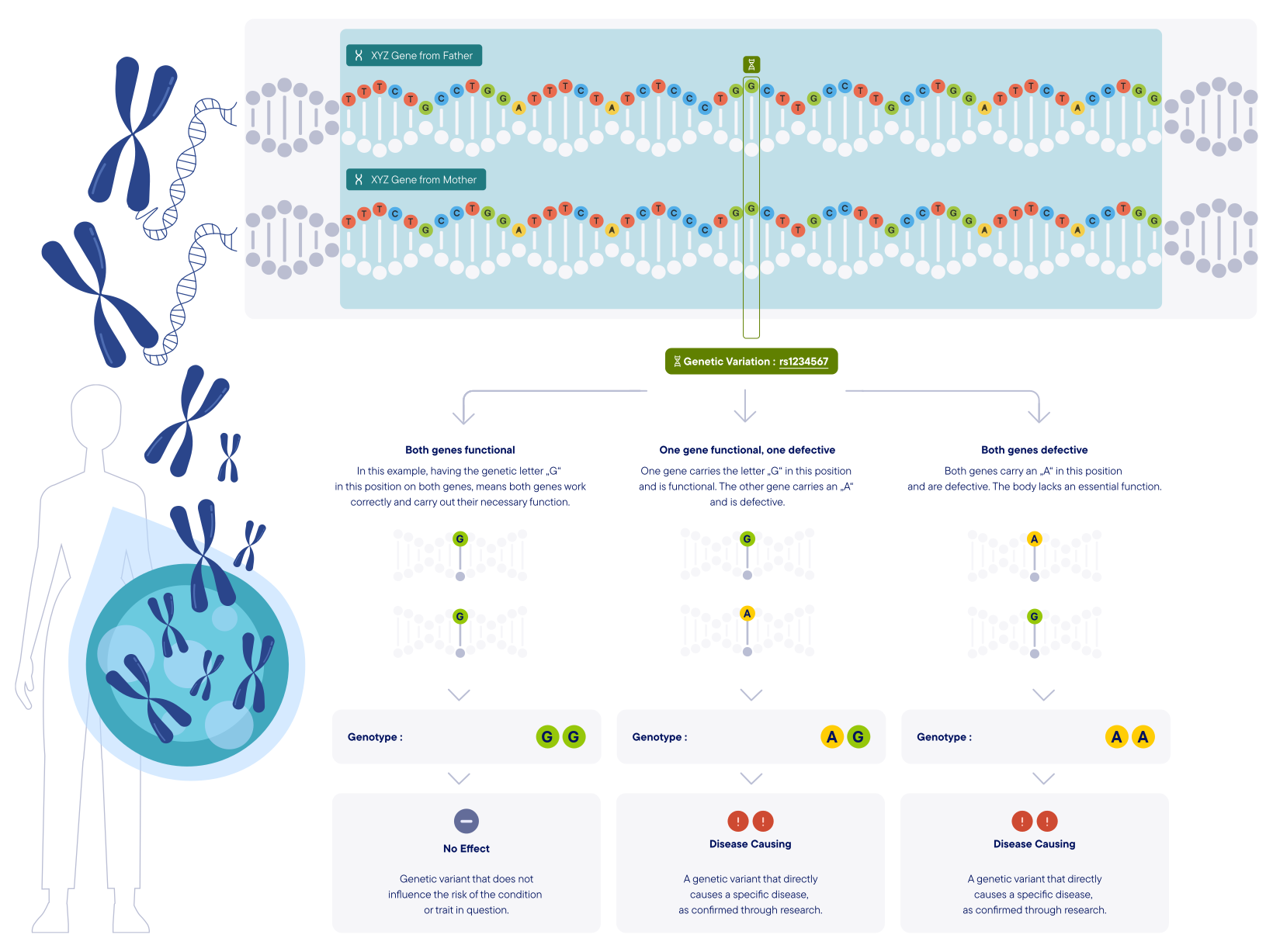
Humans have more than 20,000 genes, each carrying out one or a few specific functions in the body. One gene instructs the body to digest lactose from milk, another tells the body how to build strong bones and another prevents the body's cells from beginning to multiply uncontrollably and developing into cancer. As all of these genes combined are the building instructions for our body, a defect in one of these genes can have severe health consequences.
Through decades of genetic research, we know the genetic code of any healthy/functional human gene. We have also identified that in certain positions on a gene, some individuals may have a different genetic letter from the one you have. We call these hotspots "Genetic Variations" or "Variants" in short. In many cases, studies have been able to show that having the genetic letter "G" in the position makes you healthy, but having the letter "A" in the same position disrupts the gene function and causes a disease. Genopedia allows you to view these variants in genes and summarizes all that we know from scientific research, which genetic letters (Genotype) have good or bad consequences on your health or on your traits.
History
Throughout history, people have described unusual growth of the hands, feet, and facial features in adults who had already finished growing. Neighbors might remember a shopkeeper whose rings no longer fit and shoes needed frequent upsizing, or a relative whose jaw and forehead seemed to broaden over time. These everyday observations reflected what we now call acromegaly, a condition driven by too much growth hormone after puberty.
First described in the medical literature as “acromegaly” in the late 19th century, early doctors pieced it together from visible changes and complaints like headaches, snoring, and joint pain. The condition was initially defined by appearance because there was no way to measure hormones. Over time, autopsies and later X‑rays showed that many people with acromegaly had small, usually noncancerous growths in the pituitary gland at the base of the brain. From these first observations, the idea took hold that a tiny gland could drive whole‑body change.
In the early to mid‑20th century, lab methods to measure growth hormone and insulin‑like growth factor 1 (IGF‑1) confirmed the link between hormone excess and the gradual physical changes seen in adults. Surgeons developed approaches to remove pituitary tumors through the nose, which improved safety compared with open skull operations. Radiation was also tried, though its effects were slow. As medical science evolved, doctors learned that treating the hormone imbalance early could ease symptoms and prevent complications like diabetes, high blood pressure, sleep apnea, and heart problems.
In recent decades, awareness has grown that acromegaly can be subtle at first and often progresses over years. Photos taken a decade apart, or a dentist noticing widening spaces between teeth, sometimes provided the first clues. New imaging tools made it easier to spot tiny pituitary tumors, and medications that act like the body’s own hormone “brakes” offered options when surgery was not possible or did not fully control hormone levels. Blood tests became more precise, helping confirm the diagnosis and track treatment.
Despite evolving definitions, the core story has stayed the same: slow, persistent hormone excess in adulthood leads to gradual changes that affect daily life. Today’s understanding comes from generations of careful observation combined with advances in endocrinology and neurosurgery. Knowing acromegaly’s history explains why doctors still look closely at patterns over time—how rings fit, whether shoes keep getting larger, or if headaches and snoring have crept in—because these details, alongside modern tests, help catch acromegaly earlier and improve long‑term health.