
Acral lentiginous melanoma is a type of skin cancer that starts on the palms, soles, or under the nails. It often appears as a dark or changing spot or streak, and early symptoms of acral lentiginous melanoma can be subtle. It is usually slow-growing at first but can spread if not treated. It affects adults of all skin tones, and it is more common in people with darker skin. Treatment often includes surgery, and additional therapy may be used if it has spread, while outcomes depend on how early it is found.
Overview
Acral lentiginous melanomaSymptoms
Acral lentiginous melanoma often appears as a new or changing dark patch on the sole, palm, or under a nail. Early symptoms include growth, irregular edges, color variation, a brown-black streak in a nail, or nail lifting, bleeding, or pain.
Outlook and prognosis
Many living with acral lentiginous melanoma do well when it’s found early, before it reaches lymph nodes. Deeper tumors or spread to nodes lowers survival and raises relapse risk. Regular skin and nail checks and close follow‑up improve long‑term outcomes.
Causes and risk factors
Acral lentiginous melanoma arises from mutations in pigment cells, usually independent of sun exposure. Risk factors include older age, immune suppression, and personal or family melanoma history. Certain tumor gene changes (for example, KIT) are sometimes involved.
Genetic influences
Genetics plays a role in acral lentiginous melanoma, but less through family history and more through tumor-specific mutations. Variants in KIT, NF1, and TERT are common in the cancer cells. Inherited risk is generally low, though rare familial cases exist.
Diagnosis
Doctors diagnose Acral lentiginous melanoma with a focused skin exam, often using dermoscopy. A biopsy confirms the diagnosis of Acral lentiginous melanoma and determines depth. If cancer is found, staging may include sentinel lymph node biopsy and imaging.
Treatment and drugs
Treatment for acral lentiginous melanoma focuses on removing the melanoma with surgery, often with a safety margin and, when needed, sentinel lymph node biopsy. Depending on stage, care may include immunotherapy, targeted pills for BRAF‑positive tumors, or radiation. Ongoing skin checks and foot/hand care help catch recurrences early.
Symptoms
Changes on the palms, soles, or under a fingernail or toenail are the main ways acral lentiginous melanoma shows up. Early symptoms of acral lentiginous melanoma can look like a slow-growing dark streak under a nail, a spot on the sole that doesn’t heal, or a patch on the palm that changes in size or color. Symptoms vary from person to person and can change over time. Because it can mimic a bruise, fungus, or a callus, it’s easy to miss until it becomes more noticeable.
A new brown, black, or blue-gray line can appear under a fingernail or toenail. It may slowly widen over weeks to months. Changes like this can be a sign of acral lentiginous melanoma.
A spot on the palm or sole starts to change in size, shape, or color. Edges can become uneven compared with nearby skin. This pattern can occur in acral lentiginous melanoma.
A small wound or crack on the sole or palm doesn’t heal after several weeks. It may scab, crust, or feel tender. Many notice it returns in the same place despite care.
Brown or black color slowly spreads outward on the skin of the palm or sole. The center can look darker with lighter shades at the edges. You may see new tiny dots of color near the main spot.
How people usually first notice Acral lentiginous melanoma?
People often first notice acral lentiginous melanoma as a new dark spot or a slowly enlarging patch on the palm, sole, or under or around a fingernail or toenail that looks different from their other marks. Clues that raise concern include irregular borders, multiple shades of brown, black, blue, or sometimes no pigment at all, a streak running the length of the nail, or nail changes like cracking, lifting, or bleeding that don’t heal. Doctors often recognize the first signs of acral lentiginous melanoma when a stubborn “bruise,” wart-like spot, or nail streak doesn’t fade over weeks, especially on weight‑bearing areas of the foot or under the big toe or thumb.
Types of Acral lentiginous melanoma
Acral lentiginous melanoma shows a few recognized clinical variants that can look different on the skin and behave somewhat differently over time. These variants are defined by where they start on the hands, feet, or nails and by how the pigment spreads in the top layers of skin before invading deeper layers. People may notice different sets of symptoms depending on their situation.
Palmar type
Starts on the palm as a slowly enlarging, flat patch with uneven borders and color. It may look like a stain that spreads outward over months to years. Tenderness, cracking, or bleeding can appear as it thickens.
Plantar type
Begins on the sole, often mistaken for a callus or bruise that does not heal. Color can range from brown to black with multiple shades in one spot. Pain with walking or a new sore that persists can be a clue.
Subungual (nail) type
Arises under a fingernail or toenail as a dark streak or diffuse discoloration. The pigment may widen at the base of the nail and can be accompanied by nail splitting or lifting. A dark band on one nail that changes over time is a common early sign.
Mucosal acral variant
Occurs on nearby mucosal surfaces such as the skin just inside the mouth or around the genitals. It may appear as a dark patch or nodule that slowly enlarges and bleeds easily. These sites can make changes harder to spot early.
Amelanotic acral variant
Lacks obvious dark pigment and may look pink, red, or skin-colored. It often mimics a wart, ulcer, or infection on the hand, foot, or nail area. Because color is subtle, early symptoms of acral lentiginous melanoma in this variant are easy to miss.
Invasive phase
After a period of lateral spread on the surface, cells can grow deeper, causing a thicker, firmer area or nodule. This phase may bring pain, bleeding, or ulceration. Not everyone will experience every type.
Lentiginous in-situ phase
Early, surface-level growth presents as a flat, slowly expanding patch with irregular shades. Borders are often asymmetric and may blur into surrounding skin. This is one of the types of acral lentiginous melanoma that can be curable if removed at this stage.
What genetics can tell you about symptoms
Certain genetic changes, like mutations in KIT or BRAF genes, can drive acral lentiginous melanoma to grow as dark, widening patches or streaks on palms, soles, or under nails. These variants often lead to slow-growing but persistent lesions that may bleed, ulcerate, or cause nail deformity.
Causes and risk factors
Acral lentiginous melanoma usually starts when pigment cells on the palms, soles, or under nails acquire DNA changes over time. It is not strongly linked to sun exposure, and most cases are not inherited. Doctors distinguish between risk factors you can change and those you can’t. Higher risk is seen with older age, a personal or family history of melanoma, or a weakened immune system. Understanding your risks can help you notice early symptoms of acral lentiginous melanoma sooner.
Environmental and biological risk factors
Acral lentiginous melanoma affects skin you rely on every day—palms, soles, and nails—so understanding what raises risk can help you stay watchful without worry. Doctors often group risks into internal (biological) and external (environmental). Knowing these risks can help you pay attention to early symptoms of acral lentiginous melanoma without alarm. Below are the environmental and biological factors linked to a higher chance of this melanoma starting on acral skin.
Acral lentiginous melanoma is diagnosed more often in older adults. Over time, skin cells can accumulate changes that make cancer more likely on the palms, soles, or under a nail. This pattern appears across many skin tones.
Conditions or medicines that lower immune defenses make cancers more likely. A less active immune system may be slower to clear early abnormal cells on acral skin. People on long-term immune-suppressing treatment carry this added risk.
Repeated pressure and friction on weight-bearing parts of the sole or on the palm are linked to where these tumors most often arise. Areas under the ball of the foot or heel see more micro-injury, which may encourage abnormal cell growth over time. This is an association with site rather than proof that pressure alone causes melanoma.
Chronic or repeated trauma to a nail unit has been reported in some people with melanoma under a nail. Micro-injuries may trigger inflammation that encourages cells in the nail matrix to grow abnormally. Any new or changing dark streak in a nail warrants medical review.
Genetic risk factors
Genetic changes inside the tumor play a central role in Acral lentiginous melanoma (ALM), and a smaller number of people carry inherited variants that raise overall melanoma risk. Carrying a genetic change doesn’t guarantee the condition will appear. Knowing your inherited risk does not change the early symptoms of Acral lentiginous melanoma, but it can guide when to seek evaluation and whether genetic counseling makes sense.

KIT mutations: Activating changes or extra copies of the KIT gene appear in a notable share of tumors. These alterations push growth signals that help the cancer spread. Tumor testing often looks for KIT because it can be a driver in this subtype.
BRAF or NRAS: These common melanoma genes are altered less often in Acral lentiginous melanoma than in other skin melanomas. When present, they activate growth pathways inside the cell. Finding them helps explain how a tumor is behaving.
TERT promoter changes: Tumors may gain changes near TERT that boost telomere activity and support endless division. In ALM, copy-number gains of TERT are more frequent than point mutations. This helps the tumor keep dividing.
Cell cycle amplifications: Extra copies of CDK4 or CCND1 are common genetic features. They shorten the cell’s internal checkpoints and speed division. These copy-number gains are a hallmark pattern in ALM.
CDKN2A alterations: Many tumors lose this key brake on cell growth. Harmful inherited variants in CDKN2A also raise lifetime melanoma risk, which can include acral cases. Families with multiple melanomas sometimes carry these variants.
NF1 alterations: Changes in NF1 reduce control of RAS signaling in a subset of tumors. This loss lifts another brake on growth. It often occurs alongside other copy-number changes.
Kinase gene fusions: Some ALM tumors carry fusions involving BRAF, RAF1, NTRK, ALK, ROS1, RET, or MET. These fusions create a constant growth signal. They are uncommon but important to identify.
Structural DNA changes: ALM shows a high burden of copy-number gains and losses and large chromosomal rearrangements. This genome-wide instability is a defining feature of the subtype. It shapes which genes end up driving the tumor.
MITF E318K variant: This inherited change confers a moderate increase in melanoma risk. Acral cases can occur in carriers, though the overall risk remains variable. Genetic counseling can help interpret this finding for families.
BAP1 tumor syndrome: Rare inherited BAP1 variants raise risks for several cancers, including cutaneous melanoma. Acral melanoma can be part of this spectrum, though it is not the most typical. Family history often guides consideration of testing.
Telomere gene variants: Rare inherited changes in POT1, TERT, ACD, or TERF2IP have been linked to familial melanoma. These affect telomere protection and can raise lifetime risk. They are uncommon but may be found in families with many cases.
Lifestyle risk factors
Lifestyle influences on acral lentiginous melanoma are less defined than for other melanomas, but certain habits can affect detection, lesion irritation, and treatment recovery. The following lifestyle risk factors for acral lentiginous melanoma focus on behaviors that may contribute to chronic mechanical stress on palms/soles or delay diagnosis. They also address habits that can worsen surgical outcomes or complicate care. Understanding how lifestyle affects acral lentiginous melanoma can help you make practical changes.
Repeated pressure or friction on the soles can chronically irritate acral skin. This may contribute to lesion development or growth and can also disguise early color changes.
Tight or rubbing footwear increases shear and microtrauma to the feet. This can aggravate acral lesions and make subtle melanoma signs harder to notice.
Running, court sports, or hiking can add repetitive impact to weight‑bearing areas. If you have a suspicious spot, switching to lower‑impact activities may reduce mechanical stress and bleeding.
Aggressive manicures, pedicures, or picking at nails can cause repeated nail‑bed injury. This can mask early dark streaks from acral lentiginous melanoma or be mistaken for harmless bruising.
Risk prevention
You can’t fully prevent acral lentiginous melanoma, but you can lower risk by catching suspicious spots early and reducing overall melanoma risks. Pay special attention to the palms, soles, and under or around the nails, where this cancer often starts. Prevention works best when combined with regular check-ups. If something new or changing shows up, it’s safer to get it checked sooner rather than later.
Look over your palms, soles, between toes, and under nails once a month in good light. Use a mirror or a partner to see hard-to-reach areas.
Schedule routine skin checks with a dermatologist, especially if you’ve had melanoma or have many moles. People with darker skin also benefit because acral lentiginous melanoma is more likely in these areas.
Learn early symptoms of acral lentiginous melanoma, like a new dark spot, a changing patch on the sole, or a nail streak that widens. Watch for color spreading to the skin around a nail or a sore that doesn’t heal.
Notice a new brown or black streak in a single nail, pigment that extends onto the cuticle or surrounding skin, or nail lifting without injury. Get any unexplained nail discoloration evaluated.

Transmission
Acral lentiginous melanoma is not contagious. It cannot be passed from one person to another by touch, sharing items, coughing, or sexual contact.
Most cases are not inherited; they usually develop because of new changes in skin cells over time. Rarely, a strong family history of melanoma can point to an inherited tendency to develop melanoma, but genetic transmission of acral lentiginous melanoma itself is uncommon. If several close relatives have melanoma or you were diagnosed at a younger age, talking with a genetics professional can help clarify personal and family risk.
When to test your genes
Consider genetic testing if you were diagnosed with acral lentiginous melanoma at a young age, have multiple primary melanomas, or there’s a family history of melanoma or pancreatic cancer. People from underrepresented groups with ALM may also benefit, as hereditary risk can be overlooked. Results can guide skin exams, imaging, targeted therapies, and testing for relatives.
Diagnosis
Acral lentiginous melanoma often comes to light when a spot on the palm, sole, or under a nail looks different and keeps changing—like a widening dark streak or a patch that won’t heal. Doctors usually begin with a careful skin and nail exam before ordering tests. Understanding how acral lentiginous melanoma is diagnosed can help you know what to expect and why each step matters. For many, this starts with what looks like a bruise or fungus that doesn’t improve with routine care.
The clinician checks size, color patterns, borders, and any bleeding or tenderness on palms, soles, and nails. They’ll ask about timing, changes, and photos to spot trends.
A handheld lighted scope helps reveal pigment patterns not visible to the eye. Certain features raise suspicion for melanoma on acral skin and beneath nails.
Standardized photos and measurements document size and color over time. This helps track growth and supports decisions about urgent biopsy.
Removing the entire spot with a small margin gives the most accurate diagnosis. When size or location makes this difficult, a targeted partial biopsy may be done.
Stages of Acral lentiginous melanoma
Staging tells you how far acral lentiginous melanoma has spread and helps guide treatment choices. Early and accurate diagnosis helps you plan ahead with confidence. Doctors determine the stage by looking at how thick the spot is under the microscope, whether the skin over it is broken, if nearby lymph nodes are involved, and whether it has spread elsewhere on scans. People sometimes ask about early symptoms of acral lentiginous melanoma, but staging relies on what doctors find on exam, biopsy, and imaging rather than symptoms alone.
Stage 0 in situ
Cancer cells are only in the top layer of skin. There is no spread to deeper layers or lymph nodes. Surgery to remove the area is usually curative.
Stage I localized thin
The melanoma is thin and confined to the skin, with no lymph node spread seen. It is often treated with surgery, and cure rates are high. A sentinel lymph node biopsy may be discussed for some tumors.
Stage II localized thick
The melanoma is thicker or has skin breakdown (ulceration) but still shows no spread to lymph nodes. The risk of return is higher than in Stage I. Surgery plus a sentinel lymph node biopsy is commonly recommended.
Stage III regional spread
Cancer cells have reached nearby lymph nodes or small spots appear along nearby skin or vessels. Treatment often includes lymph node management and medicines that work throughout the body. Scans are used to define the full extent before treatment starts.
Stage IV distant spread
The melanoma has spread to organs such as the lungs, liver, brain, or to distant skin. Care focuses on systemic treatments like immunotherapy or targeted therapy, sometimes combined with surgery or radiation. The aim is to control disease, reduce symptoms, and maintain quality of life.
Outlook and prognosis
Looking at the long-term picture can be helpful. For acral lentiginous melanoma, the outlook depends most on how early it’s found and whether it has spread beyond the skin. When the melanoma is thin and removed with clear margins, many people do well for the long term. If it’s thicker, ulcerated, or has reached lymph nodes or distant organs, the risk of recurrence and serious illness rises, and treatment plans become more intensive.
Doctors call this the prognosis—a medical word for likely outcomes. Five-year survival rates are generally higher when acral lentiginous melanoma is caught early and are lower once lymph nodes or other organs are involved. Because these melanomas often start on the soles, palms, or under nails, early symptoms of acral lentiginous melanoma can be easy to miss, which partly explains why some are diagnosed at a later stage. With ongoing care, many people maintain good quality of life during and after treatment, especially when surgery removes all visible cancer and regular skin and lymph-node checks are kept up.
The outlook is not the same for everyone, but several factors tend to guide it: tumor thickness, ulceration, lymph-node involvement, response to targeted or immune therapies, and overall health. Modern immunotherapy and targeted treatments have improved survival for advanced disease, though responses vary and side effects need monitoring. Talk with your doctor about what your personal outlook might look like, including how your stage, test results, and treatment options shape both survival chances and day-to-day living.
Long-term effects
For many people, the long-term picture of acral lentiginous melanoma centers on controlling the cancer and preserving function in the hands or feet. Long-term effects vary widely and depend on the stage at diagnosis, treatments used, and where the melanoma started. Because early symptoms of acral lentiginous melanoma can be subtle, diagnosis is sometimes delayed, which can affect stage at diagnosis and long-term outlook. Advances in surgery, targeted drugs, and immunotherapy have improved survival, but ongoing follow-up is common to watch for recurrence and treatment effects.
Cancer can return at or near the original site years later. This may need another surgery or radiation.
Spread to nearby lymph nodes can occur early or later. It may lead to swelling, discomfort, and more intensive treatment.
Cancer cells can travel to the lungs, liver, brain, or bones. Symptoms depend on the organ involved and can develop over months to years.
Surgery on the sole, toes, or heel can affect walking and balance. Some may have lasting stiffness, tenderness, or reduced endurance.
How is it to live with Acral lentiginous melanoma?
Living with acral lentiginous melanoma often means juggling wound care, follow-up scans, and the emotional weight of a cancer that can hide on the soles, palms, or under nails. Daily life may include protecting healing areas, adjusting footwear or hand use after surgery, and staying alert to new spots without letting vigilance tip into constant worry. For family and friends, it can bring a mix of concern and practical support—rides to appointments, help with chores during recovery, and shared decisions about treatment—while learning that early reporting of changes truly matters. Many find that a clear plan with the care team, predictable check-ins, and honest conversations at home help restore a sense of control and normalcy.
Treatment and drugs
Acral lentiginous melanoma is treated with surgery first whenever possible, aiming to remove the cancer with a clear margin and, for many, to check the nearest lymph node with a sentinel node biopsy. If the melanoma has spread to lymph nodes or beyond, treatment often includes medicines that help the immune system attack cancer (immunotherapy) or drugs that target specific tumor changes (targeted therapy), sometimes alongside radiation to relieve symptoms or reduce the chance of local return. Doctors sometimes recommend a combination of lifestyle changes and drugs, and the exact plan depends on the stage, your overall health, and any tumor gene changes such as BRAF. Not every treatment works the same way for every person, so your team may adjust the approach based on how you respond and any side effects. Ask your doctor about the best starting point for you, including clinical trials that may offer access to new therapies.
Non-drug treatment
Care for acral lentiginous melanoma focuses on procedures and supportive care. Non-drug treatments often lay the foundation for recovery, even if medicines are added later. Plans are tailored to the tumor’s thickness, location (palm, sole, or under a nail), and whether lymph nodes are involved. Follow-up is key because the skin on hands and feet heals and behaves differently than other areas.
The main treatment is cutting out the melanoma with a rim of healthy skin. Margin size depends on tumor thickness to lower the risk of it coming back.
On soles, palms, or nail areas, surgeons may remove tissue in planned stages with close margin checks. This can spare healthy tissue while ensuring all melanoma cells are gone.
A targeted lymph node check can show whether melanoma cells have traveled. Results help guide the need for additional treatment or closer monitoring.
For melanoma under a nail, options range from nail-unit removal with wide excision to partial digit removal if deeply involved. The goal is complete removal while preserving function when possible.
Your genes may have an impact on how drugs work for you
Some people process melanoma drugs faster or slower because of inherited differences in enzymes, transporters, and immune genes, which can affect side effects and how well treatments work. In acral lentiginous melanoma, variations in immune checkpoints and HLA types may shape responses to immunotherapy.
Pharmacological treatments
Most people with acral lentiginous melanoma (ALM) have surgery first; medicines are used when cancer is high risk, has spread, or returns. Drug choices depend on stage, growth patterns, and tumor testing for changes like BRAF or KIT. Not everyone responds to the same medication in the same way. Drug choices don’t change based on early symptoms of acral lentiginous melanoma, but on the stage and specific features of the tumor.
Pembrolizumab or nivolumab help the immune system recognize melanoma cells and can shrink or control tumors. They are used after surgery for high-risk disease and for unresectable or metastatic ALM.
Nivolumab plus relatlimab combines two immune targets to boost anti-cancer activity. This option can help when a single immunotherapy is not enough or as an initial treatment in advanced disease.
Nivolumab plus ipilimumab can produce deeper responses in some people. Side effects can be stronger, so doctors monitor closely and balance benefits and risks.
Dabrafenib plus trametinib or encorafenib plus binimetinib target tumors with a BRAF V600 change. These oral drugs can work quickly to shrink cancer if that mutation is present.
Genetic influences
For most people with acral lentiginous melanoma, the gene changes arise in the tumor itself over time rather than being inherited from a parent. These tumor changes can switch on growth signals and may involve genes like KIT, while BRAF changes are less common than in other melanoma types; testing the tumor’s DNA can sometimes point to targeted treatments. Inherited risk seems to play a smaller role in acral lentiginous melanoma, though rare families with changes in melanoma‑risk genes can have several relatives affected. Family history is one of the strongest clues to a genetic influence. Genetic factors don’t change the early symptoms of acral lentiginous melanoma, but they can guide decisions about screening for relatives and whether to consider genetic counseling. If you were diagnosed at a young age, have more than one primary melanoma, or have close relatives with melanoma or pancreatic cancer, your care team may suggest a genetics referral even though most cases are not inherited.
Is Acral lentiginous melanoma genetic?
Genetics plays a role in acral lentiginous melanoma, but less through family history and more through tumor-specific mutations. Variants in KIT, NF1, and TERT are common in the cancer cells. Inherited risk is generally low, though rare familial cases exist.
Pharmacogenetics—how genetics influence drug effects
Treatment choices for Acral lentiginous melanoma often depend on the tumor’s genes. Alongside medical history and tumor pathology, genetic testing can help match treatment to the cancer’s biology. Changes in genes like KIT, BRAF, or NRAS may point to targeted drugs—for example, some KIT mutations can respond to medicines such as imatinib, while BRAF V600 changes may benefit from a BRAF/MEK inhibitor combination. When no targetable change is found, immunotherapy remains a key option, though ALM can have a lower overall mutation load than sun‑related melanomas, which may affect response rates. Genes are only part of the picture; other factors like other medicines you take, liver and kidney function, and overall health also shape how treatments work and what side effects you might experience. Inherited pharmacogenetic testing isn’t routinely used to select melanoma drugs, but your team may use it or other lab markers to guide dosing, monitor side effects, or consider clinical trials. If you’re considering genetic testing for Acral lentiginous melanoma treatment, ask how results could influence targeted therapy, immunotherapy choices, or trial eligibility.
Interactions with other conditions
For many living with acral lentiginous melanoma on the foot or hand, diabetes, nerve damage, or poor circulation can complicate care by delaying diagnosis and making surgery wounds slower to heal. Early symptoms of acral lentiginous melanoma can be mistaken for common problems—such as a stubborn fungal infection, a wart, or eczema—especially in people already managing skin conditions on the palms, soles, or around the nails. People who are immunosuppressed, including those with HIV or taking anti-rejection medicines after an organ transplant, may face a higher chance of developing melanoma and a tougher course if it occurs. A condition may “exacerbate” (make worse) symptoms of another. Treatments can interact, too: immune checkpoint therapy for melanoma sometimes flares underlying autoimmune diseases, while long-term steroids for other illnesses can reduce how well immunotherapy works, so coordinated care matters. Finally, having acral lentiginous melanoma raises the need for regular full-skin checks, since some may develop additional melanomas or other skin cancers over time.
How genes can cause diseases
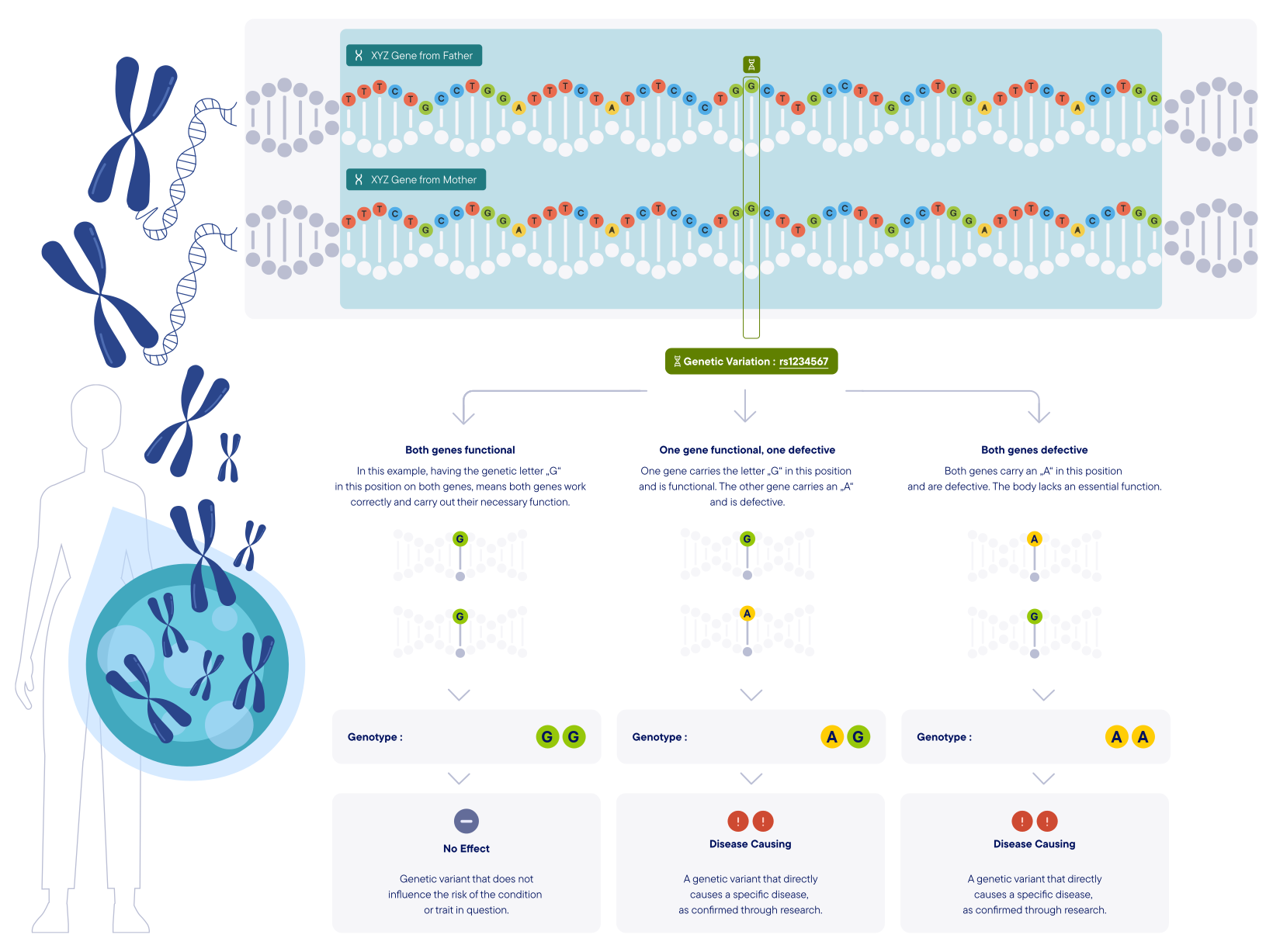
Humans have more than 20,000 genes, each carrying out one or a few specific functions in the body. One gene instructs the body to digest lactose from milk, another tells the body how to build strong bones and another prevents the body's cells from beginning to multiply uncontrollably and developing into cancer. As all of these genes combined are the building instructions for our body, a defect in one of these genes can have severe health consequences.
Through decades of genetic research, we know the genetic code of any healthy/functional human gene. We have also identified that in certain positions on a gene, some individuals may have a different genetic letter from the one you have. We call these hotspots "Genetic Variations" or "Variants" in short. In many cases, studies have been able to show that having the genetic letter "G" in the position makes you healthy, but having the letter "A" in the same position disrupts the gene function and causes a disease. Genopedia allows you to view these variants in genes and summarizes all that we know from scientific research, which genetic letters (Genotype) have good or bad consequences on your health or on your traits.
History
Throughout history, people have described dark spots on the palms and soles that behaved differently from other skin marks—slow to appear, easy to overlook, and sometimes deadly when ignored. In daily life, that might have been a “bruise” on the heel that never healed or a dark streak under a toenail after a minor stub. These early stories hint at acral lentiginous melanoma, a melanoma that forms on the hands, feet, and nail units where sun exposure is not the main driver.
From early theories to modern research, the story of acral lentiginous melanoma has shifted as clinicians learned to tell it apart from other pigmented conditions like moles, fungal nail changes, and trauma. First described in the medical literature as a distinct pattern of melanoma with a flat, slowly spreading phase on acral skin and characteristic streaks under nails, it was recognized partly because it didn’t match the sun-related patterns seen on the face, back, or shoulders. Early reports called it “lentiginous” because the pigment spread in a thin, sheet-like way across the top layer of skin before invading deeper.
For decades, acral lentiginous melanoma was thought to be rare, mostly because it hides in places people and clinicians check less often. It was also underdiagnosed in people with darker skin tones, where background pigmentation can make early changes subtle. Over time, descriptions became more precise as dermoscopy, better biopsy techniques, and pathology standards clarified its features. Awareness grew internationally when well-known cases drew attention to nail and sole melanomas and the need to examine these areas routinely.
Advances in genetics later showed why acral lentiginous melanoma behaves differently from sun-driven melanomas. Instead of the common UV-related mutations, it more often carries structural DNA changes—sections of chromosomes gained or lost—that push cell growth. This helped explain why the condition appears on palms, soles, and nail beds across all skin tones and why sun protection, while important for overall skin health, is not the central prevention strategy for acral sites.
In recent decades, knowledge has built on a long tradition of observation. Standard skin checks now include the hands, feet, and nails, and clinicians are taught to question “blood blisters” or nail streaks that don’t resolve. Historical differences highlight why today’s guidance emphasizes early evaluation of persistent pigmented patches on acral skin, especially those that change shape, develop uneven borders, or cause nail splitting. Knowing the condition’s history underscores a simple, practical lesson: checking the areas we often overlook can make a lifesaving difference.