
Acquired von Willebrand syndrome is a bleeding disorder that starts later in life and is not inherited. People with acquired von Willebrand syndrome often have easy bruising, frequent nosebleeds, or prolonged bleeding after cuts or surgery. It is linked to other health conditions like some heart valve problems, autoimmune diseases, or certain cancers, and the pattern can vary by age and cause. Treatment focuses on managing the underlying condition and using medicines or infusions to prevent or control bleeding. Most people with acquired von Willebrand syndrome can live well with care, but severe bleeding can be dangerous if not treated promptly.
Overview
Acquired von willebrand syndromeSymptoms
Acquired von Willebrand syndrome often shows up as unexpected bleeding. Early symptoms include easy bruising, frequent nosebleeds, gum bleeding, heavy periods, and prolonged bleeding after cuts, dental work, or surgery; some notice blood in stool or urine.
Outlook and prognosis
Most people with acquired von Willebrand syndrome improve once the trigger is found and managed, such as a heart or immune condition, a tumor, or certain medicines. Bleeding risk often drops with treatment. Recovery varies, and some need ongoing monitoring and rescue therapy.
Causes and risk factors
Acquired von Willebrand syndrome usually develops due to another medical problem. Triggers include blood cancers or myeloproliferative disease, autoimmune conditions, aortic valve disease or mechanical heart devices, and hypothyroidism. Risk increases with age, when these underlying conditions are more common.
Genetic influences
Genetics play little direct role in acquired von Willebrand syndrome. It develops later in life from other conditions or treatments, not inherited variants. Still, testing may check the VWF gene to distinguish acquired from inherited forms when diagnosis is unclear.
Diagnosis
Diagnosis of acquired von Willebrand syndrome relies on new-onset bleeding with no family history, plus lab tests showing low VWF levels/activity and abnormal multimers. Doctors also check factor VIII and exclude inherited VWD, while searching for associated conditions or medications.
Treatment and drugs
Treatment for acquired von Willebrand syndrome focuses on the cause and easing bleeding. Doctors may use desmopressin, von Willebrand factor concentrates, or tranexamic acid; for surgery or heavy bleeding, targeted infusions help. Treating an underlying condition often improves bleeding control.
Symptoms
Bleeding problems with everyday activities are common in acquired von Willebrand syndrome, often showing up in the nose, mouth, skin, or with periods. Symptoms vary from person to person and can change over time. Early symptoms of acquired von Willebrand syndrome may include easy bruising, frequent nosebleeds, or bleeding longer than expected after a cut or dental work. Ongoing blood loss can also lead to tiredness or lightheadedness from low iron.
In acquired von Willebrand syndrome, bruises can appear after small bumps and may be larger than expected. They often last longer and show up on the arms, legs, or trunk.
People with acquired von Willebrand syndrome may have nosebleeds that are frequent or hard to stop. You might need tissues or pressure for several minutes before they slow.
Gums may bleed with brushing, flossing, or dental cleanings. Bleeding can feel out of proportion to the activity and may take time to settle.
Small cuts or nicks can ooze longer than usual. Shaving or kitchen prep may lead to bleeding that restarts when you remove a bandage.
How people usually first notice Acquired von willebrand syndrome?
People often first notice acquired von Willebrand syndrome when easy bruising, frequent nosebleeds, or unusually heavy bleeding after minor cuts, dental work, or surgery doesn’t fit their past history. For many, the first signs of acquired von Willebrand syndrome show up later in life alongside a new medical issue—such as a heart valve problem, certain cancers, thyroid disease, or autoimmune conditions—or after starting a medication that affects clotting, bringing bleeding problems that weren’t there before. Doctors are usually alerted by prolonged bleeding times, low iron or anemia from ongoing blood loss, or abnormal lab results during evaluation for those other conditions, which leads to testing for how acquired von Willebrand syndrome is first noticed.
Types of Acquired von willebrand syndrome
Acquired von Willebrand syndrome (AVWS) has several well-recognized clinical variants that stem from different underlying triggers, which is why symptoms and lab results can look a bit different from one person to another. Symptoms don’t always look the same for everyone. Broadly, clinicians often describe them in these categories: immune-mediated loss, adsorption onto cells or devices, increased breakdown by enzymes, and reduced production or secretion. Knowing the main variants of AVWS can help you and your care team understand the types of Acquired von Willebrand syndrome you might read about and why treatment plans vary.
Autoantibody-mediated
The body makes antibodies that bind to von Willebrand factor and clear it from the bloodstream. People with this variant often have easy bruising, nosebleeds, or heavy periods, and lab tests may show reduced activity with evidence of inhibition.
Adsorption to cells
Excessive binding of von Willebrand factor to abnormal blood cells or vessel linings removes it from circulation. This is often seen with certain blood cancers or platelet disorders and can cause mucosal bleeding like gum or gastrointestinal bleeding.
Shear-related loss
High shear stress from heart valve disease or mechanical circulatory devices breaks down large von Willebrand factor multimers. Many notice bleeding with dental work or the gut, and symptoms may improve after valve repair or device adjustment.
Enzyme overactivity
Increased activity of the ADAMTS13 enzyme trims von Willebrand factor too aggressively. People can have prolonged bleeding after minor cuts and show a loss of large multimers on specialized testing.
Reduced production/secretion
Conditions that impair making or releasing von Willebrand factor lead to low circulating levels. This can appear with thyroid problems or some medications and tends to cause milder but persistent mucosal bleeding.
What genetics can tell you about symptoms
In acquired von Willebrand syndrome, no inherited mutation is needed; instead, other conditions or treatments change how the VWF protein works or is cleared, leading to easy bruising, frequent nosebleeds, and heavy bleeding. For example, heart valve disease, certain cancers, or autoimmune disorders can reduce VWF levels or function, directly causing mucosal bleeding and prolonged bleeding after procedures.
Causes and risk factors
Common risk factors for acquired von Willebrand syndrome include older age, immune diseases, certain blood cancers, low thyroid, and heart valve problems or heart pumps. These conditions can remove or block the von Willebrand factor protein and trigger the syndrome. It is not inherited, and a family history usually does not raise risk. Doctors distinguish between risk factors you can change and those you can’t. Blood thinners and pain relievers like aspirin or ibuprofen can raise bleeding risk, and heavy alcohol use can too.
Environmental and biological risk factors
Acquired von Willebrand syndrome develops later in life when other health conditions or medical exposures interfere with a key clotting protein. You might notice frequent nosebleeds or bruising after small bumps—the early symptoms of acquired von Willebrand syndrome—especially when an underlying disorder is present. Doctors often group risks into internal (biological) and external (environmental). Below are the main factors linked to a higher chance of this condition.
Certain blood cancers and antibody-related conditions can trigger acquired von Willebrand syndrome. Abnormal proteins may stick to the clotting factor or mark it for removal, lowering its level and function.
Conditions that produce too many platelets or red cells can reduce how well the clotting protein works. Excess cells can bind and clear it or change blood flow, increasing loss. Bleeding problems may be more likely when counts are very high.
Autoimmune conditions can lead the immune system to form antibodies against the clotting protein. These antibodies can block its action or speed its clearance from the bloodstream. Lupus is one example.
Reduced thyroid hormone can lower the body’s production of the clotting protein. This is known medically as hypothyroidism. Levels often improve once thyroid function is corrected.
Genetic risk factors
Acquired von Willebrand syndrome develops later in life and is not passed down through families. There is no single inherited mutation in the VWF gene that causes it, but certain genetic factors can influence who is more likely to develop it. Carrying certain risks doesn’t automatically lead to acquired von Willebrand syndrome. Because early symptoms of acquired von Willebrand syndrome can resemble the inherited form, it helps to know which genetic influences are direct and which are indirect.

Not inherited: Acquired von Willebrand syndrome is not caused by a gene change you are born with. Families usually do not share this condition, even when more than one person has easy bruising for other reasons.
Somatic cell changes: Genetic changes that arise in certain cells over time can lead to disorders that trigger acquired von Willebrand syndrome. These are not inherited and stay confined to the affected cell lines.
Myeloproliferative clones: Acquired mutations in blood-forming cells, such as JAK2 or related changes, can drive platelet or red cell overproduction that promotes loss of von Willebrand factor. These clones are genetic within the bone marrow but are not passed to children.
B-cell antibodies: Genetic alterations in B cells can create a single antibody-making clone whose proteins bind and remove von Willebrand factor. This happens in conditions like monoclonal gammopathy or Waldenstrom macroglobulinemia and develops over time, not at birth.
Inherited valve traits: Some people inherit heart valve differences, such as a bicuspid aortic valve, that increase blood-flow stress and can lead to an acquired von Willebrand pattern. The genetic influence is indirect; the risk comes from the valve’s mechanics rather than the von Willebrand gene.
Blood group O: People with type O blood inherit lower average von Willebrand factor levels, which can make bleeding from acquired von Willebrand syndrome more noticeable. This blood type does not cause the syndrome on its own.
Autoimmune susceptibility: A family history of autoimmune disease can reflect inherited immune traits that raise the chance of antibody-mediated acquired von Willebrand syndrome. This is an indirect link and varies by family.
Lifestyle risk factors
Day-to-day habits can meaningfully change bleeding frequency and severity in this condition. The lifestyle risk factors for Acquired von willebrand syndrome focus on choices that increase mucosal or trauma-related bleeding or worsen complications like anemia. Understanding how lifestyle affects Acquired von willebrand syndrome can help you tailor exercise, diet, and self-care for safer living.
Moderate to heavy drinking impairs platelet function and can amplify nose, gum, and gastrointestinal bleeding in acquired von Willebrand syndrome. Cutting back or avoiding alcohol may reduce spontaneous bleeds and bruising.
Ibuprofen, naproxen, and aspirin inhibit platelets and can markedly heighten bleeding risk in acquired von Willebrand syndrome. Prefer acetaminophen for pain after discussing safety with your clinician.
Fish oil, ginkgo, garlic, ginseng, turmeric, and high-dose vitamin E can thin the blood and increase bleeding in acquired von Willebrand syndrome. Always review supplements with your care team before use.
High-impact or collision activities raise the chance of trauma-induced bleeding in acquired von Willebrand syndrome. Low-impact exercise (walking, cycling, swimming) maintains fitness with less bleeding risk.
Risk prevention
Acquired von Willebrand syndrome develops because of other health issues or medications, so prevention focuses on lowering bleeding risk and addressing what’s driving it. Prevention is about lowering risk, not eliminating it completely. Recognizing early symptoms of acquired von Willebrand syndrome, like frequent nosebleeds or unusual bruising, can prompt timely care. Talk to your doctor about which preventive steps are right for you.
Treat heart valve problems, thyroid conditions, autoimmune disease, or certain blood cancers promptly. This can reduce the chance of acquired von Willebrand syndrome or lessen bleeding.
Ongoing follow-up helps your team track clotting tests and spot changes early. Screening labs may catch shifts that raise bleeding risk in acquired von Willebrand syndrome.
Some drugs can lower von Willebrand factor or increase bleeding. Review pain relievers, blood thinners, and other medicines with your clinician before starting or stopping them.
Use acetaminophen/paracetamol for pain when possible. Take aspirin, ibuprofen, naproxen, or anticoagulants only if your clinician recommends them, since they can worsen bleeding in acquired von Willebrand syndrome.

Transmission
Acquired von Willebrand syndrome is not contagious and cannot be transferred from one person to another. It does not spread through everyday contact, sneezing or coughing, sex, or during pregnancy or breastfeeding. It’s also not inherited; unlike the inherited form of von Willebrand disease, it usually appears later in life because of another health issue—such as a blood cancer, an immune condition, thyroid problems, heart valve disease, or use of a heart-assist device—which lowers or removes the von Willebrand clotting protein. So when people ask how Acquired von Willebrand syndrome is transmitted, the answer is that it isn’t; care focuses on finding and treating the underlying cause rather than on isolation or contact tracing.
When to test your genes
Consider genetic testing if you have frequent or unusual bleeding, a family history of bleeding disorders, or if bleeding worsens with certain medications or autoimmune conditions. Testing helps distinguish acquired von Willebrand syndrome from inherited forms and guides tailored treatment and prevention. Discuss timing with a hematologist before surgeries or new therapies.
Diagnosis
New or unusual bleeding—like frequent nosebleeds, easy bruising, or heavy bleeding after dental work—often prompts testing for Acquired von Willebrand syndrome. Finding out the cause is the first step toward treatment. Because this condition develops later in life and is often linked to another medical issue, doctors look both at bleeding tests and at what might be driving it. Understanding how Acquired von Willebrand syndrome is diagnosed can help you know what to expect.
Your provider asks about recent nosebleeds, gum bleeding, easy bruising, or heavy bleeding with procedures. A detailed family and health history can help tell acquired from inherited causes. Lack of lifelong bleeding problems often points toward an acquired condition.
Doctors look for bruises, skin or gum bleeding, and signs that suggest another condition may be involved. Clues like enlarged lymph nodes, thyroid changes, or a heart murmur can guide next tests.
A complete blood count checks red cells and platelets and helps rule out anemia from blood loss. Clotting screens (PT/INR and aPTT) look for general abnormalities; aPTT may be prolonged if a related clotting factor is low.
Specialized tests measure von Willebrand factor (VWF) level and how well it works. Lower VWF activity compared with its level supports the diagnosis and helps separate acquired from inherited patterns.
Stages of Acquired von willebrand syndrome
Acquired von Willebrand syndrome does not have defined progression stages. Bleeding risk usually reflects an underlying condition or certain medicines, so symptoms can appear suddenly, come and go, or improve once the trigger is treated rather than following a steady, step-by-step course. Different tests may be suggested to help confirm the diagnosis, including blood work that looks at how von Willebrand factor and clotting function are working, along with your bleeding history and exam. If you notice early symptoms of acquired von Willebrand syndrome—such as easy bruising, frequent nosebleeds, or heavier-than-usual bleeding after minor cuts—your care team may monitor results over time and coordinate treatment of the underlying cause, especially before procedures or dental work.
Outlook and prognosis
Looking at the long-term picture can be helpful. For many people with acquired von Willebrand syndrome, the outlook depends on what’s driving the bleeding problem—often another health condition like a blood cancer, autoimmune disease, hypothyroidism, or a heart valve issue. If the underlying cause is found and treated, bleeding risk frequently improves. Early care can make a real difference, especially if you’ve had nosebleeds, easy bruising, heavy periods, or prolonged bleeding after dental work—common early symptoms of acquired von Willebrand syndrome.
Doctors call this the prognosis—a medical word for likely outcomes. When the trigger is temporary or reversible, the syndrome may ease or even resolve once that trigger is controlled. If the trigger is ongoing, some people have intermittent flare-ups and need treatment around surgeries, dental procedures, or injuries. Serious bleeding can occur, but life‑threatening hemorrhage is uncommon when a care plan is in place. Mortality is usually linked to the underlying disease rather than acquired von Willebrand syndrome itself, though severe bleeding can raise short‑term risk during major procedures or trauma.
Everyone’s journey looks a little different. People with cardiac causes or certain cancers may have a more persistent course, while those with thyroid or medication‑related causes often improve after targeted treatment. With ongoing care, many people maintain normal routines and safely undergo procedures using preventive steps like desmopressin, von Willebrand factor concentrates, or antifibrinolytics. Talk with your doctor about what your personal outlook might look like, including how the plan changes for surgeries, dental work, or new symptoms.
Long-term effects
Acquired von Willebrand syndrome is a bleeding condition that develops later in life, usually because of another health problem or a heart device. Long-term effects vary widely and depend on whether the cause can be corrected. While early symptoms of acquired von Willebrand syndrome often involve nosebleeds or easy bruising, the long-term picture centers on repeated bleeding and the anemia and fatigue that can follow. For many, outlook improves once the underlying issue is treated, but bleeding risks can persist if the cause remains.
Nosebleeds, gum bleeding, and easy bruising may continue off and on. These episodes can be mild or disruptive, sometimes showing up with minor bumps or toothbrushing. Day-to-day, some may plan around the possibility of a bleed.
Menstruating people may have prolonged or heavier-than-usual periods. This can lead to low iron and feeling worn down between cycles. Acquired von Willebrand syndrome may make period management more complex over time.
Slow, repeated blood loss can lower iron stores. Fatigue, dizziness, and shortness of breath with exertion may follow. You might notice reduced stamina during work, school, or exercise.
Some develop hidden or visible bleeding in the gut, sometimes linked to fragile blood vessels in the intestine. Stools may look dark or maroon during flares. In acquired von Willebrand syndrome related to valve disease or heart devices, this can recur.
How is it to live with Acquired von willebrand syndrome?
Living with acquired von Willebrand syndrome can feel unpredictable: bruises appear easily, nosebleeds last longer than they should, and minor cuts or dental work may turn into prolonged bleeding that disrupts routines at work, school, or home. Many people plan ahead—carrying bandages, coordinating with dentists and surgeons, and timing certain activities around treatment—while also avoiding high‑risk sports to reduce injuries. Loved ones often become quiet partners in care, learning warning signs of significant bleeding and how to respond, which can be reassuring but also emotionally taxing. With a clear care plan, the right medications, and open communication with healthcare teams, most people regain confidence and keep doing the things that matter to them.
Treatment and drugs
Treatment for acquired von Willebrand syndrome focuses on two goals: controlling bleeding and addressing the underlying cause, such as a heart valve problem, a thyroid issue, or a blood cancer. Doctors often start with medicines that help blood clot better, including desmopressin (DDAVP), von Willebrand factor concentrates, or antifibrinolytics like tranexamic acid for nose, mouth, or dental bleeding; for procedures, you may receive factor infusions just before and after. If your immune system is clearing von Willebrand factor too quickly, therapies that lower or block the antibodies—such as intravenous immunoglobulin (IVIG), steroids, or rituximab—may be used, and plasmapheresis can be considered in urgent cases. Alongside medical treatment, lifestyle choices play a role, including avoiding medicines that thin the blood (like aspirin or certain anti-inflammatory drugs) unless your doctor advises otherwise and planning ahead for surgeries or dental work. Not every treatment works the same way for every person, so your doctor may adjust your plan over time and coordinate care with specialists to reduce bleeding and manage the condition’s cause.
Non-drug treatment
Non-drug care for acquired von Willebrand syndrome focuses on stopping bleeding, protecting daily life, and addressing the trigger when possible. Alongside medicines, non-drug therapies often lay the foundation for day-to-day control. Early symptoms of acquired von Willebrand syndrome can include frequent nosebleeds, easy bruising, or prolonged bleeding after dental work, and many of these respond to practical measures. Procedures to correct a heart valve or to treat a bleeding source can also improve the underlying problem.
Fixing the trigger can reduce bleeding and sometimes reverse the syndrome. This may include repairing or replacing a leaky heart valve, adjusting or changing a mechanical heart device, or removing a tumor that is driving the problem.
For cuts and nosebleeds, firm pressure for at least 10–15 minutes helps form a stable clot. Elevating the area and using clean, non-stick hemostatic dressings can further limit bleeding.
Regular saline sprays and a bedside humidifier can reduce nosebleeds by keeping the lining moist. An ear, nose, and throat specialist can cauterize fragile vessels if nosebleeds persist.
Tell your dentist about acquired von Willebrand syndrome before cleanings or procedures so local measures can be ready. Ask your doctor which non-drug options might be most effective to control oozing during and after dental work.
Your genes may have an impact on how drugs work for you
Some medicines used in acquired von Willebrand syndrome work differently depending on genes that affect clotting proteins and how fast your liver processes drugs. Genetic variation can change dose needs or side‑effect risk, so personalized dosing and careful monitoring are often helpful.
Pharmacological treatments
Treatment for Acquired von Willebrand syndrome focuses on stopping active bleeding, preparing safely for procedures, and reducing future bleeds by addressing the cause. Options include medicines that boost or replace von Willebrand factor, drugs that steady clots, and therapies that calm an overactive immune response. Not everyone responds to the same medication in the same way. If you notice early symptoms of acquired von Willebrand syndrome like frequent nosebleeds or easy bruising, reach out promptly so your team can tailor the plan to you.
This nasal spray or injection helps your body release stored von Willebrand factor to control mild bleeding. First-line medications are those doctors usually try first, based on safety, effectiveness, and guidelines.
Plasma‑derived products such as Humate‑P or Wilate replace low von Willebrand factor and factor VIII during bleeds or before procedures. Doses are given by vein and adjusted based on lab checks and your bleeding pattern.
Vonicog alfa provides von Willebrand factor without added factor VIII and can be used when other options aren’t suitable. It may be paired initially with factor VIII to stabilize levels before surgery or during heavy bleeding.
Tranexamic acid or aminocaproic acid help stabilize clots in areas like the nose, mouth, and heavy periods. They are often added to other treatments for dental work or minor procedures to reduce oozing.
Genetic influences
Unlike the inherited form of von Willebrand disease, the acquired form usually isn’t driven by the genes you’re born with. Acquired von Willebrand syndrome typically develops because of another medical condition or a device that changes blood flow, rather than a gene change passed through a family. Family history is one of the strongest clues to a genetic influence. With acquired von Willebrand syndrome, that pattern is usually not seen.
That said, some underlying causes—such as certain blood cancers, autoimmune diseases, thyroid problems, or heart valve issues—can have their own genetic components, but they do not make the bleeding disorder itself hereditary. Because of this, genetic testing for acquired von Willebrand syndrome is not usually helpful; doctors focus instead on finding and treating the trigger. Rarely, someone may have a mild inherited bleeding tendency and later develop acquired von Willebrand syndrome as well, which can make symptoms more noticeable.
Is Acquired von willebrand syndrome genetic?
Genetics play little direct role in acquired von Willebrand syndrome. It develops later in life from other conditions or treatments, not inherited variants. Still, testing may check the VWF gene to distinguish acquired from inherited forms when diagnosis is unclear.
Pharmacogenetics—how genetics influence drug effects
Because acquired von Willebrand syndrome (AVWS) develops later in life, treatment decisions mainly target the underlying cause, with genetics playing a smaller, supporting role. A well-known exception is your ABO blood group, which can lower or raise baseline von Willebrand factor and influence how much benefit you get from desmopressin (DDAVP) or a VWF concentrate. Genetics is only one factor, and doctors still watch your clinical response and repeat lab checks to fine-tune dosing. For example, two people with AVWS might receive the same DDAVP dose; one may get a brisk bump in clotting protein, while another needs additional VWF concentrate because their body clears it faster. For medicines used to control bleeding or the immune trigger—such as tranexamic acid, intravenous immunoglobulin, or rituximab—there’s little proven pharmacogenetic guidance in AVWS, so care is individualized by bleeding pattern, side effects, and before-and-after blood tests. In practice, clinicians treating acquired von Willebrand syndrome combine your history, the suspected trigger, and measured responses to therapy rather than relying on genetic testing for acquired von Willebrand syndrome.
Interactions with other conditions
Acquired von Willebrand syndrome often shows up alongside other illnesses, and the mix can change how bleeding risks appear day to day. Doctors call it a “comorbidity” when two conditions occur together. It’s frequently linked with certain blood cancers or bone marrow diseases, autoimmune conditions, severe hypothyroidism, kidney disorders that cause heavy protein loss, and heart issues that increase blood flow stress—like a tight aortic valve—or even mechanical heart pumps. In these settings, early symptoms of acquired von Willebrand syndrome, such as easy bruising or nosebleeds, can be mistaken for effects of the other condition, which delays recognition. Treating the underlying problem—repairing a diseased valve, controlling a bone marrow disorder, or correcting thyroid levels—can lessen or even resolve the bleeding tendency from acquired von Willebrand syndrome. Interactions can look very different from person to person, so care is often coordinated across specialties to plan procedures, choose safe medicines, and balance bleeding and clotting risks.
How genes can cause diseases
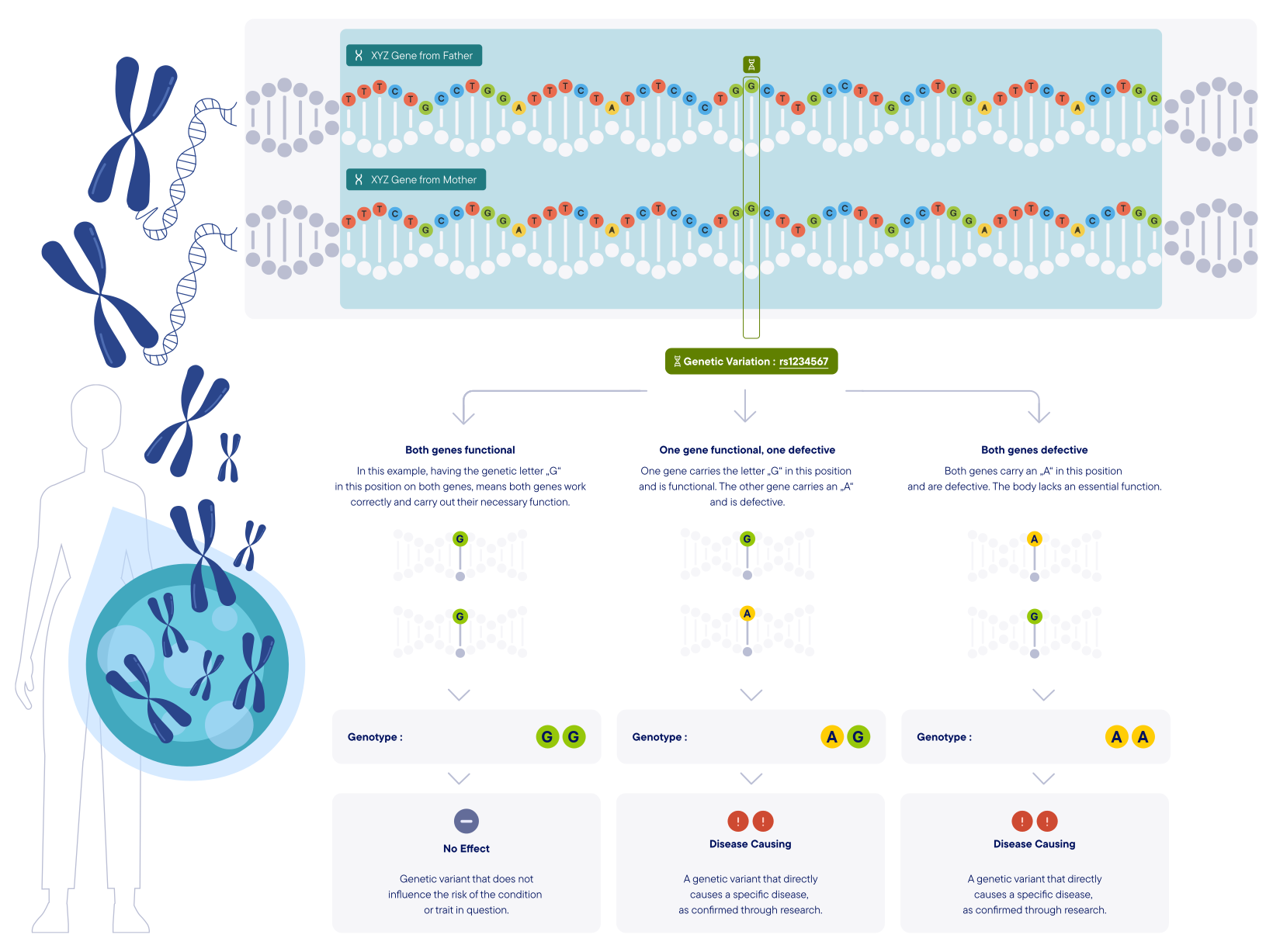
Humans have more than 20,000 genes, each carrying out one or a few specific functions in the body. One gene instructs the body to digest lactose from milk, another tells the body how to build strong bones and another prevents the body's cells from beginning to multiply uncontrollably and developing into cancer. As all of these genes combined are the building instructions for our body, a defect in one of these genes can have severe health consequences.
Through decades of genetic research, we know the genetic code of any healthy/functional human gene. We have also identified that in certain positions on a gene, some individuals may have a different genetic letter from the one you have. We call these hotspots "Genetic Variations" or "Variants" in short. In many cases, studies have been able to show that having the genetic letter "G" in the position makes you healthy, but having the letter "A" in the same position disrupts the gene function and causes a disease. Genopedia allows you to view these variants in genes and summarizes all that we know from scientific research, which genetic letters (Genotype) have good or bad consequences on your health or on your traits.
History
Throughout history, people have described unusual bleeding that seemed to appear later in life, long after childhood scrapes had healed normally. Families and doctors noticed nosebleeds that wouldn’t stop, easy bruising after minor bumps, and prolonged bleeding after dental work in adults who had never had a bleeding problem before. These clues set Acquired von Willebrand syndrome apart from the inherited form, which typically shows up earlier in life.
First described in the medical literature as a late-onset bleeding tendency resembling the inherited von Willebrand disease, the condition drew attention because it often occurred alongside other health issues. Doctors began reporting cases in people with certain cancers of the blood, autoimmune conditions, severe heart valve disease, or an underactive thyroid. Initially understood only through symptoms, later studies showed that the body was either making antibodies that interfered with von Willebrand factor, clearing it too quickly, or mechanically breaking it down—especially with high blood flow across narrowed heart valves.
As medical science evolved, laboratory testing caught up with these observations. Clinicians learned to measure von Willebrand factor in the blood and to study how well it helped platelets stick and form a clot. Patterns emerged: some people had lower levels because the protein was being removed or blocked; others had a normal amount that simply did not work as it should. These findings helped separate Acquired von Willebrand syndrome from look‑alike problems and from the inherited types that run in families.
With each decade, reports expanded beyond single cases to larger series, confirming that Acquired von Willebrand syndrome can appear at any adult age and is linked to a range of underlying conditions. It also became clear that treating the root cause—such as replacing a tight aortic valve, controlling an autoimmune disease, or managing a blood cancer—could improve bleeding and normalize tests. That historical lesson still guides care today: address the trigger, and the bleeding often settles.
In recent decades, awareness has grown as clinicians recognized that some people labeled “easy bleeders” in midlife actually have this acquired problem. Modern treatments refined over time now include targeted clotting support during surgeries or dental work, temporary medicines that raise von Willebrand factor, and therapies aimed at the underlying illness. The story of Acquired von Willebrand syndrome shows how careful observation, paired with better testing and treatment, turned scattered case stories into a clear, workable approach to diagnosis and care.