
Acquired peripheral movement disorder affects how muscles move and respond, often causing tremor, twitching, cramps, or weakness. Symptoms can start after injury, medication effects, nerve inflammation, or metabolic problems, and they may improve or persist depending on the cause. Many people with an acquired peripheral movement disorder have symptoms that change over weeks to months, but some have long‑term issues. Most cases are not life‑threatening, but severe complications can occur if breathing or swallowing muscles are involved. Treatment focuses on the cause and may include stopping a triggering drug, physical therapy, nerve pain medicines, muscle relaxants, or injections, and talking with your healthcare provider can bring clarity and reassurance.
Overview
Acquired peripheral movement disorderSymptoms
Acquired peripheral movement disorder usually affects arms and legs: shaking or jerks, twitching, cramps, or stiffness. People may drop objects, show shaky handwriting, or drag a foot. Tingling, numbness, or weakness can accompany movements, sometimes worse with fatigue or medicines.
Outlook and prognosis
Most people with an acquired peripheral movement disorder improve when the underlying cause is treated and nerves have time to heal. Recovery can be gradual—weeks to months—and often benefits from targeted therapy, medications, and symptom-focused care. Some have lasting changes, but early diagnosis and consistent rehab can limit flare‑ups and improve daily function.
Causes and risk factors
Acquired peripheral movement disorder can stem from nerve injury, infections, autoimmune inflammation, toxins or medications, and metabolic issues like diabetes or thyroid disease. Risks include older age, repetitive strain, alcohol misuse, poor nutrition, and genetic susceptibility.
Genetic influences
Genetics play a limited role in acquired peripheral movement disorder, which usually stems from injury, toxins, infection, or medication effects. Still, genetic variations can influence susceptibility, symptom severity, and recovery. Testing is rarely needed unless features suggest an inherited disorder.
Diagnosis
Doctors diagnose acquired peripheral movement disorder through symptom history and a neurologic exam focused on pattern, triggers, and distribution. Tests may include blood work, medication/toxin review, nerve conduction/EMG, and imaging to identify causes.
Treatment and drugs
Treatment focuses on easing symptoms, keeping mobility, and protecting daily function. Many with acquired peripheral movement disorder improve with physical and occupational therapy, targeted medications (like antispasmodics, dopamine agents, or nerve pain treatments), botulinum toxin injections, and sometimes nerve or deep brain stimulation.
Symptoms
Movements can feel shaky, tight, or out of sync, making buttoning a shirt or holding a cup take extra effort. Early symptoms of acquired peripheral movement disorder can include small muscle twitches, cramps, or a new tremor that gets in the way during fine tasks. Symptoms vary from person to person and can change over time.
Small, brief flickers under the skin in the eyelid, calf, or hand can come and go. They often feel annoying more than painful and may show up more after exercise or stress.
Sudden, tight cramps can grip the calves, feet, or hands, sometimes waking you at night. Repeated spasms can leave the area sore and make it harder to use the muscle afterward.
A rhythmic shake may appear in one hand or leg, either at rest or when you reach for something. In acquired peripheral movement disorder, tremor can make tasks like drinking from a cup or using a key feel unsteady.
Quick, shock-like jerks can jolt a finger, arm, or leg without warning. Clinicians call this myoclonus, which means sudden, brief muscle jerks.
How people usually first notice Acquired peripheral movement disorder?
People usually first notice an acquired peripheral movement disorder when a hand, foot, or part of the face starts to twitch, jerk, or cramp on its own, especially after an injury, medication change, infection, or new toxin exposure. For many, the movements feel “out of their control” and may come with muscle stiffness, burning or tingling, and changes in posture or gait that make fine tasks or walking harder. If these first signs of an acquired peripheral movement disorder persist, worsen, or spread, it’s a cue to seek medical care so a clinician can look for triggers like nerve injury, medication side effects, or autoimmune causes.
Types of Acquired peripheral movement disorder
People with acquired peripheral movement disorders often notice how the problem shows up in day-to-day tasks—hands that tremble when holding a cup, toes that curl or cramp when walking, or muscles that twitch at rest. These conditions stem from nerves or muscles outside the brain and spinal cord, so symptoms tend to be more focal, linked to specific limbs or muscle groups. Symptoms don’t always look the same for everyone. Clinicians often describe them in these categories: tremor, dystonia, myoclonus, chorea/athetosis, tics, and peripheral neuropathic movement issues, and understanding the types of acquired peripheral movement disorder can clarify what tests and treatments may help.
Action/postural tremor
Shaking appears when holding a position or using the limb, like lifting a glass or typing. It eases at rest but returns with movement. Many find stress, caffeine, or fatigue make it more noticeable.
Rest tremor
Rhythmic shaking happens when the limb is relaxed and supported, such as a hand resting on the lap. It lessens with voluntary movement. The pattern can help guide the search for causes.
Focal dystonia
Muscles contract involuntarily, pulling a hand, foot, or neck into awkward postures. It can be task-specific, like finger curling during writing or a foot turning in while walking. Pain or cramping may follow prolonged postures.
Segmental dystonia
Involuntary contractions spread across neighboring regions, for example the neck and one arm. Movements can be twisting or sustained. Sensory tricks, like touching the chin or back of the head, may briefly ease it.
Myoclonus
Sudden, shock-like jerks hit a muscle or a small group of muscles. They may occur at rest or with action. Triggers can include movement, sound, or light in some people.
Chorea/athetosis
Movements look flowing, fidgety, or writhing and seem to wander from one body part to another. They ease during sleep and worsen with stress or voluntary effort. Balance and fine tasks can be harder during active phases.
Motor tics
Repetitive, brief movements such as eye blinking, facial grimacing, or shoulder jerks appear in bursts. Some people feel a rising urge and brief relief after the tic. Stress or excitement can increase frequency.
Cramps and fasciculations
Painful muscle cramps and visible twitches under the skin can occur in the calves, feet, or hands. Twitches are usually harmless but can be distracting. Hydration, heat, or overuse often influences symptoms.
Peripheral neuropathic movements
Weakness, numbness, or tingling from nerve injury can lead to unsteady, slapping steps or foot drop. The limb may move differently to compensate, especially when walking on uneven ground. Bracing or therapy can help control gait changes.
Task-specific movements
Certain activities bring out the issue, such as tremor with reaching or writer’s cramp during fine motor work. Outside the task, movement can look near-normal. Identifying the trigger task helps tailor therapy.
Painful legs–moving toes
Aching or burning pain in the legs comes with continuous wriggling or flexing of the toes. Movements persist even at rest and during sleep. Comfort measures often help more than forcefully trying to stop the movement.
What genetics can tell you about symptoms
Most acquired peripheral movement disorders aren’t inherited, but certain genetic variants can shape how severe symptoms become or how you respond to triggers or medications. For example, variants affecting dopamine or ion channels may worsen tremor, cramps, twitching, or medication‑induced dyskinesia.
Causes and risk factors
Causes often include damage to peripheral nerves or muscles after injury, infection, surgery, or overuse. Doctors distinguish between risk factors you can change and those you can’t. Medical conditions like diabetes, thyroid disease, kidney disease, and autoimmune disorders raise risk. Alcohol misuse, poor nutrition, heavy metal or solvent exposure, and some drugs such as chemotherapy can trigger Acquired peripheral movement disorder. A genetic tendency may increase sensitivity, and early symptoms of Acquired peripheral movement disorder can appear after a new medicine or toxin.
Environmental and biological risk factors
After a wrist injury, a hand tremor or sudden jerks can make writing messy and meal prep slow. For Acquired peripheral movement disorder, certain health conditions inside the body and exposures in the world around you can raise the chance it appears or gets worse. Doctors often group risks into internal (biological) and external (environmental). Knowing these can also help you spot early symptoms of Acquired peripheral movement disorder and discuss them promptly.
Trauma, fractures, or cuts that harm a limb nerve can trigger misfiring that shows up as tremor, jerks, or painful spasms. These changes can stay local to the injured area and raise the chance of Acquired peripheral movement disorder.
Operations near nerves, casting, or long immobilization can irritate or trap nerves. This can set off abnormal limb movements during healing.
This pain-and-swelling condition after an injury can be linked with fixed postures, tremor, or jerks in the affected limb. Its nerve and blood flow changes can feed Acquired peripheral movement disorder features.
Long-term use of vibrating tools or repetitive force can injure small nerves in the hands and arms. Resulting nerve sensitivity may bring tremor, cramps, or finger movements.
Genetic risk factors
Acquired peripheral movement disorder is usually not driven by inherited causes. Carrying a genetic change doesn’t guarantee the condition will appear. Still, some people inherit traits that can raise susceptibility, shape severity, or affect recovery when the peripheral nerves are challenged. Below are key genetic factors clinicians consider when discussing genetic risk factors for acquired peripheral movement disorder.

Family history: Having close relatives with movement or nerve conditions can signal shared inherited traits. These traits may lower the threshold for tremor, twitching, or cramps when nerves are under stress. Family history does not predict the exact course for any one person.
Ion channel genes: Small changes in genes that control electrical signaling in peripheral nerves can increase nerve excitability. This may make abnormal movements more likely or more persistent when nerves are challenged. Effects can differ widely across variants.
Myelin repair genes: Variants that affect the nerve covering and repair pathways can alter how signals travel and how well nerves recover. That can raise susceptibility to acquired peripheral movement disorder symptoms. Some changes remain silent until the system is stressed.
Drug-processing genes: Differences in enzymes that process medications can change how the body handles agents tied to movement symptoms. This can shift personal risk of medication-induced tremor or muscle twitches. Pharmacogenetic testing may be considered in select cases.
Immune response genes: Certain inherited immune patterns can influence whether the immune system targets components of peripheral nerves. In rare situations, this can contribute to nerve hyperexcitability and movement symptoms. Associations tend to be modest and can vary by population.
Mitochondrial DNA variants: Inherited changes in mitochondrial genes can reduce energy reserves in nerves and muscles. When energy is low, nerves may become more vulnerable to abnormal firing. Severity can vary even among siblings.
Polygenic background: Many small genetic differences can add up to shape overall susceptibility. Together, they may influence who develops symptoms and how quickly they improve. No single variant determines outcome.
Lifestyle risk factors
Daily habits can trigger, worsen, or help steady abnormal movements that arise from peripheral nerves and muscles. Understanding lifestyle risk factors for Acquired peripheral movement disorder can guide practical changes to reduce flares and improve control. Diet, sleep, stress, and the way you use your body all play measurable roles.
Repeated fine-motor tasks or forceful gripping can provoke task-specific tremor or dystonia. Scheduling breaks and varying tasks may reduce peripheral overactivation.
Awkward wrist, elbow, or shoulder positions increase nerve irritation and abnormal motor firing. Supportive setups for keyboards, tools, and instruments may ease symptoms.
Deconditioning weakens stabilizing muscles and impairs motor control, amplifying tremor or jerky movements. Regular, graded activity can improve neuromuscular coordination.
Sudden jumps in training load or practice time can trigger task-specific dystonia or myoclonus. Gradual progression with recovery days lowers this risk.
Risk prevention
You can lower the chance of an acquired peripheral movement disorder by protecting your nerves, managing health conditions that affect them, and avoiding known triggers. Prevention is about lowering risk, not eliminating it completely. Staying alert to new symptoms and getting timely care can also reduce long-term problems. Regular check-ins with your healthcare team help tailor these steps to your situation.
Use protective gear for sports and work with tools to avoid nerve and muscle injuries. Choose supportive footwear and avoid tight braces or bands that compress nerves.
Set up workspaces so wrists, elbows, and shoulders stay in neutral positions. Take short movement breaks every 30–60 minutes to limit repetitive strain and vibration exposure.
Keep blood sugar, thyroid levels, and kidney or liver health in target range to protect nerves. Ask your doctor about checking vitamin B12 or other nutrient levels if you have numbness, cramps, or new tremor.
Some medicines can trigger tremor, spasms, or stiffness. Review your drug list regularly with your clinician to adjust doses or switch if they raise the risk of an acquired peripheral movement disorder.

Transmission
Acquired peripheral movement disorder is not contagious, and it cannot be passed from one person to another. It also isn’t inherited—how Acquired peripheral movement disorder is transmitted simply doesn’t apply—because it develops after things like nerve injury, certain medicines, toxins, or other health conditions. Even when a prior infection or an immune-system flare seems to set it off, the movement problem itself does not spread; only the underlying infection (if present) could be contagious, not the disorder. Because it’s acquired, family members aren’t at increased genetic risk beyond shared environments or exposures.
When to test your genes
Consider genetic testing if your movement symptoms began unusually early, run in your family across generations, or don’t match typical patterns or responses to treatment. Testing can guide diagnosis, predict progression, and tailor therapies or medications to you. Discuss timing with a neurologist or genetic counselor, especially before starting long-term treatments.
Diagnosis
When movements start to twitch, shake, or cramp outside your control, everyday tasks like typing, holding a cup, or sleeping through the night can get frustrating. For many, the first step comes when everyday activities start feeling harder. Clinicians combine your story, a careful exam, and targeted tests to figure out how Acquired peripheral movement disorder is diagnosed and to separate peripheral causes from brain-based ones. Tests may feel repetitive, but each one helps rule out different causes.
Your clinician will ask when the movements began, what makes them better or worse, and how they impact work, sleep, and exercise. A detailed family and health history can help identify patterns, triggers, or other conditions that travel with these symptoms.
The exam looks at where the movement occurs (for example, a single muscle group versus a whole limb) and whether it appears at rest or with action. Strength, reflexes, and sensation are checked to see if nerve or muscle irritation explains the findings.
Short phone videos of typical episodes can capture details that may not appear during the visit. This helps your clinician see speed, rhythm, and distribution to distinguish peripheral movements from tremor or seizures.
Your provider may review prescriptions, supplements, caffeine, and alcohol, plus job or hobby exposures like solvents or heavy metals. Some medicines and toxins can aggravate nerve or muscle excitability and cause new movements.
Stages of Acquired peripheral movement disorder
Acquired peripheral movement disorder does not have defined progression stages. Its course depends on the specific cause—such as nerve injury, inflammation, medication effects, or metabolic problems—so symptoms may improve, stay stable, or come and go rather than following a set path. Doctors usually start with a conversation about early symptoms of Acquired peripheral movement disorder and a focused exam, then may order nerve conduction studies or EMG, blood tests, or imaging to look for the underlying reason. Follow-up focuses on whether movements change over time and how treatments help, with repeat exams or tests if needed.
Outlook and prognosis
Looking at the long-term picture can be helpful. For many people with an acquired peripheral movement disorder, symptoms change slowly over months to years rather than days. You might notice tremor, muscle jerks, stiffness, or abnormal postures that flare with fatigue or stress and ease when you’re rested. Early care can make a real difference, especially when the cause is treatable—like a medication side effect, a past injury, nerve inflammation, or an autoimmune trigger—because calming the trigger can reduce the movement problem itself.
Prognosis refers to how a condition tends to change or stabilize over time. When the underlying cause is reversible, the outlook is often good, and early symptoms of acquired peripheral movement disorder may fade or settle with targeted treatment and therapy. If the cause is ongoing nerve damage or scarring, symptoms may persist but can often be managed with medicines, botulinum toxin injections, physical and occupational therapy, and stress-sleep management. Many people find that symptoms become more predictable over time, allowing routines at work and home to adjust around them.
Life expectancy is usually normal for people with an acquired peripheral movement disorder. Mortality risk mainly reflects the root cause rather than the movements themselves—for instance, severe infections, uncontrolled autoimmune disease, or trauma-related complications. Falls and injuries are the main safety concerns when movements are forceful or balance is affected, so home safety checks and fall-prevention strategies matter. Talk with your doctor about what your personal outlook might look like, including expected recovery time, relapse risk, and when to seek urgent care if new or sudden changes occur.
Long-term effects
Acquired peripheral movement disorder can leave lasting changes in how your arms or legs move, feel, and keep balance. Some people improve over months, while others notice a mix of steady gains and lingering problems. Long-term effects vary widely, and the outlook depends on the cause, which nerves or muscles were involved, and how early treatment began. Over time, daily routines may need small adjustments to reduce strain and prevent falls.
Walking or using stairs can stay slower or less steady. Longer distances may bring on dragging, tripping, or the need for frequent rests. Everyday tasks can take more planning.
Shaking in a hand or foot may continue at rest or with action. It can make writing, buttoning, or using tools harder.
Certain muscles may not fully regain strength. This can show up as difficulty lifting the foot, gripping objects, or rising from a chair.
Nerve and muscle changes can keep balance off center. Falls or near-falls may occur, especially in dim light or on uneven ground.
How is it to live with Acquired peripheral movement disorder?
Daily life with an acquired peripheral movement disorder often means planning around unpredictability—muscles may twitch, cramp, or feel weak at the exact moment you need steadiness for keys, utensils, a phone, or stairs. Many people find tasks take longer and require adaptations like supportive braces, voice-to-text, or breaks to prevent fatigue and pain. Socially, visible movements can draw attention or questions, so clear explanations and a small circle of informed friends, family, and coworkers can ease misunderstandings and share practical help, like driving or carrying items on tougher days. Over time, routines that blend therapy exercises, medication schedules, and stress management give back a sense of control and help those around you know how to support without overstepping.
Treatment and drugs
Treatment for acquired peripheral movement disorder focuses on the underlying cause and easing day‑to‑day symptoms like tremor, stiffness, cramps, or jerky movements. Doctors often start with medicines that relax muscles, reduce nerve overactivity, or steady movement; this can include drugs used for tremor, dystonia, spasticity, nerve pain, or anxiety if those are part of your picture, and a doctor may adjust your dose to balance benefits and side effects. Alongside medication, targeted physical and occupational therapy help with balance, coordination, and safer movement at home and work, while speech therapy may help if facial or voice muscles are involved. In select cases, botulinum toxin injections calm overactive muscles, and if symptoms are severe or don’t respond, procedures such as nerve blocks or deep brain stimulation may be considered after specialist review. Supportive care can make a real difference in how you feel day to day, so ask your doctor about the best starting point for you and review treatment regularly as symptoms change.
Non-drug treatment
Daily tasks like buttoning a shirt or carrying groceries can feel shaky, jerky, or weak when a movement problem comes from the nerves outside the brain and spine. Non-drug treatments often lay the foundation for better control, less pain, and safer movement. The right mix depends on what you notice—tremor, cramps, spasms, or fatigue—and on your goals at home and work. Spotting early symptoms of acquired peripheral movement disorder can guide which therapies to start.
Targeted exercises build flexibility, coordination, and steadiness. Therapists tailor drills to your specific pattern of tremor, cramps, or weakness.
Practical strategies make daily tasks easier and safer. You’ll learn simpler ways to dress, cook, type, and use tools, plus helpful home and work tweaks.
Light supports can steady a shaky joint or dampen tremor. Custom or off‑the‑shelf options protect tendons and reduce overuse during tasks.
Gentle, regular stretching can ease tightness and muscle cramps. A short routine morning and evening helps keep movement smoother in acquired peripheral movement disorder.
Your genes may have an impact on how drugs work for you
Medicines for acquired peripheral movement disorders can work differently depending on genes that affect how your body absorbs, breaks down, and responds to them. Genetic differences may change dose needs, side‑effect risk, or which drug is likely to help most.
Pharmacological treatments
Medicines for acquired peripheral movement disorder aim to calm overactive peripheral nerves, ease abnormal muscle contractions, and reduce pain or tremor. The exact drug depends on the cause—such as nerve irritation, immune-related nerve hyperexcitability, or focal muscle overactivity—and which body areas are affected. Not everyone responds to the same medication in the same way. Your clinician may adjust the plan over time based on benefit and side effects.
Tiny injections relax overactive muscles and can quickly quiet focal spasms or twitching. For some, early symptoms of acquired peripheral movement disorder like persistent eyelid twitching respond well and stay controlled for months. Mild, temporary weakness in the treated muscle can occur.
These nerve‑stabilizing medicines can reduce continuous twitching, cramps, or facial spasms when peripheral nerves are firing too much. Dizziness or low sodium can happen, so monitoring may be needed.
These drugs calm nerve signals and can ease twitching, shooting nerve pain, and sleep disruption in acquired peripheral movement disorder. Common effects include sleepiness and ankle swelling.
This medicine can lessen jerks or tremor when symptoms are frequent or disruptive. It may cause drowsiness and is usually used at the lowest effective dose.
Genetic influences
For most people, Acquired peripheral movement disorder is driven by things like nerve injury, medication effects, toxins, or an immune system attack on nerves, rather than inherited gene changes. Even so, your genes can influence how sensitive nerves are to injury, how strongly the immune system reacts, or how your body handles certain drugs, which can nudge risk or symptom severity. Having a genetic risk is not the same as having the disease itself. Family history becomes more important if there are signs of a hereditary nerve problem, very early onset, or similar symptoms across several relatives; in those situations, doctors may suggest genetic counseling or testing to look for an underlying cause. For the typical acquired peripheral movement disorder, genetics rarely predicts early symptoms of acquired peripheral movement disorder, and testing is not routinely needed. If several family members have related nerve or immune issues, sharing that history can help your care team tailor evaluation and treatment.
Is Acquired peripheral movement disorder genetic?
Genetics play a limited role in acquired peripheral movement disorder, which usually stems from injury, toxins, infection, or medication effects. Still, genetic variations can influence susceptibility, symptom severity, and recovery. Testing is rarely needed unless features suggest an inherited disorder.
Pharmacogenetics—how genetics influence drug effects
Medicines for acquired peripheral movement disorder can calm muscle spasms, tremor, or jerks, but the same dose may help one person and bother another. Even though the condition is acquired rather than inherited, genes can influence how your body breaks down certain drugs and how sensitive you are to them. Some people clear a medicine quickly and get little relief; others process it slowly and feel more side effects at usual doses. This comes up with drugs sometimes used for movement symptoms in acquired peripheral movement disorder—such as certain anti-seizure medicines, benzodiazepines, beta-blockers, and pain medicines—because drug-gene interactions in common liver enzymes or immune markers can change benefit and risk. In some ancestries, a safety check for specific immune markers may be advised before starting particular anti-seizure medicines to reduce the chance of a rare but severe skin reaction. Genetic testing can sometimes identify how your body handles these medicines and guide dose or drug choice together with your care team. Your doctor will also consider your age, liver and kidney health, and other prescriptions, because genes are only part of the picture.
Interactions with other conditions
Living with an acquired peripheral movement disorder, other health issues can shape how symptoms feel and change day to day. Diabetes, thyroid problems, kidney or liver disease, and electrolyte shifts (like low calcium or magnesium) may aggravate trembling, twitching, or muscle cramps, and infections or autoimmune conditions that affect nerves can do the same. Some everyday medicines can also play a role—certain asthma inhalers, decongestants, stimulants, and high-dose steroids may increase shakiness, while alcohol use or withdrawal can temporarily worsen movements. Anxiety, chronic pain, and poor sleep often amplify visible movements, so addressing mood and sleep can meaningfully reduce how disruptive the disorder feels. Ask if any medications for one condition might interfere with treatment for another. Because early symptoms of acquired peripheral movement disorder can overlap with neuropathy or muscle disease, coordinated care across your neurology, primary care, and rehabilitation teams helps tailor treatment when multiple conditions are in the mix.
How genes can cause diseases
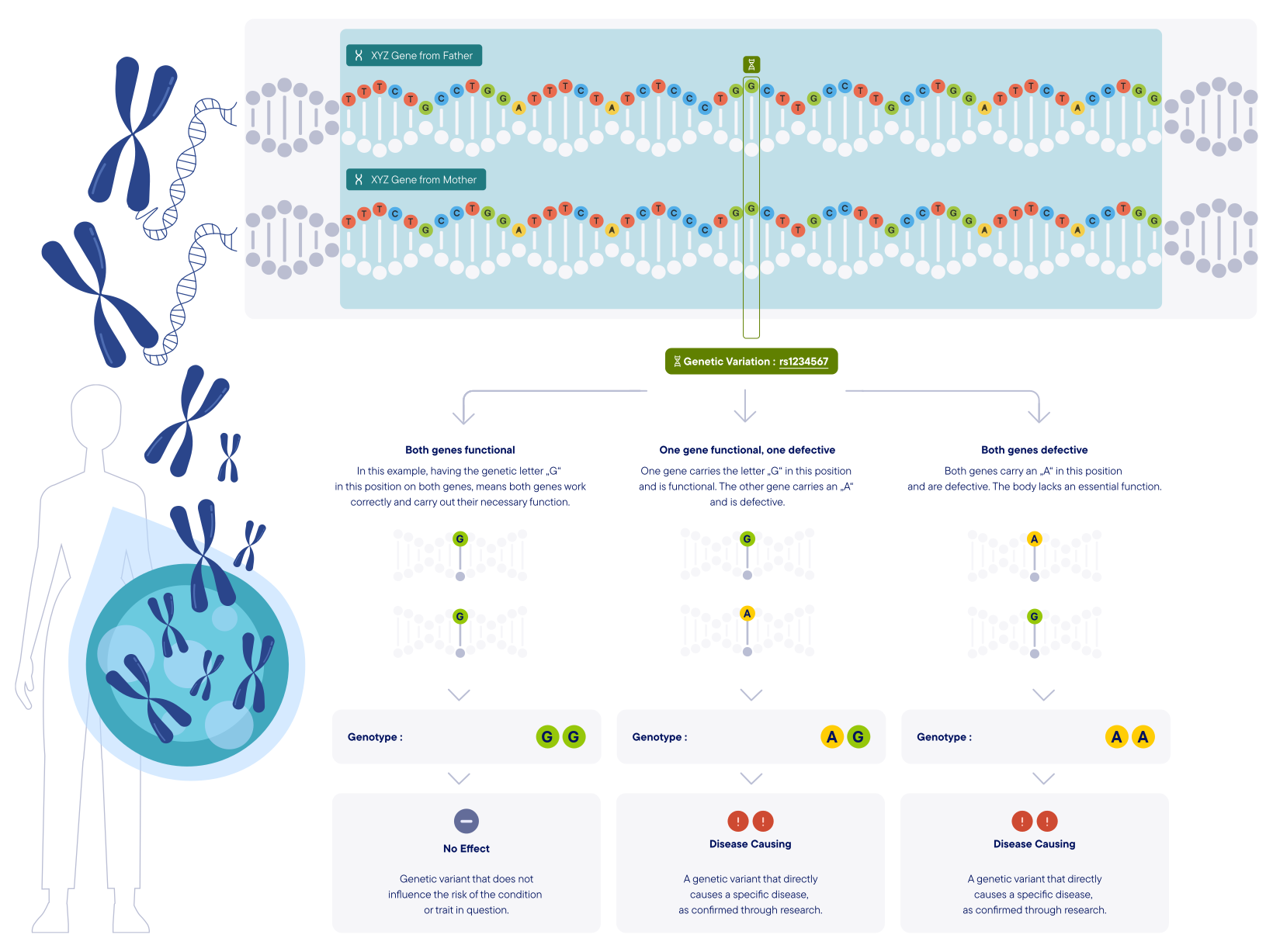
Humans have more than 20,000 genes, each carrying out one or a few specific functions in the body. One gene instructs the body to digest lactose from milk, another tells the body how to build strong bones and another prevents the body's cells from beginning to multiply uncontrollably and developing into cancer. As all of these genes combined are the building instructions for our body, a defect in one of these genes can have severe health consequences.
Through decades of genetic research, we know the genetic code of any healthy/functional human gene. We have also identified that in certain positions on a gene, some individuals may have a different genetic letter from the one you have. We call these hotspots "Genetic Variations" or "Variants" in short. In many cases, studies have been able to show that having the genetic letter "G" in the position makes you healthy, but having the letter "A" in the same position disrupts the gene function and causes a disease. Genopedia allows you to view these variants in genes and summarizes all that we know from scientific research, which genetic letters (Genotype) have good or bad consequences on your health or on your traits.
History
Throughout history, people have described sudden twitches, tremors, or jerks that appeared after an illness or injury and slowly faded or changed over time. In letters and clinic notes from the 19th and early 20th centuries, doctors wrote about workers who developed a shaking hand after a nerve injury, or soldiers with abnormal limb postures after trauma. Families and communities once noticed patterns after infections, too—someone recovered from a fever, then weeks later a limb began to spasm or feel “not under control.”
First described in the medical literature as post-infectious chorea in children recovering from rheumatic fever, some acquired peripheral movement disorders were initially grouped with brain-based conditions. As medical science evolved, careful examinations showed that many of these movements could arise from the nerves or muscles outside the brain and spinal cord—especially after nerve damage, certain medications, toxins, or autoimmune reactions. Early reports called it “peripheral tremor” or “post-traumatic dystonia,” though the term has broadened as clinicians recognized a wider range of causes and movement patterns.
Over time, descriptions became more precise. Electrophysiology, which measures how nerves and muscles fire, helped separate movements driven by peripheral nerve irritation from those starting in the brain’s movement centers. This shift mattered because it changed how doctors searched for triggers—looking for a recent injury, a new drug, or a nearby nerve entrapment rather than only brain disease. In recent decades, awareness has grown that a small injury or inflammation at the edge of the nervous system can sometimes “reset” movement circuits, leading to tremor, cramps, or jerks in the affected region.
From early theories to modern research, the story of acquired peripheral movement disorder has been one of reclassification. Once considered rare, now recognized as a spectrum, it includes movements that follow infections, metabolic shifts, autoimmune flares, or exposure to certain medicines or heavy metals. Not every early description was complete, yet together they built the foundation of today’s knowledge.
Current studies build on a long tradition of observation, combining bedside examination with imaging and nerve testing to map where the movement starts and why it persists. Clinicians also learned that early symptoms of acquired peripheral movement disorder—such as a new, task-specific tremor after a wrist injury—may ease when the underlying trigger is treated, and that supportive therapies can retrain movement patterns. Knowing the condition’s history helps explain today’s approach: look carefully for recent events that could irritate a peripheral nerve, treat the cause when possible, and use rehabilitation and medicines to calm the unwanted movement while the system recovers.