
Acquired ataxia is a condition that affects balance, coordination, and walking. People with acquired ataxia may feel unsteady, have slurred speech, or struggle with fine hand movements. It can start suddenly after an injury, infection, stroke, or toxin exposure, or develop over weeks to months with causes like alcohol misuse, vitamin deficiency, or autoimmune disease. Treatment focuses on the cause and on rehabilitation, such as stopping a toxin, correcting low vitamin B1 or B12, using medications for immune causes, and working with physical and speech therapy. The outlook varies with the cause, and many people with acquired ataxia improve when the trigger is treated.
Overview
Acquired ataxiaSymptoms
Acquired ataxia causes unsteady, wide-based walking, clumsiness, and poor balance. Early symptoms of acquired ataxia include frequent stumbling, shaky hands, slurred speech, and trouble with fine tasks like buttoning. Some also notice dizziness, double vision, or swallowing difficulties.
Outlook and prognosis
Many people with acquired ataxia improve over time, especially when the trigger is treated early and rehab starts promptly. Recovery can be partial or near-complete, though some have lasting balance or coordination limits. Ongoing therapy helps maintain function and independence.
Causes and risk factors
Acquired ataxia often stems from stroke, head injury, infections, autoimmune inflammation, tumors, or toxin and medication effects. Risk rises with heavy alcohol use, vitamin B1/B12/E deficiency, thyroid disease, cardiovascular risks, cancer therapies, and toxins. Rarely, underlying genetic susceptibility modifies severity.
Genetic influences
Genetics usually play a minor role in acquired ataxia because it develops from noninherited causes like injury, toxins, or illness. Still, genetic differences can influence susceptibility, recovery, and medication response. Testing is considered if symptoms mimic inherited ataxias or remain unexplained.
Diagnosis
Doctors diagnose acquired ataxia using your history and a neurologic exam of balance and coordination. Tests like MRI and blood work check vitamin levels, toxins, autoimmune or infections, and medicines are reviewed to rule out other causes.
Treatment and drugs
Treatment for acquired ataxia focuses on the cause and easing day-to-day symptoms. Doctors may use medicines for dizziness, tremor, muscle stiffness, or mood changes, plus targeted physical, occupational, and speech therapy. Treatable triggers—like vitamin deficiency, autoimmune inflammation, infection, or a drug side effect—are addressed directly.
Symptoms
Many people with acquired ataxia notice unsteady walking, clumsier hands, and sometimes slurred speech. Day to day, it can feel like tasks that used to be easy—buttoning a shirt or stepping off a curb—take more concentration. Early symptoms of acquired ataxia can be subtle, like veering on turns, shaky handwriting, or dropping utensils more often. Symptoms differ widely and may come and go depending on the cause.
You may walk with a wider stance and veer to one side. Stairs and uneven ground feel less secure. Many people find they need to look down more to keep balance.
Buttons, keys, and touchscreens become harder to control. Hands may overshoot or undershoot, so objects slip or spills happen. These fine-motor changes are common in acquired ataxia.
In medical terms, this is dysarthria; in everyday life, it shows up as slurred or choppy speech. Words can run together, and your voice may sound uneven in volume.
Blurred or double vision can come and go, especially when reading or tracking moving objects. Eyes may make quick, jerky movements (often called nystagmus). Busy visual environments can feel tiring.
How people usually first notice Acquired ataxia?
Many people first notice acquired ataxia when everyday movements start to feel “off,” like suddenly stumbling on flat ground, veering while walking, or having trouble buttoning a shirt or writing neatly. You might also catch early warning signs such as a shaky, wide-based walk, slurred or slowed speech, new hand tremor, or dizziness and blurrier, jumpy vision—especially after an illness, a head injury, new medication, alcohol use, or toxin exposure. If these first signs of acquired ataxia appear over hours to days, or come with severe headache, double vision, trouble swallowing, or weakness on one side, it’s a medical emergency and you should seek urgent care.
Types of Acquired ataxia
Acquired ataxia can look different from one person to the next, depending on the cause, which parts of the nervous system are affected, and how fast it develops. Some types start suddenly after an injury or infection, while others creep in over weeks to months due to toxins, medications, or autoimmune activity. Daily life often makes the differences between symptom types clearer. Not everyone will experience every type, and early symptoms of acquired ataxia may be subtle, like clumsiness, slurred words, or feeling off-balance in dim light.
Acute onset
Symptoms appear suddenly over hours to a few days. People may have severe imbalance, slurred speech, and trouble walking after a trigger like a viral illness, stroke, or sudden toxin exposure. Recovery can be partial or complete depending on the cause.
Subacute onset
Problems build over days to weeks. This pattern can follow medication side effects, alcohol-related injury, or immune-related causes. Stopping a trigger or treating inflammation may lead to improvement.
Chronic progression
Changes develop gradually over months to years. People often notice worsening balance, a wide-based gait, and trouble with fine hand tasks. Symptoms can stabilize if the underlying cause is treated or removed.
Cerebellar predominant
Trouble with coordination, eye movements, and speech is most prominent. Walking may look wide-based and unsteady, and handwriting can become shaky. Dizziness is usually mild, but limb clumsiness stands out.
Sensory ataxia
Balance worsens in the dark or with eyes closed because position sense is reduced. Steps may feel heavy and stamping, and people rely on visual cues to steady themselves. Numbness or tingling in the feet often accompanies this type.
Vestibular ataxia
Vertigo, nausea, and a tilting or spinning sensation lead the picture. Walking may veer to one side, and quick head turns can worsen imbalance. Hearing changes can occur if the inner ear is involved.
Autoimmune-related
The immune system attacks parts of the nervous system, sometimes linked to other autoimmune diseases or cancers. Symptoms can be subacute with rapid worsening of gait and speech. Immunotherapy may help if started early.
Toxic or drug-induced
Certain medicines, alcohol, solvents, or heavy metals can injure coordination pathways. Symptoms range from mild unsteadiness to severe gait problems and may improve after removing the exposure. Dose and duration often predict severity.
Post-infectious
Ataxia appears after a viral or bacterial infection, often in children but also in adults. Symptoms usually come on quickly and may improve over weeks as the immune response settles. Relapses are uncommon.
Stroke-related
A stroke in the cerebellum or its connections causes sudden ataxia, often with headache, nausea, or double vision. Symptoms are abrupt and may include slurred speech and difficulty sitting or standing without support. Emergency care can limit damage and improve outcomes.
Nutritional deficiency
Lack of vitamin B1, B12, or vitamin E can impair coordination pathways. People may notice numbness, gait instability, and fatigue that develop over weeks to months. Replacing the missing nutrient can stop progression and sometimes reverse symptoms.
Paraneoplastic
A remote effect of cancer triggers immune attack on the cerebellum. Symptoms often progress quickly with severe gait and speech problems. Treating the underlying cancer and immune therapy may slow or partially improve the course.
Infectious direct
Active infections like Lyme disease, HIV, or Creutzfeldt‑Jakob disease can directly involve coordination pathways. The time course and accompanying symptoms vary by infection. Targeted antimicrobial therapy may help in treatable infections.
Structural compression
Tumors, cysts, or Chiari malformation press on coordination centers or their pathways. People may have progressive unsteadiness, headache, or neck pain, sometimes with double vision. Surgery or targeted treatment can relieve pressure and improve function.
Alcohol-related cerebellar
Long-term heavy alcohol use injures the cerebellum, especially affecting walking and stance. People often have a broad-based gait with relatively preserved hand coordination early on. Stopping alcohol and nutrition support can prevent further decline.
Metabolic/thyroid-related
Low thyroid or severe liver or kidney disease can cause ataxia. Symptoms are often subacute with fatigue, slowed thinking, and tremor. Treating the underlying condition can lead to meaningful improvement.
Traumatic
Head injury can damage the cerebellum or its connections. Symptoms begin at the time of injury and include imbalance, slowed speech, and eye movement problems. Rehabilitation helps recovery over weeks to months.
Multiple sclerosis-related
Inflammatory lesions disrupt balance pathways. People may have episodes of ataxia that improve partially, then recur. Disease-modifying treatment can reduce relapses and slow progression.
Functional ataxia
Movement patterns are inconsistent and can change with focus or distraction. People feel real imbalance and clumsiness without structural nerve damage. Specialist-guided physiotherapy can improve control and confidence.
What genetics can tell you about symptoms
Certain inherited variants in genes like SLC1A3, ATP1A3, and PRNP can make people more vulnerable, so infections, toxins, or immune triggers later in life more easily tip the brain’s balance and cause acquired ataxia. This can mean unsteady walking, slurred speech, and poor coordination.
Causes and risk factors
Acquired ataxia can follow a stroke, head injury, infection, or brain inflammation. Some risks are modifiable (things you can change), others are non-modifiable (things you can’t). Changeable risks include heavy drinking, poor nutrition, smoking, and uncontrolled high blood pressure or diabetes. Non-modifiable risks include older age, prior stroke or head injury, and family history of stroke, autoimmune disease, or clotting problems. Medicines or toxins, lack of vitamins B1, B12, or E, thyroid disease, and some cancers can trigger acquired ataxia, and early symptoms of acquired ataxia after a new drug or heavy drinking may point to a reversible cause.
Environmental and biological risk factors
Acquired ataxia can develop when certain changes inside the body or exposures in the environment disrupt the brain’s balance pathways. Some risks are carried inside the body, others come from the world around us. Knowing the main biological and environmental risk factors can help you act sooner if early symptoms of acquired ataxia begin.
Age-related changes in brain blood vessels and nerve tissue can make balance pathways more fragile. This increases the chance of unsteadiness after illnesses, infections, or medical treatments.
When the immune system attacks the brain or nerves, it can inflame the cerebellum and disrupt coordination. Conditions such as multiple sclerosis or autoimmune thyroid disease can trigger acquired ataxia.
Viral or bacterial infections that inflame the brain or cerebellum can temporarily or permanently affect balance. Severe infections and high fevers raise the chance of acquired ataxia.
A stroke or bleed in the back of the brain can injure balance centers quickly. This often causes sudden acquired ataxia.
Genetic risk factors
Genes rarely act as the direct cause of acquired ataxia. Still, certain inherited traits can raise the chance of immune, cancer-related, or other brain processes that later disturb the cerebellum and produce balance and coordination problems; understanding genetic risk factors for acquired ataxia can help guide testing when symptoms are new. Carrying a genetic change doesn’t guarantee the condition will appear.

HLA-DQ2/DQ8: These immune system patterns increase the chance of celiac disease and gluten sensitivity. In some, the same immune activity can target the cerebellum, leading to a form of acquired ataxia often called gluten ataxia. HLA testing can support the workup when autoimmune causes of acquired ataxia are suspected.
HLA-DRB1*15: 01: This immune-related gene variant raises the risk of multiple sclerosis (MS). MS can inflame brain pathways that control balance and coordination, resulting in acquired ataxia during relapses or over time. The gene increases susceptibility but does not predict who will develop MS.
Cancer risk genes: Variants that raise breast or ovarian cancer risk (such as BRCA1 or BRCA2) can indirectly increase the chance of paraneoplastic cerebellar ataxia. In these rare cases, the immune system reacts to a tumor and mistakenly attacks the cerebellum. Most people with cancer risk variants never develop this complication.
PRNP codon 129: A common pattern in the prion protein gene influences vulnerability and clinical course in sporadic prion disease. These rapidly progressive illnesses can include severe, fast-onset acquired ataxia. This variant alone does not cause the disease.
Family autoimmune tendency: A strong family pattern of autoimmune conditions suggests shared genes that can raise the chance of autoimmune cerebellar ataxia, a subset of acquired ataxia. Doctors may consider antibody testing and HLA typing if ataxia appears alongside other autoimmune features. Genes increase susceptibility but do not determine outcomes.
Lifestyle risk factors
Certain daily habits can raise the chances of developing coordination problems by damaging the cerebellum or nerves, or by triggering conditions like stroke that lead to ataxia. Below are key lifestyle risk factors for acquired ataxia. Addressing them can lower risk and may also reduce severity if symptoms have begun.
Chronic heavy drinking can directly damage the cerebellum and cause persistent ataxia. It also depletes thiamine (vitamin B1), raising the risk of Wernicke-related gait and balance problems.
Diets low in B1, B12, or vitamin E can injure nerves and cerebellar pathways that control coordination. Restrictive or malnourishing eating patterns increase deficiency-related ataxia risk.
Frequent intake of salty, ultra-processed foods raises blood pressure and vascular disease risk. This increases the likelihood of cerebellar or brainstem stroke that can cause acquired ataxia.
Sedentary habits promote hypertension, diabetes, and dyslipidemia that elevate stroke risk. Regular aerobic and balance activity helps protect cerebrovascular health and lowers ataxia risk from stroke.
Risk prevention
You can’t prevent every cause of acquired ataxia, but you can lower the chances of common triggers like head injury, stroke, alcohol-related nerve damage, and vitamin shortages. Prevention can mean both medical steps, like vaccines, and lifestyle steps, like exercise. Knowing early symptoms of acquired ataxia and getting prompt care can also limit damage if a sudden cause, like a stroke, is involved.
Heavy drinking can injure balance centers and drain key vitamins. Cutting back or avoiding alcohol protects nerves and the cerebellum.
Wear helmets for biking and contact sports, use seat belts, and fall-proof your home. Preventing head injury lowers the risk of acquired ataxia.
Keep blood pressure, cholesterol, and diabetes under control, and stop smoking. This helps prevent strokes that can lead to ataxia.
Some drugs can affect coordination or damage nerves when used long-term or at high doses. Ask your clinician to review your list and adjust or switch when safer options exist.

Transmission
Acquired ataxia is not contagious and cannot be passed from person to person. There is no genetic transmission of Acquired ataxia; unlike inherited ataxias, it develops after birth when the brain, spinal cord, or nerves are affected by another problem, such as a stroke, head injury, alcohol or certain medications, vitamin deficiencies, tumors, autoimmune conditions, or infections. If an infection triggers acquired ataxia, the virus or bacteria might be contagious, but the ataxia itself does not spread, and being around someone with acquired ataxia does not put you at risk. It does not transfer through close contact, shared utensils, or the air.
When to test your genes
Consider genetic testing if your ataxia began before age 50, runs in your family, or remains unexplained after routine evaluations and imaging. Test sooner if symptoms are progressing, you have related nerve or eye findings, or planning a family. Results can guide surveillance, treatment choices, rehabilitation, and eligibility for clinical trials.
Diagnosis
Acquired ataxia is usually picked up when balance, coordination, or speech changes start to affect everyday tasks like walking across a room or buttoning a shirt. Some diagnoses are clear after a single visit, while others take more time. Understanding how Acquired ataxia is diagnosed can help you know what to expect and why certain tests are ordered.
Doctors usually begin with a detailed check of balance, coordination, eye movements, strength, and reflexes. Findings help tell cerebellar ataxia from problems in the inner ear, nerves, or spinal cord.
Your provider watches how you walk, turn, and stand with feet together. Patterns like a wide-based or unsteady gait help narrow the likely cause.
A detailed timeline of symptoms and triggers guides testing. Recent infections, head injury, alcohol use, and exposure to toxins or solvents can point to specific causes.
Review of prescriptions, over‑the‑counter drugs, supplements, and possible poison exposures is key. Some medicines and toxins can directly cause ataxia and may need to be stopped.
Stages of Acquired ataxia
Acquired ataxia does not have defined progression stages. The pattern depends on the underlying cause—symptoms may start suddenly (for example after a stroke), come and go, or gradually change, and some improve once the trigger is treated. Different tests may be suggested to help confirm the cause and track changes over time. Doctors diagnose and monitor it through your history and exam, assessment of walking and coordination, and targeted studies such as brain imaging and blood tests, especially if early symptoms of acquired ataxia like new unsteadiness or clumsiness appear.
Outlook and prognosis
Daily routines often adapt as people find steadier ways to move around, plan rest, and use supports like canes or railings. The outlook is not the same for everyone, but changes in balance, coordination, and speech can progress slowly or more quickly depending on the cause of acquired ataxia. If the ataxia is triggered by something treatable—like certain medications, vitamin deficiencies, alcohol-related nerve injury, autoimmune inflammation, or an infection—improving or removing the trigger can partially or sometimes significantly reverse symptoms. When acquired ataxia stems from a stroke, multiple sclerosis, or degenerative brain changes, improvement may be more limited, but targeted rehab can still help people regain function and independence.
Understanding the prognosis can guide planning and realistic goal‑setting with your care team. Early symptoms of acquired ataxia that respond to therapy—such as mild unsteadiness or slurred speech—often have a better short‑term outlook than severe, longstanding symptoms. Many people find that symptoms plateau for stretches, with good and bad days shaped by fatigue, other illnesses, or medications. If swallowing or breathing muscles become involved in advanced cases, risks like choking, pneumonia, and falls can increase; this is where speech therapy, swallow evaluations, mobility aids, and home safety checks are especially important.
In medical terms, the long-term outlook is often shaped by both genetics and lifestyle, even for a condition that’s acquired rather than inherited. Mortality depends on the underlying cause and complications: ataxia itself does not directly shorten life in many cases, but repeated falls, head injuries, severe swallowing problems, or coexisting diseases can raise risks. With ongoing care, many people maintain meaningful mobility and communication for years, especially when rehab, fall prevention, and treatment of the root cause are in place. Talk with your doctor about what your personal outlook might look like, including which red flags to watch for and how often to reassess your plan.
Long-term effects
Acquired ataxia can change how steady you feel on your feet and how smoothly you move through daily life. Long-term effects vary widely, depending on the cause, how quickly it was treated, and your overall health. Early symptoms of acquired ataxia may start subtly—tripping more often, slurred words, or clumsy hands—and then stabilize, improve, or progress. Over time, doctors may track changes to balance, coordination, speech, and swallowing to understand the long-term outlook.
Walking may become unsteady, with a wider stance and veering to one side. Over time, this can limit outdoor activities and uneven-ground walking. Some eventually need a cane, walker, or wheelchair for safety.
Fine motor skills can slow, making buttons, keys, typing, or handwriting harder. Tasks that require quick, precise movement may feel tiring. People often notice dropping objects or overshooting when reaching.
Speech can sound slurred or uneven, especially when tired. Speaking at length may become effortful, and others may ask for repeats. Voice volume and rhythm can fluctuate.
Swallowing may feel slow or unsafe, with coughing or choking on liquids. This raises the risk of aspiration and chest infections over the years. Some people shift to softer foods or take more time at meals.
How is it to live with Acquired ataxia?
Living with acquired ataxia can feel like your body’s coordination suddenly stopped following familiar cues—walking, writing, or buttoning a shirt may take more focus, more time, and sometimes adaptive tools. Fatigue and frustration are common, especially when speech becomes slurred or balance is uncertain, but many people find that targeted therapy, home safety tweaks, and pacing activities help restore confidence and independence. Daily life often becomes a team effort: family, friends, and coworkers may learn to offer steadying support, wait a beat for speech, or plan around rest breaks, which can strengthen relationships when communication stays open. Over time, routines evolve, strengths are rediscovered, and small wins—standing steadier, speaking clearer, moving more freely—add up.
Treatment and drugs
Treatment for acquired ataxia focuses on the cause when one can be found, easing day-to-day symptoms, and preventing complications. Doctors may treat triggers such as stroke, infection, inflammation, vitamin deficiencies (like low B12), thyroid problems, toxin exposure, or medication side effects; fixing these can gradually improve balance and coordination. Beyond cause-specific care, rehabilitation is central: physical therapy to steady gait, occupational therapy to adapt tasks at home and work, and speech therapy for slurred speech or swallowing issues; supportive devices such as canes, walkers, ankle supports, or weighted utensils can help you stay independent. Medicines that ease symptoms are called symptomatic treatments, and may include drugs to reduce tremor or muscle stiffness, manage dizziness or vertigo, treat mood or sleep problems, and address nerve pain if present; a doctor may adjust your dose to balance benefits and side effects. Alongside medical treatment, lifestyle choices play a role—limiting alcohol, reviewing medicines that may worsen coordination, optimizing nutrition, and fall-proofing your home—while regular follow-up checks vision, neuropathy, and bone health, because not every treatment works the same way for every person.
Non-drug treatment
Acquired ataxia can affect walking, balance, speech, and day-to-day tasks like dressing or typing. Alongside medicines, non-drug therapies can build strength, improve coordination, and help you move more safely. The mix of therapies depends on the cause, severity, and whether symptoms are changing over time. Starting early and tailoring exercises to your goals often gives the best results.
Therapists use targeted exercises to improve coordination, leg strength, and endurance. They may work on step length, turning, and stopping safely. Practice can help your body relearn steadier movement patterns.
Training focuses on everyday tasks like bathing, cooking, and writing so they feel safer and less tiring. Tools such as grab bars or adapted utensils can make routines easier. This can be especially helpful with early symptoms of acquired ataxia.
Speech-language specialists help with slurred speech and low voice volume. They also teach safe swallowing strategies and exercises to reduce choking risk. Thickened liquids or posture tips may be used during meals.
Tailored drills challenge balance in safe ways, such as standing on varied surfaces or turning the head while walking. For dizziness or visual blurring with movement, vestibular exercises can retrain the system. This can lower fall risk in busy settings like grocery aisles.
Your genes may have an impact on how drugs work for you
Medicines for acquired ataxia can work differently depending on your genes, which affect how quickly you process drugs and how sensitive your brain and nerves are to them. Pharmacogenetic testing may guide dosing, reduce side effects, and improve symptom control.
Pharmacological treatments
Medicines for acquired ataxia aim to treat the cause when possible and ease day-to-day problems with balance, tremor, and eye movements. Not everyone responds to the same medication in the same way. Options range from vitamins or thyroid hormone for deficiencies to immune therapies when the nervous system is under attack. Some drugs may steady gait or reduce dizziness, which can help when early symptoms of acquired ataxia start to interfere with walking.
High-dose thiamine is used when ataxia is linked to alcohol misuse or poor nutrition. Starting early can improve walking, eye movements, and confusion.
Alpha-tocopherol supplements treat ataxia from vitamin E deficiency. Blood levels are checked and doses adjusted to reach a healthy range.
Oral copper corrects copper deficiency that can cause unsteady gait and numbness. Doctors also address excess zinc and monitor copper levels.
Levothyroxine treats ataxia related to low thyroid. Balance and slowness may improve over weeks as hormone levels normalize.
Genetic influences
Even when coordination problems are brought on by illness, injury, toxins, or immune reactions, your genes can still shape how ataxia appears and how you recover. In acquired ataxia, genetics doesn’t directly cause the condition, but some people have inherited tendencies that raise susceptibility to certain triggers—like immune-related genes tied to celiac disease, or differences in how the body handles alcohol or specific medicines. These tendencies can make someone more likely to develop ataxia after an infection, nutrient deficiency, or medication exposure, while others with the same exposure never do. Family history is one of the strongest clues to a genetic influence. Because several hereditary ataxias can first show up in adulthood and look similar to acquired ataxia, your care team may suggest genetic testing if there’s a pattern in the family, early symptoms of acquired ataxia started without a clear trigger, or the course is hard to explain. Learning whether genetics plays a role won’t change the fact that an external cause set off the ataxia, but it can guide choices about avoiding certain drugs or toxins, planning follow-up for relatives when appropriate, and tailoring care.
Is Acquired ataxia genetic?
Genetics usually play a minor role in acquired ataxia because it develops from noninherited causes like injury, toxins, or illness. Still, genetic differences can influence susceptibility, recovery, and medication response. Testing is considered if symptoms mimic inherited ataxias or remain unexplained.
Pharmacogenetics—how genetics influence drug effects
While Acquired ataxia isn’t caused by inherited gene changes, your genes can still affect how you respond to medicines used to treat its causes and ease symptoms. Many of the medicines used in the care of acquired ataxia—such as blood thinners after a stroke, seizure or nerve‑pain medicines, antidepressants, and drugs for tremor or dizziness—are broken down by liver enzymes that vary from person to person. Genetic testing can sometimes identify how your body processes certain medicines, which may help your doctor choose a drug or dose that is more likely to work and less likely to cause side effects. For example, some people don’t activate the blood thinner clopidogrel well, some need lower doses of the blood thinner warfarin, and others have a higher risk of severe skin reactions with carbamazepine—differences linked to common gene variants and, in the case of carbamazepine, certain Asian ancestries. Still, genes are only part of the picture—your overall health, other medicines, alcohol use, and kidney or liver function also shape how a drug behaves. If treatment isn’t helping or side effects show up quickly, pharmacogenetic testing for acquired ataxia treatment may be worth discussing, especially when choosing among several reasonable medication options.
Interactions with other conditions
For many living with acquired ataxia, other health issues can make unsteady walking, slurred speech, or hand clumsiness worse, especially during illness or medication changes. Diabetes-related nerve damage, arthritis in the hips or knees, vision or inner ear problems, and mood conditions like anxiety or depression can all magnify balance and coordination troubles. Doctors call it a “comorbidity” when two conditions occur together, and some, like stroke, multiple sclerosis, thyroid disease, or heavy alcohol use, can directly “add on” brain or nerve effects that intensify ataxia. Certain medicines—including sedatives, some anti-seizure drugs, chemotherapy agents, and sleep aids—may slow reaction time or cause dizziness, which can compound gait problems and increase fall risk.
People with acquired ataxia may also feel worse during infections, dehydration, or when blood sugar swings, and early symptoms of acquired ataxia can be harder to spot if neuropathy or vestibular issues are already present. Rehabilitation plans often work best when tailored around these overlaps—for example, adding vision checks, footwear and foot care for neuropathy, bone and fall-risk screening, and careful review of all prescriptions and supplements. If you notice your balance dips when another condition flares, let your care team know so they can adjust treatment, time medications, and coordinate referrals. With thoughtful, team-based care, many people live well despite having both acquired ataxia and other health conditions.
How genes can cause diseases
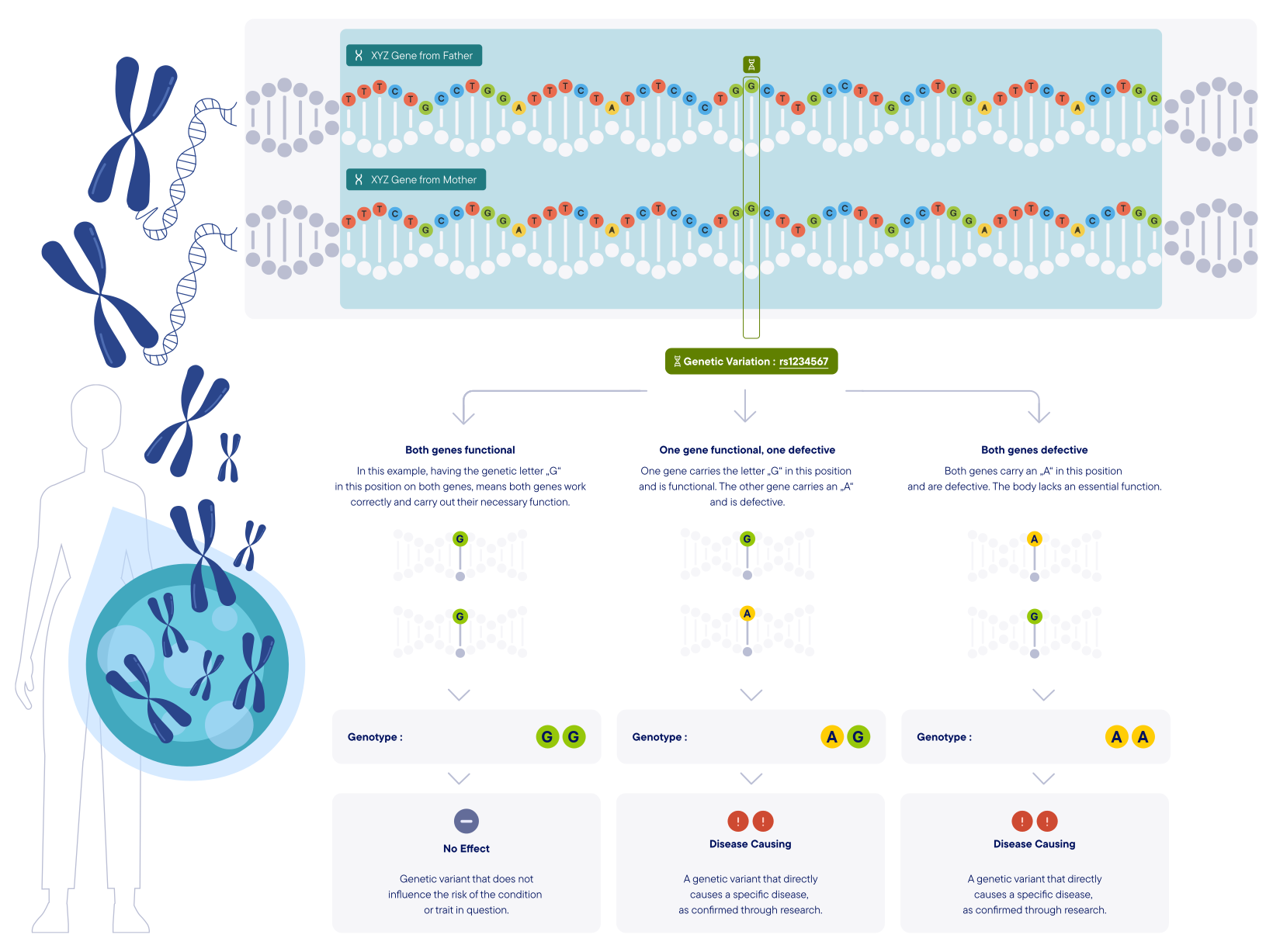
Humans have more than 20,000 genes, each carrying out one or a few specific functions in the body. One gene instructs the body to digest lactose from milk, another tells the body how to build strong bones and another prevents the body's cells from beginning to multiply uncontrollably and developing into cancer. As all of these genes combined are the building instructions for our body, a defect in one of these genes can have severe health consequences.
Through decades of genetic research, we know the genetic code of any healthy/functional human gene. We have also identified that in certain positions on a gene, some individuals may have a different genetic letter from the one you have. We call these hotspots "Genetic Variations" or "Variants" in short. In many cases, studies have been able to show that having the genetic letter "G" in the position makes you healthy, but having the letter "A" in the same position disrupts the gene function and causes a disease. Genopedia allows you to view these variants in genes and summarizes all that we know from scientific research, which genetic letters (Genotype) have good or bad consequences on your health or on your traits.
History
Throughout history, people have described unsteady walking after fevers, injuries, or long sea voyages, noticing how balance could falter even when strength seemed intact. Sailors wrote about “staggering legs” after infections; farmers recalled wobbliness after head blows or heavy drinking. These everyday accounts mirror what we now call acquired ataxia—loss of coordination that develops later in life, not present from birth.
First described in the medical literature as a “staggering gait” linked to infections and trauma, early reports grouped many causes together because tools to look inside the brain and nerves didn’t exist. Doctors relied on careful observation—heel‑to‑toe walking, finger‑to‑nose testing—and diaries of symptoms that worsened with illness or improved with rest. Over time, descriptions became more precise as patterns emerged after strokes, vitamin shortages, toxin exposure, or autoimmune flares.
As medical science evolved, the rise of neurology clinics in the late 19th and early 20th centuries separated acquired ataxia from inherited forms. Light microscopes showed damage in the cerebellum and spinal pathways during autopsy, linking the “where” to the “how” of unsteady movement. Later, imaging changed the field. With CT and then MRI, clinicians could see the cerebellum in living people and connect sudden ataxia to bleeding or clotting, or gradual ataxia to multiple sclerosis, alcohol‑related injury, or slow‑growing tumors.
In recent decades, awareness has grown that acquired ataxia isn’t one condition but a final common pathway of many triggers. Public health efforts reduced some causes, like severe vitamin B1 deficiency, while new treatments for autoimmune and infectious diseases revealed how inflammation and certain medications could temporarily disturb coordination. Occupational safety and better alcohol counseling highlighted preventable causes. Meanwhile, emergency care advanced the recognition of early symptoms of acquired ataxia after stroke, promoting faster evaluation when someone suddenly can’t walk straight or coordinate a hand.
Advances in genetics sharpened the distinction between acquired and inherited ataxias. Genetic testing clarified family‑based forms, which, in turn, made it easier to spot ataxia that developed from life events, toxins, or immune conditions rather than DNA changes. Despite evolving definitions, the goal has stayed the same: match symptoms to a cause quickly, because some types of acquired ataxia can improve—or even reverse—when the trigger is treated.
Today’s understanding blends centuries of bedside observation with modern tools. Clinicians watch how coordination changes over days to months, consider recent infections, medications, nutrition, and alcohol use, and use imaging and blood tests to narrow the cause. The history of acquired ataxia shows steady progress from broad descriptions to targeted answers, with a practical takeaway for people living with it: the story of when and how symptoms began often points the way to effective care.