
Achondrogenesis type 1B is a rare genetic condition that affects bone and cartilage growth before birth. Features include very short limbs, small chest, and poor bone development seen on prenatal ultrasound. It starts in early pregnancy and is severe. Sadly, achondrogenesis type 1B is usually life‑limiting around birth because the chest is too small for breathing. Care is focused on supportive measures and family-centered planning.
Overview
Achondrogenesis type 1bSymptoms
Achondrogenesis type 1b features are usually recognized before birth or at delivery. Babies have extremely short arms and legs, a small, narrow chest with underdeveloped lungs, and poor bone hardening. These signs cause severe breathing difficulties and are typically life‑limiting.
Outlook and prognosis
Achondrogenesis type 1b is a severe skeletal condition that usually leads to life‑limiting breathing problems before or shortly after birth. Babies often require intensive support, and survival beyond the newborn period is uncommon. Care teams focus on comfort, breathing support, and family-centered planning.
Causes and risk factors
Achondrogenesis type 1B results from pathogenic variants in the SLC26A2 gene, affecting cartilage development. It’s inherited in an autosomal recessive pattern. Risk rises with parental carrier status, consanguinity, and a family history; no known lifestyle or environmental triggers.
Genetic influences
Genetics fully determine Achondrogenesis type 1b. It results from inherited changes in a single gene, usually passed in an autosomal recessive pattern. Carrier testing, prenatal diagnosis, and genetic counseling are central for families at risk.
Diagnosis
Achondrogenesis type 1b is usually diagnosed by characteristic prenatal ultrasound and postnatal X-rays showing severe skeletal findings, confirmed by genetic tests. The genetic diagnosis of Achondrogenesis type 1b often uses targeted SLC26A2 testing or panels; prenatal testing is possible.
Treatment and drugs
Treatment for achondrogenesis type 1B focuses on intensive newborn support and comfort. Care may include breathing help, careful fluid and electrolyte management, feeding support, and monitoring for infections, with decisions guided by the family’s goals. A neonatal and genetics team coordinates compassionate, individualized care.
Symptoms
Before birth, Achondrogenesis type 1b often shows up as very short limbs, a small chest, and limited hardening of some bones on ultrasound. Early on, this might look like shorter-than-expected limb measurements and extra fluid on prenatal scans. The early features of Achondrogenesis type 1b are usually visible during pregnancy and can lead to serious breathing problems at birth because the lungs do not have enough room to develop. Many newborns need intensive support right away, and survival may not be possible.
Arms and legs are much shorter than expected for the baby’s age or stage of pregnancy. This is often clear on prenatal ultrasound and at birth.
The ribcage is narrow, leaving limited room for the lungs to grow and expand. This often causes severe breathing trouble at birth.
Parts of the skeleton, especially the spine and pelvis, do not harden as they should. X-rays may show very little bone formation in these areas.
The head can look large compared with the small body and short neck. This difference is commonly seen in Achondrogenesis type 1b.
How people usually first notice Achondrogenesis type 1b?
Parents and doctors usually spot the first signs of achondrogenesis type 1B before or at birth, often on prenatal ultrasound, which may show very short limb bones, a small chest, excess fluid (hydrops), and sometimes too much amniotic fluid. At delivery, the newborn typically has markedly shortened arms and legs, a very small, narrow ribcage that can make breathing difficult, and a soft abdomen with a large-appearing belly; these features are how achondrogenesis is first noticed. In many cases, the diagnosis is confirmed quickly after birth with X‑rays and genetic testing, especially when prenatal imaging already raised concern.
Types of Achondrogenesis type 1b
Achondrogenesis type 1B is a rare genetic skeletal condition present from birth. Variants of the condition are defined by well-recognized clinical subtypes within achondrogenesis, which differ in x‑ray features and genetic causes. Researchers describe these categories to better understand patterns of the condition. Knowing the types of achondrogenesis can clarify why symptoms and severity look different across families.
Type IA (Fraccaro)
This variant is typically linked to changes in a different gene than type 1B and shows distinct bone and cartilage features on imaging. Babies often have very short limbs, poor bone mineralization, and fragile ribs.
Type IB (Parenti–Fraccaro)
This is the SLC26A2‑related form most people mean by achondrogenesis type 1B, with severe limb shortening and underdeveloped vertebrae. X‑rays usually show very low bone density and extremely short long bones.
Type II (Langer–Saldino)
This subtype has a different genetic cause than type I forms and shows more uniform bone mineralization on imaging. Limbs are very short, but skull and spine features differ from type I patterns.
What genetics can tell you about symptoms
In achondrogenesis type 1B, SLC26A2 gene variants disrupt cartilage building, leading to very short limbs, small chest, and poor bone mineralization seen on prenatal ultrasound. These changes also cause facial differences, soft skull bones, and severe breathing problems at birth.
Causes and risk factors
Achondrogenesis type 1b is caused by changes in a gene called SLC26A2 that disrupt cartilage and bone growth before birth. It is inherited in an autosomal recessive way, so both parents are usually healthy carriers and each pregnancy has a 25% (1 in 4) chance to be affected. Risk factors for Achondrogenesis type 1b center on genetics, and lifestyle or pregnancy exposures do not cause it. Higher risk is seen with two carrier parents, when parents are related by blood, or in some communities with higher carrier rates. Knowing your family history is a good first step.
Environmental and biological risk factors
Achondrogenesis type 1b is present from very early in pregnancy, so it’s natural to wonder what in the body or environment might raise the chance. Doctors often group risks into internal (biological) and external (environmental). Right now, there are no well-established environmental risk factors for Achondrogenesis type 1b, and common pregnancy exposures have not been shown to increase risk. Below are biological and environmental elements researchers have assessed in relation to risk.
Unlike some chromosomal conditions, older maternal age has not been shown to increase the likelihood of Achondrogenesis type 1b. Pregnancies at both younger and older ages have reported cases.
Advanced paternal age has not been identified as a risk factor. Achondrogenesis type 1b has occurred across a wide range of father ages.
Common maternal conditions such as diabetes, thyroid disease, or high blood pressure have not been linked to higher risk. Achondrogenesis type 1b appears to arise early in fetal development independent of these conditions.
Typical viral or bacterial infections in pregnancy have not been connected to increased risk. Severe infections can affect pregnancy health overall, but they have not been tied to Achondrogenesis type 1b.
Genetic risk factors
Achondrogenesis type 1b is driven by changes in a single gene that disrupt early bone and cartilage growth. This section focuses on the genetic causes of Achondrogenesis type 1b and who may be at higher inherited risk. Carrying a genetic change doesn’t guarantee the condition will appear. Families with a prior affected pregnancy or known carrier status often meet with a genetics team to understand chances in future pregnancies.

SLC26A2 changes: Harmful changes in the SLC26A2 gene cause achondrogenesis type 1b. This gene moves sulfate needed to build strong cartilage and bone before birth. Severe changes that stop the gene from working lead to this condition.
Autosomal recessive: Achondrogenesis type 1b follows an autosomal recessive pattern. A child is affected only if both gene copies have harmful changes, one inherited from each parent. When both parents are carriers, each pregnancy has a 25% chance to be affected.
Carrier parents: Carriers have one changed copy of SLC26A2 and usually have no health issues. Risk is highest when both partners are carriers, which can be confirmed with carrier testing.
Family history: A previous child or pregnancy with achondrogenesis type 1b means both parents are likely carriers. This sets the recurrence risk at about 25% with each pregnancy.
Related parents: Parents who are related by blood are more likely to share the same SLC26A2 change. This raises the chance of having a child with achondrogenesis type 1b.
Founder variants: In some communities, long-standing founder changes in SLC26A2 are more common. People with this ancestry can have a higher carrier rate, increasing the chance that two carriers have children together.
Variant severity: Different SLC26A2 changes cause a spectrum of cartilage and bone conditions. Changes that greatly reduce or eliminate gene activity are most often linked to achondrogenesis type 1b.
Known family variant: If a specific SLC26A2 change is known in the family, targeted testing can clarify risk for relatives. Future pregnancies can be tested early when both parental changes are identified.
Lifestyle risk factors
Lifestyle habits do not cause this condition; it results from genetic changes present before birth. Still, day-to-day care can influence breathing comfort, bone safety, skin integrity, and nutrition. Put simply, there are no lifestyle risk factors for Achondrogenesis type 1b in causing the disorder, but care choices can shape symptoms and complications. Below are practical ways showing how lifestyle affects Achondrogenesis type 1b in infants who receive supportive care.
Upright or side-lying positioning can ease breathing in infants with a small, stiff chest. Avoid prolonged flat supine time, which can worsen work of breathing.
Under-ossified, fragile bones are prone to fracture with routine lifts. Support the head, neck, and trunk together and avoid pulling on limbs.
Slow, paced feeds and careful positioning can lower aspiration risk in infants with weak breathing mechanics. Calorie-dense nutrition may help meet energy needs when breathing is labored.
Rigorous hand hygiene and staying away from people who are ill reduce respiratory infections, which can be especially dangerous with limited lung capacity. Early medical evaluation for cough or fever can prevent rapid decline.
Risk prevention
Achondrogenesis type 1b is a rare, inherited skeletal condition that starts before birth; there’s no way to stop it from developing once an embryo is affected. Some prevention is universal, others are tailored to people with specific risks. Planning focuses on reducing the chance of an affected pregnancy and enabling early, accurate diagnosis so families can make informed choices. Some families ask about early symptoms of Achondrogenesis type 1b; in practice these are ultrasound findings seen early in pregnancy.
A blood or saliva test can check if you carry a change in the SLC26A2 gene linked to Achondrogenesis type 1b. If you’re a carrier, partner testing shows if there is a 1 in 4 chance in each pregnancy.
A genetics professional can explain autosomal recessive inheritance and your exact chances. They can walk you through timing, testing choices, and what results mean for future pregnancies.
If one partner is a known carrier, testing the other partner clarifies risk for Achondrogenesis type 1b. This helps decide between natural conception with prenatal testing or IVF with embryo testing.
IVF with PGT-M can test embryos for the family’s SLC26A2 variant before transfer. This can lower the chance of an affected pregnancy.

Transmission
Achondrogenesis type 1b is not contagious; it cannot be caught or spread between people. It is inherited in an autosomal recessive pattern, meaning a baby is affected only when they receive two nonworking copies of the same gene, one from each parent.
Parents are usually healthy carriers; when both are carriers, each pregnancy has a 25% chance of a child with achondrogenesis type 1b, a 50% chance of a carrier child, and a 25% chance of a child who is not a carrier. New (de novo) changes are uncommon here, so the genetic transmission of achondrogenesis type 1b most often involves two carrier parents.
When to test your genes
Achondrogenesis type 1B is a severe, genetic skeletal condition present before birth, so gene testing is most useful during or before pregnancy. Consider testing if there’s a prior affected pregnancy, consanguinity, or you’re from a population with higher SLC26A2 carrier rates. Prenatal diagnosis guides care planning and informed reproductive choices.
Diagnosis
Achondrogenesis type 1b is usually identified during pregnancy or at birth based on a distinct pattern of bone changes, then confirmed with genetic tests. Families often first hear about concerns after a mid-pregnancy scan shows very short limbs and a small chest. Early and accurate diagnosis can help you plan ahead with confidence. When available, genetic diagnosis of Achondrogenesis type 1b pinpoints the exact cause and clarifies future pregnancy risks.
Sonographers look for very short arms and legs, a small chest with short ribs, and bones that look less dense than expected. Extra fluid around the baby or limited movement may also be seen.
MRI can give clearer views of the chest, lungs, and spine when ultrasound images are limited. This added detail supports counseling about prognosis and delivery planning.
After birth or pregnancy loss, full-body X-rays show hallmark findings such as very short long bones, poorly developed vertebrae, and limited skull and pelvic bone hardening. These imaging findings help distinguish achondrogenesis type 1b from similar skeletal conditions.
At delivery, doctors assess for a very small body size, narrow chest, short ribs, and a soft skull. Breathing ability and overall organ development are evaluated alongside bone features.
Stages of Achondrogenesis type 1b
Achondrogenesis type 1b does not have defined progression stages. It is a very severe skeletal difference present from early in pregnancy, so it doesn’t move through mild-to-advanced phases; instead, early signs of Achondrogenesis type 1b are often seen on prenatal ultrasound. Diagnosis typically relies on ultrasound measurements of the baby’s bones, a careful exam at birth, and X‑rays; in some situations, testing the pregnancy fluid or a blood sample can look for the specific gene change that causes it. Genetic testing may be offered to clarify certain risks.
Outlook and prognosis
Looking ahead can feel daunting, but most families want a clear picture of what comes next with Achondrogenesis type 1b. This condition is severe from the very start of life and usually leads to life‑limiting breathing problems because the chest and lungs can’t develop enough to support breathing. Many babies pass away before or shortly after birth, most often within the first hours or days, even with intensive care. The outlook is not the same for everyone, but survival beyond the newborn period is very rare in published reports.
Doctors call this the prognosis—a medical word for likely outcomes. When thinking about the future, it helps to know that medical teams focus on comfort, breathing support, and family‑centered care in the perinatal period. If a baby is diagnosed during pregnancy, parents may meet with neonatology, genetics, and palliative care to plan for delivery and immediate decisions. Early symptoms of Achondrogenesis type 1b—such as very short limbs, a small chest, and fluid buildup seen on prenatal imaging—often signal a high chance of critical breathing challenges at birth.
Genetic testing can sometimes provide more insight into prognosis. Achondrogenesis type 1b is caused by changes in a single gene that affect cartilage and bone growth, and not everyone with the same gene change will have the exact same findings, though the condition is generally severe. Families often want to know what role they can play, and care teams can guide choices that align with personal values—whether that’s attempting intensive support or focusing on comfort care. Talk with your doctor about what your personal outlook might look like, including delivery planning, immediate newborn care options, and support resources for you and your family.
Long-term effects
Achondrogenesis type 1b causes profound bone and cartilage underdevelopment before birth. Most babies are stillborn or pass away shortly after delivery because the chest is too small for normal breathing. Here’s what doctors and research know about how the condition tends to affect pregnancy, birth, and the newborn period. On prenatal scans, early symptoms of achondrogenesis type 1b often include very short limbs, poor bone mineralization, and excess fluid.
Most infants with achondrogenesis type 1b do not survive beyond the first hours or days of life. The course is typically perinatal or early neonatal lethal.
A very small chest and underdeveloped lungs cause severe breathing problems at birth. This respiratory failure is the most common cause of death.
Extremely short limbs and poor bone hardening are present before birth. These skeletal features do not improve over time and drive many complications.
Generalized swelling and fluid buildup can develop before birth. This can strain the heart and other organs and is linked with poorer survival.
How is it to live with Achondrogenesis type 1b?
Living with achondrogenesis type 1B is not something most families experience long term, because this condition is typically life-limiting shortly before or soon after birth. For many, the lived reality centers on pregnancy and newborn care: frequent ultrasounds, conversations about delivery planning and comfort-focused support, and difficult decisions made with a care team that includes genetics, neonatology, and palliative care. Loved ones often carry intense grief while also navigating practical matters and honoring the baby’s life in personal ways, and families may find strength in counseling, peer support groups, and rituals that help them remember and heal.
Treatment and drugs
Achondrogenesis type 1B is a very rare, severe skeletal condition present before birth, and treatment focuses on comfort and supportive care rather than cure. Newborns with achondrogenesis type 1B often have serious breathing problems due to a very small chest; care teams typically provide gentle breathing support, manage pain, and address feeding and fluid needs, sometimes using a breathing machine and tube feeding when appropriate. If a baby survives the first hours or days, treatment may include careful management of infections, monitoring of electrolytes and blood gases, and decisions about the level of respiratory support in close conversation with the family and the neonatal team. Supportive care can make a real difference in how you feel day to day. Genetic counseling is recommended for parents to discuss recurrence risk, testing options, and future pregnancy planning, and palliative care specialists can help families navigate comfort-focused choices.
Non-drug treatment
Care focuses on planning and comfort-centered support around birth, since breathing and feeding can be very difficult from the start. Beyond prescriptions, supportive therapies can help ease symptoms, guide decision-making, and support families. Teams usually include neonatology, genetics, palliative care, and rehabilitation specialists to match care with family goals. Discussions often begin in pregnancy so that delivery and the first hours are as calm and prepared as possible.
High‑risk obstetric visits and fetal imaging help anticipate breathing and skeletal needs at delivery. Care plans outline who will be present, which supports are offered, and how to prioritize comfort.
A planned birth at a center with a NICU ensures immediate access to respiratory and comfort care. Briefing the team ahead of time reduces delays in the first minutes of life.
Gentle breathing support (oxygen, CPAP, or ventilator) may be offered to ease work of breathing. Decisions balance potential benefit with comfort and family preferences.
Soft supports, side‑lying, and careful head‑neck alignment can make breathing easier. Gentle handling helps protect fragile bones and reduces discomfort.
Your genes may have an impact on how drugs work for you
Some medicines work differently in people with achondrogenesis type 1B because gene changes can alter how drugs are absorbed, moved through the body, or cleared. Pharmacogenetic testing can sometimes guide dosing and drug choice to reduce side effects and improve safety.
Pharmacological treatments
There is no disease‑modifying medication for Achondrogenesis type 1b; treatment focuses on comfort and easing distress in the newborn period. Medication is often just one chapter, alongside breathing support decisions and hands-on comfort care. Teams may use palliative care medications for Achondrogenesis type 1b to reduce pain, anxiety, and secretions. Choices are individualized to keep the baby comfortable while avoiding burdensome side effects.
Medicines like morphine or fentanyl can ease pain and air hunger. Doses are carefully adjusted to keep the baby comfortable while minimizing side effects. These can be given by mouth, under the tongue, or through a vein depending on the setting.
Midazolam or low-dose lorazepam may reduce anxiety, restlessness, or distress. Clinicians use the smallest effective dose and reassess often. This aims to keep the baby calm without over-sedation.
Acetaminophen (paracetamol) can help with general discomfort or fever. It may be combined with opioids to allow lower opioid doses. Liver-safe dosing is important.
Glycopyrrolate or atropine eye drops used in the cheek can lessen noisy breathing from saliva and mucus. This can make resting and feeding more comfortable. Care teams watch for dry mouth or constipation.
Genetic influences
Achondrogenesis type 1B is caused by changes in a single gene called SLC26A2 that is vital for building healthy cartilage and bone. It is inherited in a recessive way: a baby is affected when both copies of this gene have harmful changes, one passed down from each parent. Parents who each carry one nonworking copy are usually healthy, and each pregnancy has a 25% (1 in 4) chance of having an affected child. A “carrier” means you hold the gene change but may not show symptoms. Because this gene helps cartilage cells create the firm, flexible matrix of the growth plates, losing its function greatly disrupts skeletal development before birth. Genetic testing for Achondrogenesis type 1B can look for changes in SLC26A2 in the baby or the parents to confirm the diagnosis and inform future family planning.
Is Achondrogenesis type 1b genetic?
Genetics fully determine Achondrogenesis type 1b. It results from inherited changes in a single gene, usually passed in an autosomal recessive pattern. Carrier testing, prenatal diagnosis, and genetic counseling are central for families at risk.
Pharmacogenetics—how genetics influence drug effects
Treatment for babies born with Achondrogenesis type 1b focuses on breathing support and comfort, because no medication can reverse the severe bone and lung changes. The gene involved mainly affects cartilage, not the liver and kidney pathways that break down most medicines, so there aren’t condition‑specific dosing rules tied to this gene. Pharmacogenetics is the study of how genes influence how your body handles medicines, but for Achondrogenesis type 1b there’s little evidence that the disease gene changes response to common pain or sedation drugs. When medicines are used—for example, pain relievers for comfort or sedatives during ventilation—doses are tailored mostly to a newborn’s size, organ maturity, and breathing status. Because care is urgent and comfort‑focused, pharmacogenetic testing for Achondrogenesis type 1b is not routinely used; if a drug has established gene‑based guidance, the care team follows the standard recommendations that apply to any infant. In practice, fragile lungs, low birth weight, and organ immaturity influence medication response far more than genetics in this condition.
Interactions with other conditions
During pregnancy, Achondrogenesis type 1b is often linked with complications such as extra amniotic fluid (polyhydramnios), preterm labor, and sometimes fetal hydrops; these aren’t separate diseases, but conditions that can occur alongside the disorder. A condition may “exacerbate” (make worse) symptoms of another, so if a baby is born very early, prematurity can further worsen the already severe breathing problems caused by small chest size and underdeveloped lungs. Early symptoms of Achondrogenesis type 1b picked up on prenatal ultrasound can resemble other skeletal conditions, which is why specialists often review scans and genetic testing together to sort out overlap. Because this condition arises from changes in the same gene that cause other “SLC26A2-related” skeletal disorders, families may see different but related diagnoses—such as diastrophic dysplasia or recessive multiple epiphyseal dysplasia—within the extended family. Maternal illnesses like diabetes or infections do not cause Achondrogenesis type 1b, and while they may add pregnancy risks, they usually don’t change the course of the baby’s condition. Team-based care with maternal–fetal medicine, neonatology, and genetics helps anticipate these interactions and guide supportive decisions.
How genes can cause diseases
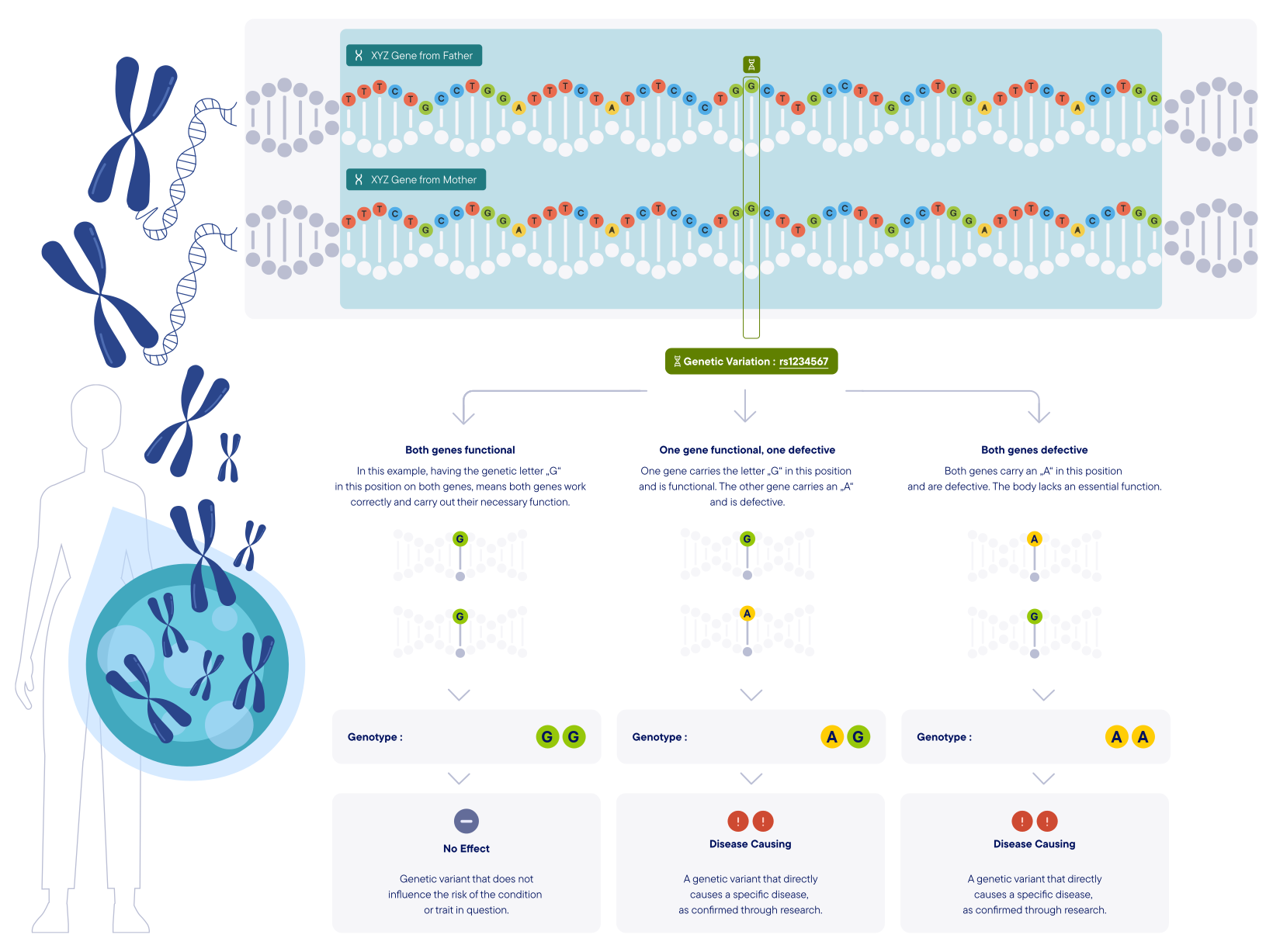
Humans have more than 20,000 genes, each carrying out one or a few specific functions in the body. One gene instructs the body to digest lactose from milk, another tells the body how to build strong bones and another prevents the body's cells from beginning to multiply uncontrollably and developing into cancer. As all of these genes combined are the building instructions for our body, a defect in one of these genes can have severe health consequences.
Through decades of genetic research, we know the genetic code of any healthy/functional human gene. We have also identified that in certain positions on a gene, some individuals may have a different genetic letter from the one you have. We call these hotspots "Genetic Variations" or "Variants" in short. In many cases, studies have been able to show that having the genetic letter "G" in the position makes you healthy, but having the letter "A" in the same position disrupts the gene function and causes a disease. Genopedia allows you to view these variants in genes and summarizes all that we know from scientific research, which genetic letters (Genotype) have good or bad consequences on your health or on your traits.
History
Families and communities once noticed patterns in newborns who were very small, with short limbs and soft, underdeveloped bones, and who often did not survive long after birth. Midwives and physicians kept brief notes; parents carried the memories. These early observations were scattered and difficult to compare, but they pointed to a severe skeletal condition present from the start of life.
First described in the medical literature as a distinct, lethal skeletal disorder in the mid-20th century, achondrogenesis type 1b was initially grouped with several look‑alike conditions. Early reports relied on what could be seen and felt: very short arms and legs, a small chest, and poor bone hardening on exam or X‑ray. Over time, descriptions became more precise as clinicians noticed consistent features that separated achondrogenesis type 1b from other neonatal skeletal dysplasias.
As medical science evolved, careful X‑ray reviews and autopsy studies refined the picture. Specialists compared bone shape, the degree of mineralization, and patterns in the spine and ribs, which helped sort achondrogenesis type 1b from related diagnoses. Not every early description was complete, yet together they built the foundation of today’s knowledge.
In recent decades, awareness has grown that achondrogenesis type 1b follows an inherited pattern that can repeat in families. Advances in genetics confirmed that changes in a single gene involved in building cartilage are responsible. This shifted the understanding from “what it looks like” to “why it happens,” opening the door to precise diagnosis through genetic testing rather than relying only on imaging and physical features.
With better prenatal ultrasound, some features suggestive of achondrogenesis type 1b could be recognized before birth, such as markedly short limbs and a small chest. Genetic testing then helped clarify the specific type, which matters for counseling and for understanding the chance of recurrence in future pregnancies. Throughout this period, clinicians also learned to distinguish regional and subtype differences, improving the accuracy of registries and research.
From early theories to modern research, the story of achondrogenesis type 1b reflects a broader shift in medicine: from descriptive labels based on appearance to deeper, gene‑level explanations. Knowing the condition’s history helps explain why names and classifications have changed over time and why today’s care includes both detailed imaging and genetic counseling. While achondrogenesis type 1b remains a rare and severe skeletal condition, the path from bedside observations to molecular diagnosis has brought clearer answers for families seeking to understand it.