
Achalasia-microcephaly syndrome is a rare genetic condition that affects swallowing and head growth. People with achalasia-microcephaly syndrome often have trouble swallowing solids and liquids, poor weight gain, and a smaller head size noticed in infancy or early childhood. Many also have developmental delays, and doctors may see tightness at the lower esophageal sphincter and feeding difficulties. It is lifelong, and treatment focuses on easing swallowing with procedures like pneumatic dilation or surgical myotomy, plus nutrition support and developmental therapies. The outlook varies, but early symptom recognition and ongoing care can improve comfort, growth, and day-to-day function.
Overview
Achalasia-microcephaly syndromeSymptoms
Achalasia-microcephaly syndrome features a small head size, trouble swallowing from esophageal achalasia, feeding difficulties, and poor weight gain. Many also have developmental delay and low muscle tone. Early signs of Achalasia-microcephaly syndrome often appear in infancy.
Outlook and prognosis
Most children with Achalasia-microcephaly syndrome need long‑term support for feeding, growth, and development, but many families see steadier routines once swallowing is treated and nutrition improves. Early symptoms of Achalasia-microcephaly syndrome often ease with targeted therapies. Outlook varies by severity; regular follow-up helps adjust care over time.
Causes and risk factors
Achalasia-microcephaly syndrome results from harmful changes in a single gene, usually inherited in an autosomal recessive pattern. Risk is highest when both parents are carriers, including in related parents. It begins in fetal development; lifestyle and environment don’t cause it.
Genetic influences
Genetics play a central role in Achalasia-microcephaly syndrome. Most cases come from inherited variants in a single gene, usually passed in an autosomal recessive pattern. Genetic testing confirms the diagnosis, guides family planning, and supports carrier testing for relatives.
Diagnosis
Doctors consider achalasia-microcephaly syndrome when characteristic clinical features appear. Evaluation may include swallowing function tests, imaging, and neurologic exam. Genetic testing confirms the genetic diagnosis of achalasia-microcephaly syndrome.
Treatment and drugs
Treatment for achalasia‑microcephaly syndrome focuses on easing swallowing and supporting development. Swallowing care may include endoscopic balloon dilation, Botox to the lower esophageal sphincter, or surgical myotomy, plus nutrition support and reflux management. Ongoing therapies—physiotherapy, occupational, speech, vision, and hearing care—are tailored to each child.
Symptoms
Feeding challenges and a smaller head size are the most noticeable early features of Achalasia-microcephaly syndrome. This rare genetic condition is present from birth and affects how the food pipe moves and how the brain and skull grow. Day to day, families often notice long, tiring feeds, coughing during meals, and milestones that arrive later than expected. Features vary from person to person and can change over time.
The food pipe does not push food down smoothly, so swallowing can feel slow or effortful. Babies may cough or gag during feeds, and older children may take small bites and extra sips to get food down. Food or milk can sometimes come back up unchanged.
Mealtimes may be long, with frequent pauses or refusal because eating feels uncomfortable. Many living with Achalasia-microcephaly syndrome prefer soft textures and small, frequent meals. Feeding therapy can help make meals safer and less stressful.
Because nutrients do not always reach the stomach, weight and height may lag behind peers. Clinicians call this failure to thrive, which means growth is below expected ranges for age. High-calorie plans or temporary tube feeding may be recommended.
Microcephaly means the head circumference is smaller than expected for age and sex. In Achalasia-microcephaly syndrome, this is present from birth and is followed over time at checkups. It can relate to differences in brain growth and development.
How people usually first notice Achalasia-microcephaly syndrome?
Families often notice something is different in the first months of life: a small head size that falls well below average for age (microcephaly) and feeding difficulties like choking, vomiting, or trouble gaining weight. As solids are introduced, swallowing problems may become clearer, with coughing during feeds or food seeming to “stick,” prompting evaluation for achalasia, where the lower esophagus doesn’t relax properly. These early patterns—first signs of achalasia‑microcephaly syndrome—usually lead doctors to combine clinical features with imaging or swallowing studies, then consider genetic testing to confirm the diagnosis.
Types of Achalasia-microcephaly syndrome
Achalasia-microcephaly syndrome is a rare genetic condition, and clinicians recognize a few clinical variants rather than symptom “types.” These variants are mainly defined by the specific gene involved and the age when feeding or swallowing troubles first become clear. Not everyone will experience every feature, and severity can vary even within the same family. When people search for types of Achalasia-microcephaly syndrome, they’re usually referring to these recognized genetic variants and their different timelines and intensities.
Syndromic MPDZ
Changes in the MPDZ gene lead to the classic combination of early-onset swallowing problems and small head size at birth or shortly after. Many children also have developmental delay and low muscle tone. Feeding support and monitoring for aspiration are often needed.
Syndromic SIPA1L1
Variants in SIPA1L1 can produce a similar picture with achalasia and microcephaly but with a broader range of developmental outcomes. Some children walk and talk later than peers, while others show milder delays. Doctors sometimes classify symptoms as early-onset versus later-onset depending on feeding difficulties.
Severe early-onset
In this clinical variant, achalasia presents in infancy with marked vomiting, poor weight gain, and microcephaly evident on early growth checks. Hospital care, tube feeding, or early esophageal therapy may be required. Even within the same type, intensity can range from mild to severe.
Later-presenting childhood
Achalasia symptoms emerge in later childhood, with microcephaly recognized earlier or unfolding gradually on growth charts. Children may report food sticking, chest discomfort, or nighttime cough. School-age developmental and learning needs vary from child to child.
What genetics can tell you about symptoms
Some babies with pathogenic SLC4A4 (hPIT1) variants develop severe achalasia—trouble swallowing, vomiting, poor weight gain—and microcephaly, with small head size and early developmental delays. The same gene changes can also cause low muscle tone, feeding difficulties, reflux, and recurrent respiratory infections.
Causes and risk factors
Achalasia-microcephaly syndrome most often stems from a change in a gene that is present from birth. A child is usually affected when both parents carry the same silent change and pass on both copies. Doctors distinguish between risk factors you can change and those you can’t. Key risk factors for achalasia-microcephaly syndrome include a family history and parents who are related by blood. Lifestyle and everyday exposures do not cause it, but pregnancy health and early care may shape how severe features are.
Environmental and biological risk factors
Achalasia-microcephaly syndrome is present from birth and mainly driven by inborn biology. Doctors often group risks into internal (biological) and external (environmental). For this rare condition, there are no confirmed environmental risk factors for Achalasia-microcephaly syndrome; influences identified so far appear to be internal and established very early. Here’s what current research supports and where evidence is still limited.
Achalasia-microcephaly syndrome appears to stem from factors present at conception. External exposures later in pregnancy have not been shown to trigger the condition.
No consistent link with older maternal or paternal age has been demonstrated. Evidence remains limited because the syndrome is very rare.
Common conditions such as diabetes or thyroid disease have not been tied to a higher chance of achalasia-microcephaly syndrome. They may affect pregnancy outcomes in general but not this specific syndrome.
Infections like cytomegalovirus or Zika can cause microcephaly, but they have not been shown to cause this syndrome. Testing helps doctors tell infection-related microcephaly from syndromic causes.
Genetic risk factors
Achalasia-microcephaly syndrome is usually caused by inherited changes in a single gene and follows an autosomal recessive pattern. Some risk factors are inherited through our genes. Parents are most often healthy carriers, and each pregnancy has a predictable chance of an affected child. Genetic testing can confirm the genetic causes of Achalasia-microcephaly syndrome and clarify risks for relatives.

Autosomal recessive: Two non-working copies of the same gene are needed to cause Achalasia-microcephaly syndrome. Parents typically each carry one changed copy without symptoms. Each pregnancy has a 25% chance of an affected child, a 50% chance of a carrier, and a 25% chance of neither.
Carrier parents: Carriers have one altered copy of the gene but usually feel well. When both parents are carriers, their children can inherit both altered copies and develop Achalasia-microcephaly syndrome. Carrier testing can identify this hidden risk.
Sibling recurrence risk: If one child is affected, the chance for Achalasia-microcephaly syndrome in each future pregnancy is again 25%. Unaffected brothers and sisters may be carriers. Extended family risk depends on whether relatives also carry the same change.
Shared ancestry: When parents are related or come from the same small community, they are more likely to carry the same rare gene change. This can increase the chance of Achalasia-microcephaly syndrome in their children. Genetic counseling can help map this risk.
Variable features: Even with the same gene change, features can vary between children. Some may have more severe swallowing problems or smaller head size than others. This variability does not change the inherited cause.
Founder variants: In some families or regions, the same ancestral gene change may be found repeatedly. This “founder” pattern can make targeted testing faster for relatives. It does not alter how the condition is inherited.
De novo changes: New (de novo) changes are not a typical cause in this autosomal recessive condition. Most affected children inherit one altered gene from each parent. Rarely, complex scenarios like parental mosaicism can influence recurrence risk.
Genetic testing: DNA testing can look for the underlying gene changes that cause Achalasia-microcephaly syndrome. Finding the exact change confirms the diagnosis and guides testing for relatives. It can also inform options for future pregnancies.
Reproductive options: Once the family-specific change is known, prenatal testing and preimplantation genetic testing may be available. These options can help reduce the chance of Achalasia-microcephaly syndrome in a future child. A genetics team can discuss benefits and limits.
Population patterns: Achalasia-microcephaly syndrome is very rare and has been reported across many backgrounds. No single ethnic group is known to be at uniquely high risk. Family-specific carrier status is the main driver of risk.
Lifestyle risk factors
Achalasia‑microcephaly syndrome is a genetic condition; lifestyle habits do not cause it, but they can shape symptom control and complication risks over time. This overview focuses on how lifestyle affects Achalasia‑microcephaly syndrome, especially swallowing, nutrition, respiratory safety, and development. In this context, “lifestyle risk factors for Achalasia‑microcephaly syndrome” refers to day‑to‑day choices that may worsen or ease dysphagia, undernutrition, reflux, and aspiration.
Soft, puréed, and well‑lubricated foods move more easily through an achalasic esophagus. Slow, small bites with thorough chewing can reduce choking and regurgitation.
Eating smaller portions more often lowers esophageal load and stasis. This pattern can lessen chest discomfort and decrease risk of aspiration.
Sitting upright during meals and for 30–60 minutes afterward uses gravity to aid esophageal emptying. It can reduce regurgitation and aspiration pneumonia risk.
Sips of warm water or tea may ease esophageal transit compared with very cold drinks. Good hydration helps clear retained food and reduces impaction.
Risk prevention
Achalasia-microcephaly syndrome is an inherited condition, so preventing the condition itself isn’t currently possible. Some prevention is universal, others are tailored to people with specific risks. For many families, prevention focuses on planning future pregnancies and lowering day-to-day complications like choking, aspiration, and poor growth. Spotting early symptoms of Achalasia-microcephaly syndrome and treating swallowing issues promptly can reduce complications.
A genetics professional can explain inheritance, chances of recurrence, and testing options for relatives. They can also help you plan future pregnancies with information that fits your family values.
If there’s a family history or known variant, partners can have carrier testing before or during pregnancy. Knowing carrier status helps guide choices and timing for testing.
During pregnancy, testing options may be available if the family’s genetic change is known. Results can help with delivery planning and early specialist care.
For those using IVF, embryos can be tested for the known family variant before transfer. This can lower the chance of having another child with the condition.

Transmission
Achalasia-microcephaly syndrome is a genetic condition present from birth and is not contagious; it does not spread through touch, air, food, sexual contact, or blood.
Most families reported to date show autosomal recessive inheritance: each parent typically carries one nonworking copy of the gene without symptoms, and with every pregnancy there is a 25% chance of an affected child, a 50% chance of a carrier, and a 25% chance of an unaffected non‑carrier. These chances are the same for boys and girls and repeat with each pregnancy. Rarely, a child may have Achalasia-microcephaly syndrome due to a new genetic change with no prior family history; this does not make it infectious. If you’re wondering about the genetic transmission of Achalasia-microcephaly syndrome, a genetics professional can explain how Achalasia-microcephaly syndrome is inherited and discuss testing options.
When to test your genes
Consider genetic testing if achalasia appears in infancy or childhood, especially alongside microcephaly, developmental delays, or seizures, or if close relatives have similar features. Testing is also reasonable before pregnancy or during family planning. Results can confirm the diagnosis, guide care, and inform recurrence risks.
Diagnosis
For many, the first step comes when everyday activities start feeling harder, like feeding troubles in infancy or repeated choking with meals later on. Doctors piece together the day-to-day symptoms with exam findings and targeted tests to confirm achalasia and document small head size. Early and accurate diagnosis can help you plan ahead with confidence. When features strongly suggest Achalasia-microcephaly syndrome, the path to a genetic diagnosis of Achalasia-microcephaly syndrome usually involves both gut testing and genetic studies.
Clinicians look for feeding difficulties, vomiting, or trouble swallowing alongside delayed development. Head size is measured and compared with age charts to confirm microcephaly. Other features on exam help rule out look-alike conditions.
Providers track head circumference over time and assess muscle tone, reflexes, and developmental skills. Ongoing measurements show patterns that support the diagnosis. These findings guide which tests come next.
A detailed family and health history can help connect symptoms across relatives and generations. Family history is often a key part of the diagnostic conversation. This context can point toward inherited rather than isolated causes.
X‑ray pictures after drinking contrast outline the esophagus. Imaging often shows a narrowed lower end and a widened upper esophagus consistent with achalasia. It also helps exclude structural blockages.
Stages of Achalasia-microcephaly syndrome
Achalasia-microcephaly syndrome does not have defined progression stages. It’s a rare genetic condition present from birth, and while symptoms can change over time, they don’t follow a predictable stepwise pattern. Doctors usually start with a conversation about feeding problems, growth, and development, then confirm findings with tests such as esophageal manometry for achalasia, head measurements, brain imaging when needed, and genetic testing. Early symptoms of achalasia-microcephaly syndrome may include trouble swallowing, frequent vomiting after feeds, and slow weight gain, which prompt evaluation and ongoing monitoring.
Outlook and prognosis
Looking at day-to-day life with Achalasia‑microcephaly syndrome, many families focus on feeding, growth, and developmental support first, then long-term plans. The outlook is not the same for everyone, but early treatment of swallowing problems and reflux, along with tailored therapies for movement, speech, and learning, can improve comfort and reduce complications like aspiration pneumonia. When doctors talk about “remission,” they mean symptoms have eased or disappeared for a while, but for Achalasia‑microcephaly syndrome the swallowing problem is usually long‑standing and needs ongoing care rather than fully going away.
Here’s what research and experience suggest about the future. Achalasia often requires procedures to open the lower esophageal sphincter and nutrition plans to maintain weight; these steps can lower hospitalizations and help growth. Developmental challenges linked to microcephaly tend to be persistent, so progress is usually measured in small, steady gains rather than quick leaps. Serious risks mostly relate to breathing and feeding—for example, lung infections from food or liquid going down the wrong way—so preventing aspiration and treating early symptoms of Achalasia‑microcephaly syndrome can make a real difference.
Long-term survival varies with the severity of swallowing and neurological issues. Some children with severe complications may face a higher risk of life‑threatening infections, while many living with Achalasia‑microcephaly syndrome do well with coordinated gastroenterology, neurology, nutrition, and therapy support. In medical terms, the long‑term outlook is often shaped by both genetics and lifestyle, including access to multidisciplinary care and timely treatment of infections. Talk with your doctor about what your personal outlook might look like, including how often to monitor swallowing, growth, and respiratory health as needs change over time.
Long-term effects
Achalasia-microcephaly syndrome can affect growth, development, and day-to-day eating over the long term. Early symptoms of Achalasia-microcephaly syndrome may include trouble feeding, choking, or a smaller head size noted in infancy. Long-term effects vary widely, and the picture can change from childhood into adulthood. Health outcomes often depend on how severe the swallowing and breathing issues are, alongside neurodevelopmental needs.
Ongoing esophageal narrowing can make solids and liquids hard to pass. This raises the risk of choking or food going into the airway, which can lead to chest infections.
Difficulty eating can lead to poor weight gain and short stature over time. Some live with long-standing malnutrition if intake and absorption remain limited.
Microcephaly is linked with global developmental delay and intellectual disability. Speech and language can be especially affected, with learning needs that continue into adulthood.
Changes in muscle tone, such as stiffness or low tone, may affect balance and coordination. Some children develop motor delays that can persist as they grow.
How is it to live with Achalasia-microcephaly syndrome?
Living with Achalasia–microcephaly syndrome often means navigating feeding and swallowing challenges from an early age, frequent medical visits, and therapies aimed at nutrition, motor skills, and communication. For many, daily routines revolve around safe eating strategies, monitoring growth, and accommodating developmental differences, while watching for respiratory issues from reflux or aspiration. Families and caregivers commonly coordinate care across multiple specialists and schools, balancing structured support with time for play, learning, and rest. This can be demanding, but with a clear care plan, community resources, and adaptive tools, many families find a steady rhythm that supports comfort, connection, and progress over time.
Treatment and drugs
Treatment for achalasia-microcephaly syndrome focuses on easing swallowing problems from achalasia and supporting development and daily function. For the achalasia part, options may include medicines that relax the esophagus, endoscopic procedures like pneumatic dilation or botulinum toxin injections, and in some cases a surgery to cut the tight muscle at the lower end of the esophagus (Heller myotomy) or a newer endoscopic approach (POEM); a doctor may adjust your dose to balance benefits and side effects. Nutrition support is often important, with texture-modified foods, high‑calorie supplements, and, if needed, temporary feeding tubes to maintain growth and reduce the risk of aspiration. Developmental and neurologic care typically involves early intervention, physical, occupational, and speech therapy, as well as vision or hearing support if affected; seizure management is tailored if seizures occur. Although living with achalasia-microcephaly syndrome can feel overwhelming, supportive care can make a real difference in how you feel day to day.
Non-drug treatment
Daily life with Achalasia-microcephaly syndrome often centers on safe feeding, nutrition, development, and reducing aspiration risk. Alongside medicines, non-drug therapies can make day-to-day care safer and more manageable. A coordinated team approach supports growth, communication, and mobility. Recognizing early symptoms of Achalasia-microcephaly syndrome can guide earlier referrals to the right specialists.
A feeding specialist helps babies and children learn safer suck–swallow–breathe patterns. They teach pacing, nipple choice, and cues to pause when breathing gets noisy or effortful. Care plans are tailored to your child’s energy and endurance.
A speech-language therapist evaluates swallowing and teaches strategies to reduce choking and aspiration. Techniques include posture changes, slower sips, and specific chin or head positions. Periodic check-ins adjust the plan as skills change.
Thicker liquids and softer foods can move more slowly and safely through the esophagus. A dietitian or therapist helps find textures that your child swallows well without coughing. Plan to re-test textures as chewing and swallowing improve.
Small, frequent meals reduce pressure in the esophagus and can ease regurgitation. Unhurried, upright meals with rest breaks help prevent fatigue. Keeping mealtimes calm often improves intake.
Your genes may have an impact on how drugs work for you
Genes can change how your body absorbs, breaks down, and responds to medicines used around achalasia‑microcephaly syndrome, affecting both benefit and side‑effects. Pharmacogenetic testing, when available, can guide dose choices or alternative drugs to improve safety and comfort.
Pharmacological treatments
Medicines in Achalasia-microcephaly syndrome mainly aim to relax the lower esophageal sphincter, reduce acid-related irritation, and treat associated neurologic symptoms such as seizures or muscle stiffness. Most provide short-term or partial relief, and procedures like dilation or myotomy are often needed for lasting improvement. Not everyone responds to the same medication in the same way. Dosing and choices are individualized in children and adults, with careful monitoring for side effects like low blood pressure or sleepiness.
This calcium channel blocker can briefly relax the lower esophageal sphincter and may be taken before meals to ease swallowing. Benefits are usually modest and short-lived, and it can cause flushing, dizziness, or low blood pressure.
Nitroglycerin or isosorbide dinitrate under the tongue can relax the esophageal sphincter within minutes. Headache and lightheadedness are common, so it is generally used sparingly rather than as a long-term solution.
Endoscopic injection into the lower esophageal sphincter can reduce spasm and improve swallowing for weeks to months. Effects wear off over time, so repeat treatments may be needed if procedures are not yet feasible.
Omeprazole or esomeprazole can reduce acid and protect the esophagus when reflux or inflammation is present. Some families first notice early symptoms of Achalasia-microcephaly syndrome like choking with feeds and heartburn; PPIs can ease heartburn but do not fix the swallowing blockage.
Genetic influences
Achalasia-microcephaly syndrome often has a genetic basis, most commonly showing a recessive inheritance pattern in families. This means two symptom-free parents who carry the same gene change can have a child who inherits both copies and is affected; with each pregnancy, the chance of an affected child is about 25% (1 in 4). A “carrier” means you hold the gene change but may not show symptoms. Genetic testing for achalasia-microcephaly syndrome can sometimes find the specific change in the gene, confirm the diagnosis, and check whether parents or siblings are carriers, which can help with future planning. Even among relatives with the same change, features can vary, so a test result explains risk but not precisely how severe the condition will be. If you’re wondering whether achalasia-microcephaly syndrome runs in your family, a genetic counselor can walk through what this pattern means and discuss options before or during a pregnancy.
Is Achalasia-microcephaly syndrome genetic?
Genetics play a central role in Achalasia-microcephaly syndrome. Most cases come from inherited variants in a single gene, usually passed in an autosomal recessive pattern. Genetic testing confirms the diagnosis, guides family planning, and supports carrier testing for relatives.
Pharmacogenetics—how genetics influence drug effects
Treatment choices for Achalasia-microcephaly syndrome often need extra tailoring because swallowing is difficult and growth may be affected. The gene change that causes the syndrome doesn’t usually involve the enzymes that break down medicines, but common drug–gene differences seen in the general population can still shape how someone responds to pain relievers after surgery, anti-nausea medicines, or acid-reducing medicines. Genetic testing can sometimes identify how your body processes certain pain medicines or acid reducers, which can guide dosing and lower the chance of side effects. Low body weight, challenges with tablets, and variable nutrition can also change how a medicine is absorbed and spread through the body, so liquid forms, smaller doses, or feeding-tube delivery may be used. For those who need long-term therapies such as anti-seizure medicines or antidepressants, inherited differences in drug-processing enzymes may lead doctors to adjust the drug choice or dose to fit the individual. Ask your care team whether pharmacogenetic testing for Achalasia-microcephaly syndrome could help tailor the medicines used before and after procedures and in daily care.
Interactions with other conditions
For people with Achalasia-microcephaly syndrome, other health issues can shape day-to-day symptoms and care. Achalasia raises the chance that food or liquids may enter the airway, so lung problems such as recurrent chest infections, asthma flare-ups, or a chronic cough can worsen when swallowing is difficult. Because early symptoms of Achalasia-microcephaly syndrome often include feeding problems and poor weight gain, illnesses that affect nutrition—like frequent infections or uncontrolled reflux—can have a bigger impact and may slow growth. Doctors call it a “comorbidity” when two conditions occur together, and in this syndrome, developmental delay or seizure disorders, when present, can make swallowing coordination harder and raise aspiration risk. Procedures or medicines used for other conditions can interact as well; sedating drugs may reduce airway protection, and some treatments for stomach acid can soothe irritation but won’t fix the underlying blockage. Coordinated care with neurology, gastroenterology, nutrition, and pulmonology can help reduce complications when Achalasia-microcephaly syndrome overlaps with other diseases.
How genes can cause diseases
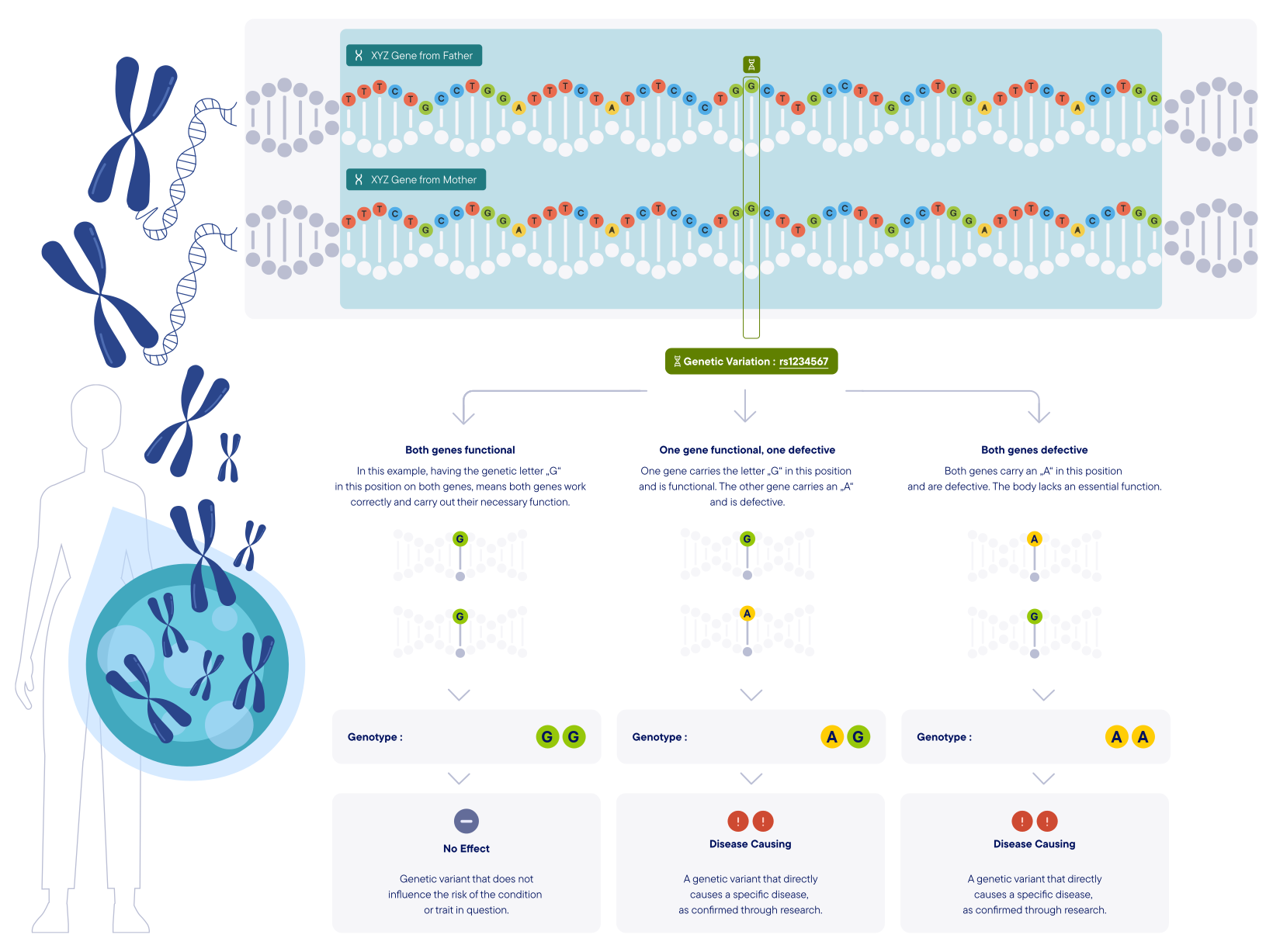
Humans have more than 20,000 genes, each carrying out one or a few specific functions in the body. One gene instructs the body to digest lactose from milk, another tells the body how to build strong bones and another prevents the body's cells from beginning to multiply uncontrollably and developing into cancer. As all of these genes combined are the building instructions for our body, a defect in one of these genes can have severe health consequences.
Through decades of genetic research, we know the genetic code of any healthy/functional human gene. We have also identified that in certain positions on a gene, some individuals may have a different genetic letter from the one you have. We call these hotspots "Genetic Variations" or "Variants" in short. In many cases, studies have been able to show that having the genetic letter "G" in the position makes you healthy, but having the letter "A" in the same position disrupts the gene function and causes a disease. Genopedia allows you to view these variants in genes and summarizes all that we know from scientific research, which genetic letters (Genotype) have good or bad consequences on your health or on your traits.
History
Families and neighbors sometimes remembered a child who struggled to gain weight, had a small head size noticed at birth, and later developed trouble swallowing solids and liquids. Notes in old clinic ledgers might mention repeated chest infections, slow feeds, and, years on, food getting “stuck.” Oral details varied, but the thread was similar: growth concerns from infancy, followed by swallowing problems that did not match the usual causes.
First described in the medical literature as a cluster of small head size (microcephaly), developmental delays, and a tight lower esophageal sphincter that would not relax (achalasia), the condition was initially pieced together from single families. In recent decades, awareness has grown as pediatric and genetics teams shared cases and recognized a consistent pattern across different countries. With each decade, the picture became clearer: the early symptoms of achalasia-microcephaly syndrome often start in infancy with feeding issues and later evolve into classic achalasia features in childhood or adolescence.
From early theories to modern research, the story of achalasia-microcephaly syndrome has moved from careful bedside observation to lab confirmation. Early reports focused on what clinicians could see and feel—poor weight gain, recurrent vomiting, and a tight junction at the bottom of the esophagus seen on imaging. As genetic testing became widely available, researchers identified changes in specific genes shared among affected siblings, confirming that this syndrome follows an inherited pattern in many families and explaining why it tended to appear in more than one child.
Across cultures and centuries, achalasia-microcephaly syndrome has been observed in different ways, often filtered through local medical resources. Some regions recorded higher numbers because of close-knit communities where related parents increased the chance of inheriting the same rare gene change from both sides. Elsewhere, cases were missed or labeled as isolated achalasia or unexplained developmental delay. Not every early description was complete, yet together they built the foundation of today’s knowledge.
As medical science evolved, diagnostic tools made the historical hints tangible. X‑ray swallow studies and manometry showed how the esophagus failed to move food along and how the valve at its end stayed closed. Over time, descriptions became precise enough to separate achalasia-microcephaly syndrome from other conditions with small head size or swallowing problems. Today, many clinicians recognize the combination and consider genetic testing earlier, which helps families plan care, watch for complications, and connect with specialists. The path from scattered case notes to a defined syndrome has been steady, grounded in families’ experiences and the careful accumulation of evidence.