
Acanthosis nigricans-insulin resistance-muscle cramps-acral enlargement syndrome is a rare genetic condition that affects skin, metabolism, muscles, and limb size. People with the condition often have dark, velvety skin patches, muscle cramps, and enlarged hands or feet. It usually starts in childhood or adolescence and tends to be lifelong. Treatment focuses on managing insulin resistance, easing muscle cramps, and caring for skin, and doctors describe this as supportive care rather than a cure. The outlook varies, but many people live long and full lives with regular follow-up.
Overview
Acanthosis nigricans-insulin resistance-muscle cramps-acral enlargement syndromeSymptoms
People with Acanthosis nigricans–insulin resistance–muscle cramps–acral enlargement syndrome typically have dark, velvety skin folds, frequent muscle cramps, and enlarged hands or feet. Features often reflect marked insulin resistance. Signs usually appear in childhood or adolescence.
Outlook and prognosis
Many living with Acanthosis nigricans–insulin resistance–muscle cramps–acral enlargement syndrome do well with steady, tailored care. Improving insulin sensitivity and treating skin and muscle symptoms can ease daily life and lower long‑term risks. Regular follow‑up helps track changes and prevent complications.
Causes and risk factors
Acanthosis nigricans-insulin resistance-muscle cramps-acral enlargement syndrome usually results from a single‑gene change, inherited or new. Family history raises risk. Weight gain, puberty, hormonal shifts, and certain medicines can worsen insulin resistance and skin changes.
Genetic influences
Genetics play a meaningful role in Acanthosis nigricans-insulin resistance-muscle cramps-acral enlargement syndrome. Variants can affect insulin signaling and growth pathways, influencing severity and age of onset. Family history may increase risk, though expressivity and symptoms vary widely.
Diagnosis
Doctors suspect it from clinical features—acanthosis nigricans, severe insulin resistance, muscle cramps, and acral enlargement. Confirmation relies on metabolic and hormone tests, imaging of bones/soft tissue, and genetic tests. Genetic diagnosis of Acanthosis nigricans-insulin resistance-muscle cramps-acral enlargement syndrome guides care.
Treatment and drugs
Treatment focuses on the underlying insulin resistance. Many with Acanthosis nigricans–insulin resistance–muscle cramps–acral enlargement syndrome improve with weight management, physical activity, and medicines that enhance insulin sensitivity. Doctors may add symptom‑targeted care, like skin treatments and cramp relief.
Symptoms
Day to day, people may notice dark, velvety skin patches, cramping muscles, or rings and shoes that suddenly feel snug. You might notice small changes at first, then realize they’ve been building over time. This cluster of features is called Acanthosis nigricans-insulin resistance-muscle cramps-acral enlargement syndrome and is linked to reduced sensitivity to insulin. People often describe early features of Acanthosis nigricans-insulin resistance-muscle cramps-acral enlargement syndrome as skin darkening, muscle cramps, and changes in hand or foot size.
Dark, velvety patches often show up on the neck, armpits, or groin and can feel thicker or rougher than nearby skin. They may be mildly itchy or sensitive and can expand gradually.
When the body doesn’t respond well to insulin, blood sugar can run high, causing thirst, frequent urination, tiredness, or blurry vision. Hunger soon after meals and energy dips can also show up. In Acanthosis nigricans-insulin resistance-muscle cramps-acral enlargement syndrome, this insulin resistance tends to be ongoing.
Sudden tightness or spasms can affect the calves, feet, or hands and may interrupt sleep or daily tasks. Soreness can linger after the cramp eases and may come and go over time.
Hands and feet can grow larger, making rings, gloves, or shoes feel tight or too small. Facial features may look broader or coarser, and you might need larger sizes than before.
How people usually first notice Acanthosis nigricans-insulin resistance-muscle cramps-acral enlargement syndrome?
People often first notice acanthosis nigricans-insulin resistance-muscle cramps-acral enlargement syndrome as patches of darker, velvety skin in body folds like the neck, armpits, or groin, sometimes alongside small skin tags. Over time, early clues of insulin resistance appear—such as unexplained fatigue after meals, increased thirst or urination, or lab tests showing high insulin or glucose—while muscle cramps and gradual enlargement of the hands, feet, or facial features may draw attention. For many, the first signs of acanthosis nigricans-insulin resistance-muscle cramps-acral enlargement syndrome are the skin changes, with clinicians connecting the pattern to metabolic changes and acral (hand and foot) growth during evaluation.
Types of Acanthosis nigricans-insulin resistance-muscle cramps-acral enlargement syndrome
Acanthosis nigricans–insulin resistance–muscle cramps–acral enlargement syndrome is considered a genetic/congenital condition, and reports describe a few recognizable clinical variants rather than symptom categories. These variants differ in age at onset, severity of insulin resistance, presence of growth-hormone–related changes, and associated features. Not everyone will experience every type. People may notice different sets of symptoms depending on their situation.
Classic variant
Skin darkening with velvety thickening, early insulin resistance, and muscle cramps are prominent. Hands and feet may look enlarged over time, with joint or soft-tissue thickening. Severity can range from mild to marked.
Early-onset variant
Features begin in childhood or adolescence with rapid acanthosis and significant insulin resistance. Muscle cramps may appear during growth spurts or physical activity. Acral enlargement can emerge gradually.
Acral-dominant variant
Hand and foot enlargement and soft-tissue thickening stand out more than skin or metabolic changes. Acanthosis may be subtle, and insulin resistance can be mild. People may first seek care for shoe or ring size changes.
Metabolic-predominant variant
Insulin resistance and related lab findings are the main drivers, with more modest skin changes. Muscle cramps can flare during periods of metabolic stress. This pattern helps illustrate the types of acanthosis nigricans–insulin resistance–muscle cramps–acral enlargement syndrome.
Growth-hormone–linked variant
Signs suggesting excess growth-hormone activity, like coarse facial features or joint thickening, accompany the core features. Acanthosis and cramps vary in intensity. Clinicians often describe these variants to better understand patterns of the condition.
What genetics can tell you about symptoms
People with this syndrome often have velvety dark skin patches, enlarged hands/feet, muscle cramps, and marked insulin resistance because gene changes disrupt insulin signaling and growth pathways. Variants affecting the insulin receptor (INSR) or related signaling genes amplify growth signals in skin and acral tissues.
Causes and risk factors
Acanthosis nigricans-insulin resistance-muscle cramps-acral enlargement syndrome is usually driven by severe insulin resistance. Genes set the stage, but environment and lifestyle often decide how the story unfolds. Changes in the insulin receptor gene, a family history of insulin resistance, and hormone shifts in puberty or pregnancy can raise risk. Excess weight, low physical activity, and some medicines like steroids or antipsychotics can make it worse. Rare hormone-secreting tumors can mimic the condition, and risk can be present before any early symptoms of Acanthosis nigricans-insulin resistance-muscle cramps-acral enlargement syndrome appear.
Environmental and biological risk factors
When skin darkening and thickening show up around the neck while hands and feet seem broader and nighttime muscle cramps disrupt sleep, it can feel unsettling. Doctors often group risks into internal (biological) and external (environmental). Knowing which factors raise the chances of acanthosis nigricans–insulin resistance–muscle cramps–acral enlargement syndrome can help with earlier recognition and timely care. Understanding these patterns can also make early symptoms of acanthosis nigricans–insulin resistance–muscle cramps–acral enlargement syndrome easier to spot.
Too much growth hormone can enlarge hands and feet and worsen insulin resistance. This can make acanthosis nigricans more noticeable and increase features of the syndrome.
High cortisol levels (Cushing’s syndrome) reduce insulin sensitivity and thin muscle tissue. This combination can deepen acanthosis nigricans and make muscle cramps more likely.
Low thyroid hormone slows metabolism and can reduce insulin sensitivity. It also raises the likelihood of muscle cramps in this condition.
Autoantibodies that block the insulin receptor cause severe insulin resistance and very high insulin levels. This drives marked acanthosis nigricans and can aggravate acral enlargement in acanthosis nigricans–insulin resistance–muscle cramps–acral enlargement syndrome.
Genetic risk factors
Acanthosis nigricans-insulin resistance-muscle cramps-acral enlargement syndrome is thought to arise from changes in genes that guide insulin signals, skin growth, and limb development. In some families, the condition runs across generations; in others, it appears for the first time in a child with a brand-new gene change. Some risk factors are inherited through our genes. When doctors consider the genetic causes of Acanthosis nigricans-insulin resistance-muscle cramps-acral enlargement syndrome, they look at both family history and the possibility that more than one gene can produce a similar pattern.

Family history: Having a parent or sibling with Acanthosis nigricans-insulin resistance-muscle cramps-acral enlargement syndrome raises the chance of sharing the same inherited gene change. The exact chance depends on how it is passed down in that family.
New gene change: The gene change can arise for the first time in a child, with neither parent carrying it. In that situation, future siblings usually have a low chance unless a parent has a small number of cells with the change.
Single-gene change: Rare syndromes like this are often linked to a single gene that affects insulin signals, skin cell growth, and tissue size. Finding the specific change can clarify personal and family risk.
Multiple genes: More than one gene may produce a similar mix of features seen in Acanthosis nigricans-insulin resistance-muscle cramps-acral enlargement syndrome. This genetic variety means different families can have the same condition for different reasons.
Different severity: People with the same gene change can show very different patterns and degrees of features in Acanthosis nigricans-insulin resistance-muscle cramps-acral enlargement syndrome. One relative may have marked acral enlargement, while another mainly has skin changes or muscle cramps.
Hidden carriers: Someone can carry the gene change yet have few or no obvious signs of Acanthosis nigricans-insulin resistance-muscle cramps-acral enlargement syndrome. This can make it look like the condition skips generations.
Mosaic changes: If the gene change is present in only some of a person’s cells, features may be patchy or milder. A parent with this hidden pattern can slightly raise the chance it happens again in future children.
Ancestry clusters: Rare ‘founder’ gene changes can cluster in certain communities or regions. When present, extended relatives in that group may share a higher chance of the same change.
Lifestyle risk factors
Several everyday habits can worsen insulin resistance and skin changes, intensify muscle cramps, and amplify acral enlargement in this syndrome. Diet, movement, sleep, and substance use all influence hormonal signaling, inflammation, and electrolytes that shape symptoms. Understanding the lifestyle risk factors for Acanthosis nigricans-insulin resistance-muscle cramps-acral enlargement syndrome can help you prioritize changes with the biggest impact.
Frequent sugary drinks and refined carbs spike insulin and drive insulin resistance, worsening acanthosis nigricans. Repeated surges can promote tissue growth signals that may accentuate acral enlargement.
Chronic overeating increases visceral fat, which heightens insulin resistance and deepens skin darkening and thickening. Weight gain can also aggravate muscle cramps through inflammation and electrolyte shifts.
Diets low in vegetables, legumes, and whole grains blunt insulin sensitivity. Poor fiber intake also disrupts gut hormones that modulate appetite and may worsen hyperinsulinemia linked to acral changes.
Minimal moderate-to-vigorous activity reduces muscle glucose uptake and worsens insulin resistance, intensifying acanthosis nigricans. Lower fitness also predisposes to cramps due to deconditioning and poor circulation.
Risk prevention
Acanthosis nigricans-insulin resistance-muscle cramps-acral enlargement syndrome can’t be fully prevented, but you can lower the chance of complications and help your body work more smoothly. Prevention is about lowering risk, not eliminating it completely. Spotting early symptoms of Acanthosis nigricans-insulin resistance-muscle cramps-acral enlargement syndrome—like dark, velvety skin patches, frequent muscle cramps, or changes in hand and foot size—can prompt earlier care. Day to day, the focus is on improving insulin sensitivity, protecting skin and nerves, and staying ahead of heart and metabolic risks.
Check glucose, A1C, blood pressure, and cholesterol on a schedule your clinician recommends. Prevention works best when combined with regular check-ups.
Choose a balanced eating pattern that keeps blood sugar steadier and supports a healthy weight. Everyday choices—like food, exercise, and stress management—are simple forms of prevention.
Aim for regular physical activity most days to improve insulin sensitivity and muscle function. Start gradually and adjust for muscle cramps or joint discomfort.
Keep skin in body folds clean, dry, and protected to reduce irritation and infection. Use gentle cleansers, dry well after showers, and consider barrier or antifungal powders if advised.

Transmission
Acanthosis nigricans-insulin resistance-muscle cramps-acral enlargement syndrome is not contagious. You can’t catch it from someone else, and it doesn’t spread through everyday contact, coughing, or blood exposure.
When it runs in families, the syndrome comes from a change in a gene that affects how the body responds to insulin, and how Acanthosis nigricans-insulin resistance-muscle cramps-acral enlargement syndrome is inherited can differ. In some families, one changed gene is enough to pass it on; in others, both copies of the gene must be changed, and some cases start as a new change with no family history; a genetics professional can explain family risk and the genetic transmission of Acanthosis nigricans-insulin resistance-muscle cramps-acral enlargement syndrome.
When to test your genes
Consider genetic testing if you developed acanthosis nigricans early, have significant insulin resistance, muscle cramps, and acral (hands/feet) enlargement, especially with a family history or symptoms starting in childhood. Test sooner if features are worsening or unexplained by weight, medications, or endocrine disorders. Results can guide screening for diabetes, heart risks, and personalized treatment.
Diagnosis
For many, the first step comes when everyday activities start feeling harder—tight rings, shoe size creeping up, or persistent skin darkening in body folds. Doctors then look for a recognizable pattern that links skin changes, insulin resistance, muscle cramps, and enlargement of the hands or feet. Getting a diagnosis is often a turning point toward answers and support. In most cases, the pattern is confirmed with targeted lab work and genetic tests to clarify the cause and guide care.
The doctor looks for thick, velvety skin patches (acanthosis nigricans), enlargement of the hands and feet (acral changes), and body-fat distribution. They also note muscle tenderness or cramp patterns and check blood pressure and growth patterns. These clinical features help point toward Acanthosis nigricans-insulin resistance-muscle cramps-acral enlargement syndrome.
Your clinician reviews symptom timing, weight changes, menstrual history, and any medicines that can affect hormones or blood sugar. They also ask about relatives with similar skin changes, early diabetes, or overgrowth traits. This helps reveal whether the condition may run in the family.
Fasting glucose and insulin levels assess how hard the body is working to keep sugar in range. An oral glucose tolerance test can show early insulin resistance even if routine sugars look normal. Results help connect the skin and acral changes to a metabolic cause.
Blood tests check growth-related hormones to rule out acromegaly as a cause of acral enlargement. In teens and adults, reproductive hormones may be checked to assess related issues such as androgen excess. These results help separate this syndrome from other endocrine conditions.
Stages of Acanthosis nigricans-insulin resistance-muscle cramps-acral enlargement syndrome
Acanthosis nigricans-insulin resistance-muscle cramps-acral enlargement syndrome does not have defined progression stages. It’s a collection of features that can appear together and change over time, rather than moving through a predictable path. Early symptoms of Acanthosis nigricans-insulin resistance-muscle cramps-acral enlargement syndrome may include dark, velvety skin patches on the neck or underarms, muscle cramps, and gradual widening of the hands or feet. Doctors check the skin changes, review your history, and run blood tests for blood sugar and related markers; different tests may be suggested to help confirm the cause and rule out look‑alike conditions.
Outlook and prognosis
Looking at the long-term picture can be helpful. For many people with Acanthosis nigricans–insulin resistance–muscle cramps–acral enlargement syndrome, the outlook centers on how well insulin resistance is managed over time. When blood sugar and weight are kept in a healthy range, skin thickening may soften, cramps can ease, and energy tends to improve. If insulin resistance remains severe, risks linked to high blood sugar—like type 2 diabetes, high cholesterol, and high blood pressure—can add up and strain the heart, kidneys, and nerves.
The outlook is not the same for everyone, but most people do not face life‑threatening complications when the condition is treated early and followed closely. Serious problems are more likely when diabetes goes uncontrolled for years, so regular monitoring and treatment adjustments matter. Early symptoms of Acanthosis nigricans–insulin resistance–muscle cramps–acral enlargement syndrome, such as new dark, velvety patches on the neck or underarms or more frequent muscle cramps, are signals to check glucose levels and muscle health sooner rather than later.
Prognosis refers to how a condition tends to change or stabilize over time. With steady care—nutrition changes, physical activity suited to your joints and muscles, and medicines that improve insulin sensitivity—many people maintain good day‑to‑day function and avoid long‑term complications. Mortality is generally tied to the same risks seen with long‑standing, poorly controlled diabetes and cardiovascular disease rather than the skin or cramp symptoms themselves. Talk with your doctor about what your personal outlook might look like, including targets for A1C, cholesterol, blood pressure, and what to do if symptoms shift.
Long-term effects
Acanthosis nigricans-insulin resistance-muscle cramps-acral enlargement syndrome tends to be lifelong, with features that can shift from childhood into adulthood. Long-term effects vary widely, and not everyone will experience the same pattern or severity. Over time, the most consistent theme is ongoing insulin resistance, which can affect skin, metabolism, growth of the hands and feet, and muscle comfort. Doctors often track these changes over years to see how blood sugar, hormones, and organ health evolve.
Ongoing insulin resistance can keep blood sugar higher than usual. This raises the chance of developing type 2 diabetes over time. Related changes can also affect cholesterol and blood pressure.
Dark, velvety skin thickening in body folds often persists and may slowly spread. Areas like the neck, armpits, and groin are common. The skin can feel itchy or sensitive at times.
Hands, feet, and sometimes facial features may appear larger or broader over time. This can be gradual and vary in degree. Some notice stiffness or strain in weight‑bearing joints.
Recurrent cramps can continue into adulthood and may flare with activity or at night. For some, cramps come and go in clusters. Others notice a steadier pattern.
How is it to live with Acanthosis nigricans-insulin resistance-muscle cramps-acral enlargement syndrome?
Living with acanthosis nigricans–insulin resistance–muscle cramps–acral enlargement syndrome often means managing visible skin darkening and thickening in body folds, dealing with frequent muscle cramps, and noticing changes in hand and foot size that can make shoes, rings, or fine-motor tasks feel different. Day-to-day life can involve steady attention to blood sugar, meal timing, hydration, sleep, and activity to reduce cramps and support insulin sensitivity, along with dermatologic care to ease irritation and itching. Many find the visibility of skin changes affects confidence or invites questions; sharing a simple explanation and having supportive family, friends, and clinicians helps reduce stigma and keeps focus on comfort, function, and health. With a tailored care plan and regular follow-up, most people can work, learn, exercise, and socialize while pacing their energy and adjusting routines when symptoms flare.
Treatment and drugs
Treatment for Acanthosis nigricans–insulin resistance–muscle cramps–acral enlargement syndrome focuses on improving insulin sensitivity, easing skin changes and cramps, and monitoring bone and soft‑tissue growth in the hands and feet. Doctors often start with lifestyle steps plus medicines that target insulin resistance, such as metformin or other glucose‑lowering drugs, which can also help soften acanthosis nigricans over time. For bothersome skin thickening, dermatology options may include topical retinoids, keratolytics like urea or salicylic acid, and, in select cases, procedures such as gentle chemical peels; treating any underlying hormonal or metabolic drivers remains the priority. Muscle cramps can improve with hydration, magnesium if deficient, stretching, and, when needed, medicines like gabapentin or muscle relaxants; your doctor can help weigh the pros and cons of each option. Regular follow‑up to track blood sugar, blood pressure, cholesterol, and changes in hand or foot size guides dose adjustments and adds therapies as needed.
Non-drug treatment
Living with Acanthosis nigricans-insulin resistance-muscle cramps-acral enlargement syndrome often affects daily comfort, skin confidence, and stamina. Non-drug treatments often lay the foundation for easing symptoms and supporting long-term health. Noticing early symptoms of Acanthosis nigricans-insulin resistance-muscle cramps-acral enlargement syndrome—like darker, velvety skin patches or a gradual widening of hands or feet—can help you start supportive care sooner. These approaches work best when tailored with your care team and adjusted over time.
A dietitian can help choose balanced, lower-glycemic meals that steady blood sugar. Gradual weight loss, if advised, may ease acanthosis and improve insulin sensitivity.
Brisk walking, cycling, or swimming can boost insulin sensitivity and energy. Gentle strength work and stretching may reduce muscle cramp frequency.
Structured programs, like medically supervised lifestyle clinics, can help set goals and keep changes on track. Even modest weight loss can improve skin changes and metabolic health.
Daily gentle cleansing and moisturizing can soften thickened, velvety areas and reduce itch. Wearing looser clothing and reducing friction at skin folds helps protect the skin.
Your genes may have an impact on how drugs work for you
Sometimes two people take the same medication and only one improves—genes help explain why. In Acanthosis nigricans–insulin resistance–muscle cramps–acral enlargement syndrome, genetic differences can change how drugs for insulin resistance, pain, or cramps are absorbed, activated, and tolerated.
Pharmacological treatments
Treatment focuses on lowering insulin resistance, easing skin thickening, calming muscle cramps, and, when present, reducing hormone-driven acral enlargement. If early symptoms of Acanthosis nigricans-insulin resistance-muscle cramps-acral enlargement syndrome include stubborn skin darkening and hand or foot swelling, medicines are chosen to target the main drivers. Medication is often just one chapter, alongside nutrition, movement, and skin care. Not everyone responds to the same medication in the same way.
Metformin and pioglitazone help the body use insulin more effectively and can improve blood sugar control. First-line medications are those doctors usually try first, based on safety, effectiveness, and long-term experience. Better insulin sensitivity often softens acanthosis nigricans over time.
GLP-1 receptor agonists such as semaglutide or liraglutide and SGLT2 inhibitors like empagliflozin or dapagliflozin lower glucose and may aid weight management. These can reduce insulin levels, which may indirectly improve skin changes. Some people may only need medication for a period of time, while others stay on long-term therapy.
Insulin (basal and mealtime types) may be used if tablets or injections are not enough to control glucose. It can be combined with other drugs to limit total doses and reduce side effects. Ask your doctor why a specific drug was recommended for you.
Topical tretinoin, urea, or salicylic acid creams can thin and smooth thickened patches. Treating insulin resistance remains the most effective way to improve acanthosis nigricans. Dermatology-prescribed oral retinoids are reserved for severe, resistant cases.
Genetic influences
Genetic factors can influence how and when this rare cluster of features shows up, including severe insulin resistance, dark, velvety skin patches, muscle cramps, and enlargement of the hands or feet. In some cases, Acanthosis nigricans-insulin resistance-muscle cramps-acral enlargement syndrome is linked to a single-gene change that alters how the body responds to insulin and how soft tissues grow. These gene changes can be inherited or can occur for the first time in a child, and the exact pattern in a family may vary. Family history is one of the strongest clues to a genetic influence. Even within the same family, one person may have more noticeable acanthosis and enlarged hands, while another mainly notices cramps or high insulin levels. Genetic testing for Acanthosis nigricans-insulin resistance-muscle cramps-acral enlargement syndrome often looks at genes involved in the insulin receptor pathway; results, together with genetic counseling, can clarify risks for relatives and help tailor monitoring and care.
Is Acanthosis nigricans-insulin resistance-muscle cramps-acral enlargement syndrome genetic?
Genetics play a meaningful role in Acanthosis nigricans-insulin resistance-muscle cramps-acral enlargement syndrome. Variants can affect insulin signaling and growth pathways, influencing severity and age of onset. Family history may increase risk, though expressivity and symptoms vary widely.
Pharmacogenetics—how genetics influence drug effects
In Acanthosis nigricans–insulin resistance–muscle cramps–acral enlargement syndrome, inherited changes that affect insulin signaling can shape how well treatments work, especially medicines aimed at improving insulin sensitivity. When the insulin receptor itself is involved, standard options like metformin may help only partly, and some people need higher insulin doses or add-on therapies (for example, GLP-1–based medicines) to reach glucose targets. Differences in genes that guide drug breakdown and transport in the liver and gut can also influence how you respond to common insulin‑resistance treatments, including the chance of side effects like stomach upset with metformin. Genetic testing can sometimes identify how your body handles certain medicines, helping clinicians choose a dose or drug more likely to work with fewer side effects. Keep in mind that results are interpreted alongside age, kidney and liver function, other medications, and your day‑to‑day goals, so plans are individualized. As research grows, we’re learning more about how genetics influence treatment of Acanthosis nigricans–insulin resistance–muscle cramps–acral enlargement syndrome, and this information is increasingly used to personalize care over time.
Interactions with other conditions
Day to day, people with Acanthosis nigricans-insulin resistance-muscle cramps-acral enlargement syndrome may find that blood sugar swings, skin changes, and cramping feel tougher when another health issue is in the mix. To understand overall health, it’s useful to see how conditions overlap. Insulin resistance can travel with type 2 diabetes or prediabetes, fatty liver disease, high blood pressure, and unhealthy cholesterol levels, and each of these can make the others harder to manage. Sleep apnea and higher body weight can worsen insulin resistance and may deepen skin darkening in body folds, while infections in these areas may take longer to heal if diabetes is also present. Muscle cramps may flare if magnesium or potassium run low, with thyroid or kidney problems, or with certain medicines (for example, water tablets/diuretics), so checking for these common triggers can help. Acral enlargement can be confused with acromegaly (too much growth hormone), so clinicians often rule out pituitary causes to avoid missing a treatable overlap. Knowing these links can guide care and reduce potential complications of Acanthosis nigricans-insulin resistance-muscle cramps-acral enlargement syndrome.
How genes can cause diseases
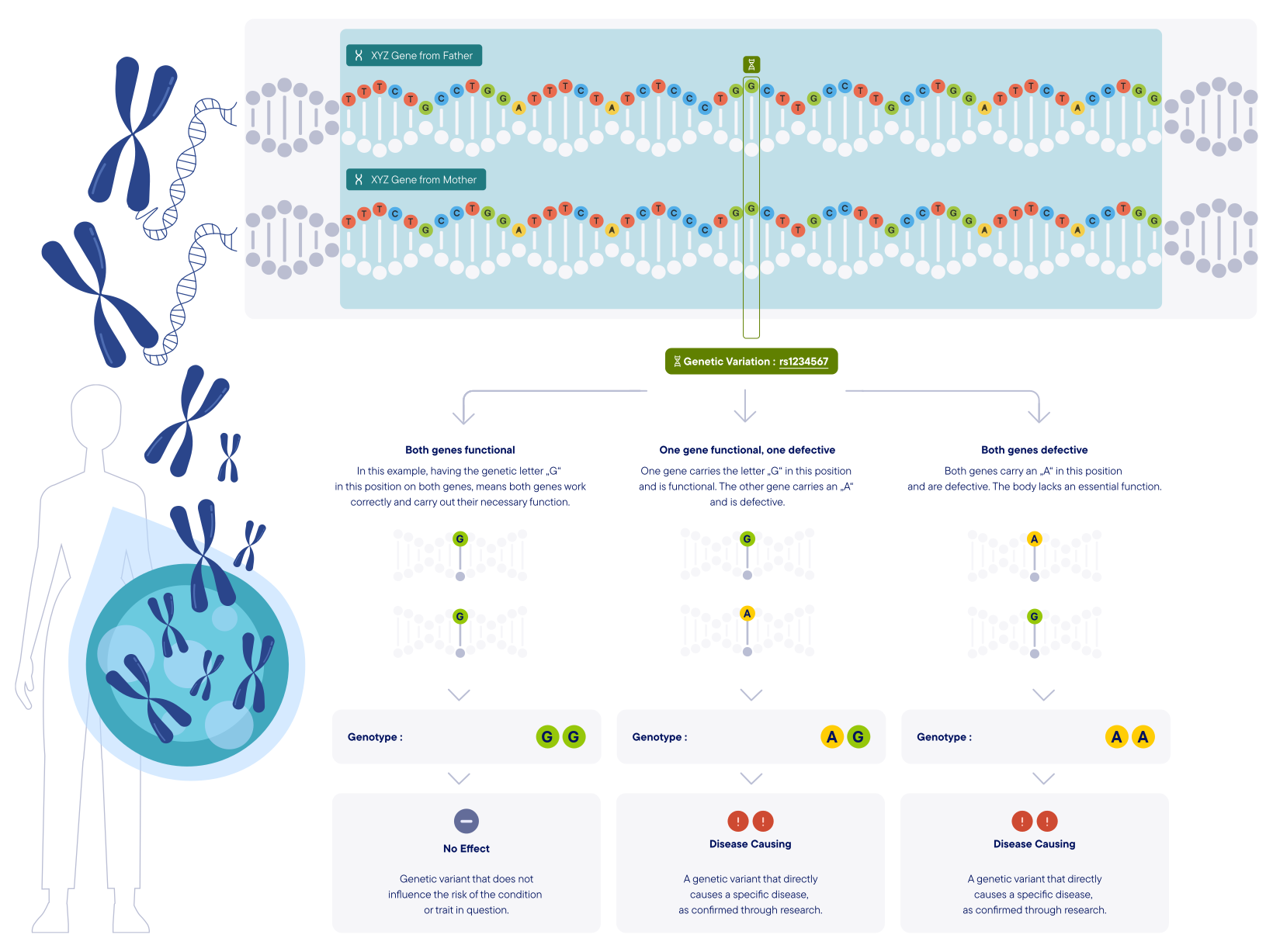
Humans have more than 20,000 genes, each carrying out one or a few specific functions in the body. One gene instructs the body to digest lactose from milk, another tells the body how to build strong bones and another prevents the body's cells from beginning to multiply uncontrollably and developing into cancer. As all of these genes combined are the building instructions for our body, a defect in one of these genes can have severe health consequences.
Through decades of genetic research, we know the genetic code of any healthy/functional human gene. We have also identified that in certain positions on a gene, some individuals may have a different genetic letter from the one you have. We call these hotspots "Genetic Variations" or "Variants" in short. In many cases, studies have been able to show that having the genetic letter "G" in the position makes you healthy, but having the letter "A" in the same position disrupts the gene function and causes a disease. Genopedia allows you to view these variants in genes and summarizes all that we know from scientific research, which genetic letters (Genotype) have good or bad consequences on your health or on your traits.
History
Families and communities once noticed patterns that seemed puzzling at first: a teenager developing velvety dark patches in skin folds, hands and feet appearing broader than expected for age, muscles twitching at night, and later tests showing high insulin levels despite no obvious illness. Relatives might remember an aunt with thickened neck skin and frequent leg cramps, or a cousin whose shoe size increased along with tingling in the fingers. These everyday clues came long before a formal name tied them together.
From early theories to modern research, the story of Acanthosis nigricans–insulin resistance–muscle cramps–acral enlargement syndrome reflects how medicine links visible signs with internal processes. Acanthosis nigricans was described in the 19th and early 20th centuries as a skin change sometimes seen alongside hormonal or metabolic shifts. Separately, doctors recognized that insulin resistance often shows up on the skin and in lab tests before diabetes develops. Muscle cramps were usually treated as a nuisance symptom, and acral enlargement—widening of the hands and feet—was sometimes mistaken for growth or overuse rather than part of a broader pattern.
Over time, careful case reports noted that in some people, these features travel together persistently, sometimes across generations. That raised questions about shared pathways. Earlier labels treated each feature on its own; later summaries grouped them to capture a consistent clinical picture. Early reports called it a constellation rather than a single disease, though the term has gradually shifted toward a named syndrome as more families and unrelated individuals with the same combination were documented.
Advances in genetics helped clarify the biological links. Researchers looked for genes that act like dimmer switches for growth and insulin signaling, which could explain why skin, metabolism, nerves, and the size of the hands and feet are all affected. Studies compared people with long-standing acanthosis nigricans and high insulin levels who also had cramps and acral changes to those who had only one or two features. This helped separate similar conditions—such as acromegaly or thyroid disorders—that can mimic parts of the picture but follow different pathways and need different care.
Not every early description was complete, yet together they built the foundation of today’s knowledge. Some reports emphasized the skin changes; others highlighted early symptoms of muscle cramps or the slow, steady widening of shoes and rings. As medical science evolved, the syndrome became easier to recognize in clinics that could link dermatology notes, metabolic testing, nerve complaints, and subtle changes in bone and soft tissue growth.
Today, the history of this syndrome underscores two lessons. First, visible signs on the skin can be early markers of deeper metabolic changes. Second, naming a pattern helps people get the right evaluations sooner, from glucose and insulin checks to assessments of nerve and musculoskeletal symptoms. Knowing the condition’s history can guide families and clinicians to connect the dots earlier and tailor care to the whole picture rather than to one symptom at a time.