
Acalvaria is a rare congenital condition where the flat bones of the skull vault are missing, but the facial bones and skull base are present. Babies with Acalvaria often have exposed brain tissue and severe neurologic problems. The condition is recognized during pregnancy or at birth and does not improve over time. Sadly, Acalvaria is usually life-limiting, and many affected infants do not survive long after delivery. Care focuses on prenatal diagnosis, counseling, and supportive measures during and after birth.
Overview
AcalvariaSymptoms
Acalvaria is usually recognized on prenatal ultrasound or at birth. Features include absent skull bones over the brain, a soft, unprotected head, and severe brain development problems. Most babies are stillborn or die shortly after delivery.
Outlook and prognosis
Acalvaria is very rare and usually severe. Many pregnancies end before birth, and newborn survival is typically brief because the skull bones that protect the brain are largely absent. Supportive care focuses on comfort for the baby and compassionate guidance for families.
Causes and risk factors
Acalvaria arises very early in pregnancy from disrupted skull development. Most cases appear sporadic, though risks may increase with low folate, uncontrolled diabetes, certain anti-seizure medicines (e.g., valproate), high fever or heat exposure, and teratogens; confirmed genetic causes are rare.
Genetic influences
Genetics appears to play a limited, not clearly defined role in Acalvaria. Most cases seem sporadic, likely tied to early developmental disruptions rather than inherited variants. Rare familial patterns exist, so genetic counseling may be considered, especially after recurrent similar outcomes.
Diagnosis
Doctors suspect acalvaria when prenatal ultrasound shows missing skull bones with preserved facial bones and brain. Fetal MRI or postnatal CT confirms the diagnosis of acalvaria. Genetic tests may be offered to assess related conditions and rule out syndromes.
Treatment and drugs
Care for acalvaria focuses on supporting breathing, protecting the brain, and managing feeding and temperature in neonatal intensive care. Teams may use ventilatory support, careful positioning, and specialized helmets or dressings; surgery is generally not feasible. Families receive compassionate palliative support and counseling.
Symptoms
During pregnancy, routine scans may show that the top of the baby’s skull hasn’t formed as expected. Acalvaria is a rare, severe condition where the skull cap is missing, leaving the brain without its usual bony protection. In medical terms, this is absence of the skull’s top bones; in everyday life, it shows up as a very soft, unprotected head. Prenatal imaging can reveal early features of Acalvaria, and sadly the condition is often life-limiting.
The bones that normally form the top and sides of the head are absent or very underdeveloped. The brain lacks the usual hard protection. This is the main feature of Acalvaria.
Skin and soft tissues may cover the brain, but they are thin and delicate. Without bone and the usual inner lining, the area is extremely vulnerable to injury or infection.
The brain is typically present rather than absent. Its function and structure are at high risk without protective bones and layers. Severe complications are common if the infant survives birth.
The facial bones and the base of the skull often develop normally. This can help distinguish Acalvaria from conditions where large parts of the brain are missing.
How people usually first notice Acalvaria?
Many families first notice something is wrong with a routine prenatal ultrasound, where the baby’s skull bones above the eyes appear absent while facial bones and the lower skull can look formed. These ultrasound findings often lead to more detailed imaging and consultations to confirm acalvaria and to distinguish it from similar conditions. When not identified prenatally, acalvaria is typically recognized at birth by healthcare teams because the top part of the skull is missing, making the first signs of acalvaria immediately visible.
Types of Acalvaria
Acalvaria is a rare congenital condition. There are no widely accepted subtypes or variants defined by a specific gene change or enzyme defect. In medical literature, differences usually reflect how extensive the skull and scalp bone absence is and which brain coverings are present, rather than distinct disease categories. Not everyone will experience every type.
No distinct variants
No distinct types of acalvaria are widely recognized. Reports mainly describe a spectrum of severity rather than separate variants.
What genetics can tell you about symptoms
Some genetic variants disrupting early skull development genes can lead to acalvaria, where the flat bones of the skull vault fail to form while the face and brain tissue initially develop. These variants alter signals that guide bone-forming cells, linking specific gene errors to absent calvarial bones.
Causes and risk factors
The exact cause of Acalvaria is unknown, and it seems to begin very early in pregnancy when the skull bones are forming. Most cases appear sporadic with no family history, and a specific gene change has not been confirmed. Risk factors for Acalvaria are not well defined, but factors linked to neural tube defects may also increase risk. These include low folate around conception, some anti-seizure medicines, poorly controlled diabetes, obesity, and high heat from fever or hot tubs early in pregnancy. Doctors distinguish between risk factors you can change and those you can’t, like folate intake, medication planning with your clinician, and diabetes control before pregnancy.
Environmental and biological risk factors
Acalvaria is a very rare congenital condition in which the bones of the skull cap do not form, even though the brain and face may be present. Research into environmental risk factors for acalvaria is limited, but influences that disturb very early head development may increase the chance it occurs. That said, biology and environment work hand in hand.
During weeks 4–8 of pregnancy, the soft tissue that should harden into the skull cap can fail to form properly. This early developmental error is a biological driver of acalvaria.
Preexisting diabetes before pregnancy is linked to higher rates of severe brain and skull malformations. While not specific to acalvaria, this maternal condition can raise the baseline risk of early cranial development problems.
A sustained high body temperature in the first month after conception has been associated with neural tube and skull development problems. Heat stress during this critical time may add risk for rare outcomes like acalvaria.
Exposure to certain vitamin A-based medicines early in pregnancy is known to cause severe skull and brain defects. Such drug exposures are considered environmental risk factors for acalvaria, even though the condition itself is very rare.
Genetic risk factors
Genetics in Acalvaria are not well defined. Most reports describe isolated, one-time cases with no family history, and no single gene has been confirmed. Science continues to uncover how these elements interact, so current evidence points to limited and uncertain genetic causes of Acalvaria.

No single gene: No specific gene has been proven to cause Acalvaria. Most published cases show no identifiable genetic variant on standard testing.
Sporadic occurrence: Acalvaria most often appears as a one-time event in a family. Siblings and parents typically do not have the condition.
Low recurrence risk: When Acalvaria happens without other anomalies, the chance of it happening again in a future pregnancy appears low. Genetic counselors may still discuss a small background risk.
Chromosome testing results: Chromosome testing is frequently normal in Acalvaria. Rare, isolated reports of changes exist, but no consistent chromosomal pattern has been found.
Syndromic links rare: Acalvaria is usually isolated rather than part of a known genetic syndrome. If other features are present, clinicians may consider broader genetic evaluation.
Research continues: Studies focus on early head development pathways relevant to skull bone formation. To date, no reliable genetic screen predicts who will develop Acalvaria.
Lifestyle risk factors
Acalvaria is a congenital condition present from early development; lifestyle habits do not cause it. However, how lifestyle affects Acalvaria relates to pregnancy care, delivery planning, and the newborn’s comfort-focused management. Below are practical areas where habits and choices can influence complications, care coordination, and parental wellbeing, even though they do not change the diagnosis. In other words, there are no lifestyle risk factors for Acalvaria that create the condition, but certain behaviors can affect outcomes around the pregnancy and birth.
Regular prenatal visits and recommended ultrasounds enable early confirmation and detailed planning for delivery in acalvaria. This can reduce maternal complications and improve coordination of palliative or neonatal comfort care.
Choosing a hospital with high-risk obstetrics and neonatal teams supports safe delivery and immediate comfort measures for a baby with acalvaria. Advance birth plans can reduce emergency decisions and stress for parents.
Avoiding alcohol, tobacco, and non-prescribed drugs lowers risks of preterm birth and growth restriction that can worsen the newborn’s fragility in acalvaria. It also reduces maternal complications during pregnancy and delivery.
Balanced nutrition and prenatal vitamins (including folate) support maternal health and placental function but do not prevent or treat acalvaria. Good nutrition can help the mother tolerate pregnancy and potential delivery blood loss better.
Risk prevention
Acalvaria is a rare congenital skull-development condition, so there’s no proven way to fully prevent it. Most efforts focus on lowering general risks for serious cranial malformations and finding problems early in pregnancy so families can plan care. Prevention is about lowering risk, not eliminating it completely. The steps below emphasize preconception health, safer medications, and timely prenatal imaging to spot early signs of acalvaria on ultrasound.
Take a prenatal vitamin with 400–800 micrograms (0.4–0.8 mg) of folic acid before conception and through early pregnancy. If you’ve had a prior neural tube defect pregnancy, your doctor may recommend 4 mg (4,000 micrograms) daily before and during early pregnancy.
Before trying to conceive, review all prescriptions and supplements with your clinician to avoid known pregnancy teratogens. Some seizure, acne, or blood-pressure medicines may need safer alternatives well ahead of pregnancy.
Optimize diabetes, thyroid disease, obesity, and seizure disorders before pregnancy to support healthy fetal development. Good control in the first trimester is especially important for organ and skull formation.
Book care as soon as pregnancy is confirmed to time folic acid, labs, and scans correctly. First-trimester visits help identify risks and coordinate specialist input if needed.

Transmission
Acalvaria is not infectious and cannot be caught or passed between people. It is a congenital condition that develops very early in pregnancy, when the skull bones do not form as they should. There is no clear pattern for how Acalvaria is inherited; most cases are isolated and not linked to a family history. Because genetic transmission of Acalvaria has not been shown, reported recurrences in the same family are uncommon, and a prenatal genetics consult can help clarify individual risk.
When to test your genes
Consider genetic testing if you have a prior pregnancy affected by acalvaria, ultrasound findings suggesting severe skull bone absence, or a known family history of related cranial development disorders. Testing can clarify recurrence risk, guide prenatal care, and coordinate delivery at a high-resource center. A genetics consult helps choose the right test and timing.
Diagnosis
During pregnancy, providers usually spot clues on routine scans and then look closer with targeted imaging. Early and accurate diagnosis can help you plan ahead with confidence. The diagnosis of Acalvaria relies on recognizing a missing skull cap while the facial bones and brain tissue are present, then confirming those findings with imaging. After birth, the newborn exam and skull imaging typically make the picture clear.
Sonographers look for a missing skull cap with the face and brain structures still visible. Repeat scans help confirm that the skull bones are not forming over time. This is often the first step in the diagnosis of Acalvaria.
3D views can outline the head shape and scalp more clearly than standard 2D images. This helps distinguish Acalvaria from related conditions and supports counseling during pregnancy.
MRI offers detailed views of the brain and soft tissues when ultrasound is limited. It can confirm intact brain tissue beneath an absent skull vault and assess brain development in Acalvaria.
Elevated alpha‑fetoprotein (AFP) can suggest an open cranial defect. This blood test is not specific, but it adds supportive information alongside imaging.
Stages of Acalvaria
Acalvaria does not have defined progression stages. It is a structural difference present before birth that does not change over time; it’s typically recognized during pregnancy or at delivery. Different tests may be suggested to help confirm the finding and tell it apart from similar conditions seen on prenatal scans. There are no early symptoms of Acalvaria for the pregnant person; diagnosis usually relies on detailed ultrasound, sometimes fetal MRI, and, if needed, a newborn exam with imaging.
Outlook and prognosis
Looking at the long-term picture can be helpful. For most people with acalvaria, the outlook is unfortunately very limited. Because the skull bones are missing while the brain and skin are present, the unprotected brain is extremely vulnerable. Many pregnancies end in loss, and most newborns with acalvaria die shortly after birth despite intensive support. Survival beyond the first days is rare in published reports.
When acalvaria is suspected on prenatal ultrasound, early care can make a real difference by allowing families to plan delivery at a center with neonatal and palliative specialists. This planning focuses on comfort care and family wishes, since curative surgery is not currently possible. If a baby survives hours to days, feeding, breathing support, and pain control are tailored to comfort. Families often want to know how life will change in future pregnancies; the condition is usually sporadic, and recurrence risk is thought to be low, though exact numbers are uncertain.
Understanding the prognosis can guide planning and help families make decisions that align with their values. Grief support, bereavement resources, and genetic counseling are commonly offered, and many caregivers find hope in creating memories and rituals around birth. If you’re weighing options after a prenatal diagnosis, ask about early symptoms of acalvaria that can be seen on ultrasound, delivery planning, and available supports. Talk with your doctor about what your personal outlook might look like, and whether additional imaging or genetic testing could clarify risks for future pregnancies.
Long-term effects
For acalvaria, the outlook is extremely poor, with most babies not surviving beyond the newborn period. Doctors often describe these as long-term effects or chronic outcomes. In the rare reports of survival, profound developmental disability and ongoing medical needs are expected. Early signs of acalvaria on prenatal ultrasound usually indicate a very limited life expectancy.
Most affected newborns do not survive past hours to days. When survival occurs, it is exceptional and usually accompanied by severe complications.
Survivors commonly have severe global developmental delay. This includes limited mobility, minimal communication, and dependence for all daily activities.
Irregular or weak breathing can occur from fragile brain structures and brainstem involvement. This may lead to frequent pauses or low oxygen episodes over time.
Difficulty coordinating sucking and swallowing is common. Poor feeding can lead to inadequate growth and aspiration episodes.
How is it to live with Acalvaria?
Living with acalvaria involves intensive medical care from birth, since the skull bones that normally protect the brain are largely absent; most babies face life-threatening complications, and many do not survive long after delivery. For families, this can mean preparing for complex decisions quickly, focusing on comfort care, and coordinating closely with neonatology, neurology, and palliative care teams. Loved ones often experience profound emotional strain alongside practical challenges like hospital stays and navigating support services, and many find counseling, peer support, and bereavement resources helpful.
Treatment and drugs
Treatment for acalvaria focuses on supportive care, because there is currently no way to rebuild the missing skull bones before birth. Newborns with acalvaria usually need care in a neonatal intensive care unit, with careful protection of the unprotected brain, breathing support if needed, and close monitoring for seizures or feeding difficulties. Supportive care can make a real difference in how you feel day to day. Doctors may use medicines to manage seizures and pain, and gentle positioning, specialized head protection, and infection prevention are central parts of care. Sadly, acalvaria is often life-limiting; when survival is possible, care teams work with families on comfort-focused plans and on coordinating therapies to support feeding, breathing, and development as safely as possible.
Non-drug treatment
Care for a pregnancy affected by Acalvaria centers on planning, protection, and family support. Beyond prescriptions, supportive therapies can help families prepare for delivery and focus on comfort-centered care. Many plans begin after prenatal diagnosis of acalvaria on ultrasound, with discussions tailored to the findings. Options vary by gestational age and the family’s goals.
Specialists explain what Acalvaria means, likely outcomes, and care pathways. Conversations focus on safety, parental preferences, and what to expect before, during, and after birth.
Teams plan the place, timing, and method of birth to reduce trauma to the baby’s head. This can include arranging a quiet room, gentle handling, and immediate protective measures.
Soft, sterile coverings shield exposed tissues right after birth. Care teams minimize pressure on the head and keep the baby warm and comfortable.
Non-invasive oxygen and careful positioning can ease breathing if needed. Assisted feeding or short, frequent feeds help with energy and comfort.
Your genes may have an impact on how drugs work for you
Even when two people share the same diagnosis, their bodies can process medicines differently because genes affect how fast drugs are broken down or how strongly they bind to targets. For acalvaria, genetics may guide dosing, drug choice, and safety monitoring to minimize side effects.
Pharmacological treatments
There’s no medicine that can rebuild the missing skull bones in acalvaria. Medications focus on comfort, seizure control, and managing complications around birth; medications for acalvaria in newborns are supportive rather than disease‑modifying. Doctors adjust treatment plans regularly to match the baby’s needs and the family’s goals. Specific choices vary by the baby’s condition and the care setting.
Morphine or fentanyl may be used for gentle pain control. In acalvaria, comfort-focused care often uses low doses with close monitoring. The goal is to ease distress without heavy sedation.
Midazolam or dexmedetomidine can ease agitation and help during care procedures. Teams use the lowest effective dose to keep the baby calm and comfortable.
Levetiracetam is commonly tried first, with phenobarbital as another option. In acalvaria, seizure medicines are chosen for effectiveness and safety in newborns.
If exposed tissues are at risk, antibiotics such as ampicillin plus gentamicin may be started. Cultures can guide changes if needed to cover the likely germs.
Genetic influences
In acalvaria, current evidence suggests most cases occur sporadically rather than being inherited within a family. It’s natural to ask whether family history plays a role. Families often ask about the genetic causes of acalvaria, but no single gene has been identified, and standard genetic tests rarely pinpoint a cause; testing may still be offered to check for chromosome changes or a broader syndrome. The leading idea is that acalvaria stems from an early disruption in skull development in the embryo—more of a disturbance in how tissues form than a classic gene-driven disorder. Because a consistent genetic cause hasn’t been found, the chance of acalvaria happening again in a future pregnancy seems low overall, though exact recurrence risk is uncertain and is best reviewed with a genetics professional.
Is Acalvaria genetic?
Genetics appears to play a limited, not clearly defined role in Acalvaria. Most cases seem sporadic, likely tied to early developmental disruptions rather than inherited variants. Rare familial patterns exist, so genetic counseling may be considered, especially after recurrent similar outcomes.
Pharmacogenetics—how genetics influence drug effects
Treatment for acalvaria mainly involves supportive medications like pain relief, sedation, seizure control, and medicines used around delivery or if a procedure is considered. Genes can influence how quickly you process certain pain relievers, sedatives, or anti‑seizure medicines, which can change how well they work and the risk of side effects. In day‑to‑day care, clinicians start with age- and weight‑based dosing and check liver and kidney function, especially for newborns; if pharmacogenetic information is available, it may help fine‑tune the drug choice or dose. Differences in drug‑metabolizing enzymes can make some opioids or seizure medicines too strong or too weak, so a different medicine or a lower dose may be safer. Pharmacogenetic testing for acalvaria care isn’t routine, but it may be considered if there are unusual reactions to medicines or when longer‑term treatment is needed. Other factors—overall health, other medications, and timing around birth—also play a major role in medication response in acalvaria.
Interactions with other conditions
In pregnancy, acalvaria often appears alongside other structural differences, especially in the head, spine, or limbs. It can be seen as part of broader patterns like amniotic band sequence or limb–body wall complex, so prenatal diagnosis of acalvaria usually prompts a detailed scan to look for additional findings. Doctors call it a “comorbidity” when two conditions occur together. When acalvaria is identified, teams also assess the heart and kidneys and may discuss genetic testing; most cases have normal chromosomes, but checking helps guide counseling and future planning. Maternal factors linked with neural tube–related conditions—such as preexisting diabetes, certain anti-seizure medicines, and low folate intake—are reviewed because they can influence risk in future pregnancies. Because acalvaria is usually very severe, interactions with other diseases after birth are uncommon; the focus is on coordinated prenatal care, supportive counseling, and planning.
How genes can cause diseases
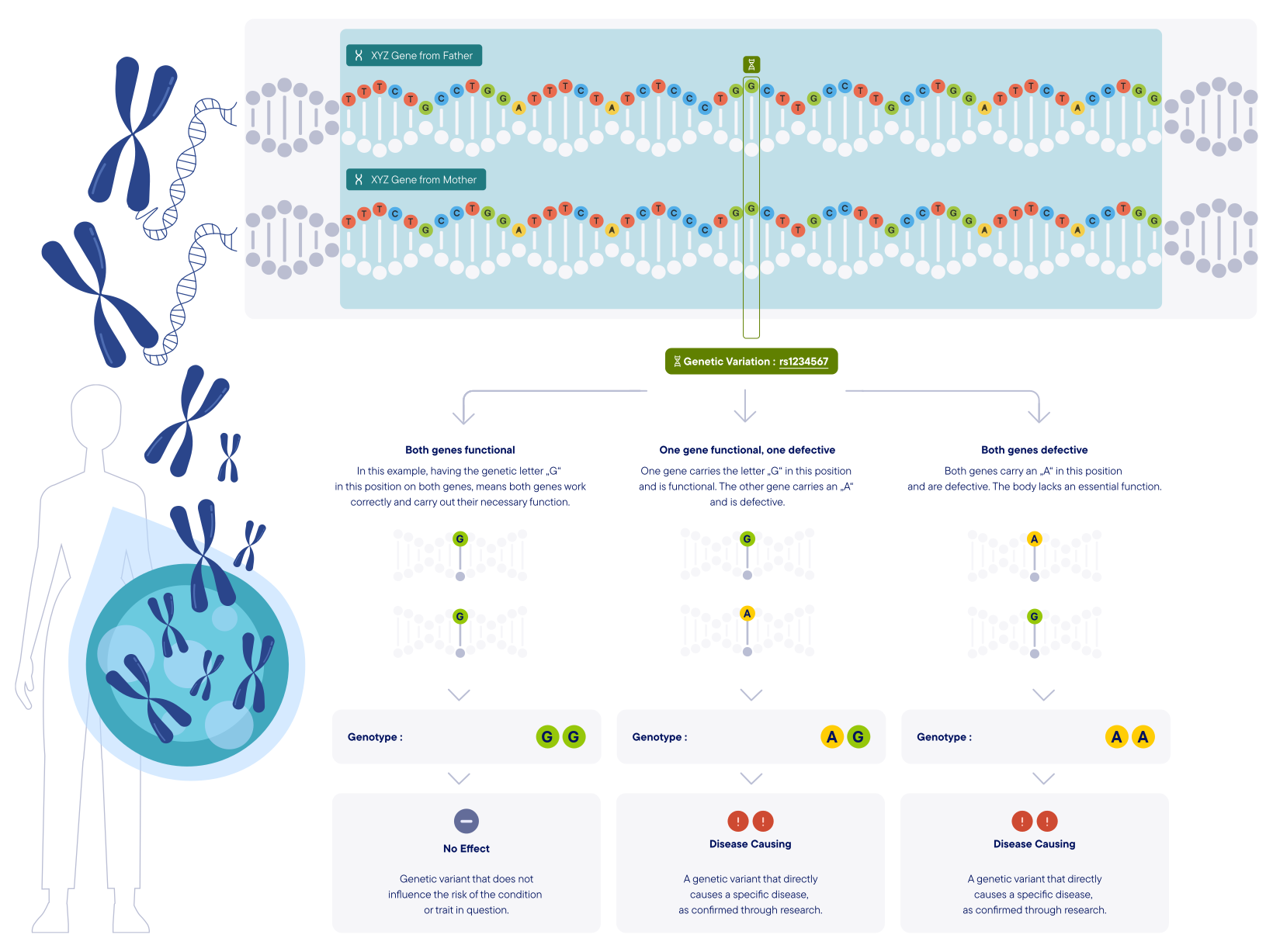
Humans have more than 20,000 genes, each carrying out one or a few specific functions in the body. One gene instructs the body to digest lactose from milk, another tells the body how to build strong bones and another prevents the body's cells from beginning to multiply uncontrollably and developing into cancer. As all of these genes combined are the building instructions for our body, a defect in one of these genes can have severe health consequences.
Through decades of genetic research, we know the genetic code of any healthy/functional human gene. We have also identified that in certain positions on a gene, some individuals may have a different genetic letter from the one you have. We call these hotspots "Genetic Variations" or "Variants" in short. In many cases, studies have been able to show that having the genetic letter "G" in the position makes you healthy, but having the letter "A" in the same position disrupts the gene function and causes a disease. Genopedia allows you to view these variants in genes and summarizes all that we know from scientific research, which genetic letters (Genotype) have good or bad consequences on your health or on your traits.
History
Throughout history, people have described newborns with severe skull differences, sometimes in brief notes from midwives or physicians who witnessed rare, tragic deliveries. Families and communities once noticed patterns of difficult labors and babies who did not survive long, without a clear name or explanation for what had happened. Early medical case books recorded appearances after birth, but details were sparse and mixed with other conditions that also affect the skull, which made it hard to separate one diagnosis from another.
First described in the medical literature as a distinct absence of the skull bones with preserved facial bones and brain tissue covered only by skin, acalvaria gradually became recognized as different from related conditions like anencephaly or severe cranial defects. Initially understood only through symptoms, later reports began to note features seen by clinicians during examination—such as missing calvarial bones but an intact skull base—which helped refine what doctors meant by acalvaria. Over time, descriptions became more consistent as specialists compared cases and clarified the boundaries between overlapping diagnoses.
The biggest shift came with modern prenatal imaging. In the late 20th century, ultrasound allowed doctors to see the developing skull in utero, making it possible to identify acalvaria during pregnancy rather than only at birth. As medical science evolved, detailed ultrasound views, followed by fetal MRI in selected cases, showed the specific pattern of absent skull vault bones with relatively preserved brain shape early in development. These tools also revealed how early symptoms of acalvaria might appear on scans—such as missing cranial bone shadows—while distinguishing it from other neural tube–related conditions.
Advances in genetics improved background knowledge about how the head forms, though acalvaria itself is usually sporadic, with no single genetic cause identified. Researchers explored developmental pathways that guide skull bone formation and closure, learning that small disruptions at critical time points can lead to large structural differences. Current studies build on a long tradition of observation, linking careful anatomical reports from past centuries with today’s imaging and developmental biology.
Not every early description was complete, yet together they built the foundation of today’s knowledge. Clinicians now discuss acalvaria with clearer language, standardized imaging criteria, and better counseling for families. While the condition remains rare and serious, its history reflects steady progress—from scattered, heartbreaking case notes to precise prenatal recognition and compassionate, informed care.