
Absence epilepsy is a type of seizure disorder that causes brief staring spells and lapses in awareness. These seizures often start in childhood and can happen many times a day, but each one is short. Many people with absence epilepsy have no warning, and teachers or family may notice episodes first. Treatment usually includes daily antiseizure medicines, and many children outgrow absence epilepsy in the teen years. The condition is not typically life-threatening, but uncontrolled seizures can affect learning and safety, so regular follow-up matters.
Overview
Absence epilepsySymptoms
Absence epilepsy causes brief staring spells where someone suddenly stops, doesn’t respond, and may blink or lip-smack, then quickly resumes with no memory. Episodes last seconds, can recur many times daily, affecting attention, learning, and safety.
Outlook and prognosis
Most children with absence epilepsy respond well to daily anti-seizure medicine and outgrow the spells in adolescence. Learning and attention challenges can happen, especially with frequent episodes, but school supports help. Long-term seizures or injuries are uncommon with good control.
Causes and risk factors
Absence epilepsy usually reflects a mix of inherited susceptibility and brain network differences. Risk rises with family history, childhood onset (especially ages 4–10) and female sex. Triggers like hyperventilation, sleep loss, fever, or flashing lights can provoke episodes.
Genetic influences
Genetics plays a meaningful role in absence epilepsy. Many people have inherited susceptibilities, often involving multiple genes that affect brain networks and electrical rhythms. Family history raises risk, but genes don’t determine destiny—environment and age also influence who develops seizures.
Diagnosis
Doctors diagnose absence epilepsy from a history of brief staring spells, often triggered by rapid breathing in clinic. An EEG records typical brain-wave changes during an event. Brain imaging and blood tests help rule out causes when features are unusual.
Treatment and drugs
Treatment for absence epilepsy focuses on daily anti-seizure medicines that reduce brief staring spells and help concentration and safety at school, work, and play. Doctors often use ethosuximide first; valproate or lamotrigine are alternatives. Regular follow-up and EEGs guide dose adjustments and long-term planning.
Symptoms
Brief lapses in awareness can interrupt conversation, schoolwork, or play, then end within seconds. Early on, this might look like a child or teen stopping mid-sentence to stare, then blinking and picking up where they left off. These early symptoms of absence epilepsy are easy to miss because there’s no shaking, no fall, and recovery is immediate. Episodes often happen many times a day and may be mistaken for daydreaming or attention problems.
Short episodes of blank staring last about 5 to 20 seconds. The person seems awake but checked out.
Speaking can suddenly stop mid-sentence and resume right after the spell. This pattern is common in absence epilepsy.
During a spell, they may not answer when called or tapped on the arm. This lack of response sets it apart from ordinary daydreaming.
Rapid blinking or a brief upward eye roll can happen with the staring. These small eye movements are subtle and easy to miss.
How people usually first notice Absence epilepsy?
Many families first notice absence epilepsy when a child seems to “blank out” for a few seconds, staring into space and not responding, then snaps back as if nothing happened. Teachers may flag frequent, brief spells during class that look like daydreaming, sometimes with subtle signs like eyelid fluttering, small mouth movements, or a pause in speech, which are often the first signs of absence epilepsy. These episodes can happen many times a day and are easy to miss at first, leading caregivers to seek evaluation when attention or school performance is affected.
Types of Absence epilepsy
Absence epilepsy has a few well-recognized types that differ by age of onset, seizure features, and how easily they respond to medicine. People with absence seizures often have very brief staring spells that interrupt what they’re doing, then snap back within seconds. Daily life often makes the differences between symptom types clearer. Knowing the main types of absence epilepsy can help you and your clinician discuss treatment and track early symptoms of absence epilepsy.
Childhood absence epilepsy
Starts most often between ages 4–10. Brief staring spells happen many times a day and may include subtle eyelid flutter or small mouth movements. Many children outgrow seizures in adolescence and respond well to treatment.
Juvenile absence epilepsy
Begins later, usually around ages 10–17. Absence seizures occur less often than in childhood absence epilepsy but can be longer, and generalized tonic–clonic seizures are more likely. Lifelong treatment may be needed in some people.
Atypical absences
Seizures are longer and start and stop more gradually. They often occur in children with developmental or learning differences and may include more noticeable muscle tone changes. Treatment can be more challenging and often needs a combination of medicines.
Absence with eyelid myoclonia
Brief absences come with rapid eyelid jerks, sometimes triggered by light or eye closure. People may notice sensitivity to flickering lights or patterns. Management often includes avoiding triggers and specific anti-seizure medicines.
Myoclonic absence epilepsy
Absence seizures are paired with rhythmic arm or body jerks. Episodes are usually longer than typical absences and can cluster. This variant of absence epilepsy may require specialized medication plans.
What genetics can tell you about symptoms
Certain changes in genes that help brain cells send signals, like GABRG2 or CACNA1H, can make the brain’s “pause” circuits misfire, leading to brief staring spells and sudden lapses in awareness. Variants in these genes may also raise sensitivity to flashing lights and cause quick eyelid fluttering.
Causes and risk factors
In absence epilepsy, genetic susceptibility influences how brain circuits fire.
Genes set the stage, but environment and lifestyle often decide how the story unfolds.
Family history is a key risk factor for absence epilepsy, and it often starts in childhood or early teens.
Triggers can include hyperventilation, sleep loss, stress, and illness or fever.
Good sleep and stress management may reduce episodes, but age and genetics cannot be changed.
Environmental and biological risk factors
Absence epilepsy often shows up as brief staring spells that interrupt school or play. While it has strong biological roots, certain environments and body states can raise the chance it appears or is unmasked. Doctors often group risks into internal (biological) and external (environmental). Below are environmental and biological risk factors for absence epilepsy to keep on your radar.
Brain networks that control awareness are still maturing in early school years. This is the window when absence epilepsy most often begins. That developmental stage may make brief lapses more likely in susceptible children.
Girls are affected a bit more often than boys in this condition. Biological differences in brain network excitability and hormones may contribute.
Fast, deep breathing lowers carbon dioxide in the blood and can trigger typical staring spells in people with absence epilepsy. Everyday deep‑breathing tasks, like blowing steadily during a clinic test, may bring on an episode. This does not cause the condition by itself but can unmask an underlying tendency.
In some children, the communication loop between the brain’s surface and deep relay centers is unusually easy to synchronize. This biological sensitivity lowers the threshold for brief lapses in awareness.
Genetic risk factors
Genetics plays a central role in many cases of Absence epilepsy, but for most people it isn’t due to a single gene. Researchers have identified several genetic causes of absence epilepsy and broader generalized epilepsies, alongside many small DNA differences that add up. Some people carry rare single-gene changes or chromosome alterations that raise susceptibility. Risk is not destiny—it varies widely between individuals.

Family history: Having a close relative with absence epilepsy or another generalized epilepsy increases your chance. Studies show siblings and children have higher risk than the general population. The pattern is usually complex rather than single-gene inheritance.
Polygenic risk: Multiple common gene differences each have small effects but together can raise susceptibility to absence epilepsy. No single variant explains most cases. Polygenic scores are research tools and not used in routine care.
GABA receptor genes: Changes in genes that shape inhibitory brain signals, such as GABRG2, GABRA1, or GABRB3, have been reported in some families with absence epilepsy. These variants may reduce braking signals between nerve cells. Not everyone with these changes will have seizures.
Calcium channel genes: Variants in T-type calcium channel genes, including CACNA1H, can influence the brain rhythms involved in absence seizures. Evidence varies across studies and effects are usually modest. These are considered susceptibility rather than deterministic changes.
SLC2A1 gene: Rare harmful variants in SLC2A1 can cause a condition where absence seizures are prominent. This gene helps transport glucose into the brain, and reduced function can trigger generalized seizures. Such single-gene causes are uncommon overall.
Chromosome changes: Copy-number changes like 15q13.3 microdeletion, 15q11.2 deletion, or 16p13.11 duplication are linked with generalized epilepsies, including absence epilepsy. These alter multiple genes at once and can raise risk. Many people who carry these changes never develop seizures.
CHD2 and others: New (de novo) variants in CHD2 and a few related genes can include absence seizures as part of a broader epilepsy picture. These are rare but may be found when genetic testing is done. Effects vary widely across individuals.
Inheritance pattern: Most absence epilepsy reflects complex inheritance rather than a simple dominant or recessive pattern. Risk is shared across many genes and modified by other biological factors. This helps explain why relatives can be affected differently.
Syndrome subtypes: Childhood and juvenile absence epilepsy likely share many genetic influences with each other and with other generalized epilepsies. Subtle differences in variant patterns may exist across subtypes. Research is ongoing to map these links.
Lifestyle risk factors
Lifestyle habits do not cause absence epilepsy, but they can influence how often seizures occur and how disruptive they are. People often ask about lifestyle risk factors for Absence epilepsy; the key is identifying daily patterns that lower the seizure threshold and adjusting them. Thoughtful routines around sleep, meals, stress, and screens can meaningfully affect seizure control and safety.
Irregular or short sleep can increase absence seizure frequency by making the brain more excitable. A consistent bedtime and wake time often reduces events and improves medication effectiveness.
Missed or late doses commonly lead to breakthrough absence seizures. Using pill boxes, alarms, and pairing doses with daily habits helps keep levels steady.
Skipping meals or large sugar swings can lower the seizure threshold in some people. Regular, balanced meals help stabilize glucose and may reduce absence episodes.
Stress can trigger hyperventilation and increase absence seizures. Relaxation training, paced breathing, and counseling can lower physiologic arousal and seizure risk.
Risk prevention
Absence epilepsy isn’t usually preventable, but you can lower the chance of seizures and reduce their impact with steady habits and support. Prevention is about lowering risk, not eliminating it completely. Staying on the right treatment, avoiding known triggers like over-breathing, and getting enough sleep often make a real difference. Plans at school and regular check-ins with your clinician help keep life predictable and safe.
Taking anti-seizure medicine exactly as prescribed is the most effective way to prevent absence seizures. Set reminders and refill on time to avoid missed doses.
Short or irregular sleep can trigger seizures in absence epilepsy. Aim for a consistent bedtime and wake time, even on weekends.
Fast, deep breathing can bring on absence seizures in many children. Encourage calm, normal breathing during exercise, stress, or play.
Fever and infections can lower seizure thresholds. Treat fevers, keep up with routine vaccines, and call your clinician if seizures cluster during illness.

Transmission
Absence epilepsy is not contagious, so you can’t catch it from someone else. It doesn’t spread through touch, coughing or sneezing, sex, breastfeeding, blood, or shared items.
Some people have an inherited tendency, and the genetic transmission of Absence epilepsy is usually complex—many genes each play a small role—so having a parent or sibling with absence or related types of epilepsy raises the chance a little, but most children never develop seizures. New genetic changes can also appear for the first time in a child with no family history, which is why it may show up unexpectedly.
When to test your genes
Consider genetic testing if seizures began in childhood, you have a strong family history of absence epilepsy or related generalized epilepsies, or seizures persist despite standard medicines. Results can confirm the subtype, guide medication choices, and inform recurrence risks for relatives. Discuss timing with a neurologist or genetic counselor before testing.
Diagnosis
Absence epilepsy is often picked up when brief “staring spells” start disrupting school, work, or conversations. Doctors usually begin by listening closely to what the spells look like and how often they happen. The diagnosis of absence epilepsy relies on this story together with specific brain-wave testing to confirm the pattern.
Brief lapses in awareness with sudden stopping mid-sentence or mid-activity are key clues. These spells typically last 5–15 seconds and end as quickly as they start. People often resume where they left off without confusion.
Family, teachers, or coworkers who see the episodes can describe blank staring, stillness, and subtle blinking or lip movements. Loved ones often play a key role in sharing observations with doctors. Videos captured on a phone can be very helpful.
A standard exam is usually normal between episodes. This helps separate absence epilepsy from conditions that affect strength, sensation, or coordination.
An electroencephalogram (EEG) looks for a characteristic generalized spike-and-wave pattern. This brain-wave signature supports the diagnosis of absence epilepsy. It can also help distinguish absence seizures from focal impaired-awareness seizures.
Stages of Absence epilepsy
Absence epilepsy does not have defined progression stages. Seizures happen in brief episodes that come and go, and the condition is tracked by seizure patterns and brain-wave tests rather than a stepwise decline. Doctors usually start with a conversation about brief staring spells or lapses in awareness—often the early symptoms of absence epilepsy—followed by an exam and an EEG (a brain-wave test), sometimes with hyperventilation to bring out typical patterns. Monitoring typically includes keeping a seizure diary, adjusting treatment based on frequency and school or work impact, and repeat EEGs if needed.
Outlook and prognosis
For many living with absence epilepsy, school, work, and daily routines can continue with some planning and support. Many people find that symptoms come in brief “blank-out” spells that stop on their own, but they can disrupt concentration or safety if they happen often, like during class, crossing a street, or riding a bike. With treatment, most children have good control of these seizures, and many outgrow them in adolescence. Doctors call this the prognosis—a medical word for likely outcomes.
Looking at the long-term picture can be helpful. In childhood absence epilepsy, seizure control is achieved in a large majority with the right medicine, and long-term learning and memory are usually strong when early symptoms of absence epilepsy are recognized and addressed quickly. Some people experience rare, short episodes a few times a week, while others notice more frequent events that need medication changes. Mortality directly from absence epilepsy is low, and the risk of sudden unexpected death in epilepsy (SUDEP) appears much lower than in other seizure types, especially when seizures are well controlled.
Over time, most people see fewer seizures, and many can taper medication under medical guidance after several years without episodes. A smaller group will continue to have absence seizures into adulthood or develop other seizure types, so regular follow-up matters. The future may look uncertain now, but staying on treatment, getting enough sleep, and addressing triggers like missed doses often keep seizures at bay. Talk with your doctor about what your personal outlook might look like.
Long-term effects
Absence epilepsy often starts in childhood and, for many, the long-term outlook is good. A large share of children become seizure‑free as they grow, though some continue to have brief staring spells into the teen years or adulthood. Long-term effects vary widely, and doctors may track changes over years to see who remains seizure‑free and who needs continued treatment. The goal is steady control with the fewest side effects so daily life—school, work, and independence—stays on track.
Many children outgrow seizures during adolescence. Some need medicine only for a few years. A smaller group continues to have episodes into adulthood.
A minority later develop other generalized seizures, like convulsions. Care teams watch for new patterns over time. Treatment plans adjust if seizure types change.
Brief lapses can disrupt focus and short-term memory. Over time this may lead to gaps in learning if not recognized. Extra supports at school often help.
Early symptoms of absence epilepsy may be mistaken for daydreaming, which can delay support. Missed bits of instruction can add up over months or years. Catch-up strategies and accommodations can reduce long-term impact.
How is it to live with Absence epilepsy?
Living with absence epilepsy often means brief, sudden “pauses” in awareness that can interrupt a sentence, a classroom lesson, or a task, then resolve within seconds with no memory of what was missed. For many, this affects school or work performance, safety around water or traffic, and confidence in social situations, especially if episodes are frequent. People around you may first notice staring spells or lapses in response and can feel worried or frustrated until they understand these are seizures, not inattention. With treatment, predictable routines, and support at school, work, and home, many living with absence epilepsy lead active, independent lives while minimizing risks.
Treatment and drugs
Absence epilepsy is usually treated with daily medication to prevent the brief staring spells from interrupting school, work, and everyday life. The most commonly used medicines are ethosuximide and valproate; lamotrigine is another option, especially if side effects or other health factors make the first choices less suitable. A doctor may adjust your dose to balance benefits and side effects, and it can take a few weeks to see steady control. Alongside medical treatment, lifestyle choices play a role, including getting enough sleep, taking medicines on schedule, and avoiding known triggers like flashing lights for those who are sensitive. Although living with absence epilepsy can feel overwhelming, many people manage their symptoms and live fulfilling lives.
Non-drug treatment
Brief staring spells can interrupt school, conversations, or play, which is why practical, non-drug steps matter for daily life with absence epilepsy. Alongside medicines, non-drug therapies can improve control, safety, and confidence. These approaches also help families and teachers recognize early symptoms of absence epilepsy and respond calmly. Most people combine several options and adjust over time as needs change.
Keeping a steady sleep schedule lowers seizure risk. Aim for consistent bedtimes and wake times, including weekends. Even small changes can lead to steadier days.
Avoid deliberate rapid breathing, since hyperventilation can trigger episodes. Limit flickering lights and take breaks during intense visual media. Treat fevers promptly and plan extra rest during illness.
A medically supervised high‑fat, very low‑carb diet can reduce seizures in some children. Dieticians adjust meals and monitor growth, nutrients, and side effects. Ask your doctor which non-drug options might be most effective before starting any diet.
A small implanted device sends gentle pulses to help reduce seizures. Care teams program it and may give a magnet to trigger extra stimulation during an episode. You may need to try more than one strategy to notice benefits.
Your genes may have an impact on how drugs work for you
Two people can take the same absence epilepsy medicine yet respond differently because gene variants affect how the body absorbs, breaks down, and clears the drug. Genetics can guide dose adjustments and alternative choices to improve seizure control and reduce side effects.
Pharmacological treatments
Medicines for absence epilepsy aim to stop the brief “blanking out” spells so school, work, and everyday safety feel more predictable. Even when early symptoms of absence epilepsy seem mild, steady treatment can prevent frequent lapses that add up over the day. First-line medications are those doctors usually try first, based on strong evidence and safety in most people. Choices can also depend on age, other seizure types, and pregnancy plans or contraception needs.
Often the first choice for typical absence seizures and works well for many. Common effects include stomach upset, nausea, or tiredness, which often improve over time. Rarely, blood count or mood changes occur, so your clinician may monitor periodically.
Helpful if absence seizures occur alongside other generalized seizures like convulsions. Possible effects include weight gain, tremor, and changes in hair; liver and platelet monitoring may be needed. It can harm a developing baby, so it’s usually avoided in pregnancy and used with effective contraception when needed.
A common alternative if ethosuximide isn’t tolerated or when pregnancy safety is a priority. It must be increased slowly to lower the risk of rash, and doses may need adjustment if combined with valproate. If one option isn’t effective, second-line or alternative drugs may be offered.
Sometimes added short term for breakthrough absence seizures that persist despite first-line therapy. It can cause sleepiness and slowed thinking, and tolerance may develop with longer use. It’s usually used under specialist guidance and reassessed regularly.
Genetic influences
Family patterns suggest that genes play a meaningful role in absence epilepsy, especially the childhood and juvenile forms. Having a genetic risk is not the same as having the disease itself. In many families, risk comes from a mix of small changes across many genes that influence how brain cells send and receive signals, rather than a single on–off switch. Having a parent or sibling with generalized epilepsy raises your chance compared with the general population, but many families still have only one affected member. Rarely, absence seizures occur as part of a single‑gene condition; in those situations, genetic testing is more likely to find a clear cause. For most people, testing does not pinpoint one gene, and it cannot reliably predict early symptoms of absence epilepsy, how often episodes will occur, or which medicine will work, though a genetic counseling visit can help decide if testing makes sense for you.
Is Absence epilepsy genetic?
Genetics plays a meaningful role in absence epilepsy. Many people have inherited susceptibilities, often involving multiple genes that affect brain networks and electrical rhythms. Family history raises risk, but genes don’t determine destiny—environment and age also influence who develops seizures.
Pharmacogenetics—how genetics influence drug effects
For people with absence epilepsy, genes can sometimes guide which seizure medicines are safest and how they’re dosed. Rare inherited conditions, such as mitochondrial disorders linked to changes in a gene called POLG or urea cycle disorders, raise the risk of serious side effects with valproate, so doctors may avoid it or use extra monitoring. If carbamazepine or phenytoin are being considered for other seizure types, certain HLA gene types (for example, HLA-B*1502 in some Asian groups and HLA-A*31:01 in others) are tied to dangerous skin reactions; testing can help steer clear of those risks, though these drugs aren’t standard for absence seizures. For first-line options used in absence epilepsy—ethosuximide, valproate, and lamotrigine—genetic differences in drug‑processing enzymes may influence blood levels, but routine testing isn’t yet standard; doctors mainly adjust based on seizure control, side effects, and sometimes drug level checks. Genetics is only one factor; age, other medicines, and liver function also shape how you respond. When side effects are unexpected or control is limited, pharmacogenetic testing for absence epilepsy can be discussed to personalize treatment alongside your overall medical history.
Interactions with other conditions
For many children and adults, attention difficulties, learning differences, anxiety, or mood changes travel alongside absence epilepsy, and day-to-day this can affect school, work, and social life. Doctors call it a “comorbidity” when two conditions occur together. Because early symptoms of absence epilepsy can look like daydreaming or inattention, ADHD may be suspected first, and having both can make it harder to concentrate or follow instructions. Headaches or migraine are also more common, and sleep problems—like insomnia or obstructive sleep apnea—can make absence seizures more likely; improving sleep often helps reduce events. When absence epilepsy occurs with ADHD, anxiety, depression, or migraine, care teams usually adjust treatment so that medicines for one condition don’t aggravate seizures or interfere with anti‑seizure drugs. How these conditions interact varies widely, so a coordinated plan with your neurology, mental health, and primary care teams can help many people live well with absence epilepsy even when another condition is in the mix.
How genes can cause diseases
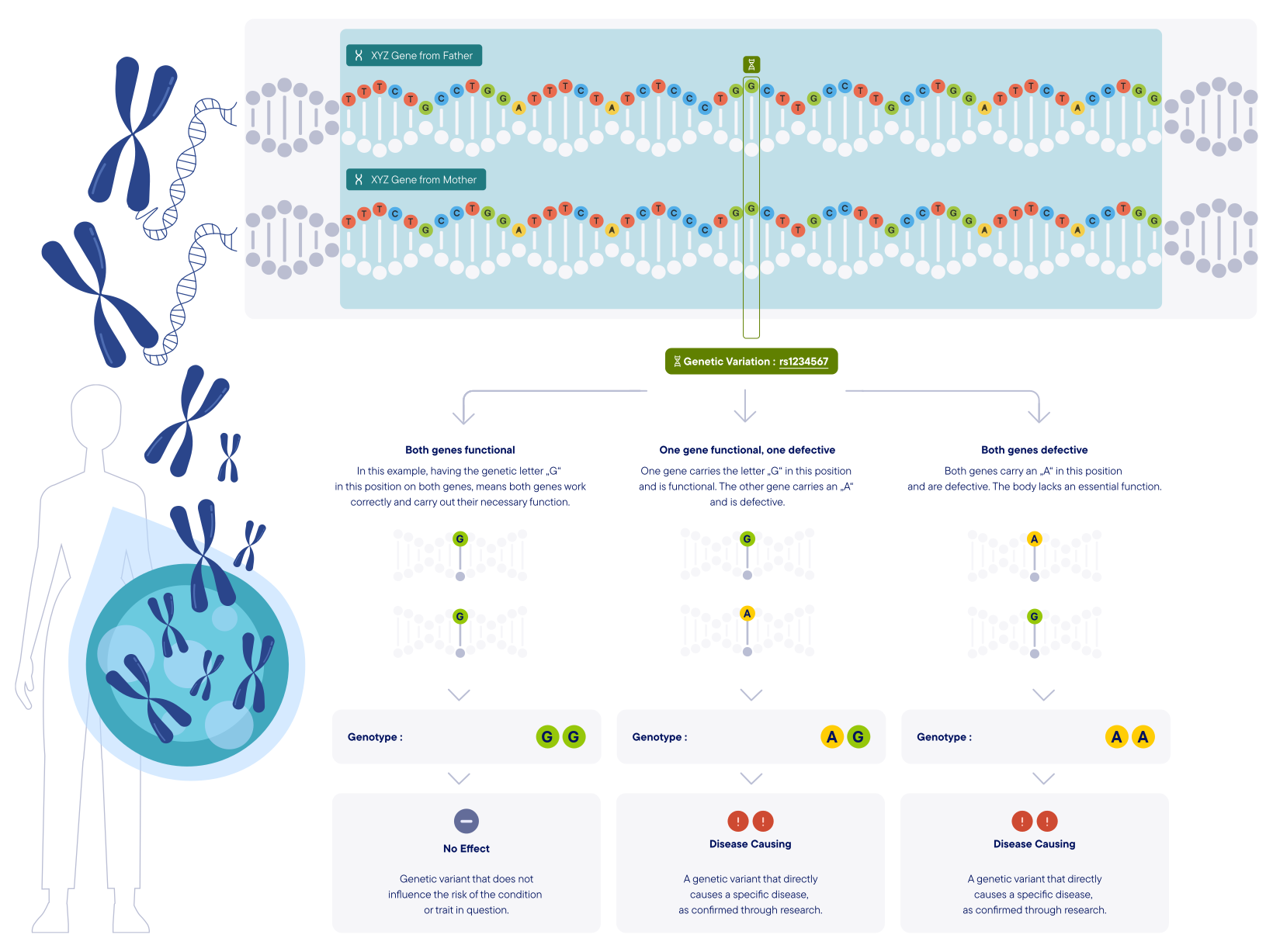
Humans have more than 20,000 genes, each carrying out one or a few specific functions in the body. One gene instructs the body to digest lactose from milk, another tells the body how to build strong bones and another prevents the body's cells from beginning to multiply uncontrollably and developing into cancer. As all of these genes combined are the building instructions for our body, a defect in one of these genes can have severe health consequences.
Through decades of genetic research, we know the genetic code of any healthy/functional human gene. We have also identified that in certain positions on a gene, some individuals may have a different genetic letter from the one you have. We call these hotspots "Genetic Variations" or "Variants" in short. In many cases, studies have been able to show that having the genetic letter "G" in the position makes you healthy, but having the letter "A" in the same position disrupts the gene function and causes a disease. Genopedia allows you to view these variants in genes and summarizes all that we know from scientific research, which genetic letters (Genotype) have good or bad consequences on your health or on your traits.
History
Throughout history, families described brief “staring spells” in children that stopped as suddenly as they began. A teacher might notice a student pausing mid-sentence, eyes fixed for a few seconds, then picking up right where they left off. These everyday accounts helped clinicians recognize a pattern that we now call absence epilepsy.
First described in the medical literature as petit mal seizures in the 19th century, these episodes were long distinguished from the dramatic convulsions more people knew about. Early physicians carefully noted the short duration and quick recovery. As medical science evolved, electroencephalography (EEG) in the mid-20th century provided a clear electrical signature—characteristic 3-per-second spike-and-wave activity—that confirmed what careful observation had suggested: these were genuine seizures, just with subtle outward signs.
Over time, descriptions became more precise. Doctors separated typical absence seizures—brief, sudden lapses of awareness—from atypical forms that can last longer or begin and end less abruptly, especially in the context of broader developmental conditions. Treatment history followed a similar arc. Barbiturates and early antiseizure medicines were used first, then sodium valproate and ethosuximide became mainstays when studies showed strong effectiveness for absence epilepsy. More recently, clinicians have refined choices to balance seizure control with side effects, especially for children and adolescents.
Advances in genetics added another layer. Researchers found that absence epilepsy can run in families, with multiple genes influencing brain networks that keep rhythms in balance. No single cause explains most cases, but modern studies point to circuits connecting the thalamus and cortex as key players. This helped shift thinking away from ideas that these spells were behavioral or attention-related, toward a solid neurobiological understanding.
The way the condition was viewed changed as awareness grew. What some once dismissed as daydreaming is now recognized as a common childhood epilepsy that often improves with the right treatment and, for many, fades with age. Epidemiology studies across Europe and North America showed that absence epilepsy is not rare, especially in school-age children, and they highlighted typical ages of onset, frequent daily episodes, and the importance of early diagnosis to support learning.
These historical steps shaped today’s approach: listen to everyday descriptions, confirm with EEG when possible, choose medicines known to help absence seizures, and follow growth and learning closely. Knowing the condition’s history helps explain why quick, subtle episodes deserve careful attention—and why timely care can make a real difference in day-to-day life.