
Abnormality of glucagon secretion affects how the body releases glucagon, a hormone that raises blood sugar. People with Abnormality of glucagon secretion may have low or high blood sugar, and this can cause shakiness, sweating, fatigue, or confusion. It can be lifelong or develop later, and patterns may differ by age and by cause. Treatment often includes nutrition planning, glucose monitoring, and medicines that balance blood sugar, and some causes may need surgery. Severe lows or highs can be dangerous, but many people do well with regular care and follow-up.
Overview
Abnormality of glucagon secretionSymptoms
Abnormality of glucagon secretion can cause blood sugar swings. Too much glucagon may bring weight loss, thirst, frequent urination, a red rash, mouth sores, or diarrhea. Too little can trigger low-blood-sugar episodes with shakiness, sweating, confusion, especially when fasting.
Outlook and prognosis
Many people with abnormality of glucagon secretion do well when levels are brought into a steadier range. With consistent monitoring, tailored nutrition, and medicines that balance glucose and glucagon, severe highs and lows often become less frequent. Outlook varies by cause—such as diabetes, pancreatic disease, or rare tumors—and improves with early symptom recognition and coordinated endocrine care.
Causes and risk factors
Abnormality of glucagon secretion may result from diabetes-related alpha cell dysfunction, pancreatitis, pancreatic surgery, or glucagon‑secreting tumors. Risks rise with aging, kidney or liver disease, obesity, alcohol use, and illness. Rarely, inherited syndromes (such as MEN1) or receptor variants contribute.
Genetic influences
Genetics plays a modest but real role in abnormality of glucagon secretion. Rare gene variants affecting alpha-cell function, insulin signaling, or ion channels can raise risk, but most cases reflect acquired factors like diabetes, pancreatitis, medications, or surgery.
Diagnosis
The diagnosis of Abnormality of glucagon secretion relies on history, exam, and blood tests measuring fasting and stimulated plasma glucagon with glucose and ketones. Dynamic testing (arginine or mixed‑meal) and, if tumor is suspected, pancreatic imaging can support findings.
Treatment and drugs
Abnormality of glucagon secretion is managed by stabilizing blood sugar and protecting long‑term health. Care may include nutrition planning, frequent glucose checks, diabetes medicines (like insulin or GLP‑1–based therapy), and treating the underlying cause. Emergency kits for severe lows are often advised.
Symptoms
Blood sugar that runs high after meals or dips between meals can sap energy and focus. Abnormality of glucagon secretion is one reason this happens—your body releases too much or too little of the hormone that raises blood sugar between meals. Early symptoms of Abnormality of glucagon secretion often look like everyday blood sugar issues—feeling shaky before lunch, or, on the flip side, peeing more and feeling very thirsty after meals. Symptoms vary from person to person and can change over time.
Frequent urination and thirst, dry mouth, headaches, or blurry vision are common. You might see higher readings after meals or first thing in the morning. With Abnormality of glucagon secretion, the liver may release too much sugar at the wrong time.
Shakiness, sweating, fast heartbeat, and sudden hunger can come on quickly. Dizziness or confusion may follow if levels drop further. Severe lows can cause fainting or seizures.
Sudden spikes after meals and dips between meals can feel like an energy rollercoaster. This pattern is consistent with Abnormality of glucagon secretion but can appear in other conditions too. Keeping meals and activity steady may lessen the swings.
Waking sweaty, shaky, or with a morning headache can signal a low during sleep. People may feel groggy or have vivid dreams. In Abnormality of glucagon secretion, the usual hormone response that guards against overnight lows may be weaker.
How people usually first notice Abnormality of glucagon secretion?
People usually first notice an abnormality of glucagon secretion when blood sugar swings don’t match meals or insulin use—such as unexpected low blood sugar (hypoglycemia) with shakiness, sweating, confusion, or, less often, stubborn high sugars that don’t respond as expected. Doctors often pick it up during diabetes care when fasting or overnight glucose is unusually low, A1C doesn’t line up with home readings, or lab tests show inappropriately high or low glucagon levels compared with glucose. In rare cases, a glucagon‑producing tumor (glucagonoma) is first suspected because of weight loss, a distinct reddish rash, mouth sores, and diabetes developing together—classic “first signs of abnormality of glucagon secretion” that prompt testing.
Types of Abnormality of glucagon secretion
Abnormality of glucagon secretion can show up in different ways, depending on whether the body is making too much glucagon, too little, or releasing it at the wrong times. These clinical variants change how your blood sugar behaves day to day, from after-meal spikes to overnight lows. People may notice different sets of symptoms depending on their situation. Knowing the main types of abnormal glucagon patterns can make it easier to talk about early symptoms of abnormality of glucagon secretion and what you’re feeling in real life.
Excess glucagon
Blood sugar tends to run high, especially between meals and overnight. People may feel thirst, frequent urination, fatigue, or unintended weight loss.
Glucagon deficiency
Low blood sugar is more likely, particularly with fasting or exercise. People may notice shakiness, sweating, hunger, headaches, or trouble concentrating.
Inappropriate timing
Glucagon rises when it shouldn’t, like after meals, or doesn’t rise when needed during fasting. This can cause after-meal highs or unexpected lows, sometimes in the same week.
Meal‑related dysregulation
Glucagon does not suppress properly after eating, leading to larger post‑meal glucose spikes. Some may feel sleepiness after meals, increased thirst, or brain fog.
Fasting response defect
Glucagon fails to support blood sugar during long gaps between meals or overnight. People may wake with night sweats, morning headaches, or early‑morning shakiness.
Exercise‑related mismatch
Glucagon response during activity is too strong or too weak for the body’s needs. This can bring on mid‑workout lows or post‑exercise highs, depending on the direction of the mismatch.
What genetics can tell you about symptoms
Certain genetic changes in glucagon or its receptor can cause unusually high glucagon levels, leading to frequent thirst, weight loss, high blood sugar, and sometimes a distinctive skin rash called necrolytic migratory erythema. Other variants blunt glucagon release, which can trigger low blood sugar, shakiness, confusion, and fainting during fasting or exercise.
Causes and risk factors
Risk factors for Abnormality of glucagon secretion include diabetes, pancreatic disease, and rare tumors that make too much glucagon. It can also follow pancreatic surgery or severe illness that disrupts hormone signals. Excess body weight, insulin resistance, and long-standing high blood sugar can push glucagon out of rhythm. Rare inherited changes in pancreatic genes can play a role, while low physical activity or an unhealthy diet may add to risk. Doctors distinguish between risk factors you can change and those you can’t.
Environmental and biological risk factors
When glucagon release is off, blood sugar swings can feel unpredictable—like feeling shaky after a delayed meal or staying high after stress. Abnormality of glucagon secretion can arise from changes inside the body or from exposures in the world around you. Doctors often group risks into internal (biological) and external (environmental). Early symptoms of abnormality of glucagon secretion may be subtle, so it helps to know what can raise the risk.
In type 2 diabetes, signaling between insulin and alpha cells is disrupted, so glucagon can stay too high after meals. Insulin resistance in the liver can also feed back and drive higher glucagon release.
Loss of nearby insulin signals weakens the glucagon rise that should protect you during low blood sugar. This pattern increases the chance of abnormality of glucagon secretion during hypoglycemia.
Inflammation or surgical removal of pancreatic tissue can reduce alpha-cell number or alter their signals. After pancreatitis or pancreatic surgery, abnormality of glucagon secretion is common.
After gastric bypass or sleeve surgery, rapid nutrient flow and gut hormone shifts can raise post-meal glucagon in some people. In others, suppression improves; both reflect changed gut–pancreas signaling.
Genetic risk factors
Genetic causes of Abnormality of glucagon secretion include rare changes that block the body’s response to glucagon and inherited syndromes that lead to glucagon-secreting tumors. Some families also carry gene changes that limit alpha-cell development, resulting in unusually low glucagon. Some risk factors are inherited through our genes. A clinician may suggest genetic testing if there’s a pattern of pancreatic neuroendocrine tumors or unexplained high or low glucagon.

Glucagon receptor variants: Inherited changes that weaken the glucagon receptor can cause glucagon resistance and very high blood levels. The pancreas may react by expanding alpha cells and releasing even more glucagon. This is a genetic cause of Abnormality of glucagon secretion driven by resistance, not excess hormone action.
MEN1 syndrome: A harmful change in the MEN1 gene raises the chance of pancreatic neuroendocrine tumors, and some are glucagonomas that overproduce glucagon. This pattern can cause Abnormality of glucagon secretion with persistently high hormone levels. It runs in families, and each child has a 50% chance to inherit the gene change.
VHL syndrome: von Hippel–Lindau gene changes increase the risk of pancreatic neuroendocrine tumors; a subset can secrete glucagon. Regular screening in affected families can help find tumors before they cause complications.
Tuberous sclerosis complex: Variants in TSC1 or TSC2 predispose to pancreatic neuroendocrine tumors. Rarely, these are glucagonomas that lead to persistent high glucagon.
ARX gene changes: Certain X-linked ARX variants disrupt alpha-cell development, leading to very low or absent glucagon. This often presents as Abnormality of glucagon secretion due to alpha-cell loss. Signs usually start in infancy and may occur with neurological differences.
PAX6 variants: Changes in PAX6 can impair islet formation and reduce glucagon production. Families may also notice eye features such as aniridia.
Somatic tumor mutations: Non-inherited mutations within pancreatic neuroendocrine tumors, often involving genes like MEN1, DAXX, or ATRX, can drive glucagon overproduction. These changes arise in the tumor itself and are not passed to children.
Family history signal: Multiple relatives with pancreatic neuroendocrine tumors or a known syndrome suggest an inherited risk for glucagon-secreting tumors. Genetic counseling can clarify who in the family may carry the risk.
Lifestyle risk factors
Daily habits can shift glucagon output, leading to either excessive or blunted secretion that destabilizes blood sugar control. Understanding how lifestyle affects Abnormality of glucagon secretion helps target practical changes. The lifestyle risk factors for Abnormality of glucagon secretion include diet patterns, activity level, sleep, stress, substances, and circadian timing.
Rapid sugar spikes followed by crashes can provoke exaggerated glucagon rebounds. Repeated cycles train alpha cells toward erratic secretion.
Minimal fiber speeds glucose absorption and weakens normal post-meal glucagon suppression. Higher-fiber meals can blunt excessive glucagon after eating.
Highly processed foods drive glycemic swings that disturb glucagon signaling. Over time this can promote fasting hyperglucagonemia.
Alcohol can blunt glucagon release during hypoglycemia and disrupt normal counterregulation. Binge or chronic use destabilizes day-to-day glucagon patterns.
Risk prevention
Abnormality of glucagon secretion often shows up as hard-to-control blood sugar—spikes after meals or dips between them—which can affect energy, focus, and daily routines. It’s more likely when the pancreas is stressed (for example, by pancreatitis) or when insulin resistance, prediabetes, or diabetes are present. While early symptoms of abnormality of glucagon secretion aren’t specific, blood sugar swings, unexpected hunger, or shakiness can be early clues. Knowing your risks can guide which preventive steps matter most.
Regular movement improves insulin sensitivity and helps keep glucagon responses more steady. Aim for a mix of aerobic activity and strength work most days, even in short bouts.
Include fiber, protein, and healthy fats to reduce sharp glucose swings. Smoother glucose shifts can lower the chance of abnormality of glucagon secretion getting worse.
Heavy drinking can inflame the pancreas and disrupt glucose hormones. If you drink, keep it light to moderate and avoid binge drinking.
If you have prediabetes or diabetes, consistent glucose targets and timely medication adjustments help. Good control makes abnormality of glucagon secretion less likely to drive highs or lows.

Transmission
Abnormality of glucagon secretion is not contagious and does not spread from person to person. There’s no person-to-person transmission of abnormality of glucagon secretion through touch, air, food, sex, or everyday contact; if you’re wondering whether abnormality of glucagon secretion is contagious, it isn’t. Instead, it develops because of underlying health factors that affect the pancreas or hormone signaling—most often diabetes, pancreatic disease, certain tumors, medication effects, or prior pancreatic surgery. Most cases are not inherited, though rare family syndromes that increase the chance of endocrine tumors can raise the risk; if your family has a history like this, a clinician or genetic counselor can discuss whether genetic testing makes sense.
When to test your genes
Consider genetic testing if you or close relatives have unexplained hypoglycemia, extreme blood sugar swings, or early-onset diabetes that doesn’t fit typical patterns. Testing also helps when clinicians suspect rare syndromes affecting pancreatic alpha cells or when standard treatments aren’t working as expected. Results can guide personalized monitoring, medications, and family risk counseling.
Diagnosis
Abnormality of glucagon secretion can affect daily life in opposite ways—some feel shaky, sweaty, or lightheaded between meals, while others notice rising thirst and more bathroom trips from high blood sugar. Doctors usually begin with your story and simple blood tests, then add targeted hormone checks if needed. Here’s how abnormality of glucagon secretion is diagnosed in everyday practice.
Your provider reviews symptoms like tremor, sweating, dizziness, thirst, weight changes, and when they occur. Timing with meals, exercise, alcohol, or illness helps narrow the cause. Family history and past surgeries, including bariatric procedures, are also important.
The exam looks for dehydration, weight loss, abdominal tenderness, skin rashes, or nerve changes. Findings can point toward low or high blood sugar patterns. Blood pressure and heart rate changes may offer additional clues.
Finger-stick or lab glucose confirms low or high levels during symptoms. Paired tests with insulin, C‑peptide, and ketones help show how the body is responding. Results guide whether glucagon is likely too high or too low.
Early‑morning blood work may include glucose, ketones, liver and kidney panels, and A1C. These tests assess overall sugar control and organ function. Abnormal results can suggest persistent hormone imbalance.
Stages of Abnormality of glucagon secretion
Abnormality of glucagon secretion does not have defined progression stages. It varies with the underlying cause and often shows up as changes in blood sugar, so it’s described by symptoms and test results rather than a steady, stepwise decline. Different tests may be suggested to help confirm what’s happening, such as checking fasting and post‑meal glucose alongside insulin and glucagon levels, with imaging only if a growth in the pancreas is suspected. Doctors usually track patterns over time, asking about early symptoms of abnormality of glucagon secretion—like shakiness, sweats, thirst, or unexplained weight changes—and reviewing your medicines and family history to guide next steps.
Outlook and prognosis
Living with Abnormality of glucagon secretion often means dealing with blood sugar swings that don’t always match meals or activity. You might see mid-morning shakiness, brain fog, or sweating when sugar drops too low, then later feel unusually thirsty or tired when it rebounds higher. Many people ask, “What does this mean for my future?”, and the short answer is that the long-term picture depends on the cause—such as a glucagon-secreting tumor, long-standing diabetes affecting alpha cells, or a rare genetic condition—and how quickly it’s identified and treated. Doctors call this the prognosis—a medical word for likely outcomes.
For people whose abnormal glucagon levels are linked to diabetes, outlook usually tracks with overall diabetes control and heart, kidney, nerve, and eye health. Early care can make a real difference, because stabilizing glucose, addressing weight and nutrition, and treating coexisting hormone issues can reduce complications over time. If a glucagonoma (a tumor that produces excess glucagon) is present, surgery often improves symptoms and survival, especially when found before it spreads; when spread has occurred, targeted medicines, somatostatin analogs, and nutrition support can lengthen and improve life. Some people experience frequent low-sugar episodes, while others notice mainly weight loss, rash, or persistent high sugars—the pattern guides treatment.
Over the long run, most people with non-tumor causes can maintain everyday routines with careful monitoring, meal planning, and medicines that blunt sharp highs and lows. In medical terms, the long-term outlook is often shaped by both genetics and lifestyle. When early symptoms of Abnormality of glucagon secretion—such as unexpected hypoglycemia between meals or unexplained weight loss—are checked promptly, outcomes are usually better because treatment can begin before complications set in. Talk with your doctor about what your personal outlook might look like, including what to expect from tests, treatment options, and follow-up.
Long-term effects
Abnormality of glucagon secretion can shape day-to-day energy, appetite, and blood sugar stability over time. Long-term effects vary widely, depending on whether glucagon runs too high, too low, or fluctuates. Even if early symptoms of abnormality of glucagon secretion are subtle, the longer-term picture often shows up as changes in glucose control and metabolism. Doctors may track these changes over years to see how they affect your overall health.
Ongoing swings between high and low blood sugar can become more frequent. This instability can make planning meals and activities harder over time.
If glucagon response is blunted, lows may happen more often or without warning. Repeated lows can affect concentration and raise the risk of falls or injuries.
Chronically high sugars linked to excess glucagon can strain the eyes, kidneys, and nerves. Over years, this increases the chance of vision changes and numbness in the feet.
High glucagon over time can drive a catabolic state with weight loss and muscle thinning. Some may notice reduced stamina or strength in daily tasks.
How is it to live with Abnormality of glucagon secretion?
Living with abnormal glucagon secretion can feel like your energy and blood sugar rhythms don’t match the day you planned. Some people face frequent swings—hunger, shakiness, or fatigue when glucose dips; headaches, thirst, or brain fog when it runs high—which can disrupt work, school, exercise, and sleep. Daily life often involves careful meal timing, glucose monitoring, and coordinating medications, and it helps to carry quick sources of carbohydrate and to let friends, family, and coworkers know what warning signs look like. For those around you, understanding the cues and responding calmly—offering a snack, pausing an activity, or helping track patterns—can make episodes shorter, safer, and less stressful for everyone.
Treatment and drugs
Treatment for abnormality of glucagon secretion focuses on stabilizing blood sugar and addressing the underlying cause, such as pancreatic disorders, diabetes, medications, or rare tumors. Doctors may use diet planning with regular meals, complex carbohydrates, and protein, along with glucose monitoring, to prevent sharp highs and lows; medicines that affect glucagon signaling (like GLP-1–based drugs), insulin, or sugar-raising rescue treatments (oral glucose or injectable glucagon) may be used depending on whether low or high blood sugar is the main problem. If a glucagon-secreting tumor (glucagonoma) is found, care may include surgery, somatostatin analogs to reduce hormone release, and targeted therapies guided by imaging and oncology input. Treatment plans often combine several approaches, and your doctor can help weigh the pros and cons of each option. Keep track of how you feel, and share this with your care team so doses, timing, and meal plans can be adjusted safely.
Non-drug treatment
Day to day, the goal is to steady blood sugar swings, prevent lows, and avoid big spikes that can follow an abnormality of glucagon secretion. Beyond prescriptions, supportive therapies can help you match food, movement, sleep, and stress habits to what your body needs. Education, monitoring, and a clear safety plan reduce risk and give you more confidence. These non-drug options often work best when tailored with a clinician or dietitian.
A registered dietitian can personalize eating plans to reduce sharp sugar swings. This helps match meals to your body’s glucagon and insulin responses.
Choose high-fiber carbohydrates with vegetables, beans, and whole grains. This slows sugar absorption and can smooth post-meal spikes.
Regular meals and planned snacks can prevent long gaps that trigger sugar lows or rebounds. Some may benefit from smaller, more frequent meals to steady levels.
Pairing carbohydrates with protein or healthy fats can act like a dimmer switch on sugar rise. This pairing may reduce symptoms linked to abnormality of glucagon secretion.
Your genes may have an impact on how drugs work for you
Genes can change how your body makes, releases, and clears hormones and enzymes, so medicines that target glucagon pathways may work faster, slower, or cause more side effects in different people. Pharmacogenetic testing and careful dose adjustments help tailor therapy safely and effectively.
Pharmacological treatments
Treatment focuses on whether glucagon levels are running too high or too low, and on how this affects day-to-day glucose swings. Early symptoms of abnormality of glucagon secretion can guide whether medicines aim to lower excess glucagon or replace it during lows. Options range from hormone blockers to rescue glucagon, and from diabetes medicines that temper glucagon to tumor-directed drugs when a glucagon-secreting tumor is involved. Not everyone responds to the same medication in the same way.
Octreotide and lanreotide can lower glucagon release, easing high sugars and rash from glucagonoma. They are often the first medicines used to control hormone secretion in these tumors. Common effects include stomach upset and, over time, gallstones.
Semaglutide, liraglutide, or dulaglutide help lower glucagon after meals and improve blood sugar control. They may reduce appetite and weight, but nausea is common at the start. Dosing may be increased or lowered gradually to improve comfort and results.
Sitagliptin or linagliptin modestly reduce glucagon and raise natural GLP-1, smoothing post-meal glucose. They are generally well tolerated and taken once daily. Rarely, joint pain or skin reactions can occur.
Pramlintide, used with mealtime insulin, helps curb post-meal glucagon and slows stomach emptying. It can reduce after-meal glucose spikes and appetite. Nausea and a higher risk of low blood sugar can happen if insulin isn’t adjusted.
Genetic influences
Genes can influence how the pancreatic cells that make glucagon work, which means family history can sometimes play a role. Genetics is only one piece of the puzzle, but it can tilt the balance toward too much or too little glucagon. Rare inherited changes in the glucagon receptor gene can cause very high glucagon levels, and an inherited endocrine tumor syndrome called MEN1 can raise the chance of a glucagon‑producing tumor. Some families also carry gene changes that affect how these cells grow or sense blood sugar, which can lead to over- or under-release of glucagon and contribute to an abnormality of glucagon secretion. A genetic tendency does not guarantee you’ll develop problems, and many people with abnormal glucagon levels have no single, identifiable gene cause. If you’re wondering, “is abnormality of glucagon secretion hereditary?”, sharing your family history with your doctor and, in select cases, considering genetic testing with guidance from a genetics professional can help clarify personal and family risk.
Is Abnormality of glucagon secretion genetic?
Genetics plays a modest but real role in abnormality of glucagon secretion. Rare gene variants affecting alpha-cell function, insulin signaling, or ion channels can raise risk, but most cases reflect acquired factors like diabetes, pancreatitis, medications, or surgery.
Pharmacogenetics—how genetics influence drug effects
Treatment choices for Abnormality of glucagon secretion often include medicines that lower or raise glucagon, and genes can shape how well these medicines work or how safe they are. A well-known example is sulfonylureas: changes in a common liver-enzyme gene (CYP2C9) can slow drug breakdown, leading to higher levels in the blood and a greater risk of low blood sugar, which matters even more when the body’s glucagon response is already weak. By contrast, GLP-1 receptor agonists and most DPP-4 inhibitors, which help curb high glucagon, aren’t heavily affected by common drug-metabolism genes; people still vary in response, but not usually because the medicine is broken down too quickly or too slowly. For SGLT2 inhibitors (a tablet class that can nudge glucagon upward), genetic effects on everyday dosing appear minimal in routine care. Emergency glucagon usually works regardless of drug-metabolism genes; its effect depends more on liver glycogen stores and overall health. Genetic testing can sometimes identify how your body handles certain diabetes medicines, helping doctors tailor treatment when drug–gene interactions are part of managing Abnormality of glucagon secretion.
Interactions with other conditions
For people living with diabetes, liver disease, or chronic kidney disease, problems with glucagon can make steady blood sugar control harder day to day. In type 2 diabetes, abnormality of glucagon secretion can keep the liver releasing sugar between meals and after eating, pushing glucose higher. In type 1 diabetes, the usual glucagon boost during a low may be weak after years of insulin therapy or pancreatitis, raising the risk of severe hypoglycemia. In these settings, a condition may “exacerbate” (make worse) symptoms of another. Liver disorders such as fatty liver or cirrhosis change how the body responds to glucagon, while chronic kidney disease slows glucagon breakdown, so levels can run higher and complicate diabetes management. After pancreatitis or pancreatic surgery, the pancreas cells that make glucagon may be reduced, making lows harder to sense or correct. Doctors also pay attention to how abnormality of glucagon secretion interacts with type 2 diabetes and nonalcoholic fatty liver disease, since shared metabolic pathways mean weight, diet, and activity matter across these conditions.
How genes can cause diseases
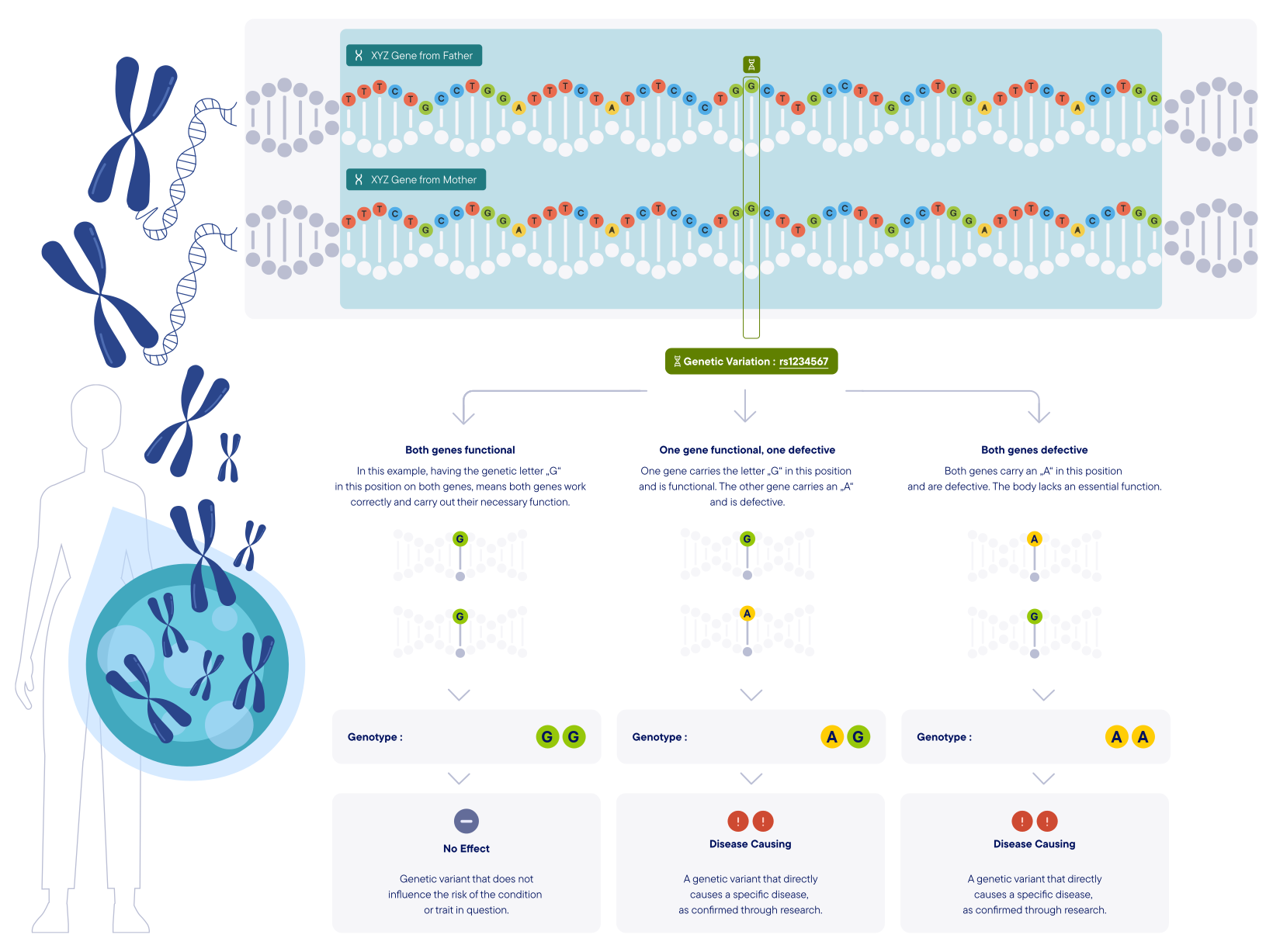
Humans have more than 20,000 genes, each carrying out one or a few specific functions in the body. One gene instructs the body to digest lactose from milk, another tells the body how to build strong bones and another prevents the body's cells from beginning to multiply uncontrollably and developing into cancer. As all of these genes combined are the building instructions for our body, a defect in one of these genes can have severe health consequences.
Through decades of genetic research, we know the genetic code of any healthy/functional human gene. We have also identified that in certain positions on a gene, some individuals may have a different genetic letter from the one you have. We call these hotspots "Genetic Variations" or "Variants" in short. In many cases, studies have been able to show that having the genetic letter "G" in the position makes you healthy, but having the letter "A" in the same position disrupts the gene function and causes a disease. Genopedia allows you to view these variants in genes and summarizes all that we know from scientific research, which genetic letters (Genotype) have good or bad consequences on your health or on your traits.
History
Throughout history, people have described sudden spells of weakness, sweating, and shakiness after meals or overnight fasts—episodes we now recognize can be linked to problems with glucagon, the hormone that raises blood sugar. In family stories, a grandparent might have carried sweets “just in case,” or a farm worker might have needed frequent breaks to steady their hands. Long before lab tests, these day-to-day clues hinted that not only insulin, but also counter-hormones like glucagon, shape how the body keeps glucose in balance.
First described in the medical literature as part of broader “counter-regulatory” responses to low blood sugar, glucagon’s role became clearer in the mid-20th century when scientists could extract and measure hormones. Early reports focused on extreme cases—like tumors that made too much glucagon or severe diabetes where glucagon stayed high despite already elevated glucose. As hormone assays improved, researchers noticed a wider spectrum: some people had too little glucagon release during hypoglycemia, others had too much after meals, and many with type 2 diabetes showed an exaggerated glucagon signal that worsened high blood sugar.
From these first observations, the picture shifted from rare disorders to common patterns seen across metabolic conditions. Work in the 1970s–1990s mapped how the pancreas’ alpha cells sense falling glucose and how signals from the gut and nervous system fine‑tune glucagon release. In parallel, studies of early symptoms of abnormality of glucagon secretion—like mid‑afternoon crashes, morning headaches after nighttime lows, or stubborn high sugars after protein‑heavy meals—helped connect lab findings to lived experience. Not every early description was complete, yet together they built the foundation of today’s knowledge.
In recent decades, awareness has grown that abnormality of glucagon secretion is not one single problem but a pattern that varies by context: fasting versus fed state, aging, and conditions such as type 1 diabetes, type 2 diabetes, obesity, chronic pancreatitis, or after certain stomach or pancreas surgeries. Imaging and pathology linked structural changes in islets to altered alpha‑cell behavior, while glucose-clamp studies showed how blunted glucagon responses raise the risk of severe hypoglycemia in people using insulin. At the same time, persistent glucagon elevation emerged as a driver of high fasting glucose and increased liver glucose output.
These historical steps set the stage for today’s treatments and trials. Modern diabetes care considers glucagon alongside insulin, with emergency glucagon for severe lows and new drugs that indirectly calm glucagon when it is too active. Experimental therapies now target alpha‑cell signaling more precisely. The story of abnormality of glucagon secretion continues to evolve, but the through line remains clear: careful observation—from clinic notes to family memories—opened the door to understanding how glucagon helps keep blood sugar steady and what happens when that balance slips.