
AA amyloidosis is a progressive condition where a protein called amyloid A builds up in organs and tissues. It often develops after years of ongoing inflammation from conditions like rheumatoid arthritis, chronic infections, or inflammatory bowel disease. People with AA amyloidosis may notice swelling in the legs, foamy urine, fatigue, or shortness of breath, and doctors may find kidney or liver involvement. Treatment focuses on controlling the underlying inflammation and may include anti-inflammatory or biologic medicines, diuretics, and in advanced kidney disease, dialysis or transplant. The outlook varies, but early diagnosis and effective control of inflammation can improve organ function and survival.
Overview
Aa amyloidosisSymptoms
Early symptoms of AA amyloidosis include fatigue, unintentional weight loss, leg swelling, and foamy urine from kidney protein loss. Later, people may have persistent diarrhea, enlarged liver or spleen, low blood pressure on standing, and progressive kidney failure.
Outlook and prognosis
Many people with AA amyloidosis do well when the underlying inflammation is found early and tightly controlled. Kidney health often guides long‑term outlook, so regular checks and prompt treatment adjustments matter. With coordinated care, organ function can stabilize for years.
Causes and risk factors
AA amyloidosis usually follows long-standing inflammation. Major risks include uncontrolled rheumatoid arthritis, inflammatory bowel disease, chronic infections like tuberculosis, some cancers, and inherited autoinflammatory disorders (e.g., familial Mediterranean fever); SAA gene variants and prolonged, intense inflammation further increase risk.
Genetic influences
Genetics play a modest role in AA amyloidosis. Most cases stem from long-term inflammation, not inherited mutations. Rare variants that heighten inflammatory signals or affect serum amyloid A handling may raise risk, but environment and disease control matter more.
Diagnosis
The diagnosis of AA amyloidosis pairs medical history with blood and urine tests for inflammation and protein loss. Confirmation usually requires a tissue biopsy with special staining, then typing the deposits to confirm AA; imaging assesses organ involvement.
Treatment and drugs
Treatment for Aa amyloidosis focuses on quieting the underlying inflammation and protecting organs. Doctors often use disease‑modifying drugs for conditions like rheumatoid arthritis, adjust antibiotics for chronic infections, and manage kidneys, heart, or gut with targeted supportive care. Regular monitoring guides changes.
Symptoms
Day to day, Aa amyloidosis often first shows up as swelling in the legs or around the eyes, foamy urine, and a deep tiredness that doesn’t lift with rest. Symptoms vary from person to person and can change over time. If you’re watching for early symptoms of AA amyloidosis, look for subtle changes like ankle puffiness, a drop in appetite, or new bowel issues.
Soft swelling in the ankles, feet, or around the eyes can build up over hours to days. Socks may leave deeper marks and shoes can feel tighter by evening. This is common in AA amyloidosis.
Bubbly, frothy urine that looks like soap suds can be a sign of protein loss. Clinicians call this proteinuria, which means protein is leaking through the kidneys instead of staying in the bloodstream. It often travels with leg swelling in AA amyloidosis.
Deep tiredness and reduced stamina are common, even after a full night’s sleep. This can stem from kidney strain, anemia, or poor nutrition when the gut is affected.
Ongoing diarrhea, nausea, or belly discomfort may develop. In daily routines, this might show up as small but noticeable changes. Some people with AA amyloidosis feel full quickly after starting a meal.
How people usually first notice Aa amyloidosis?
Many people first notice AA amyloidosis when swelling in the legs or around the eyes appears, often along with foamy urine—early clues of kidney involvement after years of living with a chronic inflammatory illness like rheumatoid arthritis, inflammatory bowel disease, or recurrent infections. Doctors may first suspect it during routine checks when tests show protein leaking into urine or reduced kidney function, sometimes before symptoms are obvious; unexplained fatigue and unintended weight loss can also prompt evaluation. If you’re wondering about the first signs of AA amyloidosis, think of persistent edema, new or worsening protein in the urine, and changes in kidney lab results in the setting of long-standing inflammation as key reasons to get checked.
Types of Aa amyloidosis
AA amyloidosis has a few well-recognized patterns based on where the amyloid builds up most and the underlying cause. People may notice different sets of symptoms depending on their situation. Clinicians often describe them in these categories: kidney-predominant, liver and spleen involvement, gastrointestinal-predominant, heart involvement, and nerve or autonomic involvement. Knowing the types of AA amyloidosis can help you and your care team recognize early symptoms of AA amyloidosis and tailor monitoring.
Kidney-predominant
Swelling in the legs or around the eyes and frothy urine can point to heavy protein loss. Lab tests show high protein in urine and may progress to reduced kidney function over time. Blood pressure can rise as kidney strain worsens.
Liver and spleen
Fullness or discomfort under the right ribs from an enlarged liver can occur. Blood tests may show raised liver enzymes, and some develop an enlarged spleen that leads to low blood counts. Jaundice is uncommon but can appear in advanced cases.
Gastrointestinal-predominant
Persistent diarrhea, constipation, or alternating patterns can show up, sometimes with unintentional weight loss. People may feel early fullness, nausea, or belly pain, and labs can show low protein levels. Some experience poor absorption of nutrients leading to fatigue.
Heart involvement
Shortness of breath on exertion, swelling in the legs, or needing extra pillows to sleep can suggest heart strain. Doctors may find thickened heart walls and diastolic dysfunction on imaging. Heart rhythm changes can occur but are less common in AA than in other amyloid types.
Nerve/autonomic
Numbness, tingling, or burning pain in the feet and hands can develop. Autonomic nerves may be affected, causing dizziness when standing, early fullness, or bowel and bladder changes. Sexual dysfunction can also occur.
Underlying triggers
AA amyloidosis stems from long-term inflammation, often from chronic infections, inflammatory arthritis, or periodic fever syndromes. Symptoms can improve or stabilize if the trigger is controlled, because the amyloid-driving protein (serum amyloid A) falls. Types of AA amyloidosis by organ involvement can shift over time as the underlying disease is treated.
What genetics can tell you about symptoms
Certain MEFV gene variants (seen in familial Mediterranean fever) raise inflammation signals, leading to AA protein buildup and symptoms like kidney problems, swelling in legs, fatigue, and unintentional weight loss. Variants that boost SAA protein production worsen organ damage, causing protein‑rich urine and high blood pressure.
Causes and risk factors
AA amyloidosis usually develops after years of ongoing inflammation. Common sources include rheumatoid arthritis, inflammatory bowel disease, and chronic infections like tuberculosis. Key risk factors for AA amyloidosis are how severe the inflammation is and how long it lasts. Doctors distinguish between risk factors you can change and those you can’t. Controlling the underlying disease and treating infections can lower risk, while inherited periodic fever conditions and genetic traits raise risk but are not changeable.
Environmental and biological risk factors
AA amyloidosis develops when long-running inflammation triggers protein deposits in organs, often the kidneys. We’re focusing on environmental and biological risk factors for AA amyloidosis to highlight what tends to raise risk in everyday settings. Two people with the same exposure can react very differently—biology shapes the response. Risk generally rises with both the intensity and the duration of inflammation.
Long-lasting, unchecked inflammation keeps the amyloid-forming protein circulating at high levels. The longer this signal stays on, the greater the chance AA amyloidosis can develop.
Frequent or intense inflammatory flares boost the protein that forms amyloid. Repeated spikes over months or years add cumulative risk.
Conditions like rheumatoid arthritis or inflammatory bowel disease can keep inflammation active for years. Without steady control, the ongoing signal can trigger AA amyloidosis.
Ongoing infections such as tuberculosis, chronic airway infections, or long-standing bone infection keep inflammation switched on. Untreated or recurrent infections raise the risk of AA amyloidosis.
Genetic risk factors
Inherited traits can shape who develops AA amyloidosis when inflammation lasts for years. Changes in the SAA1 gene and in genes that drive lifelong autoinflammatory disorders can raise risk and affect how quickly organ deposits build. Carrying a genetic change doesn’t guarantee the condition will appear. In some families, early symptoms of AA amyloidosis may show up at a younger age.

SAA1 gene variants: Certain versions of the SAA1 gene are linked to higher chances of AA amyloidosis. They can influence how the body handles serum amyloid A during inflammation and may speed deposit buildup. Associations can differ across populations.
MEFV mutations: Inherited changes in the MEFV gene cause familial Mediterranean fever, a lifelong inflammatory condition. People with certain MEFV variants have a higher lifetime risk of AA amyloidosis. Risk tends to be greatest when two high-impact variants are present.
TRAPS gene changes: Pathogenic variants in TNFRSF1A cause a disorder called TRAPS, marked by repeated inflammatory flares. This long-running process can result in organ deposits over time. Variant type and disease severity may influence risk.
NLRP3 mutations: Changes in NLRP3 cause cryopyrin‑associated periodic syndromes with inflammation starting in childhood. The persistent inflammation raises the chance of amyloid A deposits. Early‑onset forms often carry greater risk.
MVK mutations: Mutations in the MVK gene lead to mevalonate kinase deficiency (also called hyper‑IgD syndrome), with recurrent fevers and inflammation. Over many years, some individuals develop amyloid A deposits. Risk varies with how severe the gene change is.
Ancestry patterns: Populations with more frequent MEFV and related autoinflammatory variants, such as many from Mediterranean, Middle Eastern, or North African backgrounds, show higher rates of AA amyloidosis as a complication. This reflects inherited risk clustering in families and communities. Individual risk still depends on personal genotype.
Family history: Having close relatives with AA amyloidosis or with severe autoinflammatory disorders suggests shared genetic factors. This can increase personal risk compared with the general population. Genetic counseling may help clarify patterns in some families.
Cytokine gene variants: Differences in genes that regulate inflammatory signals, such as IL‑6 or TNF pathways, may change how much serum amyloid A the body produces during flares. Studies suggest these variants can modify susceptibility to AA amyloidosis. Evidence varies by population and continues to evolve.
Lifestyle risk factors
Lifestyle choices can influence chronic inflammation and infections that drive AA amyloid buildup, so addressing them may lower risk and slow complications. The lifestyle risk factors for AA amyloidosis largely relate to behaviors that amplify systemic inflammatory activity or allow persistent infections. Here is how lifestyle affects AA amyloidosis through modifiable habits such as diet, activity, sleep, and substance use.
Diets high in ultra-processed foods, refined sugars, and saturated fats can raise systemic inflammatory markers. Greater inflammatory load may keep serum amyloid A elevated, promoting AA amyloid deposition.
Sedentary behavior is linked to higher inflammatory cytokines over time. Regular movement can help reduce inflammatory tone that fuels serum amyloid A production.
Visceral fat produces inflammatory signals that can sustain elevated serum amyloid A. Weight reduction may lower inflammatory drive and reduce AA amyloid risk.
Tobacco smoke increases oxidative stress and chronic inflammation. This can heighten serum amyloid A and accelerate AA amyloid formation and organ involvement.
Risk prevention
For most people, lowering the risk of AA amyloidosis starts with keeping long-lasting inflammation under steady control. Prevention works best when combined with regular check-ups. Knowing your risks can guide which preventive steps matter most. Partner with your care team to treat infections quickly and stick with treatments that calm inflammation over the long term.
Keep arthritis, bowel disease, and other inflammatory conditions well managed to lower the protein that leads to AA amyloidosis. Early and effective treatment reduces flare-ups that drive risk.
See a clinician early for persistent cough, skin boils, dental infections, or bone pain, which can fuel inflammation and AA amyloidosis. Finishing the full course of antibiotics lowers the chance of ongoing inflammation.
Take prescribed anti-inflammatory or immune medicines consistently to prevent the high inflammation that causes AA amyloidosis. Skipping doses can let inflammation rise again.
If you live with familial Mediterranean fever, daily colchicine can sharply reduce the risk of AA amyloidosis. For other autoinflammatory diseases, targeted biologic therapy may be recommended to prevent protein build-up.

Transmission
AA (sometimes written Aa) amyloidosis is not contagious. It cannot be transferred by touch, coughing, sex, blood contact, or during pregnancy or breastfeeding. It develops within the body after long-standing inflammation from conditions such as rheumatoid arthritis or certain chronic infections.
AA amyloidosis itself is not inherited, though some inherited inflammatory disorders (for example, familial Mediterranean fever) can raise the risk if not well controlled. If you’re wondering is Aa amyloidosis contagious or how Aa amyloidosis is inherited, the key point is that it isn’t passed between people or directly through genes—lowering long-term inflammation is what reduces risk.
When to test your genes
Test if you have persistent inflammation, chronic infections, or unexplained kidney issues—AA amyloidosis often hides until organs are stressed. Consider testing if a close relative has AA amyloidosis or you have conditions like rheumatoid arthritis, IBD, or periodic fever syndromes. Results can guide monitoring, anti-inflammatory therapy, and earlier organ protection.
Diagnosis
AA amyloidosis is usually picked up when ongoing inflammation leads to organ-related symptoms like leg swelling, foamy urine, belly discomfort, or fatigue. Early steps in the diagnosis of AA amyloidosis often start with routine tests that show protein in the urine or changes in kidney or liver function. Doctors usually begin with a careful review of symptoms, basic labs, and a physical exam, then move to targeted tests to confirm amyloid and its type. Getting a diagnosis is often a turning point toward answers and support.
Clinicians ask about long-standing inflammation, infections, or autoimmune disease and check for swelling, weight changes, and blood pressure concerns. Findings help point to which organs might be involved and guide the next tests.
Tests look at kidney and liver function, albumin, and markers of inflammation like CRP and ESR. These help show the impact of inflammation and whether organs are under strain.
A urine sample checks for protein loss and sometimes blood. A 24-hour collection or a protein-to-creatinine ratio estimates how much protein is being lost, which helps track disease severity.
Measuring serum amyloid A (SAA) shows how active the inflammation is. Higher levels support AA as the amyloid type and help with ongoing monitoring during treatment.
Stages of Aa amyloidosis
AA amyloidosis does not have defined progression stages. The course varies by which organs are affected and how active the underlying inflammatory condition is, so changes are tracked over time rather than labeled in fixed stages. Diagnosis usually involves finding clues such as protein in the urine, leg swelling, or unexplained fatigue, then confirming amyloid with a small tissue biopsy and special staining; Different tests may be suggested to help show how your kidneys, liver, heart, or gut are doing. Ongoing monitoring focuses on kidney function, the amount of protein in urine, and blood levels of serum amyloid A, and discussing early symptoms of AA amyloidosis can also guide when to adjust treatment.
Outlook and prognosis
Looking at the long-term picture can be helpful. For many living with AA amyloidosis, the outlook depends on how quickly the underlying inflammation is controlled and how much organ damage—especially to the kidneys—has occurred by the time of diagnosis. When inflammation is brought under control early, protein build-up can slow or even stabilize, which lowers the risk of kidney failure and heart or gut complications. Many people find that symptoms improve when the driving condition—such as a chronic infection or an inflammatory disease—is well treated.
Doctors call this the prognosis—a medical word for likely outcomes. Kidney health is the biggest predictor: persistent protein in the urine and declining kidney function signal higher risk for end-stage kidney disease, while improved lab markers after treatment point to better survival. Modern therapies for the underlying diseases have improved survival for AA amyloidosis compared with past decades, but outcomes still vary by age, other health conditions, and how advanced things are at diagnosis. Everyone’s journey looks a little different.
The future may look uncertain now, but with inflammation under good control, many people with AA amyloidosis maintain daily routines for years and avoid dialysis. If kidney failure does develop, dialysis or transplant can extend life, though transplant success is best when the inflammatory trigger remains well managed. Ask about early warning signs and what steps to take if they appear, including monitoring for swelling, fatigue, weight changes, and the early symptoms of AA amyloidosis that can signal kidney strain. Talk with your doctor about what your personal outlook might look like, including how your labs and response to therapy shape your long-term plan.
Long-term effects
AA amyloidosis can lead to organ changes that build over years, shaping day-to-day health and overall survival. Long-term effects vary widely, and the pattern depends on which organs collect the protein deposits and how quickly the underlying inflammation is controlled. What may start as early symptoms of AA amyloidosis—like ankle swelling, fatigue, or diarrhea—can evolve into lasting kidney, heart, nerve, or digestive problems. Outcomes today are better than in the past, but delays in diagnosis or persistent inflammation can raise the risk of organ failure.
Protein loss in urine can progress to chronic kidney disease and nephrotic syndrome. Over time, this may lead to swelling, high blood pressure, and kidney failure requiring dialysis.
Ongoing protein loss lowers blood albumin, causing puffy legs, ankles, or around the eyes. Fluid may also collect in the abdomen or chest, making movement or breathing harder.
Stiffening of the heart muscle can lead to shortness of breath, fluid buildup, and irregular rhythms. In advanced cases, this causes heart failure and limits exercise tolerance.
Damage to the nerves that control blood pressure and digestion can cause lightheadedness on standing and bowel changes. Some may have nausea, early fullness, or alternating diarrhea and constipation.
How is it to live with Aa amyloidosis?
Living with AA amyloidosis often means planning your day around energy and kidney health—tracking swelling, watching salt and fluid, and keeping close tabs on blood pressure and lab results. For many, fatigue, ankle or leg swelling, and foamy urine can shape routines, while regular appointments and medications become part of the week. Loved ones may help with rides to clinic, meal prep that’s kidney-friendly, and the emotional load of uncertainty, especially if dialysis or advanced treatments are discussed. The silver lining is that controlling the underlying inflammatory disease, staying consistent with follow-up, and leaning on a care team can stabilize life and protect independence.
Treatment and drugs
Treatment for AA amyloidosis focuses on controlling the underlying inflammatory or infectious disease that’s driving the buildup of amyloid, while also protecting organs—most often the kidneys—from further damage. Doctors sometimes recommend a combination of lifestyle changes and drugs, such as medicines that calm inflammation (for example, biologic therapies for conditions like rheumatoid arthritis or inflammatory bowel disease), antibiotics for chronic infections, and treatments that lower protein leakage in urine to support kidney health. If kidney function declines, care may include diuretics for swelling, careful blood pressure control, and in advanced cases dialysis or a kidney transplant, ideally after the inflammation is well controlled. Not every treatment works the same way for every person, so your doctor may adjust your plan over time to reduce flare-ups and slow or halt amyloid deposits. Ask your doctor about the best starting point for you, including whether newer anti‑inflammatory biologics or clinical trials could be appropriate.
Non-drug treatment
Day-to-day care focuses on easing swelling, protecting kidney and heart health, and keeping energy for the things that matter. Alongside medicines, non-drug therapies can help lower strain on the body and support quality of life in AA amyloidosis. Practical steps include changes to food, fluids, movement, and how you track symptoms. When kidneys are badly affected, procedures like dialysis or kidney transplant may be part of care.
Cutting back on salt can ease ankle swelling and help blood pressure. Choose fresh foods, cook at home, and check labels for sodium.
Your kidney team may suggest limits or targets for daily fluids to control swelling. Spreading drinks through the day and tracking body weight can help.
Medical-grade stockings can move fluid out of the legs and reduce aching. Elevating your legs above heart level several times a day adds benefit.
Avoid nonsteroidal painkillers and certain herbal supplements that can strain the kidneys. Review all over‑the‑counter medicines with your care team.
Your genes may have an impact on how drugs work for you
Some medicines for AA amyloidosis work differently depending on gene variants that affect inflammation pathways, drug targets, or how fast your liver processes a drug. Genetic testing can sometimes guide dose, predict side effects, and help choose the safest therapy.
Pharmacological treatments
Treatment for AA amyloidosis focuses on turning down the ongoing inflammation that drives amyloid buildup, while protecting organs—most often the kidneys. These drugs aim to slow organ damage and reduce protein deposits once early symptoms of AA amyloidosis like swelling in the legs or unusual fatigue are noticed. Not everyone responds to the same medication in the same way. Your team will tailor choices to the underlying cause (such as rheumatoid arthritis, autoinflammatory conditions, or chronic infections) and adjust over time based on response and side effects.
Daily colchicine helps prevent attacks in familial Mediterranean fever and lowers the chance of AA amyloid forming. It can also reduce protein in the urine for some, easing kidney strain. Regular blood tests help check safety.
Tocilizumab or sarilumab calm inflammation quickly and can lower serum amyloid A levels. Many people with rheumatoid arthritis–related AA amyloidosis see less protein loss in urine and improved lab markers. Doctors monitor for infection risk.
Anakinra or canakinumab are useful for autoinflammatory diseases such as FMF or CAPS that can lead to AA amyloidosis. They often bring flares under control and drop serum amyloid A. Injections are usually given daily or every few weeks depending on the drug.
Etanercept, adalimumab, or infliximab can help when AA amyloidosis is driven by arthritis or spondyloarthritis. By reducing inflammation, they may lower serum amyloid A and protect kidney function. Vaccinations and infection screening are important before starting.
Genetic influences
Most cases are driven by long‑lasting inflammation, not by an inherited defect. It’s natural to ask whether family history plays a role. AA amyloidosis itself usually doesn’t run in families, but genes can influence risk in a few ways. Small differences in the gene that makes serum amyloid A—the protein that builds up in this condition—can raise or lower the chance of deposits forming, and some populations have higher‑risk versions. Inherited autoinflammatory diseases, such as familial Mediterranean fever or other periodic fever syndromes, keep inflammation switched on for years if untreated, which can lead to AA amyloidosis. When AA amyloidosis appears without a clear trigger, doctors may suggest testing for these conditions and may discuss genetic counseling to sort out the genetic causes of AA amyloidosis and what it could mean for your family. Even with these risks, many people never develop AA amyloidosis, particularly when the underlying inflammation is recognized early and treated consistently.
Is Aa amyloidosis genetic?
Genetics play a modest role in AA amyloidosis. Most cases stem from long-term inflammation, not inherited mutations. Rare variants that heighten inflammatory signals or affect serum amyloid A handling may raise risk, but environment and disease control matter more.
Pharmacogenetics—how genetics influence drug effects
Treatment choices in Aa amyloidosis often hinge on the genetics behind the inflammation that’s driving it. If the amyloid build‑up comes from an inherited autoinflammatory condition like familial Mediterranean fever, a change in the MEFV gene helps confirm the diagnosis and guides therapy toward colchicine first, and sometimes toward IL‑1–blocking medicines when colchicine isn’t enough. Genes that affect how the body handles drugs can also influence colchicine side effects; differences in liver enzymes and drug transport proteins may raise or lower drug levels, especially with certain antibiotics or antifungals onboard. Genetic testing can sometimes identify how your body processes certain medicines, but it isn’t yet a routine tool for choosing doses in Aa amyloidosis. For biologic drugs used to calm the underlying diseases that cause AA amyloid (such as rheumatoid arthritis or inflammatory bowel disease), gene tests rarely predict who will respond, so doctors rely more on symptoms and lab markers. Some SAA gene types are linked with a higher chance of developing AA amyloid in specific populations, but they don’t currently change which drug is chosen. Overall, genetics can inform the “why” and sometimes the “what next,” but day‑to‑day treatment still depends on how well inflammation is controlled and how you tolerate each medicine.
Interactions with other conditions
AA amyloidosis often tracks closely with other long‑term inflammatory illnesses, so its course depends heavily on how those conditions are managed. Doctors call it a “comorbidity” when two conditions occur together. Rheumatoid arthritis, inflammatory bowel disease, certain chronic infections (such as bronchiectasis or tuberculosis), and inherited periodic fever syndromes like familial Mediterranean fever can all drive the inflammation that leads to AA amyloid build‑up; when these flare, the risk of worsening kidney or gut symptoms rises. Bringing the underlying condition under steady control—often with targeted anti‑inflammatory medicines—can slow or even stabilize AA amyloidosis, while uncontrolled inflammation can do the opposite.
Kidney damage from AA amyloidosis can interact with other diseases by changing how medications are cleared, so treatment plans may need careful adjustment if chronic kidney disease develops. People using immune‑modifying drugs for the underlying illness may also be more prone to infections, which themselves can trigger inflammation and make AA amyloidosis harder to manage. Early symptoms of AA amyloidosis can be easy to miss when they’re overshadowed by the primary condition, so regular check‑ins and lab monitoring during disease flares can help catch problems sooner.
How genes can cause diseases
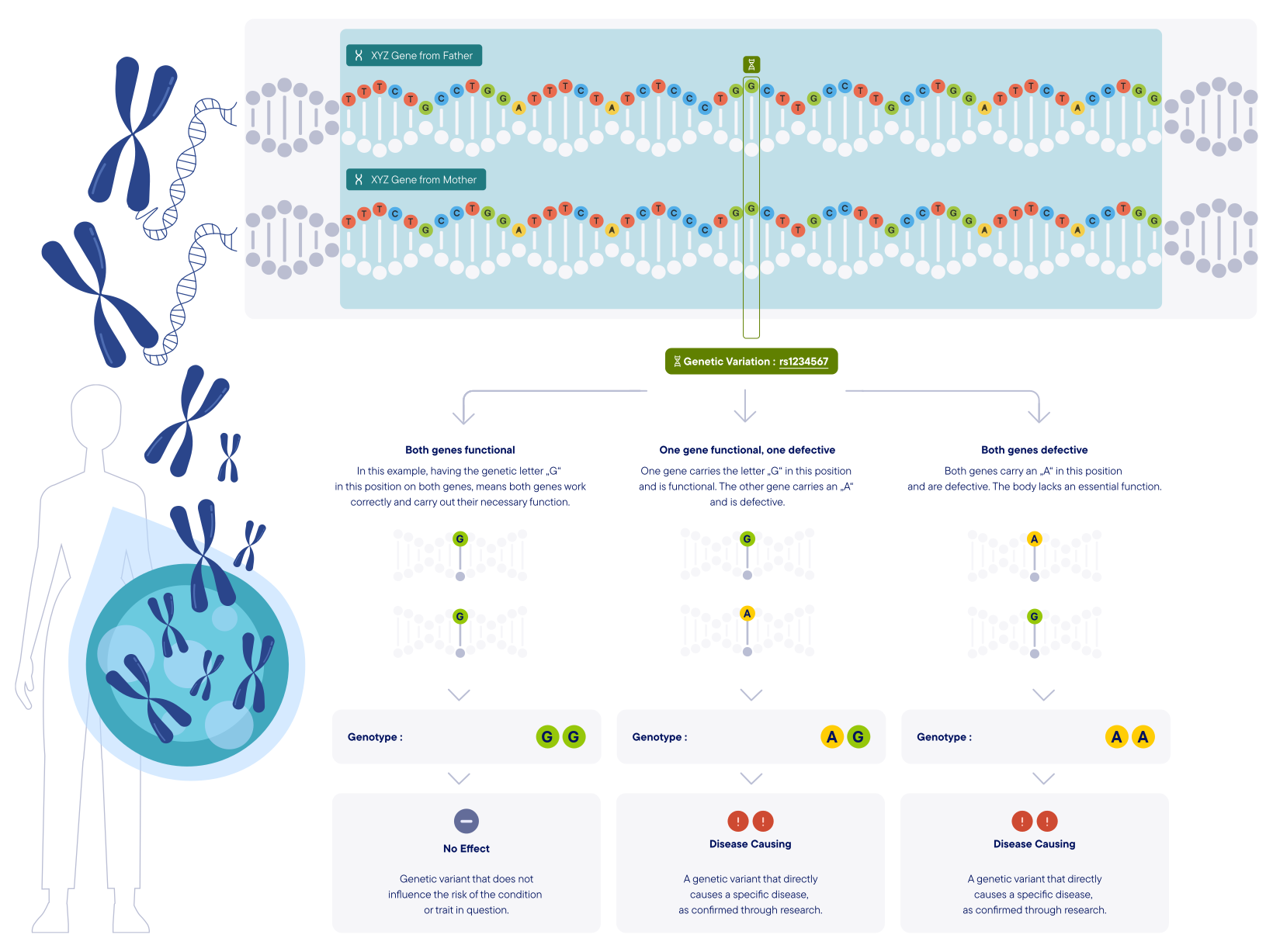
Humans have more than 20,000 genes, each carrying out one or a few specific functions in the body. One gene instructs the body to digest lactose from milk, another tells the body how to build strong bones and another prevents the body's cells from beginning to multiply uncontrollably and developing into cancer. As all of these genes combined are the building instructions for our body, a defect in one of these genes can have severe health consequences.
Through decades of genetic research, we know the genetic code of any healthy/functional human gene. We have also identified that in certain positions on a gene, some individuals may have a different genetic letter from the one you have. We call these hotspots "Genetic Variations" or "Variants" in short. In many cases, studies have been able to show that having the genetic letter "G" in the position makes you healthy, but having the letter "A" in the same position disrupts the gene function and causes a disease. Genopedia allows you to view these variants in genes and summarizes all that we know from scientific research, which genetic letters (Genotype) have good or bad consequences on your health or on your traits.
History
Throughout history, people have described long, lingering illnesses that caused swelling, weight loss, and fatigue, sometimes after years of living with infections or inflammatory conditions. Families and communities once noticed patterns in which someone with chronic joint pain or long-standing infections later developed kidney problems and swollen legs. Looking back helps explain how today’s understanding of AA amyloidosis emerged from those early observations.
First described in the medical literature as a “waxy” change in organs seen at autopsy, AA amyloidosis was initially recognized by its effects on the kidneys, liver, and spleen rather than its cause. In the 19th century, pathologists learned that the abnormal material in these organs bound special stains, allowing them to identify it more reliably. Over time, descriptions became more precise: doctors noticed the condition often followed tuberculosis, untreated infections of bone or skin, and, later, chronic inflammatory diseases like rheumatoid arthritis.
As medical science evolved, attention shifted from what could be seen under the microscope to what the deposits were made of. By the late 20th century, researchers showed that the buildup comes from a blood protein called serum amyloid A, which rises during long-term inflammation and, in some people, misfolds and accumulates. In recent decades, knowledge has built on a long tradition of observation. Improvements in managing infections and better treatment of inflammatory diseases led to fewer cases in some regions, while in others—where infections remain common—AA amyloidosis continues to be diagnosed.
Medical classifications changed as scientists learned that “amyloidosis” is not one condition but a group, sorted by the protein involved and where it builds up. This clarified why the early symptoms of AA amyloidosis often center on the kidneys—foamy urine from protein loss, swelling in the ankles—and why reducing inflammation can slow or prevent further damage. Advances in genetics refined the picture further, identifying inherited autoinflammatory conditions, such as familial Mediterranean fever, where high, repeated inflammatory bursts raise the risk of AA amyloidosis if not treated.
Despite evolving definitions, the thread through its history is consistent: persistent inflammation over months to years can set the stage for organ damage from amyloid deposits. Today, noninvasive imaging and small needle biopsies, targeted staining, and blood tests help confirm the diagnosis far earlier than in the past. Treatments now focus on controlling the underlying inflammation, which has transformed outcomes for many living with AA amyloidosis. Each stage in history has added to the picture we have today, turning scattered clinical clues into a clear, actionable approach to prevention and care.