
6q25 microdeletion syndrome is a genetic condition caused by a small missing piece on chromosome 6. People with 6q25 microdeletion syndrome often have developmental delays and learning differences that start in early childhood. Some have distinct facial features, feeding or growth challenges, and occasionally heart or skeletal differences. Care focuses on therapies, special education, and treating specific features such as seizures or heart issues. The outlook varies, but many people live long and full lives with supportive care.
Overview
6q25 microdeletion syndromeSymptoms
People with 6q25 microdeletion syndrome often show early developmental delays, speech and learning challenges, low muscle tone, and feeding difficulties. Other features can include short stature, distinctive facial traits, vision or hearing issues, and sometimes heart, kidney, or skeletal differences.
Outlook and prognosis
Many people with 6q25 microdeletion syndrome grow and learn at their own pace, often benefiting from early therapies and tailored school supports. Medical follow-up for hearing, vision, bones, and hormone health helps prevent setbacks. Long‑term independence varies, but steady progress is common.
Causes and risk factors
6q25 microdeletion syndrome stems from a missing segment of chromosome 6, usually arising spontaneously. Less often, it’s inherited from a parent with a chromosomal rearrangement. Family history or parental balanced translocation increases recurrence risk; environmental or lifestyle causes aren’t known.
Genetic influences
Genetics is central in 6q25 microdeletion syndrome, since the condition results from missing DNA on chromosome 6q25. The exact size and genes lost vary, driving differences in symptoms and severity. Most cases are de novo, but parental testing helps clarify recurrence risk.
Diagnosis
Doctors usually suspect it from clinical features. Diagnosis of 6q25 microdeletion syndrome is confirmed by genetic tests—most often chromosomal microarray; FISH or genome sequencing may help; prenatal imaging can raise suspicion.
Treatment and drugs
Treatment for 6q25 microdeletion syndrome focuses on each person’s needs. Care often includes early therapies (speech, physical, occupational), educational supports, feeding help, vision/hearing care, and monitoring growth, learning, and behavior, with specialists coordinating. Medicines may address seizures, attention, sleep, or mood.
Symptoms
Living with 6q25 microdeletion syndrome often involves a mix of developmental and health needs that show up in infancy or early childhood. Early on, this might look like slower motor skills, feeding difficulties, or frequent checkups for hearing or heart concerns. Parents may notice early features of 6q25 microdeletion syndrome such as low muscle tone and delayed speech, which can affect daily routines like eating, playing, and learning. Features can vary widely, and not every child will have the same combination.
Milestones such as sitting, crawling, or walking may come later than expected. Many children with 6q25 microdeletion syndrome benefit from early physical and occupational therapy. Progress can be steady with the right supports.
First words and clear speech may arrive late. Speech therapy can help build understanding and expression. Some children use gestures or pictures while speech develops.
Muscles can feel loose or floppy, making posture and stamina harder. This can affect feeding, sitting upright, and fine motor tasks. Strength and coordination often improve with practice.
Babies may tire with feeding, have reflux, or take longer to finish meals. This can lead to slow weight gain and stressful mealtimes. A feeding specialist can suggest safer positions, textures, and pacing.
How people usually first notice 6q25 microdeletion syndrome?
Many families first notice signs of 6q25 microdeletion syndrome in infancy through feeding difficulties, low muscle tone that makes a baby feel “floppy,” or slower-than-expected milestones like sitting and walking. Pediatric checkups may pick up small head size or distinctive facial features, and later, speech and learning delays often prompt genetic testing; sometimes an ultrasound during pregnancy raises early questions about growth or organ development, leading to further evaluation. In short, the first signs of 6q25 microdeletion syndrome are usually developmental delays and low muscle tone in early childhood, with diagnosis confirmed by chromosomal microarray or similar testing.
Types of 6q25 microdeletion syndrome
6q25 microdeletion syndrome can look different from one person to the next because the missing DNA segment can vary in size and in which genes are affected. Not everyone has a clear-cut subtype, but clinicians sometimes talk about variants based on which critical genes fall within the deleted stretch. This helps explain why some children have mainly growth and learning differences while others have added features like eye or skeletal findings. People may notice different sets of symptoms depending on their situation.
ESR1-including deletions
These deletions include the ESR1 gene and are often linked with growth differences, delayed puberty, or hormonal features. Some may have bone density concerns or differences in reproductive development.
NR2F2-including deletions
When the NR2F2 gene is lost, congenital heart differences and issues with blood vessels are more likely. Some may also have differences in facial shape and development.
ARID1B-adjacent deletions
Larger deletions that extend toward ARID1B can be associated with more pronounced developmental delay and speech challenges. Behavioral features or autism traits may also be present.
Small interstitial deletions
These smaller, focused deletions within 6q25 may spare key genes and lead to milder findings. For many, this can mean subtler learning differences and fewer physical features.
Extended 6q25–q26 losses
Larger deletions that span beyond 6q25 into neighboring regions tend to bring broader effects. Early symptoms of 6q25 microdeletion syndrome in this group may include feeding challenges, low muscle tone, and later motor delays.
Mosaic deletions
In mosaic cases, only some cells carry the deletion, which can soften the overall impact. The balance of symptoms can shift over time.
What genetics can tell you about symptoms
Some people with 6q25 microdeletion syndrome have learning differences, speech delay, short stature, distinctive facial features, and sometimes heart or skeletal differences because missing DNA at 6q25 disrupts genes that guide brain, growth, and organ development. Larger deletions often mean more features or greater severity.
Causes and risk factors
6q25 microdeletion syndrome happens when a small segment of chromosome 6 at q25 is missing. Most cases arise as a new change in the egg, sperm, or early embryo, and are not caused by anything parents did. It can also be inherited from a parent who has the same deletion or a balanced chromosome change that raises the chance of this deletion. There are no proven lifestyle or environmental risk factors, so known risk factors for 6q25 microdeletion syndrome mainly involve family history and parental carrier status. Genetic testing can sometimes clarify your personal risk.
Environmental and biological risk factors
Most factors that influence whether 6q25 microdeletion syndrome occurs act before pregnancy or in the earliest days after conception. Doctors often group risks into internal (biological) and external (environmental). While families may look for early symptoms of 6q25 microdeletion syndrome, the chance of the deletion itself usually comes from events during egg or sperm formation. For many, these are chance events rather than anything parents did or didn’t do.
Spontaneous DNA changes when eggs or sperm form can delete a small segment on chromosome 6. This is a common biological route for 6q25 microdeletion syndrome. These events happen by chance and are not caused by day-to-day activities.
With advancing age, sperm are more likely to carry new DNA changes. This may slightly raise the chance of new chromosomal changes such as microdeletions. The absolute risk for 6q25 microdeletion syndrome remains very low.
Significant radiation to the ovaries or testes before conception can damage DNA. This increases the likelihood of chromosomal breaks that can lead to microdeletions. Routine medical imaging uses much lower doses and is not thought to raise risk.
Some chemotherapy and pelvic radiation can temporarily harm egg or sperm DNA. Waiting for recovery before trying to conceive can reduce potential risk. If treatment was recent, a preconception visit can help clarify timing.
Genetic risk factors
The genetic driver is a small missing segment on chromosome 6 at band q25. In most families, it arises for the first time in the child, but it can also be inherited when a parent carries the same change or a balanced rearrangement. Risk is not destiny—it varies widely between individuals. Which genes are lost and whether a parent carries the change can shape early symptoms of 6q25 microdeletion syndrome and the chance of it recurring in a future pregnancy.

De novo deletion: Most cases occur as a new change in the egg or sperm, with parents’ chromosomes testing normal. This pattern accounts for many diagnoses of 6q25 microdeletion syndrome.
Inherited deletion: Sometimes the missing segment is passed from a parent who has the same microdeletion. The parent may have milder or different features, but each child has up to a 50% chance to inherit it.
Balanced rearrangement: A parent with a balanced translocation or inversion involving 6q25 can produce eggs or sperm with the microdeletion. This can raise the chance of having a child with 6q25 microdeletion syndrome in each pregnancy.
Parental mosaicism: Rarely, a parent has the change in a small fraction of their cells or only in the ovaries or testes. Standard blood testing can look normal, yet the recurrence risk is slightly higher than average.
Deletion size matters: The size of the missing piece varies from person to person. Larger deletions usually remove more genes and may lead to broader medical and developmental needs.
Key genes lost: Features depend on which genes sit inside the deleted segment. Loss of genes such as ARID1B or TAB2 has been linked to learning differences or congenital heart defects.
One copy missing: Losing a single copy of the 6q25 region can be enough to cause the condition. This pattern is autosomal dominant, so an affected parent has a 50% chance to pass it on.
Genomic hotspots: Repeated DNA sequences near 6q25 can make the region prone to misalignment during cell division. This can lead to the microdeletion through a natural copying error.
Family history signal: Having a close relative with 6q25 microdeletion syndrome increases the chance another family member could carry it. Genetic counseling and testing can clarify who else is at risk.
Variable expressivity: People with the same change can have very different strengths and challenges. This variability makes it hard to predict exact outcomes in 6q25 microdeletion syndrome.
Lifestyle risk factors
6q25 microdeletion syndrome is a genetic condition; lifestyle habits do not cause it, but they can meaningfully influence day-to-day function, symptom control, and complication risks. Focusing on how lifestyle affects 6q25 microdeletion syndrome can support growth, learning, communication, and mobility. The points below translate daily choices into practical benefits for individuals with this syndrome.
Consistent, calorie- and protein-adequate meals support growth in children who may have feeding difficulties or low weight gain. High-fiber, well-hydrated diets can ease constipation that is common with low muscle tone.
Small, frequent meals and upright positioning can reduce reflux and choking risk in those with oral–motor incoordination. Working in safe textures supports nutrition while building swallowing skills.
Daily, play-based movement and guided exercises can strengthen hypotonic muscles and improve motor milestones. Regular activity also supports bone health and balance, lowering fall risk.
Practicing home therapy programs between clinic visits helps maintain gains in strength, posture, and coordination. Consistency can reduce contractures and promote more independent mobility.
Risk prevention
For most families, 6q25 microdeletion syndrome isn’t something you can fully prevent, because the change in chromosome 6 often happens by chance at conception. Planning steps before or during a future pregnancy can lower the chance of recurrence when a parent carries a related chromosomal change. Prevention is about lowering risk, not eliminating it completely. For people living with 6q25 microdeletion syndrome, prevention focuses on avoiding complications and keeping development on track.
A genetics professional can explain how 6q25 microdeletion syndrome happens and what the recurrence risk might be. They can walk through testing and family-planning options tailored to your situation.
Testing a parent’s chromosomes (such as a karyotype or microarray) can show if a balanced rearrangement or the same deletion is present. This information helps estimate the chance of the deletion happening again.
If there’s a known familial change, targeted testing by chorionic villus sampling or amniocentesis can check a pregnancy for 6q25 microdeletion syndrome. These tests can detect the deletion but cannot change the outcome, allowing time to plan care.
In vitro fertilization with preimplantation genetic testing can select embryos without a known familial deletion or rearrangement. This may reduce the chance of passing on the condition.

Transmission
6q25 microdeletion syndrome is a genetic condition and is not infectious—you can’t catch it or spread it through contact, droplets, or bodily fluids. If you’re wondering about genetic transmission of 6q25 microdeletion syndrome, most cases happen because of a new, random missing segment on chromosome 6 in the egg or sperm, so there’s no prior family history. Sometimes 6q25 microdeletion syndrome is inherited from a parent who also carries the deletion; in that situation, each pregnancy has a 50% chance of receiving the same change, and features can vary even within a family. When neither parent has the deletion on testing, the chance of it happening again is low but not zero, so a genetics appointment can help you discuss how 6q25 microdeletion syndrome is inherited and options for testing during a future pregnancy or before pregnancy.
When to test your genes
6q25 microdeletion syndrome is genetic/congenital, so testing is most useful when there’s a suggestive pattern: developmental delays, growth differences, learning challenges, or congenital features, especially with a family history. Test early in childhood to guide therapies, medical surveillance, and educational supports. Adults with unexplained features or planning a pregnancy may also consider testing for reproductive counseling.
Diagnosis
For many, the first hints are delays in sitting or talking, feeding challenges, or subtle facial features noticed in infancy or early childhood. Getting a diagnosis is often a turning point toward answers and support. Confirmation usually comes from genetic tests that show a small missing segment of chromosome 6 in the 6q25 region; the genetic diagnosis of 6q25 microdeletion syndrome depends on identifying that deletion. The steps below outline how providers typically evaluate and confirm the condition.
A genetics-informed exam reviews growth, development, learning, and any distinctive physical features. This helps guide which genetic tests are most appropriate and rules out more common causes.
This first-line genetic test looks for small missing or extra DNA segments across all chromosomes. It can detect a 6q25 microdeletion, estimate its size, and list genes involved.
Tests like FISH, MLPA, or qPCR may be used to confirm the 6q25 deletion found on microarray. They can also check for the same change in other family members when needed.
Testing both parents shows whether the 6q25 microdeletion is new (de novo) or inherited. This information refines recurrence risk for future pregnancies and informs family screening.
Stages of 6q25 microdeletion syndrome
6q25 microdeletion syndrome does not have defined progression stages. That’s because features depend on which genes are missing in that small region of chromosome 6, so abilities and health needs can vary widely and may change with age, but not in a predictable, stepwise pattern. Diagnosis usually involves a clinical exam and a DNA-based test such as chromosomal microarray to confirm the deletion, especially if early symptoms of 6q25 microdeletion syndrome include developmental delays, feeding issues, or differences in growth. Genetic testing may be offered to clarify certain risks.
Outlook and prognosis
Looking at the long-term picture can be helpful. For many living with 6q25 microdeletion syndrome, everyday life revolves around supporting development—speech therapy, occupational therapy, and individualized education plans are common. Many people find that symptoms improve in small steps over time, especially when therapies start early and are kept consistent. Growth differences and learning challenges may persist into adulthood, but many people develop practical communication strategies and routines that work for them.
Prognosis refers to how a condition tends to change or stabilize over time. In 6q25 microdeletion syndrome, the outlook is quite variable because the size of the missing segment and which genes are affected differ from person to person. Some people experience mild learning differences and reach independent living, while others notice ongoing support needs for communication, mobility, or daily skills. Early symptoms of 6q25 microdeletion syndrome often relate to feeding, low muscle tone, and delayed milestones; these can ease as strength and skills build, though developmental differences usually remain. Life expectancy is generally near typical when there are no major heart, breathing, or severe feeding complications; serious medical issues are less common but can influence mortality if present.
Everyone’s journey looks a little different. With ongoing care, many people maintain stable health, and the focus shifts toward maximizing independence, social participation, and quality of life. Talk with your doctor about what your personal outlook might look like, including how your child’s or your specific genetic findings, therapies, and any coexisting medical concerns shape the path ahead.
Long-term effects
For many, the long-term picture centers on development, learning, and day-to-day independence. Long-term effects vary widely, depending on which genes are missing and any organ differences present. Some children show early symptoms of 6q25 microdeletion syndrome such as feeding or growth concerns, while others come to attention later for speech and learning. Overall health outlook often depends on the presence and severity of heart, kidney, or neurological features rather than the label alone.
Intellectual abilities range from mild to moderate differences. Many people need extra time to learn new skills, and progress often continues into adolescence.
First words and phrases may arrive later than typical. Ongoing differences in expressive language and clarity can persist into adulthood in 6q25 microdeletion syndrome.
Low muscle tone and coordination differences can make walking, balance, and fine hand skills slower to develop. Some motor challenges remain long term, though basic mobility is often achieved.
Some have smaller overall stature or head size compared with peers. These growth traits in 6q25 microdeletion syndrome usually stay stable over time rather than worsening.
How is it to live with 6q25 microdeletion syndrome?
Living with 6q25 microdeletion syndrome often means navigating developmental delays, learning differences, and possible speech or motor challenges that can affect schooling, self-care, and day-to-day independence. Medical follow-up is common, and therapies like speech, occupational, and physical therapy can become part of the weekly routine, helping many build skills over time. Families and caregivers may adjust schedules, advocate in educational settings, and coordinate care, which can be tiring but also creates strong support networks and celebrates steady, meaningful gains. Friends, teachers, and relatives usually play important roles when they understand the person’s strengths, offer patience with communication or pacing, and keep expectations flexible.
Treatment and drugs
Treatment for 6q25 microdeletion syndrome focuses on the specific needs of each person rather than a single medicine, because this condition can affect development, learning, growth, and sometimes organs like the heart or kidneys. Care usually includes early intervention therapies—such as speech, physical, and occupational therapy—plus educational support and, when needed, feeding therapy, vision or hearing aids, and behavioral supports for attention or autism-like features. Doctors sometimes recommend a combination of lifestyle changes and drugs, for example using seizure medications if seizures occur, reflux medicines for feeding difficulties, or sleep supports when sleep is disrupted. Surgery or specialist care may be needed for structural differences (like a heart defect or cleft palate), and regular check-ins with genetics, cardiology, neurology, and other teams help track progress and adjust the plan. Finding the right therapy can take some time, so keep track of changes and share them with your care team to fine-tune support as your child grows.
Non-drug treatment
Living with 6q25 microdeletion syndrome often means focusing on therapies that build everyday skills—communication, movement, feeding, and learning—rather than medicines alone. Non-drug treatments often lay the foundation for progress and independence. For families navigating early symptoms of 6q25 microdeletion syndrome, starting services early can help daily routines feel easier and support developmental gains. Care plans are individualized and may change over time as needs evolve.
Coordinated services in infancy and toddler years can support development during a critical window. A team approach helps identify needs and set goals.
Targeted exercises can improve muscle tone, balance, and gross motor skills. This may help with rolling, sitting, standing, and walking.
Skills practice can strengthen hand use, self-care, and play. Therapists adapt tasks and tools so everyday activities are easier.
Support for speech, understanding, and social communication can build confidence and connection. Feeding and swallowing skills may also be addressed by trained clinicians.
Your genes may have an impact on how drugs work for you
Medicines for 6q25 microdeletion syndrome can work differently because gene losses may change how bodies process drugs or how brain and body pathways respond. Genetic testing and careful dose adjustments help clinicians choose safer, more effective treatments for each person.
Pharmacological treatments
Daily life with 6q25 microdeletion syndrome is shaped by symptoms like seizures, feeding issues, sleep problems, and attention challenges, so medicines are chosen based on what’s most pressing for you or your child. Drugs that target symptoms directly are called symptomatic treatments. Early symptoms of 6q25 microdeletion syndrome can guide which medicines are tried first, and plans often change as needs change. Your care team will review benefits and side effects regularly and coordinate medicines with therapies, nutrition support, and education plans.
Levetiracetam is a common first choice to prevent seizures. If seizures continue or side effects limit use, alternatives like valproate, oxcarbazepine, or lamotrigine may be tried.
Methylphenidate can improve focus and reduce impulsivity at school and home. Guanfacine or atomoxetine may be options if stimulants are not a good fit.
Baclofen can ease spasticity and reduce painful muscle tightness. Dosing may be increased or lowered gradually to find steady relief.
Omeprazole lowers stomach acid to ease reflux and protect the esophagus. This can improve feeding comfort in children with 6q25 microdeletion syndrome.
Genetic influences
The genetic change behind this condition is a small missing piece of chromosome 6 in the q25 region, which leaves only one working copy of certain genes. In 6q25 microdeletion syndrome, the size of the missing segment and the specific genes involved can differ, and because of that, early symptoms of 6q25 microdeletion syndrome and later health needs can vary widely. Most cases happen as a new (“de novo”) change in the egg or sperm and aren’t caused by anything parents did, but sometimes the deletion is inherited from a parent who carries the same change or has a balanced chromosome change. When a parent carries the deletion, the chance of passing it on is about 50% with each pregnancy; if parental testing is normal, the chance of it happening again is usually low. DNA testing can sometimes identify these changes. Meeting with a genetics professional can help you understand which genes are involved, what the results mean for your family, and whether other relatives might consider testing.
Is 6q25 microdeletion syndrome genetic?
Genetics is central in 6q25 microdeletion syndrome, since the condition results from missing DNA on chromosome 6q25. The exact size and genes lost vary, driving differences in symptoms and severity. Most cases are de novo, but parental testing helps clarify recurrence risk.
Pharmacogenetics—how genetics influence drug effects
For people with 6q25 microdeletion syndrome, treatment is symptom-based, so medication choices focus on seizures, heart and feeding issues, mood or behavior, sleep, and pain, with careful dosing and monitoring. The deletion itself doesn’t typically remove the common liver-enzyme genes that determine how medicines are broken down, so the same pharmacogenetic principles used in the general population apply here. Responses to some anti-seizure medicines, antidepressants, and certain pain relievers can differ because some individuals process these drugs more slowly while others clear them quickly, which can change both dose needs and side-effect risk. Genetic testing can sometimes identify how your body processes certain medicines, and doctors may use those results to help pick or dose treatments used in 6q25 microdeletion syndrome. Because the exact genes missing and the medical features vary from person to person, there isn’t a single drug–gene pattern for this condition; clinicians usually combine pharmacogenetic results with weight, organ function, and other clinical factors. If anesthesia or sedation is needed for procedures, teams plan individually based on heart, airway, and muscle tone considerations rather than any one genetic marker, reflecting practical medication considerations in 6q25 microdeletion syndrome.
Interactions with other conditions
Living with 6q25 microdeletion syndrome often means managing more than one health issue at a time, which can change day-to-day needs and priorities. Doctors call it a “comorbidity” when two conditions occur together. In 6q25 microdeletion syndrome, it’s common to also see neurodevelopmental conditions such as autism or ADHD, seizures, hearing or vision differences, and sometimes heart or kidney findings, and these can influence how treatments are chosen and in what order. Some people show features that overlap with other rare genetic syndromes that affect growth, bones, or learning, which can make it harder to know which diagnosis is driving a specific symptom. Medicines for seizures or attention symptoms may interact with feeding challenges, low muscle tone, or sleep problems, so care teams often coordinate across neurology, cardiology, audiology, and developmental services. Early symptoms of 6q25 microdeletion syndrome—like poor feeding, low muscle tone, or delayed milestones—can stand out more when reflux, frequent ear infections, or sleep apnea are also present.
How genes can cause diseases
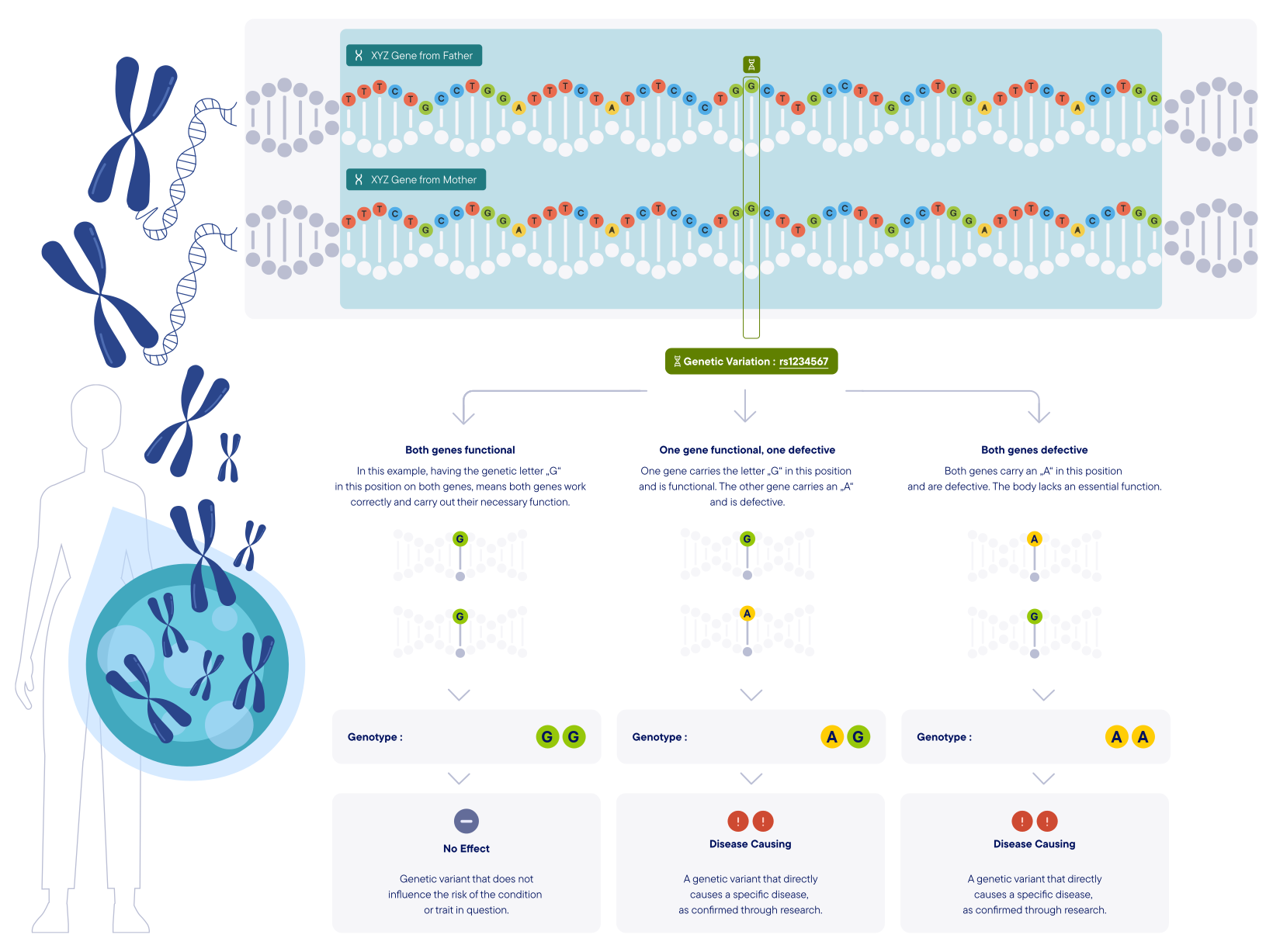
Humans have more than 20,000 genes, each carrying out one or a few specific functions in the body. One gene instructs the body to digest lactose from milk, another tells the body how to build strong bones and another prevents the body's cells from beginning to multiply uncontrollably and developing into cancer. As all of these genes combined are the building instructions for our body, a defect in one of these genes can have severe health consequences.
Through decades of genetic research, we know the genetic code of any healthy/functional human gene. We have also identified that in certain positions on a gene, some individuals may have a different genetic letter from the one you have. We call these hotspots "Genetic Variations" or "Variants" in short. In many cases, studies have been able to show that having the genetic letter "G" in the position makes you healthy, but having the letter "A" in the same position disrupts the gene function and causes a disease. Genopedia allows you to view these variants in genes and summarizes all that we know from scientific research, which genetic letters (Genotype) have good or bad consequences on your health or on your traits.
History
Throughout history, people have described children who were smaller than expected, developed skills later than their peers, or had distinctive facial features, without knowing why. Families and communities once noticed patterns that seemed to “run in the family,” yet the underlying cause stayed hidden. Only with modern chromosome studies did clues begin to surface for what we now call 6q25 microdeletion syndrome.
First described in the medical literature as small missing pieces on the long arm of chromosome 6, this condition came into focus as testing moved from basic chromosome pictures to higher‑resolution tools. In the 1970s and 1980s, standard karyotypes could only spot large changes. Many living with 6q25 microdeletion syndrome would have had normal results then, despite clear symptoms. As medical science evolved, subtler methods like fluorescence in situ hybridization (FISH) and, later, chromosomal microarray and genomic sequencing revealed tiny deletions in the 6q25 region that earlier tests missed.
In recent decades, knowledge has built on a long tradition of observation. As more people received a precise genetic diagnosis, researchers compared features and early symptoms of 6q25 microdeletion syndrome across different ages and backgrounds. This helped identify common patterns—such as developmental delays and growth differences—while also showing that not everyone is affected in the same way. Some have mild learning needs and grow into independent adulthood; others require more support with movement, speech, or schooling.
Medical classifications changed as the exact breakpoints within 6q25 were mapped. Scientists began linking specific genes within this region to certain features, like bone health, growth, or learning. These gene‑by‑gene insights explained why two people with “6q25 microdeletion syndrome” might look quite different clinically: the size and location of the missing segment can act like a dimmer switch, changing how strongly a feature appears.
Genetics also clarified inheritance. Early on, many assumed the change always happened for the first time in a child. With broader testing, clinicians found that while the deletion often arises new (de novo), some parents carry the same change—sometimes with few or no noticeable features—and can pass it on. This history of shifting understanding highlights why modern genetic counseling is so important for families.
Looking back helps explain the present. What was once unexplained or even misattributed is now recognized as a specific chromosomal condition with a name, a cause, and evolving care pathways. The history of 6q25 microdeletion syndrome reflects a wider story in genetics: as tools improve, diagnoses become clearer, prognoses more personalized, and support better targeted for the people who need it.