
46,XY sex reversal 7 is a rare genetic condition where someone has an XY chromosome pattern but develops female or atypical sex characteristics. Features may include typical female external genitals, differences in the uterus or ovaries, or underdeveloped testes found later in life. Many people with 46,XY sex reversal 7 are identified in infancy or childhood, but some are diagnosed in adolescence due to delayed puberty or in adulthood during fertility checks. It is lifelong, and the outlook varies, but many people live long and full lives. Care focuses on individualized hormone support, monitoring of potential gonadal tissue with cancer risk management, and supportive care from endocrinology, gynecology, urology, and genetics.
Overview
46,xy sex reversal 7Symptoms
People with 46,xy sex reversal 7 often have female or ambiguous external genitalia at birth. Early signs of 46,xy sex reversal 7 include undescended or absent testes, and later primary amenorrhea, limited breast development, and infertility.
Outlook and prognosis
Many living with 46,XY sex reversal 7 lead full, active lives with tailored care. Outlook depends on the specific differences in development, hormone levels, and timing of support, including puberty planning and fertility guidance. Regular follow-up helps protect bone, heart, and emotional health.
Causes and risk factors
46,XY sex reversal 7 usually stems from a gene variant that disrupts testis development before birth. Changes may be inherited or arise de novo. Family history raises risk; environmental or lifestyle factors do not cause it but can modify severity.
Genetic influences
Genetics is central in 46,XY sex reversal 7. Variants in specific genes disrupt typical testis development and hormone signaling, leading to differences in sex development. Inheritance may be autosomal dominant or recessive, but many cases arise from new, spontaneous variants.
Diagnosis
Doctors assess genital development, hormone levels, and reproductive anatomy. Genetic tests, often sequencing panels, confirm the diagnosis; imaging may support findings. Early genetic diagnosis of 46,xy sex reversal 7 guides care and family counseling.
Treatment and drugs
Treatment for 46,XY sex reversal 7 focuses on affirming care tailored to the person’s sex development, goals, and health. Plans may include hormone therapy, surgeries when desired, fertility counseling, and bone and heart monitoring. Ongoing psychological support and specialized genetics/endocrine care are central.
Symptoms
Signs often show up around birth or not until puberty, depending on how the reproductive organs develop. Early features of 46,xy sex reversal 7 can include a genital appearance that doesn’t fit typical male or female patterns, or typical female-appearing genitalia in someone with XY chromosomes. At puberty, many notice a lack of expected changes, like little breast development or no first period. Features vary from person to person and can change over time.
The genitals may look different than expected for a boy or a girl. This can include a larger clitoris, a smaller penis, or the urine opening lower than usual. Some babies have typical female-appearing genitals despite having XY chromosomes.
One or both sex glands (gonads) may not be felt in the scrotum or groin. They may be small or underdeveloped. Doctors sometimes find them during surgery for a hernia.
A uterus and fallopian tubes may be present if the early sex glands did not send certain signals. This can be seen on ultrasound in childhood or the teen years. Having a uterus may allow periods and pregnancy with the right medical care.
Breast development may not start, or masculinizing changes like a deeper voice do not happen as expected. Growth and body changes often need hormone treatment in 46,xy sex reversal 7. Teens may feel out of sync with peers.
How people usually first notice 46,xy sex reversal 7?
Many families first notice 46,XY sex reversal 7 when a baby with an XY (typically male) chromosome pattern is born with genital features that look different from typical male or female anatomy, prompting newborn exam or ultrasound follow-up. Doctors may also suspect it in infancy or early childhood if the testes haven’t descended, there’s a very small penis or an enlarged clitoris, or later if puberty doesn’t progress as expected. In practice, the first signs of 46,XY sex reversal 7 are often differences in external genital development at birth, with genetic and hormone testing confirming how the condition is first noticed.
Types of 46,xy sex reversal 7
46,XY sex reversal 7 is a rare genetic condition where someone with typically male chromosomes (46,XY) develops female or under-virilized genital features. Variants of this condition are defined by the specific gene change and how much it disrupts testis development and hormone signaling. People may notice different sets of symptoms depending on their situation. When talking about types of 46,XY sex reversal 7, clinicians look at recognized clinical variants based on degree of gonadal development and hormone function.
Complete gonadal dysgenesis
The gonads do not develop into working testes and often become streak gonads. Genitalia appear typically female at birth, and puberty usually requires hormone support.
Partial gonadal dysgenesis
Testis development is incomplete, leading to ambiguous or under-virilized genitalia. Puberty changes can be mixed, and some testosterone production may be present but often not enough for typical male development.
Ovo‑testicular development
A gonad may contain both ovarian and testicular tissue. External genital features can be mixed, and hormone patterns vary widely depending on which tissue is more active.
Hormone‑resistant variant
The body makes some sex hormones but tissues respond poorly. This can lead to undervirilization despite measurable hormone levels, and may become clearer during puberty.
Gonadal tumor‑prone variant
Streak or dysgenetic gonads carry a higher risk of germ cell tumors. Early removal of nonfunctional gonads is sometimes recommended to reduce cancer risk.
What genetics can tell you about symptoms
Some people with 46,XY sex reversal 7 have a typical male (46,XY) chromosome pattern but develop female or ambiguous genitalia because variants in the NR5A1 (SF-1) gene disrupt signals that guide testes development. These changes can also cause undescended testes, small gonads, and low sex hormones.
Causes and risk factors
46,xy sex reversal 7 is usually caused by a change in a gene that directs fetal sex development.
Risk factors for 46,xy sex reversal 7 are mostly genetic, whether inherited from a parent or arising as a new change at conception.
Family history can raise risk, but many families have no prior cases.
Other factors like fetal hormone balance and the timing of development can shape how strongly features appear.
Genes set the stage, but environment and lifestyle often decide how the story unfolds.
Environmental and biological risk factors
Families often want to know what might raise or lower the chance of 46,xy sex reversal 7 before or during pregnancy. Doctors often group risks into internal (biological) and external (environmental). When discussing risk factors for 46,xy sex reversal 7, most attention focuses on events early in fetal development, when the gonads and hormone systems are forming. Many of these factors are uncommon and often beyond anyone’s control.
Conception with an older father (often over 40–45 years) is linked with a higher chance of age-related changes in sperm. These changes can raise the likelihood of developmental differences that may include disorders of sex development such as 46,xy sex reversal 7.
Pregnancy at age 35 or older carries a higher chance of developmental differences in the embryo. While not specific to 46,xy sex reversal 7, this background risk may slightly raise the likelihood of atypical sex development.
Preexisting diabetes that is not well controlled around conception and early pregnancy increases the risk of birth differences. This can include effects on genital and testis development relevant to 46,xy sex reversal 7.
Early problems with the placenta can reduce signals that support fetal testis function. Lower support may lead to reduced hormone production during a critical window, increasing the risk of atypical sex development.
Genetic risk factors
Several genetic changes can lead to 46,xy sex reversal 7. Scientists have identified variants that alter how the embryo switches on testis development, as well as changes that reduce the activity of genes needed to keep that process going. This section explains the genetic causes of 46,xy sex reversal 7 and who in a family may be at higher risk. In some cases, genetic testing can give a clearer picture of your personal risk.

Single-gene variants: Changes in a gene that starts or stabilizes testis development can cause 46,xy sex reversal 7. These variants may weaken the signal that guides the embryo toward male-pattern development.
Regulatory DNA changes: Alterations in nearby switch regions can dial down a critical gene without changing the gene letters themselves. This can lead to the same outcome as a direct gene mutation.
Gene dosage shifts: Extra or missing copies of key genes can tip the balance toward ovarian development in 46,xy sex reversal 7. Duplications or deletions in these regions are a well-known mechanism.
Y-chromosome signals: Small changes near the Y-linked testis-determining signal can blunt the early cue for testis formation. Some changes are too small to see on a standard chromosome study.
X-linked antagonists: Increased activity of certain X-linked genes can oppose testis determination. Extra copies in these regions can be inherited from a mother without symptoms.
Autosomal inheritance: In some families, 46,xy sex reversal 7 follows a dominant pattern with variable features. A parent with a mild or unrecognized form can pass it on.
Recessive risk factors: When both parents carry the same rare change, a child can inherit two nonworking copies. This is more likely when parents are related by blood.
De novo variants: A new change can arise at conception with no prior family history. Recurrence risk is usually low but not zero if a parent has germline mosaicism.
Parental mosaicism: A parent can carry the genetic change in a fraction of egg or sperm cells without any outward signs. This can raise the chance of 46,xy sex reversal 7 in more than one child.
Structural rearrangements: Inversions or translocations that move key sex-determining genes can disrupt their timing. Effects depend on which genes and regulatory regions are altered.
Lifestyle risk factors
Lifestyle habits do not cause this condition, but they can influence symptoms, treatment side effects, and long-term health. Many people face low sex hormone levels and may use hormone therapy, which can affect bones, mood, and cardiometabolic risk. Understanding how lifestyle affects 46,XY sex reversal 7 can help personalize daily choices to support health. The points below focus on practical behaviors tied to real outcomes in this condition.
Eating enough calcium- and vitamin D–rich foods supports bone density when sex hormones are low or during hormone therapy. Diets low in these nutrients raise fracture risk.
Resistance and impact activities stimulate bone formation and preserve muscle mass. Sedentary habits increase osteoporosis risk and frailty in the setting of hypogonadism.
Regular moderate-intensity cardio helps manage lipids, blood pressure, and weight during hormone therapy. Inactivity can worsen cardiovascular risk, especially with estrogen use.
Both impair bone health and can interfere with hormone metabolism. Limiting them lowers fracture risk and may reduce thrombotic and liver-related complications during treatment.
Risk prevention
46,xy sex reversal 7 is a genetic condition present from birth, so you can’t prevent it entirely. Prevention focuses on lowering risks across life—protecting future fertility, reducing tumor risk in underdeveloped gonads, and supporting healthy puberty and adulthood. Early care in a clinic that specializes in differences in sex development helps families understand choices and plan steps over time. Prevention works best when combined with regular check-ups.
Meet with a genetics professional to understand inheritance and chances in future pregnancies. This helps clarify whether relatives could be affected by 46,xy sex reversal 7.
If you’re planning a pregnancy, discuss prenatal testing or IVF with embryo testing. These steps can lower the chance of having another child with 46,xy sex reversal 7.
Connect with a multidisciplinary DSD team soon after birth or diagnosis. Early guidance can catch early symptoms of 46,xy sex reversal 7 and map out safe, stepwise care.
Some people with 46,xy sex reversal 7 have underdeveloped gonadal tissue that can carry a cancer risk. Regular imaging and exams—or preventive removal when risk is high—can reduce that risk.

Transmission
46,xy sex reversal 7 is a genetic condition present from birth; it isn’t contagious and cannot be “caught” from someone else. It usually stems from a change in a gene that guides development of the sex glands (testes) before birth; this change can be inherited from a parent or can occur as a new, unexplained change in the child.
How 46,xy sex reversal 7 is inherited varies with the specific gene involved. Some families show autosomal dominant inheritance (one altered copy is enough, giving up to a 50% chance for each child), others have autosomal recessive inheritance (both parents are carriers, with a 25% chance in each pregnancy), and more rarely an X-linked pattern. A genetics team can explain the genetic transmission of 46,xy sex reversal 7 in your family and provide personalized recurrence risks.
When to test your genes
Consider genetic testing if there’s a mismatch between chromosomes and development (such as ambiguous genitalia, delayed or atypical puberty, or unexpected infertility), or a family history of differences in sex development. Test before irreversible treatments. Early results help guide hormones, fertility planning, cancer screening, and supportive, person-centered care.
Diagnosis
For many families, the first clue is noticed at birth, such as genital differences that don’t match typical male or female patterns, or later at puberty when expected changes don’t occur. Getting a diagnosis is often a turning point toward answers and support. Doctors usually combine a careful exam with lab tests and imaging to understand how the body is developing and functioning. The goal is a clear and accurate diagnosis of 46,xy sex reversal 7 to guide care and future planning.
Clinicians look for features like genital appearance, testicular position, and signs of puberty over time. These findings help point to differences in sex development that need further testing.
A detailed family and health history can help identify patterns that run in families. Information about pregnancy exposures, growth, and prior test results also guides which tests come next.
Blood tests check levels of hormones such as testosterone, AMH, LH, and FSH. Sometimes stimulation tests are used to see how the testes and hormone pathways respond.
A karyotype confirms the chromosome pattern, typically 46,XY in this condition. This step helps separate chromosomal causes from other differences.
Stages of 46,xy sex reversal 7
46,xy sex reversal 7 does not have defined progression stages. It is a difference present from birth in how sex characteristics form, so it doesn’t move through set steps over time; later changes often relate to puberty and individual care decisions rather than disease progression. Different tests may be suggested to help confirm the diagnosis; when doctors assess early symptoms of 46,xy sex reversal 7 in newborns, they often look at genital appearance, check hormone levels, and may order imaging and a genetic test.
Outlook and prognosis
Looking at the long-term picture can be helpful. Many living with 46,XY sex reversal 7 grow up healthy and active, but needs can vary depending on how the gonads developed, hormone levels, and timing of diagnosis. Early care can make a real difference in growth, bone health, and establishing puberty. Some people also face decisions about surgery, fertility options, or cancer risk management, which are best handled with a specialist team experienced in differences in sex development.
Doctors call this the prognosis—a medical word for likely outcomes. Lifespan is typically normal, and mortality is not increased when tumors are prevented or caught early. The main health concerns relate to hormone balance, bone strength, and the chance of gonadal tumors in under‑developed or undescended gonads; your team may recommend removing high‑risk gonadal tissue and creating a hormone plan to support wellbeing. Many people ask, “What does this mean for my future?”, and for many, this means regular check‑ups, tailored hormone therapy, and counseling to support sexual health and identity over time.
Everyone’s journey looks a little different. Early symptoms of 46,XY sex reversal 7 might be noticed at birth or only during puberty, and earlier diagnosis usually leads to smoother transitions through adolescence and adulthood. With ongoing care, many people maintain strong bones, stable mood and energy, and fulfilling relationships, with quality of life comparable to peers. Talk with your doctor about what your personal outlook might look like, including fertility possibilities, cancer‑risk reduction, and what to expect during key life stages.
Long-term effects
Living with 46,XY sex reversal 7 often involves thinking about how growth, puberty, and long-term health play out over time. In many, the outward body pattern follows a typical female path, while the internal reproductive organs and hormone levels differ. Long-term effects vary widely, and no two people have exactly the same course. Early features of 46,XY sex reversal 7 can show up in childhood, while other traits become clearer around puberty and adulthood.
Puberty may be delayed or not start on its own. Sex hormone levels can stay low without the usual changes seen in the teenage years.
Natural fertility is often not possible because the gonads do not produce eggs or sperm. For many, this can mean lifelong infertility.
Dysgenetic or underdeveloped gonads can carry a higher risk of tumors over time. This risk tends to increase across adolescence and adulthood.
Lifelong low estrogen or testosterone can lead to lower bone mineral density. This can raise the chance of bone thinning or fractures later in life.
How is it to live with 46,xy sex reversal 7?
Living with 46,XY sex reversal 7 can mean moving through life with a body and identity that don’t always match typical expectations, which can affect everything from puberty timing to fertility planning and how you navigate medical spaces. Day to day, people often balance routine health care—like hormone management, bone health monitoring, and regular check-ins—with the emotional work of self-acceptance and communicating needs to partners, family, and clinicians. Loved ones may feel uncertain at first, but with clear information and support, many become strong allies, helping create an affirming home and social circle. With knowledgeable care and community, many find a steady rhythm that protects health, supports identity, and makes long-term goals—education, work, relationships—fully attainable.
Treatment and drugs
Treatment for 46,XY sex reversal 7 focuses on the person’s needs rather than a single standard plan, and care is usually coordinated by a specialized team that may include endocrinology, urology/gynecology, genetics, mental health, and fertility experts. Early steps often include hormone evaluation and, when appropriate, hormone replacement to support puberty, bone health, sexual function, and overall well-being; a doctor may adjust your dose to balance benefits and side effects. Surgical options are individualized and may address genital differences, gonadal management to reduce tumor risk if present, and later fertility procedures, with decisions guided by careful counseling and personal goals. Psychological support and peer resources are important at every age, and supportive care can make a real difference in how you feel day to day. Because needs change over time, treatment plans often combine several approaches and are reviewed regularly to match growth, life stage, and preferences.
Non-drug treatment
Living with 46,xy sex reversal 7 often means coordinating care for both health and identity needs over time. Beyond prescriptions, supportive therapies can help you understand options, protect long‑term health, and feel more at ease in your body and daily life. Because early symptoms of 46,xy sex reversal 7 can be subtle, regular check‑ins with a team familiar with differences in sex development (DSD) are useful. Plans are individualized and may change across childhood, adolescence, and adulthood.
A coordinated team (endocrinology, urology/gynecology, genetics, psychology) streamlines visits and decisions. This approach helps align medical, surgical, and social supports for 46,xy sex reversal 7.
Ongoing counseling offers space to process identity, body image, and medical choices. It can ease anxiety around exams, procedures, and school or work.
Meeting others with DSD reduces isolation and shares practical tips. Sharing the journey with others can build confidence and resilience.
Counseling explains the genetic findings in 46,xy sex reversal 7 and what they mean for family planning. It also helps relatives decide if testing makes sense.
Your genes may have an impact on how drugs work for you
Medicines used in 46,XY sex reversal 7 can work differently based on genetic variants that affect hormone receptors, metabolism enzymes, and how tissues respond. Pharmacogenetic testing may guide dose, choice, and monitoring to improve benefits and reduce side effects.
Pharmacological treatments
Medicines for 46,XY sex reversal 7 focus on replacing or modulating hormones to support healthy puberty, sexual function, and bone strength. Plans are individualized based on age, gender goals, and whether the gonads make enough hormones. Not everyone responds to the same medication in the same way. Doses and timing may change over time, including in infancy for early symptoms of 46,XY sex reversal 7.
Testosterone (injections like cypionate/enanthate, gels, or patches) can support penile growth, muscle mass, energy, and sexual function. Doctors monitor blood levels, red blood cell counts, and cholesterol to keep therapy safe. Adjustments over time help match your goals and stage of life.
Estradiol (oral, patch, or gel) can guide breast development, skin changes, and menstrual-type cycles if desired after gonad removal or when testicular hormone output is low. Regular checks help manage blood pressure, lipids, and clot risk. Doses are usually increased gradually to mimic natural puberty.
Human chorionic gonadotropin (hCG) and sometimes follicle-stimulating hormone (FSH) may be used to stimulate the testes to make testosterone. This can help with penile growth in infancy or trigger puberty-like changes in later childhood. Effectiveness depends on how well the gonadal tissue can respond.
Topical DHT gel may be used off-label for micropenis to encourage local growth. It is typically tried in short courses with careful skin precautions. Availability and insurance coverage can vary by country.
Genetic influences
Changes in a single gene that guides early sex development can interrupt the chain of signals that form the testicles and the hormones they produce. In 46,XY sex reversal 7, this kind of gene change can steer development down a different pathway than the XY chromosomes would suggest, which may influence genital appearance at birth and how puberty unfolds. DNA testing can sometimes identify these changes. The gene change may be inherited from a parent or may arise for the first time in the child, and some relatives who carry it may have very mild features or none at all. Because the impact of the change can vary, genetic factors can also shape the early symptoms of 46,xy sex reversal 7—what’s noticed right after birth versus what only becomes clear later in the teen years. Learning exactly which gene is involved, and whether it runs in the family, helps doctors tailor care and discuss options for future pregnancies.
Is 46,xy sex reversal 7 genetic?
Genetics is central in 46,XY sex reversal 7. Variants in specific genes disrupt typical testis development and hormone signaling, leading to differences in sex development. Inheritance may be autosomal dominant or recessive, but many cases arise from new, spontaneous variants.
Pharmacogenetics—how genetics influence drug effects
Specific gene changes can guide both the choice and the expected effect of hormone therapy in 46,xy sex reversal 7. Genes can influence how quickly you process hormones like testosterone or estrogen, so doses and the delivery method (patch, gel, injection) are often personalized. If the cells in your body don’t sense testosterone well because of changes in the androgen receptor, testosterone may have limited effect, and a different plan—such as estrogen-based therapy—may be used depending on your goals. If the body has trouble converting testosterone into its more active form, certain formulations may work better than others. Targeted genetic testing can point to how you’re likely to respond, which helps your team choose a starting dose, monitor side effects, and fine-tune medications used to treat 46,xy sex reversal 7. When estrogen is part of care, doctors also consider personal and family clotting risks, since some inherited factors can raise the chance of blood clots; genetic screening may be discussed before starting.
Interactions with other conditions
Living with 46,xy sex reversal 7 can intersect with other health issues, especially those tied to hormones, fertility, and long-term cancer screening of the gonads. Doctors call it a “comorbidity” when two conditions occur together. Depending on the underlying cause, some people also need checks for adrenal, kidney, or reproductive organ differences, and this can shape how often they see specialists and what tests are ordered. If estrogen or testosterone therapy is part of care, clinicians consider other risks—like blood clots, liver disease, high blood pressure, or low bone density—so treatment plans may adjust over time. There’s also the emotional side: anxiety or low mood can occur alongside medical care decisions, and counseling or peer support can help, especially when early symptoms of 46,xy sex reversal 7 overlap with other conditions. Cancer surveillance or preventive surgery for at-risk gonadal tissue can interact with plans for fertility preservation, so coordinated care between endocrinology, urology/gynecology, genetics, and mental health teams is key.
How genes can cause diseases
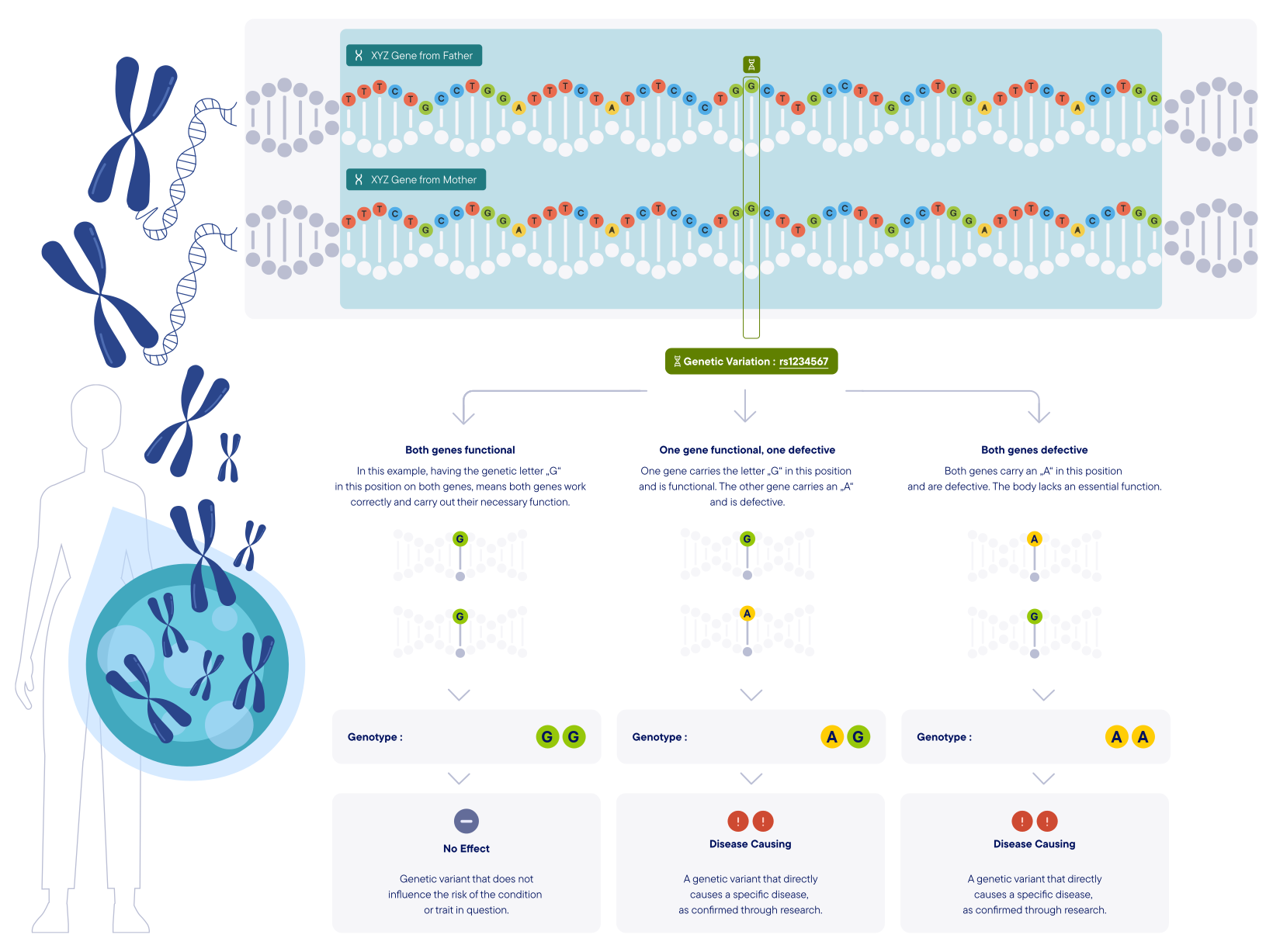
Humans have more than 20,000 genes, each carrying out one or a few specific functions in the body. One gene instructs the body to digest lactose from milk, another tells the body how to build strong bones and another prevents the body's cells from beginning to multiply uncontrollably and developing into cancer. As all of these genes combined are the building instructions for our body, a defect in one of these genes can have severe health consequences.
Through decades of genetic research, we know the genetic code of any healthy/functional human gene. We have also identified that in certain positions on a gene, some individuals may have a different genetic letter from the one you have. We call these hotspots "Genetic Variations" or "Variants" in short. In many cases, studies have been able to show that having the genetic letter "G" in the position makes you healthy, but having the letter "A" in the same position disrupts the gene function and causes a disease. Genopedia allows you to view these variants in genes and summarizes all that we know from scientific research, which genetic letters (Genotype) have good or bad consequences on your health or on your traits.
History
Throughout history, families and midwives sometimes welcomed a baby who looked typically female, only to find later that puberty didn’t follow the expected path. Community stories often described the condition in hushed tones, and many living with what we now call 46,XY sex reversal 7 grew up without a clear explanation. In everyday life, this could mean a teen who never starts periods, or an adult wondering why fertility treatments aren’t working, long before any genetic testing was available.
From early case reports in the 20th century, clinicians pieced together patterns: people raised as girls who had a typical male chromosome pattern (46,XY), small or absent gonads, and no development of internal reproductive organs that would carry a pregnancy. Initially understood only through symptoms, later studies connected these findings to differences in gene switches that guide early sex development. As medical science evolved, the focus shifted from outward appearance to the genes and signals that tell the gonads which path to take.
With advances in genetics, researchers learned that several genes act like dimmer switches during embryo development, turning the “testis pathway” up or down at precise times. When one of these switches doesn’t work as expected, the body may develop along a different route, even with XY chromosomes. In recent decades, knowledge has built on a long tradition of observation. Specific subtypes, including 46,XY sex reversal 7, were mapped to changes in particular genes or regulatory regions, helping explain why the condition varies so widely from person to person.
Over time, descriptions became more precise. Doctors distinguished symptoms you might notice—such as no puberty changes or infertility—from features a clinician sees on exam or imaging, like underdeveloped gonads. Once considered rare, now recognized as part of a broader group called differences in sex development, 46,XY sex reversal 7 is better understood in context. This history also includes important shifts in care: more attention to privacy, counseling, and shared decision-making, and less pressure for early, irreversible interventions.
Looking back helps explain why terms and classifications have changed. Not every early description was complete, yet together they built the foundation of today’s knowledge. Modern genetic testing can sometimes pinpoint the cause, though not always, and that uncertainty has been part of the story from the beginning. The history of 46,XY sex reversal 7 is, at its heart, the history of listening carefully to people’s lived experiences and pairing those with steadily improving science.