
46,xy difference of sex development due to 5-alpha-reductase 2 deficiency is a rare genetic condition that affects how male-typical genital tissues develop before birth and at puberty. Many people with this condition are born with genital features that look different or more typically female, and some see increased masculinization at puberty. It is lifelong, and signs are often noticed in infancy or childhood, with changes sometimes becoming clearer in the teen years. Doctors often use hormone testing and genetic testing to confirm the diagnosis, and treatment may include hormone therapy, surgical options, and supportive care tailored to the person’s goals. Not everyone will have the same experience, and with informed care most people do well and live a typical lifespan.
Overview
46,xy difference of sex development due to 5-alpha-reductase 2 deficiencySymptoms
Early signs of 46,XY difference of sex development due to 5-alpha-reductase 2 deficiency include ambiguous genitalia at birth (small penis, hypospadias, undescended testes). At puberty, voice deepens and muscles grow, but facial/body hair stays sparse; fertility may be reduced.
Outlook and prognosis
Many people with 46,XY difference of sex development due to 5‑alpha‑reductase 2 deficiency grow and thrive, with life span typically unaffected. Physical changes at puberty can be meaningful, so early guidance helps with planning and comfort. With tailored hormonal care, genital or fertility counseling, and psychosocial support, long‑term well‑being is very possible.
Causes and risk factors
46,XY difference of sex development from 5-alpha-reductase 2 deficiency stems from SRD5A2 changes that reduce conversion of testosterone to dihydrotestosterone before birth. Autosomal recessive; risk rises when both parents are carriers, especially if related. No known lifestyle or environmental causes.
Genetic influences
Genetics are central in 46,XY difference of sex development due to 5‑alpha‑reductase 2 deficiency. Variants in the SRD5A2 gene reduce conversion of testosterone to dihydrotestosterone, shaping prenatal genital development and puberty changes. It’s inherited in an autosomal recessive pattern.
Diagnosis
Doctors assess newborn or adolescent clinical features and karyotype. Hormone testing, often including testosterone–DHT ratios or stimulation tests, guides suspicion. Genetic diagnosis of 46,XY difference of sex development due to 5-alpha-reductase 2 deficiency is confirmed by SRD5A2 testing and supportive imaging.
Treatment and drugs
Care focuses on helping each person meet their goals. Treatment for 46,XY difference of sex development due to 5‑alpha‑reductase 2 deficiency may include hormone therapy (often testosterone or dihydrotestosterone), supportive genital or gonadal surgery when desired, and fertility counseling. Ongoing endocrine, urologic, and psychosocial care helps with puberty changes, sexual health, and wellbeing.
Symptoms
People with 46,XY difference of sex development due to 5-alpha-reductase 2 deficiency are typically born with genital traits that don’t fit typical male or female patterns. Early features of 46,XY difference of sex development due to 5-alpha-reductase 2 deficiency may include a smaller penis, hypospadias, or testes that haven’t descended. Features vary from person to person and can change over time. During puberty, many develop more masculine traits such as a deeper voice and growth of the penis, while facial and body hair may stay sparse.
Genital traits may not fit typical male or female patterns at birth. Early features of 46,XY difference of sex development due to 5-alpha-reductase 2 deficiency often include this range of appearances. This can be noticed at birth or during a newborn exam.
The penis may be smaller than expected for age (micropenis). This can affect urinating while standing and may raise questions later about sexual function.
The urine opening may sit on the underside of the penis or along the shaft. This can make the urine stream spray or point downward. Some adapt by sitting to urinate for better control.
One or both testes may not be in the scrotum and may sit in the groin. They can feel like small, movable lumps that a clinician finds during an exam.
How people usually first notice 46,xy difference of sex development due to 5-alpha-reductase 2 deficiency?
Many families first notice something at birth, such as a baby with typical male chromosomes (46,XY) but genitals that look less typically male, like a small penis or a structure that looks more like a clitoris, partially fused labia, or the opening of the urethra not at the tip. This can also be picked up later in childhood if the diagnosis wasn’t made earlier, often when a child raised as a girl begins puberty with deepening voice, muscle growth, or enlargement of the clitoris/penis, prompting questions about the first signs of 46,XY difference of sex development due to 5-alpha-reductase 2 deficiency. Doctors usually recognize it through a combination of the newborn exam, hormone testing before and during puberty, and genetic testing that confirms the 5-alpha-reductase type 2 enzyme deficiency.
Types of 46,xy difference of sex development due to 5-alpha-reductase 2 deficiency
People with 46,XY difference of sex development due to 5‑alpha‑reductase type 2 deficiency can have different patterns of genital development and puberty changes, which shape day‑to‑day life in distinct ways. Some families first notice atypical genital appearance at birth, while others only see more changes at puberty, like voice deepening or increased muscle mass without much genital growth. Doctors sometimes classify symptoms as milder versus more severe, based on how much the enzyme function is reduced. Knowing the main variants can help make sense of the types of 5‑alpha‑reductase 2 deficiency you might read about.
Classic undervirilized
Genital appearance at birth is often atypical, such as a smaller phallus and a urethral opening not at the tip. Testes are present but may be undescended or high in the groin. Puberty can bring some masculinizing changes but typically with limited genital growth.
Pubertal virilization
External genitalia may appear more typically female in childhood, then masculinizing changes emerge at puberty. Voice may deepen, muscle mass increases, and body hair develops, while limited dihydrotestosterone leads to smaller phallic growth. Some may change social gender role during adolescence depending on changes and personal preference.
Mild/partial variant
Features at birth can be subtle, sometimes only hypospadias or partial fusion of the genital folds. Puberty brings noticeable but not complete masculinization because enzyme activity is reduced but not absent. Fertility potential varies and may require specialty evaluation.
Severe/near‑absent activity
At birth, external genitalia may look typically female despite having XY chromosomes and testes. Puberty brings fewer masculinizing changes because dihydrotestosterone production remains very low. Early symptoms of 5‑alpha‑reductase 2 deficiency often include undescended testes and minimal phallic growth.
Testes location variant
Main differences relate to whether testes are in the scrotum, inguinal canal, or abdomen. Undescended testes can affect hormone patterns, raise torsion risk, and increase long‑term germ cell tumor risk, prompting tailored monitoring. Genital appearance and pubertal changes can overlap with other variants.
What genetics can tell you about symptoms
Variants in the SRD5A2 gene reduce the enzyme that turns testosterone into dihydrotestosterone, so many with 46,XY chromosomes are born with undervirilized external genitalia and a small or ambiguous penis. At puberty, rising testosterone can deepen the voice and increase muscle, while facial and body hair may stay sparse.
Causes and risk factors
Changes in the SRD5A2 gene in people with XY chromosomes reduce 5-alpha-reductase type 2 activity, so less DHT forms before birth. Some risks are written in our DNA, passed down through families. It is usually autosomal recessive, so risk is higher when both parents carry the gene change or are related. There are no lifestyle risk factors, and outside exposures do not cause this condition. Risk factors for 46,xy difference of sex development due to 5-alpha-reductase 2 deficiency include family history or carrier parents, and hormone levels before birth and at puberty can shape how features show.
Environmental and biological risk factors
Understanding what may raise or lower the chance of a diagnosis can help with planning and peace of mind. Awareness of both biological and environmental influences helps you feel prepared. When it comes to environmental risk factors for 46,XY difference of sex development due to 5-alpha-reductase 2 deficiency, current studies have not found clear links; the points below outline what is and isn’t associated.
This diagnosis occurs only in people with a 46,XY chromosome pattern. It does not occur in those with 46,XX.
Older maternal or paternal age has not been shown to raise the likelihood of 46,XY difference of sex development due to 5-alpha-reductase 2 deficiency. It can occur in pregnancies at any age.
Common pregnancy conditions such as diabetes, thyroid problems, or high blood pressure are not known to increase the chance of this condition. Routine prenatal care still supports overall pregnancy health.
Typical prenatal vitamins and most prescribed medicines have not been linked to 46,XY difference of sex development due to 5-alpha-reductase 2 deficiency. Discuss any new or uncertain medicines with your maternity team.
Genetic risk factors
In 46,xy difference of sex development due to 5-alpha-reductase 2 deficiency, the underlying cause is changes in the SRD5A2 gene that reduce the 5-alpha-reductase type 2 enzyme. Here’s what we know about the genetic causes of 5-alpha-reductase 2 deficiency and who in a family may be at higher risk. People with the same risk factor can have very different experiences. It follows an autosomal recessive pattern and affects those with a 46,XY chromosome pattern.

SRD5A2 gene changes: Pathogenic changes in both copies of the SRD5A2 gene are the direct cause. These changes lower or block the enzyme that makes a stronger form of testosterone (DHT).
Autosomal recessive pattern: 5-alpha-reductase 2 deficiency occurs when a child inherits one SRD5A2 change from each parent. If both parents are carriers, each pregnancy has a 25% (1 in 4) chance to be affected.
46,XY karyotype: 5-alpha-reductase 2 works mainly in tissues that guide male-typical genital development before birth. People with a 46,XY chromosome pattern are the ones at risk, while 46,XX relatives can be healthy carriers.
Variant type matters: Different SRD5A2 changes leave different amounts of enzyme activity. This can lead to a wide range of features at birth and at puberty, from milder to more pronounced differences.
Founder variants: In some regions and communities, one or a few SRD5A2 variants are more common due to a founder effect. Families from these groups have a higher chance of being carriers and having a child with 5-alpha-reductase 2 deficiency.
Parental relatedness: When parents share ancestors, they are more likely to carry the same SRD5A2 change. This increases the chance a child inherits two changes and develops the condition.
Family history: Having a sibling or close relative with 5-alpha-reductase 2 deficiency suggests a higher carrier chance for other family members. In some cases, genetic testing can give a clearer picture of your personal risk.
Risk to children: People living with this condition will pass one SRD5A2 change to all their children. A child is affected with 5-alpha-reductase 2 deficiency only if the other parent is also a carrier and the child inherits both changes.
Lifestyle risk factors
This condition is genetic and not caused by lifestyle, but daily habits can influence comfort, urinary and sexual function, bone strength, and overall well-being. What matters most varies by individual anatomy, puberty changes, and any surgical or hormone treatment plan. Partner with your care team to tailor choices to your goals. Below are examples of how lifestyle affects 46,xy difference of sex development due to 5-alpha-reductase 2 deficiency.
Taking prescribed DHT, testosterone, or estrogen as directed can support desired body changes and protect bone. Skipping or stopping can lead to mood shifts, fatigue, bleeding or acne, and less predictable changes.
Regular resistance and weight-bearing exercise helps build bone density and muscle that respond to your available androgens. It can improve insulin sensitivity and energy, and pelvic floor–friendly routines may reduce leakage after genital or urethral surgery.
Adequate calcium, vitamin D, and protein support bone building during puberty and with any hormone therapy. Low intake raises fracture risk, especially if gonads were removed or androgen levels are low.
Good perineal hygiene, hydration, and timed voiding can reduce urinary tract infections in people with hypospadias or urethral variants. Following post-surgery care lowers the chance of strictures and discomfort when urinating.
Risk prevention
46,xy difference of sex development due to 5-alpha-reductase 2 deficiency is a genetic condition, so you can’t prevent it outright, but you can lower risks of complications and support healthy development. Planning ahead and connecting early with a care team can make everyday life smoother. Different people need different prevention strategies—there’s no single formula. Choices will vary by family goals, how the testes are positioned, and how puberty unfolds.
Meet with a genetics team to understand inheritance and recurrence risk for future pregnancies. Carrier testing for parents and adult relatives can guide family planning.
If you notice early symptoms of 5-alpha-reductase deficiency—such as atypical genital development or hypospadias—ask for referral to a DSD team. Early evaluation helps prevent avoidable surgeries and supports shared decision-making.
If testes are undescended, timely orchiopexy (usually in the first 6–18 months) can lower cancer risk and protect fertility potential. Ongoing testicular checks or imaging may be recommended in 46,xy DSD.
Regular follow-up during puberty helps track virilization and tailor hormone support if needed. This can reduce stress, improve bone and muscle health, and align care with personal goals in 5-alpha-reductase 2 deficiency.

Transmission
46,XY difference of sex development due to 5-alpha-reductase 2 deficiency is not contagious; it cannot be caught from a partner, family member, or through everyday contact. It stems from changes in a gene passed in a recessive way: when both parents are healthy carriers, each pregnancy has a 25% (1 in 4) chance of a child being born with the condition if the child inherits both changed copies. Children who receive only one changed copy are carriers like their parents and usually have no signs. Rarely, a new gene change appears for the first time, but most cases reflect how 46,XY difference of sex development due to 5-alpha-reductase 2 deficiency is inherited within a family.
When to test your genes
Consider genetic testing if a newborn with a 46,XY karyotype has atypical genital development, or if puberty brings unexpected virilization after a female-raised childhood. Test if there’s a family history of 5‑alpha‑reductase 2 deficiency, especially in related parents or affected siblings. Results guide sex assignment discussions, hormone therapy, and surgical planning.
Diagnosis
Clues usually appear at birth or around puberty, when genital development or body changes don’t match typical patterns for boys. Many people feel relief just knowing what’s really going on. For this condition, doctors look at visible features and hormone patterns, then confirm the cause with targeted tests. The genetic diagnosis of 46,xy difference of sex development due to 5-alpha-reductase 2 deficiency is typically confirmed with a gene test after initial exams suggest it.
Doctors look for features such as a small penis, hypospadias (the urine opening lower on the penis), or undescended testes. Patterns at puberty, like deepening voice with limited genital growth, can also be clues. These features help point toward this specific difference of sex development.
A detailed family and health history can help reveal relatives with similar findings or puberty changes. This can suggest an inherited pattern, especially in families with related parents or repeated cases. It also guides which tests to prioritize.
A blood test checks the chromosomes and confirms a 46,XY result. This step helps match internal biology with the outward features. It also helps rule out other chromosomal conditions.
Doctors measure testosterone and dihydrotestosterone (DHT) and compare their levels. In this condition, testosterone may be normal or high while DHT is relatively low, raising the T-to-DHT ratio. Sometimes a brief stimulation test is used to make the pattern clearer.
Stages of 46,xy difference of sex development due to 5-alpha-reductase 2 deficiency
46,xy difference of sex development due to 5-alpha-reductase 2 deficiency does not have defined progression stages. It’s present from birth and can change around puberty, but people’s experiences vary widely, so doctors don’t group it into stages. Different tests may be suggested to help confirm the cause, including hormone measurements, imaging, and genetic testing. Diagnosis usually brings together the physical exam, review of early symptoms of 46,xy difference of sex development due to 5-alpha-reductase 2 deficiency (such as atypical genital development), and a DNA test for the SRD5A2 gene.
Outlook and prognosis
Daily routines often adapt as families learn what 46,XY difference of sex development due to 5-alpha-reductase 2 deficiency means for growth, puberty, and future plans. The outlook is generally good for overall health and life span; this condition does not shorten life expectancy on its own. Many people find that symptoms shift around puberty as testosterone rises, because the body can use some hormone pathways even when 5-alpha-reductase type 2 is low. Fertility varies: some individuals can produce sperm with medical support, while others cannot; testicular position and early care often influence options later on. The outlook is not the same for everyone, but early access to a knowledgeable care team—endocrinology, urology, genetics, mental health—can improve comfort, reduce complications, and support identity development.
Prognosis refers to how a condition tends to change or stabilize over time. In childhood, the main medical issues often relate to the genital appearance and undescended testes, which can raise the long‑term risk of testicular changes if not addressed. Around adolescence, some people notice deepening of the voice, increased muscle mass, or clitoral/phallus growth, while for others these changes are modest; these shifts can be supported with individualized hormone care. Gender identity outcomes are diverse; with respectful, patient‑led care, most people with 46,XY DSD due to 5‑alpha‑reductase 2 deficiency report good psychological well‑being. Mortality is not increased, but regular check‑ins help monitor for hernia, testicular position, and rare tumors, especially if testes remain in the abdomen.
Knowing what to expect can ease some of the worry. Early symptoms of 46,XY difference of sex development due to 5‑alpha‑reductase 2 deficiency may be noticed at birth, but the longer‑term picture depends on testicular location, timing of any surgeries, and access to puberty care. Support from friends and family can strengthen resilience and day‑to‑day coping, including decisions about disclosure, school, sports, and future family building. Talk with your doctor about what your personal outlook might look like, including fertility potential, cancer screening needs, and whether genetic testing of SRD5A2 might refine planning.
Long-term effects
This genetic condition affects how the body converts testosterone into a stronger form, shaping development from birth through adulthood. Long-term effects vary widely, and what one person experiences may be quite different from another. Many features relate to genital appearance at birth, changes with puberty, reproductive health, and certain cancer risks tied to where the testes are located. People with 46,XY difference of sex development due to 5-alpha-reductase 2 deficiency often have typical overall health otherwise.
Many are born with a smaller phallus or clitoris-like structure and a urine opening that may sit lower than usual. Early symptoms of 5-alpha-reductase 2 deficiency often show up at birth as differences in genital appearance. Internal reproductive ducts typically develop along the male pathway.
Testosterone rises in puberty can deepen the voice and increase muscle mass. The phallus often grows during adolescence even if it appeared small in childhood. Breast development is usually limited.
Facial and body hair may remain sparse compared with other males. This happens because some hair growth depends on the stronger form of testosterone. Pubic and underarm hair still typically appear.
The urine opening may be on the underside of the phallus, which can affect the urine stream. Some also have a split or curved urethra that influences how urine flows.
How is it to live with 46,xy difference of sex development due to 5-alpha-reductase 2 deficiency?
Life with a 46,XY difference of sex development due to 5‑alpha‑reductase 2 deficiency can involve navigating body changes that don’t match early expectations, especially around puberty when muscle mass, voice, and genital appearance may shift in ways that feel surprising or complicated. Day to day, people often balance routine health care with decisions about names, pronouns, clothing, and activities that feel affirming, while managing privacy at school, work, or sports. Family, friends, and partners may need time, good information, and open conversation to understand the biology and to offer respectful support, and many find that connecting with knowledgeable clinicians and peer communities makes a big difference. With affirming care and clear communication, most build lives that reflect their goals, values, and sense of self.
Treatment and drugs
Treatment for 46,XY difference of sex development due to 5‑alpha‑reductase 2 deficiency focuses on supporting healthy growth, hormone balance, and the person’s gender identity and goals over time. Care is usually led by a specialized team and may include testosterone or dihydrotestosterone (DHT) therapy during puberty or earlier to support genital growth, muscle and bone health, and energy; some may benefit from topical DHT when available. If someone was raised female and wishes to continue with that identity, estrogen therapy at puberty can support breast development and menstrual‑cycle management, and surgery may be considered to align anatomy with comfort and function; if raised male or identifying as male, procedures like hypospadias repair or other genital surgeries may be discussed. Supportive care can make a real difference in how you feel day to day, including counseling, pelvic and sexual health care, and fertility guidance, since sperm production can be limited but may be possible in some cases with specialized evaluation. Doctors sometimes recommend a combination of lifestyle changes and drugs, and decisions are paced to the person’s age and preferences, with regular follow‑up to adjust hormones, review timing of any surgeries, and monitor bone, heart, and mental health.
Non-drug treatment
For families and adults navigating 46,XY difference of sex development due to 5-alpha-reductase 2 deficiency, care often centers on understanding the body, supporting identity, and planning for the future. Non-drug treatments often lay the foundation for long-term wellbeing, from counseling to thoughtful decisions about surgery. Early signs of 46,XY difference of sex development may be noticed at birth or during puberty, and non-drug support can help at each stage. Choices are individualized and made with you, not for you.
Coordinated care brings together endocrinology, urology, gynecology, psychology, and genetics. This team helps tailor plans to your goals and values.
Ongoing counseling supports coping, identity development, and family communication. It can reduce stress during key decision points, like puberty or surgery planning.
A genetics professional explains the condition, inheritance, and options for family planning. They can help communicate results to relatives and discuss testing for family members.
Connecting with others who have 46,XY DSD can reduce isolation and offer practical tips. Sharing the journey with others can make decisions feel more manageable.
Your genes may have an impact on how drugs work for you
For people with 46,XY difference of sex development due to 5‑alpha‑reductase 2 deficiency, genes influence how the body processes hormones and other medicines. Variants in drug‑processing genes can change dose needs or side‑effect risk, so individualized prescribing and monitoring matter.
Pharmacological treatments
Medicines for 46,xy difference of sex development due to 5-alpha-reductase 2 deficiency are chosen based on age, body changes, and personal goals (masculinizing or feminizing). Early treatment options for 46,xy difference of sex development due to 5-alpha-reductase 2 deficiency may include DHT gel or short hCG courses in infancy to support genital growth. Later, testosterone or estrogen may guide puberty in the direction someone chooses, sometimes alongside other medicines. Not everyone responds to the same medication in the same way.
Topical DHT (dihydrotestosterone) gel can help penile growth in infancy or before surgery. It’s usually compounded and used short term with careful skin and hormone monitoring. Avoid skin-to-skin transfer to others after application.
Human chorionic gonadotropin (hCG) can stimulate the testes to make more testosterone in infancy or childhood, which may support phallic growth. Short courses are used and then paused to reassess. Possible effects include temporary testicular enlargement or early body hair.
Testosterone enanthate or cypionate injections, or transdermal testosterone gels/patches, may be used at puberty if masculinization is limited. Treatment can deepen the voice, increase muscle mass, and support genital growth. Blood counts and hormone levels are checked to guide dosing.
Estradiol (pill, patch, or gel) can guide a feminizing puberty for those choosing a female path, especially after gonadectomy. Doses start low and increase gradually to match typical pubertal timing. If the testes are still present, an anti-androgen may be added.
Genetic influences
Genetics play a central role in 46,XY difference of sex development due to 5‑alpha‑reductase 2 deficiency. Changes in a gene called SRD5A2 reduce the activity of the 5‑alpha‑reductase type 2 enzyme, which normally converts testosterone into dihydrotestosterone (DHT) to shape external genital development before birth. The condition follows an autosomal recessive pattern: when both parents carry one altered copy, each pregnancy has a 25% (1 in 4) chance of being affected. A “carrier” means you hold the gene change but may not show symptoms. Severity can vary widely, even among relatives, and some experience more masculinizing changes during puberty. Genetic testing can sometimes find SRD5A2 changes, and counseling helps families interpret results, discuss recurrence risk, and consider genetic testing for 46,XY difference of sex development due to 5‑alpha‑reductase 2 deficiency.
Is 46,xy difference of sex development due to 5-alpha-reductase 2 deficiency genetic?
Genetics are central in 46,XY difference of sex development due to 5‑alpha‑reductase 2 deficiency. Variants in the SRD5A2 gene reduce conversion of testosterone to dihydrotestosterone, shaping prenatal genital development and puberty changes. It’s inherited in an autosomal recessive pattern.
Pharmacogenetics—how genetics influence drug effects
Treatment choices and hormone dosing often hinge on the exact change in the SRD5A2 gene that limits production of dihydrotestosterone (DHT). In 46,XY difference of sex development due to 5-alpha-reductase 2 deficiency, knowing whether there is any remaining enzyme activity helps doctors decide between using testosterone or giving DHT directly, and how much to use. Genetic testing can sometimes identify how your body is likely to activate or respond to these hormones, which can reduce trial-and-error during puberty induction or later care. People with little to no enzyme function may benefit more from DHT therapy, while those with partial function may respond to testosterone, though responses vary. Medicines that block 5-alpha-reductase, such as finasteride or dutasteride, are generally avoided because they further lower DHT. Other genes that influence how the liver breaks down hormones can also shape dose needs and side effects, so your care team will pair genetic results with careful monitoring. Your team will still factor in age, overall health, and personal goals when building the plan.
Interactions with other conditions
People living with 46,XY difference of sex development due to 5-alpha-reductase 2 deficiency may also have undescended testes or inguinal hernias, which can change follow-up needs over time. When testes remain in the groin or abdomen, the long-term risk of germ cell tumors goes up, so plans for imaging, exams, or surgery are often tailored with that in mind. Doctors call it a “comorbidity” when two conditions occur together, and for this condition that can include urinary tract infections in childhood when the urinary opening is not at the tip of the penis. Early symptoms of 46,XY difference of sex development due to 5-alpha-reductase 2 deficiency can overlap with other causes of atypical genital development, such as androgen insensitivity or congenital adrenal hyperplasia, so teams often check for—and sometimes treat—more than one issue at once. In adulthood, the prostate tends to be small, so problems like benign prostate enlargement are less common; this can also affect how blood tests such as PSA are interpreted if screening is needed later on. Medication interactions matter too: drugs that block 5-alpha-reductase (like finasteride or dutasteride for hair loss or prostate symptoms) usually don’t help and may worsen androgen-related features, while treatment plans using testosterone or dihydrotestosterone need to be balanced with any other health conditions.
How genes can cause diseases
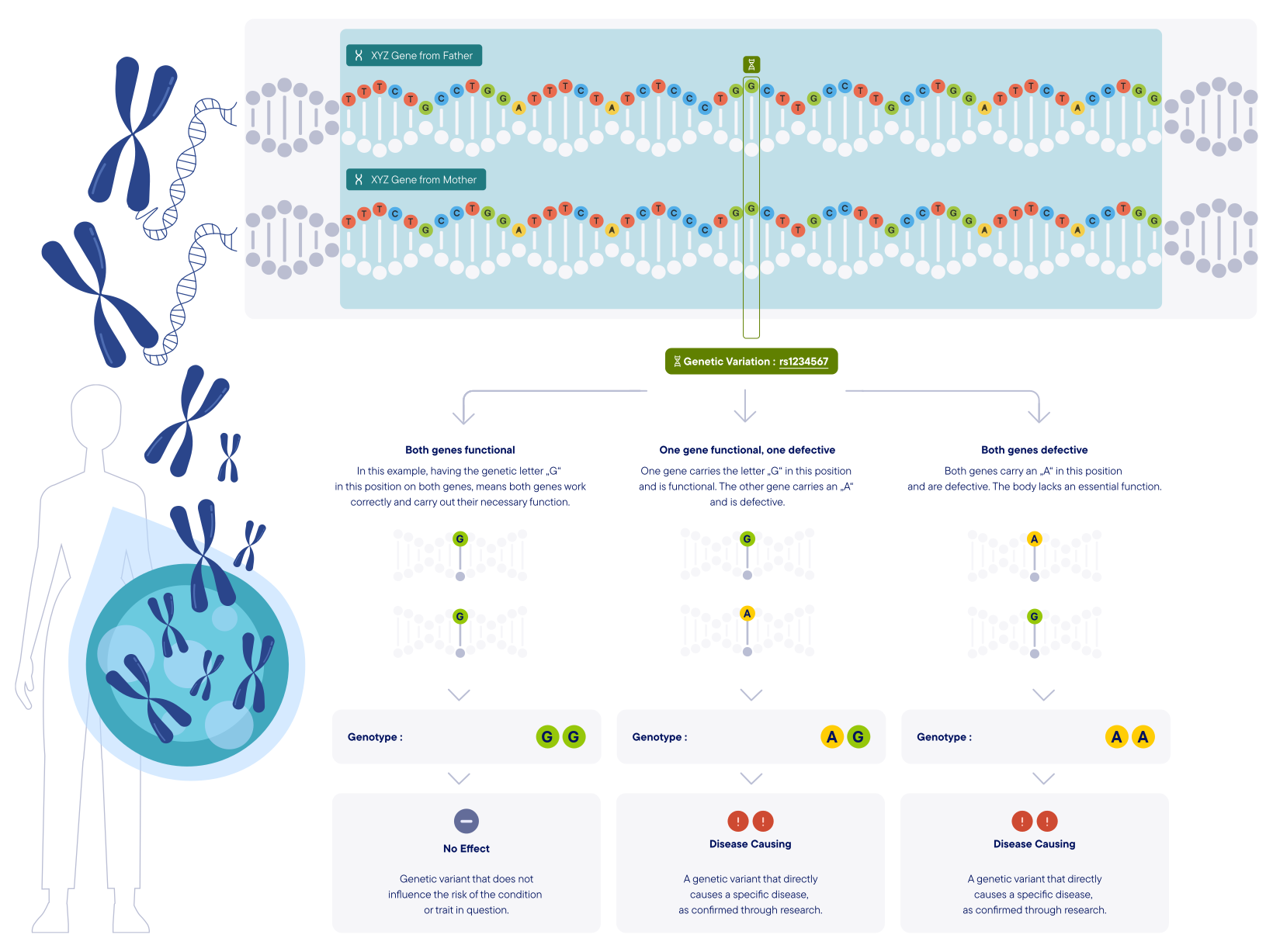
Humans have more than 20,000 genes, each carrying out one or a few specific functions in the body. One gene instructs the body to digest lactose from milk, another tells the body how to build strong bones and another prevents the body's cells from beginning to multiply uncontrollably and developing into cancer. As all of these genes combined are the building instructions for our body, a defect in one of these genes can have severe health consequences.
Through decades of genetic research, we know the genetic code of any healthy/functional human gene. We have also identified that in certain positions on a gene, some individuals may have a different genetic letter from the one you have. We call these hotspots "Genetic Variations" or "Variants" in short. In many cases, studies have been able to show that having the genetic letter "G" in the position makes you healthy, but having the letter "A" in the same position disrupts the gene function and causes a disease. Genopedia allows you to view these variants in genes and summarizes all that we know from scientific research, which genetic letters (Genotype) have good or bad consequences on your health or on your traits.
History
Families and communities once noticed patterns: a child raised as a girl who, at puberty, developed a deeper voice, more muscle, and genital changes that surprised everyone. In some villages, relatives told stories of cousins who changed how they were seen in the community during the teen years. These observations were passed down long before anyone knew the biology behind them.
First described in the medical literature as clusters of “male pseudohermaphroditism” in the mid-20th century, the condition was initially understood only through visible features and life stories. Clinicians documented families in which several children assigned female at birth later developed male traits, especially in adolescence. Early reports focused on anatomy and social roles because the underlying hormone pathway had not yet been worked out.
From these first observations, scientists began to test how the body makes and responds to androgens, the hormones that guide typical male development before birth and at puberty. In the 1970s and 1980s, careful studies showed that some people had typical testosterone levels but could not efficiently convert testosterone into its more potent form, called dihydrotestosterone (DHT). This pointed to a specific enzyme block rather than a lack of hormone. Over time, descriptions became more precise as researchers linked this pattern to a single enzyme found mostly in the skin and genital tissues.
Advances in genetics confirmed the picture in the 1990s, when changes in the SRD5A2 gene were identified in people with this form of 46,XY difference of sex development due to 5-alpha-reductase 2 deficiency. Naming shifted away from outdated and stigmatizing terms toward clearer language that separates biology (chromosomes, hormones, enzymes) from identity and lived experience. Once considered rare, now recognized as more widely distributed in many populations, the condition has been reported on every continent, with some regions noting more family cases due to shared ancestry.
In recent decades, awareness has grown as teams combined family histories, hormone testing, and genetic analysis to guide care. Historical differences highlight why older labels can be confusing: early authors used several names for similar patterns, and some mixed this condition with others that affect how the body responds to androgens. Today’s approach emphasizes respectful, person-centered care, acknowledges the broad range of bodies and outcomes, and uses accurate testing to distinguish 5-alpha-reductase 2 deficiency from other conditions.
Knowing the condition’s history helps explain why early symptoms of 46,XY difference of sex development due to 5-alpha-reductase 2 deficiency were sometimes missed or misunderstood. What began as stories of unexpected changes at puberty has become a well-defined diagnosis that can be recognized earlier, allowing families and clinicians to plan supportive, individualized care.