
46,XX sex reversal 4 is a rare genetic condition that affects sex development in people with two X chromosomes. People with 46,XX sex reversal 4 may have male-typical or mixed genital features at birth and differences in puberty and fertility later on. It is lifelong, and features vary by person and by the specific gene change. Many people with 46,XX sex reversal 4 have a typical life span, and mortality is usually related to unrelated health issues. Care focuses on individualized hormone management, fertility counseling, and supportive surgical or psychosocial care when needed.
Overview
46,xx sex reversal 4Symptoms
46,XX sex reversal 4 usually appears at birth with differences in genital development—genitals may look male, female, or in-between. Puberty and periods can be atypical, and fertility is often reduced. Some develop thickened palms/soles and higher risk of skin cancers.
Outlook and prognosis
Many living with 46,XX sex reversal 4 lead full, active lives with tailored care. Outlook often depends on timing of diagnosis, hormone balance, fertility goals, and any related genital or reproductive differences. Regular endocrine and urologic follow-up supports long-term wellbeing.
Causes and risk factors
46,XX sex reversal 4 usually stems from genetic changes affecting sex-development genes, sometimes inherited, sometimes new. Family history or parents who are related can raise risk. Environmental or lifestyle factors don’t cause it, though general prenatal health may influence complications.
Genetic influences
Genetics is central in 46,XX sex reversal 4. Variants in key testis-determining genes can misroute development, leading to testes formation despite two X chromosomes. Inheritance varies; some changes are de novo, while others follow autosomal dominant or recessive patterns.
Diagnosis
Doctors assess clinical features and hormone patterns, then confirm with karyotyping and ultrasound or MRI of reproductive organs. Genetic tests, often genome-wide or targeted, establish the genetic diagnosis of 46,XX sex reversal 4. Specialist teams guide testing and interpretation.
Treatment and drugs
Care focuses on what someone with 46,XX sex reversal 4 needs most: hormone support, fertility planning, and emotional well-being. Options may include puberty induction or maintenance hormones, fertility preservation or assisted reproduction, and surgery only for specific anatomical issues. Regular follow-up guides adjustments over time.
Symptoms
Some babies have noticeable genital differences, while others look typically male and concerns surface later around puberty or when trying to conceive. Features vary from person to person and can change over time. Doctors may pick up early features of 46,xx sex reversal 4 during newborn exams, school-age checkups, or fertility workups in adulthood. Care teams focus on comfort, hormone balance, and protecting future health.
Some newborns with 46,xx sex reversal 4 have a smaller penis, a urine opening not at the tip, or a scrotum that looks underdeveloped. Clinicians call this hypospadias, which means the urine opening sits along the underside rather than the tip. Others have typical male-appearing genitals and no concerns at birth.
One or both testes may not be in the scrotum. This can raise the risk of groin hernias and can affect future fertility. Surgery is often considered in early childhood to bring the testes down.
Testes may feel small or firm compared with peers during childhood or the teen years. This often reflects limited sperm-making tissue. Doctors may monitor size over time with exams or ultrasound.
During puberty, some with 46,xx sex reversal 4 notice less facial and body hair, slower muscle growth, or breast tissue development. Voice deepening may be less pronounced. Hormone testing can help explain these changes.
How people usually first notice 46,xx sex reversal 4?
Many parents first notice something is different when a baby with 46,XX sex reversal 4 is born with genitalia that look more typically male or are ambiguous, prompting questions in the delivery room. Sometimes the first signs of 46,XX sex reversal 4 are found before birth on ultrasound, such as genital features that don’t match the expected chromosomes, or later in early childhood when a doctor evaluates genital differences. In other cases, how 46,XX sex reversal 4 is first noticed comes during checkups for undescended testes, hypospadias, or later fertility and puberty questions, which lead to genetic testing.
Types of 46,xx sex reversal 4
46,XX sex reversal 4 is a genetic/congenital condition linked to changes in a specific gene that affect ovarian development and sex characteristics. Different variants reflect which gene change is present and how strongly it alters development, so symptoms and timing can vary. People may notice different sets of symptoms depending on their situation. In everyday life, this can range from typical female development with fertility concerns to more noticeable differences in puberty or hormone levels; understanding the types of 46,XX sex reversal 4 can help set expectations.
Classic variant
This form often presents with typical female anatomy at birth but later shows delayed or absent puberty. Periods may not start, and fertility can be reduced or absent.
Partial variant
Some ovarian function is preserved, leading to partial puberty or irregular periods. Symptoms may be milder early on and become clearer in the teens or twenties.
Childhood-onset variant
Early signs can include small ovaries and low estrogen in late childhood. Growth and bone health may be affected if hormone levels remain low.
Adult-diagnosed variant
People may first learn of the condition during an infertility workup. Lab tests show low ovarian reserve or ovarian failure alongside a 46,XX karyotype.
Family-linked variant
When the gene change runs in families, relatives with a 46,XX karyotype can show a similar pattern of ovarian underdevelopment. Severity can differ between family members.
What genetics can tell you about symptoms
Variants in the RSPO1 gene can disrupt ovarian development, leading to ambiguous genitalia at birth, absent or delayed puberty, and infertility in people with 46,XX sex reversal 4. Some also develop palm‑sole skin thickening and a higher risk of squamous cell skin cancer.
Causes and risk factors
46,xx sex reversal 4 is caused by gene changes that switch on testis development pathways in an XX embryo. Some risks are written in our DNA, passed down through families. A family history of differences in sex development can raise the chance, but many cases happen as new changes at conception. Examples include a translocation that moves the SRY gene onto the X chromosome, or extra copies of control switches that boost SOX9. There are no proven lifestyle or environmental triggers for 46,xx sex reversal 4, so early symptoms of 46,xx sex reversal 4 are not caused by diet, exercise, or stress.
Environmental and biological risk factors
46,xx sex reversal 4 is rare, and known risk factors center on events around conception and the earliest weeks of pregnancy. Doctors often group risks into internal (biological) and external (environmental). When people ask about risk factors for 46,xx sex reversal 4, most evidence points to biology rather than specific outside triggers. Research on environmental links is still limited.
Older paternal age raises the chance of new changes during sperm development. These changes can alter early signals that guide formation of reproductive tissues. Some cases of 46,xx sex reversal 4 may arise this way, though specific data are limited.
Increasing maternal age is mainly linked to changes in chromosome number. This is not a typical driver here. Age-related changes in egg quality may still slightly raise the chance of rare developmental differences.
High radiation exposure early in pregnancy can disrupt organ formation. If exposure happens in the first trimester, developing reproductive structures may be affected. A direct link with this condition has not been shown.
Exposure to heavy metals like lead or mercury in early pregnancy can interfere with fetal development. This can include effects on how reproductive tissues form. Clear condition-specific evidence is limited.
Genetic risk factors
Genetic factors in 46,xx sex reversal 4 center on changes that tip early gonadal development toward testis formation even with two X chromosomes. Researchers have traced the genetic causes of 46,xx sex reversal 4 to either extra activity of testis‑driving genes (like SOX9 or SOX3) or reduced activity of ovary‑supporting signals (such as RSPO1 or WNT4). Some changes are inherited, while others happen for the first time in the family. Carrying a genetic change doesn’t guarantee the condition will appear.

SRY translocation: Movement of the SRY gene onto an X chromosome or another chromosome can trigger testis development in an XX embryo. This well‑known mechanism explains some cases of 46,xx sex reversal 4 and often arises as a new event in the father’s sperm.
SOX9 overactivity: Extra copies or boosted control switches near SOX9 can turn this testis‑promoting gene up too high. That added signal can lead to 46,xx sex reversal 4 even without SRY.
SOX3 duplication: Having an extra copy or unusually active SOX3 on the X chromosome can mimic SRY’s effect. Some families pass this on in an X‑linked pattern, while others have a one‑time change.
RSPO1 variants: Harmful changes in both copies of RSPO1 weaken ovary‑supporting signals. This autosomal recessive cause has been linked to 46,xx sex reversal 4.
WNT4 variants: Faulty WNT4 can reduce ovary development and allow androgen effects. Depending on the variant, inheritance may be dominant or recessive, and outcomes can vary in severity.
Regulatory changes: Alterations in long‑range enhancers that control sex‑determining genes can shift the balance toward testis development. These changes may not appear in standard single‑gene tests.
Copy number changes: Small duplications or deletions affecting the sex‑development network can disrupt timing and dose of key signals. Many arise de novo, with no prior family history.
De novo variants: A genetic change can appear for the first time in a child, without being present in either parent. This is common in 46,xx sex reversal 4 and helps explain why many families have no prior cases.
Autosomal recessive risk: When a recessive cause like RSPO1 is involved, each parent is typically an unaffected carrier. The chance to have an affected child is about 25% (1 in 4) with each pregnancy if both parents carry the same variant.
X-linked causes: Changes on the X chromosome, such as SOX3 duplication, can follow X‑linked inheritance. Carrier patterns in mothers and variable expression in children can complicate family risk estimates.
Variable expressivity: The same genetic change can cause different degrees of masculinization in different people. This variability can be seen even within the same family.
Mosaicism: Some people have a genetic change present in only a portion of cells, which can alter how genes drive gonadal development. Parental mosaicism can slightly raise recurrence risk even when routine testing looks normal.
Consanguinity: Parents who are closely related have a higher chance of sharing the same rare recessive variant. This can increase the risk of recessive forms of 46,xx sex reversal 4.
Lifestyle risk factors
This is a genetic condition; lifestyle habits do not cause it, but they can influence symptoms, treatment side effects, and long-term complications. Knowing how lifestyle affects 46,xx sex reversal 4 helps you support bone, metabolic, cardiovascular, and mental health through daily choices. Below are practical elements that connect habits to common management needs in this condition, including effects of sex-steroid therapies and surgeries.
Taking prescribed sex-steroid therapy consistently helps stabilize energy, mood, and secondary sex characteristics. Irregular use or abrupt stopping can worsen bone density, bleeding patterns, and metabolic health.
Regular resistance and impact activity helps preserve bone mineral density when sex-steroid levels are low or after gonadectomy. It also improves insulin sensitivity and lipid profiles that can shift with estrogen or testosterone therapy.
Adequate calcium, vitamin D, and protein support bone strength in the setting of hypogonadism or medical suppression of gonadal function. Poor intake raises fracture risk, especially if hormone levels are low or variable.
A plant-forward, high-fiber pattern with limited saturated fat can counteract therapy-related rises in LDL cholesterol, triglycerides, and blood pressure. This supports cardiovascular health during long-term estrogen or testosterone treatment.
Risk prevention
You can’t prevent the genetic difference that leads to 46,xx sex reversal 4, but you can lower the chance of complications by finding it early and staying connected with a specialized care team. For many, prevention means protecting bone health, guiding puberty safely, supporting fertility choices, and watching for issues that can be treated sooner rather than later. Different people need different prevention strategies—there’s no single formula. Genetic counseling can also help families plan future pregnancies and understand testing options.
Learn the early symptoms of 46,xx sex reversal 4—such as unexpected puberty changes or differences noted at birth—so evaluation happens promptly. Early referral to endocrinology and urology/gynecology can prevent delays in care. This helps avoid missed opportunities for timely support.
Meet with a genetics professional to understand the cause of 46,xx sex reversal 4 in your family. They can explain recurrence risk, carrier testing, and options like prenatal or preimplantation testing. This supports informed family planning.
Regular checks of growth, puberty timing, and hormone levels can catch issues early. Adjusting treatment at the right time helps protect development and day-to-day energy. This also reduces long-term risks tied to low or high hormone levels.
Ensure adequate calcium and vitamin D, and do weight-bearing exercise to keep bones strong. If hormones are low, timely treatment helps prevent low bone density. Doctors may also recommend bone scans when needed.

Transmission
46,XX sex reversal 4 is not an infection and cannot be caught or spread through contact, air, or bodily fluids. It happens because of changes in genes that guide sex development before birth, so “transmission” refers to inheritance from a parent rather than person-to-person spread. Many cases are caused by a new (de novo) genetic change that appears for the first time in the child, while some families have an inherited form. Depending on the specific cause, genetic transmission of 46,XX sex reversal 4 may be autosomal dominant (passed on when one parent carries the change) or autosomal recessive (when both parents carry a silent change); a genetic counselor can explain the likely pattern and the chance of recurrence in future pregnancies.
When to test your genes
Consider genetic testing if you have discordant sex development features (e.g., typical female anatomy with unexpected hormone patterns), unexplained infertility, or atypical puberty. Testing is also reasonable with a family history of differences in sex development or prior inconclusive karyotype/hormone results. Early diagnosis can guide tailored hormone care, fertility planning, and surveillance.
Diagnosis
People are usually evaluated when differences in genital development are noticed at birth or when puberty doesn’t follow expected patterns. The diagnosis of 46,xx sex reversal 4 typically blends what doctors see on exam with lab work, imaging, and genetic tests to confirm the underlying cause. Family history is often a key part of the diagnostic conversation. When results are combined, they help guide care plans and next steps.
Clinicians note any differences in genital appearance and whether both testicles are felt in the scrotum. They also check overall health, birth measurements, and any other physical features that may point to a difference in sex development.
Providers ask about pregnancy exposures, birth details, and any concerns noted by parents. A detailed family and health history can help connect patterns seen across relatives.
Doctors assess growth, blood pressure, and body proportions, and later, signs of puberty. They look for features that can point toward specific differences in sex development.
Blood tests measure hormones such as testosterone, AMH, LH, and FSH to map how the ovaries or testes are functioning. Patterns over time can clarify where along the hormone pathway a difference may be occurring.
Stages of 46,xx sex reversal 4
46,xx sex reversal 4 does not have defined progression stages. It’s a genetic difference that is present before birth, so features don’t unfold in set steps; signs may be noticed at birth or around puberty, and early symptoms of 46,xx sex reversal 4 can include an atypical genital appearance, delayed puberty, or later, fertility concerns. Different tests may be suggested to help confirm the diagnosis and understand hormone patterns, including a physical exam, hormone blood tests, chromosome analysis, and targeted genetic testing. Ongoing care often involves endocrinology and urology teams, with check-ins during childhood and adolescence to track growth, puberty, and overall well-being.
Outlook and prognosis
Looking ahead can feel daunting, but most people want to know how life with 46,XX sex reversal 4 may unfold day to day. Many living with 46,XX sex reversal 4 focus on hormone health, bone strength, and fertility planning rather than life-threatening complications. Doctors call this the prognosis—a plain term for likely outcomes over time. Early care can make a real difference, especially when tailoring hormone therapy, monitoring growth and puberty, and supporting mental well-being during adolescence and adulthood. With ongoing care, many people maintain good overall health and full life expectancy; mortality directly related to 46,XX sex reversal 4 is not expected based on what’s known.
The outlook is not the same for everyone, but most issues relate to underdeveloped testes, low testosterone, and infertility. Some people experience fatigue, low mood, or decreased muscle and bone density, while others notice only mild symptoms that improve with treatment. Early symptoms of 46,XX sex reversal 4 can include delayed or absent puberty, sparse facial or body hair, and difficulty building muscle; in adulthood, low libido or fertility concerns may be the first clues. When doctors talk about “remission,” they mean symptoms easing with treatment, though ongoing hormone support is often needed long term. Understanding the prognosis can guide planning and help set realistic goals for sexual health, family-building options, and routine screening for heart and bone health.
Talk with your doctor about what your personal outlook might look like, including which tests to track (hormone levels, bone density) and how often. Support from friends and family can strengthen follow-through with care plans and reduce stress during decision-making about fertility or surgery. Genetic testing can sometimes provide more insight into prognosis, particularly if results clarify the specific gene change and its expected effects. Stay open to new treatments or lifestyle changes as options evolve, since fine-tuning therapy over time often improves energy, mood, and long-term health.
Long-term effects
People living with 46,xx sex reversal 4 often think about the long haul in terms of hormones, fertility, and overall well‑being. Long-term effects vary widely, depending on which genes are involved and how the reproductive glands developed. Some remember that early symptoms of 46,xx sex reversal 4 showed up at birth or during puberty, but the later picture often centers on fertility, bone strength, and sexual health. Features can also shift with age—from pubertal development in the teen years to bone and metabolic changes in adulthood.
Most have severely reduced or absent sperm, leading to infertility. This typically persists lifelong.
Low testosterone can continue into adulthood. This may affect energy, muscle mass, body hair, and mood.
Puberty may be delayed or incomplete. Breast tissue growth and reduced facial or body hair can persist.
Long-standing low testosterone increases the chance of low bone density and later fractures. Adults may develop osteopenia or osteoporosis.
How is it to live with 46,xx sex reversal 4?
Living with 46,XX sex reversal 4 often means navigating a body that developed testes and typically male external anatomy despite having two X chromosomes, which can bring questions about identity, fertility, and future health. Day to day, medical care may include hormone monitoring, discussions about fertility options, and periodic checks for related health risks, while social life can involve choosing how, when, and to whom to share this information. Many find confidence grows with a knowledgeable care team, clear language for their experience, and support from loved ones or peer communities. For family and partners, listening, using the person’s preferred terms, and showing steady respect can make an enormous difference.
Treatment and drugs
Treatment for 46,XX sex reversal 4 focuses on the person’s specific features and goals rather than a single standard plan. Care typically involves a multidisciplinary team—endocrinology, urology/gynecology, genetics, and mental health—to guide hormone support, monitor puberty, and address fertility and sexual health; doctors sometimes recommend a combination of lifestyle changes and drugs. Hormone therapy may be used to support bone health, energy, and secondary sex characteristics, and a doctor may adjust your dose to balance benefits and side effects. Surgical care is individualized and considered when it can improve function, comfort, or alignment with someone’s gender identity, alongside careful counseling about benefits and risks. Supportive care can make a real difference in how you feel day to day, including counseling, peer support, and long‑term follow‑up for bone, heart, and metabolic health.
Non-drug treatment
Care for day-to-day life focuses on whole-person support, clear information, and choices that fit personal goals. Beyond prescriptions, supportive therapies can help people navigate identity, body changes, fertility questions, and timing of any procedures. A team approach is common, and non-drug treatments for 46,xx sex reversal 4 often start with education and planning. Plans may shift across childhood, puberty, and adulthood as needs evolve.
A genetics professional explains the known cause, inheritance, and what testing means for you and family members. They can map out options and help you weigh benefits and limits of each.
A therapist experienced in differences in sex development offers space to process feelings and build coping skills. This can support confidence, relationships, and decision-making at key milestones.
Coordinated visits with endocrinology, urology/gynecology, psychology, and genetics keep care aligned with your goals. Regular check-ins help adjust plans as life, identity, or health needs change.
A fertility specialist explains likely infertility and what alternatives are realistic, such as donor sperm, embryo donation, or adoption. Counseling can also cover timing, costs, and emotional aspects for those living with 46,xx sex reversal 4.
Your genes may have an impact on how drugs work for you
Medicines for 46,XX sex reversal 4 can work differently because gene changes may alter hormone pathways and how the body processes drugs. Genetic testing can guide dose and drug choice, aiming for better effects and fewer side effects.
Pharmacological treatments
Medicines for 46,XX sex reversal 4 focus on aligning hormones with the person’s needs, guiding puberty safely, protecting bones, and treating any related skin changes. Care is individualized, and plans may change across childhood, adolescence, and adulthood. Not everyone responds to the same medication in the same way. The drugs below are commonly used within tailored treatment plans discussed with an endocrinologist and, when needed, a dermatologist.
Testosterone cypionate or enanthate injections, or transdermal testosterone gel, can induce or maintain male-pattern puberty and support energy, muscle, and libido. Dosing is started low and increased gradually with regular checks of blood counts, lipids, and liver enzymes.
17-beta estradiol (oral or transdermal patch) can guide female-pattern puberty, improve hot flashes, and protect bone health. Doses are increased stepwise to mimic physiologic puberty while monitoring blood pressure and clot risk.
Micronized progesterone by mouth or a levonorgestrel IUD may be used if a uterus is present to protect the uterine lining and regulate bleeding. This is typically added after several months of estradiol during puberty induction or for ongoing cycle control.
Leuprolide or triptorelin can pause early or fast-moving puberty to create time for planning and shared decisions. This may be considered when care starts after early symptoms of 46,XX sex reversal 4 come to light.
Genetic influences
Most cases trace back to changes in genes or nearby “on/off” switches that guide the early embryo toward developing testes or ovaries. In 46,xx sex reversal 4, these changes can turn up testis‑forming signals or dial down ovary‑forming signals, which is why someone with two X chromosomes may develop testicular tissue. Sometimes this happens because a small piece of the Y chromosome that includes the SRY gene is mistakenly moved onto another chromosome; in other cases, extra copies or control‑region changes near genes such as SOX9 or related pathways can send a similar message. Many situations arise for the first time in a family (de novo), though inherited patterns—autosomal dominant or recessive—have been described in some families. Family history is one of the strongest clues to a genetic influence. If you’re wondering, “Is 46,xx sex reversal 4 inherited?” the answer is that it can be, and genetic testing with counseling helps clarify the specific cause and the chance it could happen again.
Is 46,xx sex reversal 4 genetic?
Genetics is central in 46,XX sex reversal 4. Variants in key testis-determining genes can misroute development, leading to testes formation despite two X chromosomes. Inheritance varies; some changes are de novo, while others follow autosomal dominant or recessive patterns.
Pharmacogenetics—how genetics influence drug effects
Care plans for this rare difference in sex development often include hormone therapy over many years, and the “right” dose can vary widely. Genes that affect liver enzymes and hormone receptors can change how quickly the body clears testosterone or estrogen, which can influence energy, mood, skin, and blood counts at a given dose. For those taking estrogen, inherited clotting tendencies (for example, Factor V Leiden) can raise the risk of blood clots with oral pills; choosing a patch/gel or adjusting dose may help lower that risk.
People with 46,xx sex reversal 4 may also use other medicines—such as antidepressants or pain relievers—and gene differences that affect drug-processing enzymes can shape how well these work or whether side effects appear. Genetic testing can sometimes identify how your body handles these drugs and hormones, helping the care team fine-tune the type, route, and dose rather than relying only on trial and error. Pharmacogenetic testing isn’t routine for everyone, but if levels are hard to stabilize or side effects persist, it’s reasonable to ask whether genetics might guide hormone therapy choices and dosing.
Interactions with other conditions
Living with 46,XX sex reversal 4 can intersect with other health issues in ways that affect day-to-day wellbeing, especially around hormones, bones, heart health, and mood. Low or fluctuating testosterone levels can compound bone loss, so coexisting risks like vitamin D deficiency, long-term steroid use, or thyroid disease may increase the chance of osteopenia or osteoporosis. If testosterone therapy is used, conditions such as high blood pressure, sleep apnea, clotting disorders, or liver disease can influence the dose, choice of formulation, and safety monitoring, and some may notice lipid or red blood cell changes that call for closer follow-up. Mental health conditions, including anxiety or depression, may overlap and feel more intense when infertility or body changes are also in the picture; some people first learn about coexisting conditions during evaluation for early symptoms of 46,XX sex reversal 4, such as delayed puberty or infertility. The risk of germ cell tumors is generally lower than in some other differences in sex development, but it depends on the exact gonadal tissue present, so doctors may individualize imaging or lab surveillance if another risk factor is also in play. Ask if any medications for one condition might interfere with treatment for another.
How genes can cause diseases
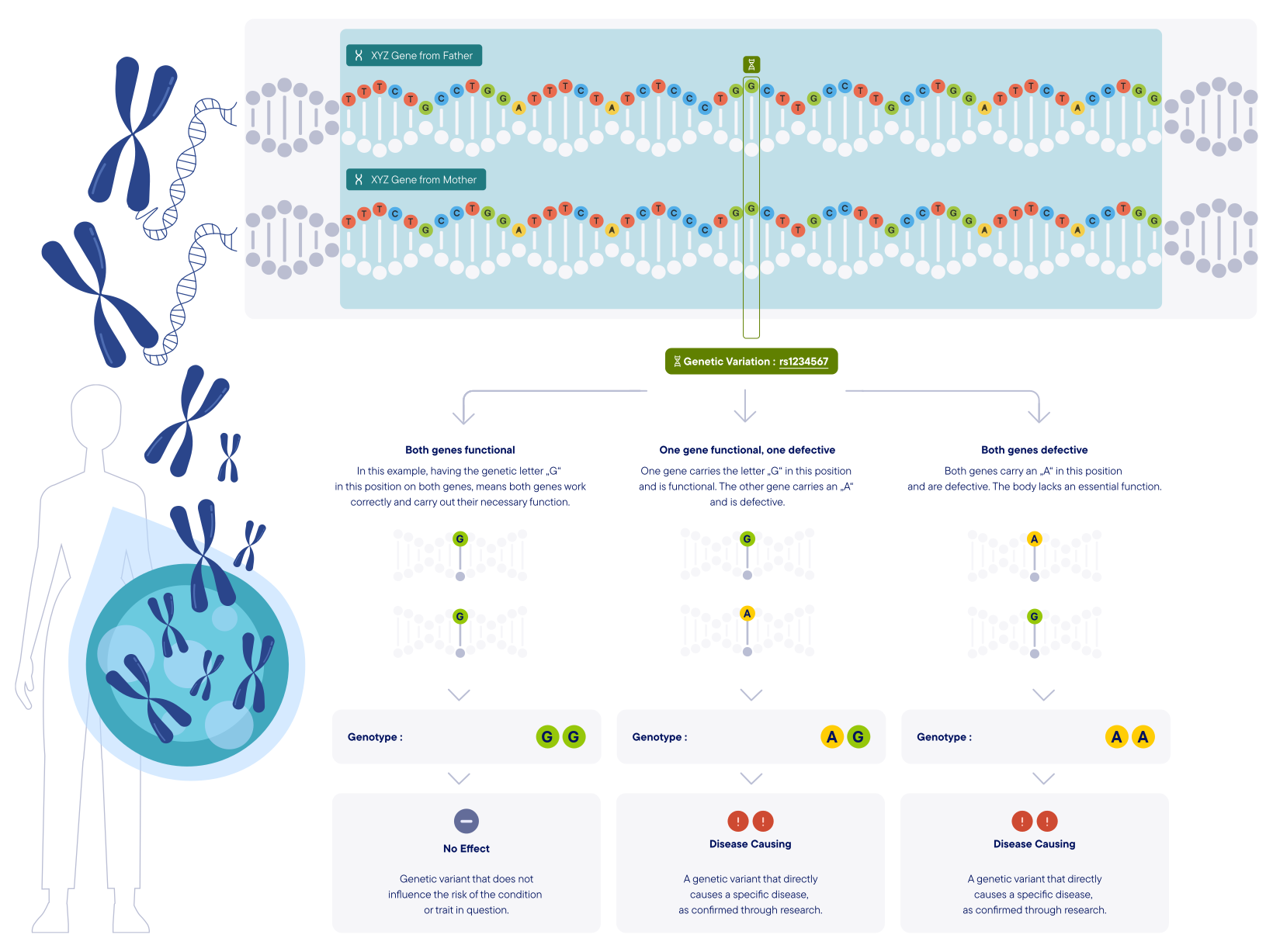
Humans have more than 20,000 genes, each carrying out one or a few specific functions in the body. One gene instructs the body to digest lactose from milk, another tells the body how to build strong bones and another prevents the body's cells from beginning to multiply uncontrollably and developing into cancer. As all of these genes combined are the building instructions for our body, a defect in one of these genes can have severe health consequences.
Through decades of genetic research, we know the genetic code of any healthy/functional human gene. We have also identified that in certain positions on a gene, some individuals may have a different genetic letter from the one you have. We call these hotspots "Genetic Variations" or "Variants" in short. In many cases, studies have been able to show that having the genetic letter "G" in the position makes you healthy, but having the letter "A" in the same position disrupts the gene function and causes a disease. Genopedia allows you to view these variants in genes and summarizes all that we know from scientific research, which genetic letters (Genotype) have good or bad consequences on your health or on your traits.
History
Families and communities once noticed patterns that didn’t fit tidy boxes: a baby labeled female at birth who, in adolescence, didn’t develop periods; an adult who learned during fertility testing that internal reproductive organs didn’t match early expectations. Long before genetic testing, these lived experiences hinted that body development and chromosomes don’t always line up. This is the backdrop for what is now called 46,XX sex reversal 4, a genetic form of differences in sex development.
First described in the medical literature as unusual cases of people with two X chromosomes developing testes or testis-like tissue, early reports focused on what could be seen and felt—absent periods, small or undescended gonads, shorter height, or infertility. As medical science evolved, careful examinations documented a wide spectrum: some people had typically male-appearing external genitals, others had variations, and some had features that only showed up on imaging or surgical findings. Not every early description was complete, yet together they built the foundation of today’s knowledge.
From early theories to modern research, the story of 46,XX sex reversal 4 followed a broader arc in genetics. Initial work searched for misplaced or altered genes that switch on testis development. Over time, researchers learned that a small number of genes act like dimmer switches during early embryo growth, and changes in these switches can steer development toward testes even without a Y chromosome. In recent decades, knowledge has built on a long tradition of observation. Genetic tools moved from broad chromosome studies to pinpointing specific regions and then to sequencing, which helped sort different subtypes—numbered variants, including “4”—based on the gene involved and how it alters development.
Throughout this history, language changed too. Terms that once centered on “reversal” or assigned labels have shifted toward person-first, more precise wording, emphasizing that these are differences in development rather than disorders of identity. Medical classifications changed as the range of outcomes became clearer: some people with 46,XX sex reversal 4 grow up healthy and only learn of the condition during family planning, while others need care earlier for hormone balance, puberty support, or surgery for undescended gonads.
Today’s understanding of 46,XX sex reversal 4 rests on decades of clinical observation and advances in genetics. Knowing the condition’s history helps explain why evaluation now includes both careful physical assessment and targeted genetic testing, and why care teams aim to match support to each person’s goals. The path from case reports to gene-level insight has brought more accurate diagnosis, better counseling about inheritance, and a more respectful approach to the diverse ways sex development can unfold.