
14q32 duplication syndrome is a rare genetic condition caused by an extra segment on chromosome 14. People with 14q32 duplication syndrome often have developmental delays and learning differences, and doctors may also see distinctive facial features or growth differences. Many living with 14q32 duplication syndrome can have low muscle tone in infancy, feeding challenges, and later speech delay, while some may have seizures or heart or skeletal differences. It is typically recognized in infancy or early childhood and is lifelong, but the experience varies and the outlook depends on the size of the duplication and any related health issues. Care focuses on supportive therapies, early intervention, treatment of specific features, and regular follow-up, and many children and adults do well with coordinated care.
Overview
14q32 duplication syndromeSymptoms
Early signs of 14q32 duplication syndrome include weak muscle tone, feeding trouble, and poor growth in infancy. Many later show developmental and speech delays, learning challenges, and distinctive facial features. Some have seizures, heart or kidney differences, or vision/hearing issues.
Outlook and prognosis
Many living with 14q32 duplication syndrome grow and learn at their own pace, with abilities ranging from mild to more significant support needs. Early therapies and steady medical follow-up often improve communication, mobility, and independence. Lifespan is typically near average when complications are well managed.
Causes and risk factors
14q32 duplication syndrome stems from an extra 14q32 segment, usually a new (de novo) change; sometimes inherited from a parent with a balanced translocation. Recurrence risk is higher with rearrangements. Environment or lifestyle don’t cause it but may shape complications.
Genetic influences
Genetics are central in 14q32 duplication syndrome because the condition results from extra copied DNA on chromosome 14q32. The duplicated segment disrupts normal gene dosage, which drives most features. Variation in the size and location of the duplication explains differences in severity and symptoms.
Diagnosis
Doctors suspect 14q32 duplication syndrome from clinical features like developmental delay, growth differences, and distinctive facial traits. The diagnosis of 14q32 duplication syndrome is confirmed by chromosomal microarray or other genetic tests; prenatal testing may follow concerning ultrasound findings.
Treatment and drugs
Treatment for 14q32 duplication syndrome focuses on each person’s needs. Care often includes early therapies (physical, occupational, speech), educational supports, feeding help, and treatment for seizures or heart, vision, or hearing issues as they arise. A coordinated team—pediatrics, genetics, neurology, cardiology, and therapy—helps monitor growth, learning, and overall health.
Symptoms
People with 14q32 duplication syndrome often share a pattern of developmental and physical features that show up early in life and can affect feeding, movement, and learning. Features vary from person to person and can change over time. Parents and clinicians may notice early features of 14q32 duplication syndrome in infancy, such as weak muscle tone or feeding challenges. These differences range from mild to more noticeable and can influence speech, growth, and school skills.
Milestones like sitting, crawling, walking, and first words may arrive later than expected. Progress continues over time, and therapies can help build skills.
Babies may feel floppy, have trouble with head control, or tire easily during activity. In 14q32 duplication syndrome, low tone can affect posture, balance, and coordination.
Trouble latching, weak suck, reflux, or slow weight gain can appear in infancy. In 14q32 duplication syndrome, some babies need thickened feeds, special bottles, or short-term tube feeding.
Height or weight may track below average in the first years, sometimes with slower weight gain. Regular growth checks help tailor nutrition and support.
How people usually first notice 14q32 duplication syndrome?
Families often first notice 14q32 duplication syndrome when a newborn has low muscle tone that makes feeding hard, or when growth and facial features look a bit different than expected; some babies are flagged during pregnancy if an ultrasound shows growth differences or other structural findings. As months pass, delays in rolling, sitting, or speaking, and sometimes feeding problems or poor weight gain, prompt early evaluations. For many, the “first signs of 14q32 duplication syndrome” are a mix of developmental delay and low muscle tone in infancy, leading a clinician to order genetic testing that confirms the diagnosis.
Types of 14q32 duplication syndrome
People with 14q32 duplication syndrome can share a core pattern of developmental delay, learning differences, and distinct facial features, but the specifics often depend on which part of 14q32 is duplicated and how large the duplicated segment is. Clinicians often describe them in these categories: focal (smaller) duplications, larger terminal duplications, and unbalanced translocations that include 14q32 along with material from another chromosome. Not everyone will experience every type, and severity can range from mild to more noticeable support needs. Understanding the main variants can help make sense of the different types of 14q32 duplication syndrome people may read about when searching for “types of 14q32 duplication syndrome.”
Focal microduplication
A small extra segment within 14q32 is duplicated. People may have mild to moderate developmental delay, feeding challenges in infancy, and subtle facial differences. Growth is often closer to average, and medical issues can be fewer.
Terminal 14q32 duplication
The duplication extends to the end of the chromosome arm. Many have more significant speech and motor delay, distinctive facial features, and possible growth differences. Congenital differences such as heart or kidney anomalies may be more likely.
Unbalanced translocation
Extra 14q32 material comes from a parent’s balanced rearrangement, sometimes with missing or extra DNA from another chromosome. Symptom patterns can be broader, with developmental delay plus features linked to the partner chromosome. Family genetic testing often clarifies recurrence risk.
Imprinted-region involvement
The duplicated segment includes the 14q32 imprinted cluster. This can shift hormone and growth signaling, sometimes affecting feeding, muscle tone, and sleep patterns. Features may overlap with known imprinting effects, and endocrine review can be useful.
Large multi-gene duplication
A wide portion of 14q is duplicated, spanning many genes beyond 14q32. People may show more pronounced developmental and medical features compared with smaller duplications. Care often involves multiple specialists to monitor different organ systems.
What genetics can tell you about symptoms
Extra copies of genes on chromosome 14q32 can shift growth and development, leading to low muscle tone, feeding problems, delayed speech, distinctive facial features, and learning differences. Larger duplications or those involving key regulatory genes often bring more pronounced delays, seizures, and congenital heart differences.
Causes and risk factors
The underlying cause is an extra stretch of DNA on chromosome 14 at region q32 from before birth. Most cases of 14q32 duplication syndrome are new changes in the egg or sperm, but some come from a parent with a balanced translocation or the same duplication. Genes set the stage, but environment and lifestyle often decide how the story unfolds. Early symptoms of 14q32 duplication syndrome and later abilities can be influenced by birth factors, overall health, and early therapy, yet these do not cause the extra DNA. A parent with a balanced translocation has a higher chance of another child with 14q32 duplication syndrome, so genetic testing and counseling can guide recurrence risk.
Environmental and biological risk factors
14q32 duplication syndrome begins before birth when extra material from the long arm of chromosome 14 is present. Most cases happen by chance during the making of eggs or sperm or in the earliest days after conception, without a clear trigger. Doctors often group risks into internal (biological) and external (environmental). Below we outline environmental risk factors for 14q32 duplication syndrome alongside body-based factors that can influence the chance of a chromosomal change.
Mistakes during the formation of eggs or sperm can duplicate a segment of chromosome 14. These chance events can lead to 14q32 duplication syndrome. They are not linked to anything done during pregnancy.
In the first days after conception, cell-division slips can copy extra 14q32 material. This can leave some cells with the duplication while others are typical. The chance is random.
The risk of chromosomal changes rises with increasing egg age. This is well established for whole-chromosome conditions; any effect on 14q32 duplication syndrome appears small. Most cases still happen across a wide range of maternal ages.
New DNA changes in sperm increase with paternal age, including some structural changes. This could slightly raise the chance of a segmental duplication forming at conception. The absolute risk remains low.
Genetic risk factors
Genetic changes that add extra material on the long arm of chromosome 14 can affect growth, learning, and development in different ways. When people ask about the genetic causes of 14q32 duplication syndrome, most fall into a few patterns seen in chromosome testing. Some risk factors are inherited through our genes. Parent-of-origin and the exact size of the duplicated segment often shape how the condition looks from person to person.

De novo duplication: In many children, the extra 14q32 segment arises as a one-time event at conception. Parents often have typical chromosome results, and future pregnancies usually carry only a small chance of recurrence due to possible changes limited to eggs or sperm.
Balanced translocation: A parent with a balanced rearrangement involving 14q32 can pass on an unbalanced chromosome set that includes a duplication. If this is present, the chance of 14q32 duplication syndrome recurring in each pregnancy can be higher, so parental chromosome testing matters.
Inherited duplication: If a parent carries the same 14q32 duplication, there is a 50% chance to pass it to a child in each pregnancy. Features in 14q32 duplication syndrome can vary even within the same family.
Imprinting and origin: The 14q32 region includes imprinted genes that are normally switched on only from either the mother’s or the father’s copy. Because of this, effects can differ depending on which parent the extra piece came from.
Size and genes: The number and type of genes included in the duplicated segment influence how 14q32 duplication syndrome presents. Larger segments or those including key regulatory genes tend to produce broader features than very small microduplications.
Mosaicism: In some people, only a portion of cells carry the 14q32 duplication, which can lead to milder or variable features. A parent can also have changes limited to eggs or sperm, creating a small recurrence risk even when blood tests look typical.
Lifestyle risk factors
14q32 duplication syndrome is a genetic condition; lifestyle habits do not cause it, but daily routines can shape symptoms, function, and complications. When people ask about lifestyle risk factors for 14q32 duplication syndrome, it’s more accurate to focus on how habits affect feeding, sleep, mobility, learning, and overall health. Small, targeted changes can improve comfort, development, and quality of life. Work with your care team to tailor these strategies to your child’s needs.
Consistent, calorie-appropriate meals with safe textures can support growth despite low muscle tone and feeding fatigue. Managing reflux-triggering foods and pacing meals may reduce vomiting, discomfort, and food aversion. Ensuring adequate calcium and vitamin D supports bones when mobility is limited.
Daily, low-impact movement guided by PT/OT principles can improve tone, balance, and motor skills. Regular activity helps prevent joint stiffness and supports heart and lung health in children with hypotonia. Activities should be adapted to energy levels and any cardiac or orthopedic concerns.
A steady sleep schedule and calming bedtime routine can improve daytime attention, mood, and learning. Adequate sleep may also reduce seizure risk in those with a history of seizures. Addressing snoring or restless sleep with clinicians can further improve function.
For individuals with epilepsy, avoiding sleep deprivation and maintaining regular meals can lower seizure likelihood. Clinician-guided dietary approaches (such as ketogenic-style plans) may be considered when appropriate. Tracking personal triggers helps refine daily routines.
Risk prevention
14q32 duplication syndrome is a genetic change present from conception, so you can’t prevent it after a pregnancy begins. Prevention focuses on family planning to reduce the chance of it happening in a future pregnancy and on steps that lower complications for someone living with it. Knowing your risks can guide which preventive steps matter most. Acting early—spotting early symptoms of 14q32 duplication syndrome and setting up care—can protect growth, breathing, feeding, and development.
A genetics professional can explain how 14q32 duplication syndrome happens and your family’s recurrence risk. They can discuss options such as testing during pregnancy or in vitro fertilization with embryo testing.
Checking the parents’ chromosomes can show whether a balanced change is present. This helps estimate the chance of 14q32 duplication syndrome in future pregnancies and guide planning.
For future pregnancies, tests like chorionic villus sampling or amniocentesis with detailed chromosome analysis can detect a duplication. Results can inform decisions and delivery planning.
When 14q32 duplication syndrome is diagnosed, early checks of the heart, hearing, vision, feeding, and breathing can catch issues before they cause problems. Early treatment prevents avoidable complications.

Transmission
14q32 duplication syndrome is a genetic condition, not an infection, so it cannot be caught or passed through contact. It happens when an extra piece of chromosome 14 (in the q32 region) is present from conception; in many families this duplication arises for the first time in the child because of a new change in an egg or sperm.
In other families, the duplication is inherited from a parent—either a parent who also has the duplication or one who carries a balanced chromosome change that causes no symptoms but can lead to a child with the duplication. How 14q32 duplication syndrome is inherited, and the chance of it happening again, depends on the parents’ chromosome results, so genetic counseling and parental testing are recommended to understand the genetic transmission of 14q32 duplication syndrome.
When to test your genes
Consider genetic testing if a child shows unexplained developmental delay, low muscle tone, feeding difficulties, distinctive facial features, or multiple congenital differences, or if prenatal imaging finds structural anomalies. Testing also makes sense when a close relative has a known 14q32 duplication. Results can guide early therapies, medical screening, and family planning.
Diagnosis
Day to day, the path to answers often starts when a child’s development, muscle tone, or growth seems different from peers and prompts a closer look. With 14q32 duplication syndrome, clinicians usually combine a careful exam and history with chromosome-based tests to confirm what’s going on. Genetic testing may be offered to clarify risk or guide treatment. Many families hear the term genetic diagnosis of 14q32 duplication syndrome when test results explain the features seen in clinic.
Doctors review growth, developmental milestones, feeding or muscle tone concerns, and look for patterns on exam. These clinical features guide which genetic tests are most useful.
This genome-wide test can detect an extra copy in the 14q32 region and estimate its size. It is the most common first test used to confirm 14q32 duplication syndrome.
A standard chromosome picture can show larger duplications or an unbalanced piece from another chromosome. It helps determine if 14q32 duplication syndrome is part of a rearrangement such as a translocation.
Fluorescence in situ hybridization uses probes that bind to 14q32 to confirm a suspected duplication. It is also useful for checking parents for a balanced rearrangement involving the same region.
Stages of 14q32 duplication syndrome
14q32 duplication syndrome does not have defined progression stages. It stems from an extra segment of chromosome 14 present from birth, so features vary widely and tend to evolve with growth and support rather than moving through set phases. Different tests may be suggested to help confirm the diagnosis and check for related needs, such as a chromosomal microarray, targeted genetic testing, hearing and vision checks, and heart or kidney evaluations. Doctors usually track development, feeding, growth, and any early symptoms of 14q32 duplication syndrome over time, adjusting therapies and supports as needed.
Outlook and prognosis
Looking at the long-term picture can be helpful. For many people with 14q32 duplication syndrome, health and development improve over time with steady support, but progress is typically slower than peers. Early care can make a real difference—speech, physical, and occupational therapy often help children gain skills for communication, mobility, and daily routines. Seizures, feeding issues, and low muscle tone may appear in childhood; for some, these early symptoms of 14q32 duplication syndrome ease with treatment, while others need ongoing management. Many people find that symptoms shift across childhood and adolescence as needs change at school, during growth spurts, or with puberty.
The outlook is not the same for everyone, but many children reach new milestones into the school years and beyond, even if on their own timeline. Learning differences and speech delay are common, so educational supports are key for long-term independence, social connection, and behavior. Heart or kidney differences are reported in a subset; when present, cardiology or nephrology follow-up helps reduce complications and supports a safer adulthood. Most reports suggest typical life expectancy when serious organ problems or uncontrolled seizures are not present; when those complications occur, risks are higher, so close monitoring matters. With ongoing care, many people maintain stable health and take part in family, school, or community life.
Talk with your doctor about what your personal outlook might look like. A genetics team can review the exact size and genes within the 14q32 duplication, which may help explain differences in symptoms and guide planning. Families often want to know how life will change as a child grows; setting clear goals, reviewing therapies yearly, and adjusting care plans can keep progress on track.
Long-term effects
People living with 14q32 duplication syndrome tend to share some long-term traits, but the mix and intensity are highly individual. Long-term effects vary widely, and features can change from infancy through adulthood. Many reach new milestones over time, though skills may develop more slowly and unevenly. Overall health and life span are often shaped by whether heart, kidney, or neurological issues are present.
Cognitive abilities often range from mild to moderate differences, with uneven strengths across subjects. Learning typically takes longer and may plateau at different points across childhood and adulthood.
First words and sentences commonly arrive late, and speech may remain limited or hard to understand. Some rely on alternative ways to communicate as they get older.
Low muscle tone in infancy can lead to later sitting, standing, and walking. Balance, coordination, and endurance may remain below peers across school years and adulthood.
Early feeding difficulties and reflux can improve, but selective eating or slow weight gain may continue. Body size may be smaller than average, though some people track along typical growth curves.
How is it to live with 14q32 duplication syndrome?
Daily life with 14q32 duplication syndrome often means moving at a different pace, with developmental delays in speech and learning, low muscle tone that can affect coordination and feeding in infancy, and sometimes distinctive facial features or growth differences that doctors watch over time. Many need early intervention—speech, physical, and occupational therapy—and educational supports, which can help skills build steadily even if milestones arrive later. Families and caregivers become key partners, coordinating therapies, appointments, and routines, and siblings or classmates may need simple, age-appropriate explanations to foster patience and inclusion. With consistent support, people with this syndrome can make meaningful gains, communicate in ways that work for them, and take part in daily life in ways that reflect their strengths.
Treatment and drugs
Treatment for 14q32 duplication syndrome focuses on easing symptoms and supporting development, since there’s no single medicine that “fixes” the underlying chromosome change. Care usually starts early with physical, occupational, and speech therapy to build skills for sitting, walking, feeding, and communication; many also benefit from educational support and behavioral strategies at school and home. Doctors sometimes recommend medicines to treat specific issues linked to 14q32 duplication syndrome, such as anti-seizure drugs for epilepsy, reflux medication for feeding problems, or sleep aids when sleep is disrupted. Alongside medical treatment, lifestyle choices play a role, including nutrition support, safe feeding techniques, and routines that encourage learning and social interaction. Your doctor can help weigh the pros and cons of each option, and coordinate care among pediatrics, neurology, cardiology, genetics, and other specialists as needs change over time.
Non-drug treatment
Day-to-day, families often focus on movement, feeding, communication, and learning skills. Recognizing early symptoms of 14q32 duplication syndrome can guide timely referrals and help build therapy plans sooner. Non-drug treatments often lay the foundation for progress, with services adjusted as your child grows and needs change.
State or regional birth-to-3 programs coordinate therapies in the home or clinic. Starting services early for 14q32 duplication syndrome can boost motor, language, and social development.
Targeted exercises build strength, balance, and coordination for rolling, sitting, and walking. Therapists may teach safe positioning and home routines to support daily mobility.
Practice with hand skills and sensory play supports feeding, dressing, and using toys or tools. Therapists adapt activities and recommend equipment to make daily tasks easier.
Work on understanding words, expressing needs, and social communication. If speech is delayed in 14q32 duplication syndrome, therapists may introduce signs or picture-based methods while speech develops.
Your genes may have an impact on how drugs work for you
Some medicines work differently in people with 14q32 duplication syndrome because gene changes can alter how the body absorbs, breaks down, or responds to drugs. Pharmacogenetic testing and careful dosing help clinicians choose safer, more effective treatments for each person.
Pharmacological treatments
Medicines for 14q32 duplication syndrome aim to ease day-to-day issues like seizures, reflux, constipation, sleep problems, behavior challenges, and muscle tone changes. Drugs that target symptoms directly are called symptomatic treatments. Treatment depends on the features someone has, which can range from early symptoms of 14q32 duplication syndrome like feeding trouble to later challenges such as seizures. Plans are personalized and adjusted over time as children grow and needs change.
Levetiracetam, valproate, or oxcarbazepine are commonly used to reduce seizures. Dosing may be increased or lowered gradually to balance seizure control with side effects. Regular follow-up helps fine-tune the plan.
Omeprazole or lansoprazole (acid blockers) and famotidine (an H2 blocker) can reduce stomach acid and protect the esophagus. This can improve feeding comfort and lessen vomiting. Your clinician may adjust the dose as a child gains weight.
Polyethylene glycol (PEG 3350), lactulose, or senna can soften stools and improve regularity. Good hydration and fiber remain important alongside medication. Doses are tailored to get comfortable, painless stools.
Melatonin often helps with falling asleep and more regular sleep timing. If problems persist, some clinicians consider clonidine or trazodone, with careful monitoring. Checking for pain, reflux, or sleep apnea remains part of care.
Genetic influences
The features of this condition are linked to having an extra segment of DNA on chromosome 14 near the 14q32 region, so certain genes are present in too many copies. This extra copy (a duplication) can happen for the first time in a child or be inherited from a parent who carries a balanced chromosome change or a small duplication that causes few or no noticeable signs. Because the size of the duplicated piece and which genes it includes can differ, 14q32 duplication syndrome can look very different from one person to another; extra gene activity can act like turning a dimmer switch up, shifting how body systems develop. In some families, the duplication is present in only a portion of a parent’s cells (mosaicism), which can lead to milder features and influence the chance of passing it on. Genetic testing for 14q32 duplication syndrome—often using a chromosomal microarray—can confirm the extra segment and help estimate recurrence risk in future pregnancies. To put these pieces together, doctors may suggest genetic counseling.
Is 14q32 duplication syndrome genetic?
Genetics are central in 14q32 duplication syndrome because the condition results from extra copied DNA on chromosome 14q32. The duplicated segment disrupts normal gene dosage, which drives most features. Variation in the size and location of the duplication explains differences in severity and symptoms.
Pharmacogenetics—how genetics influence drug effects
People with 14q32 duplication syndrome often take medicines for seizures, reflux, sleep, or behavior, and not everyone responds the same way. Genes can influence how quickly you break down certain drugs, which can affect side effects and whether a dose works. The duplication itself doesn’t point to a single “right” medication, but pharmacogenetic results can help tailor common treatments used in this condition. Before starting carbamazepine or oxcarbazepine for seizures, many doctors consider testing for HLA genes linked to rare but severe skin reactions, especially in people with East or Southeast Asian ancestry. For medicines like phenytoin or clobazam, differences in drug-processing enzymes (such as CYP2C9 or CYP2C19) may guide the starting dose or closer monitoring to reduce sedation or toxicity. When treating early symptoms of 14q32 duplication syndrome, such as new-onset seizures, clinicians weigh genetics alongside age, other medicines, and liver and kidney health to choose and adjust therapy over time.
Interactions with other conditions
People living with 14q32 duplication syndrome often see day-to-day links between core features—like low muscle tone and feeding problems—and other health issues such as reflux, constipation, and chest infections. Another important aspect is how it may link with other diseases. When congenital heart differences are present, routine viral illnesses can be tougher to recover from and procedures with anesthesia may need extra planning. Seizures can occur in some, and factors like fever, poor sleep, or untreated sleep apnea may make them more likely; some sedating medicines can also worsen low muscle tone or breathing during sleep. Developmental and behavioral conditions, including autism traits or attention difficulties, may occur alongside 14q32 duplication syndrome, and hearing or vision problems can compound speech, learning, and social communication—especially when early symptoms of 14q32 duplication syndrome include feeding challenges and delayed milestones. These interactions vary widely, so coordinated care across pediatrics, neurology, cardiology, ENT/audiology, sleep medicine, and therapy services can help reduce knock-on effects when one issue flares.
How genes can cause diseases
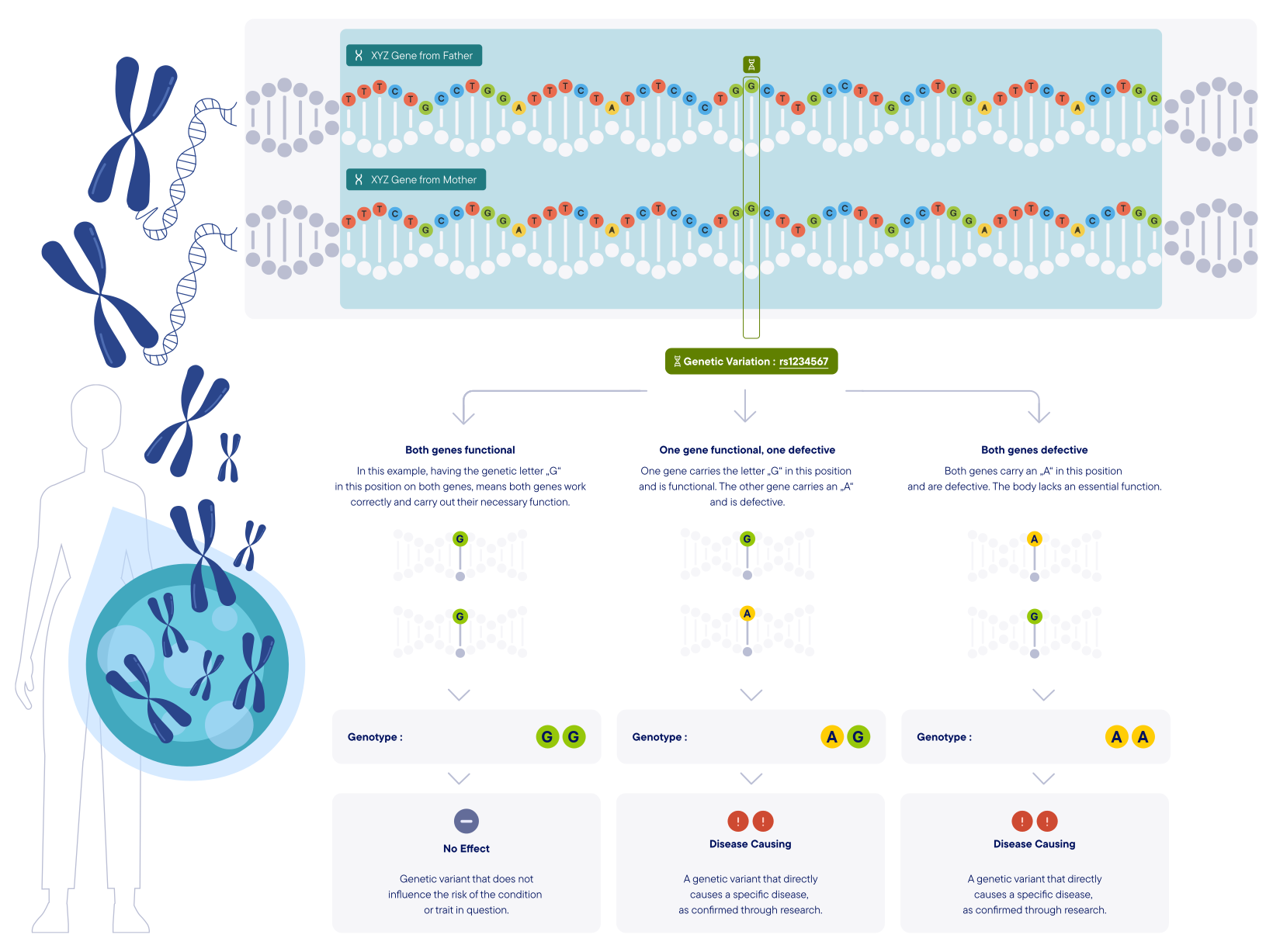
Humans have more than 20,000 genes, each carrying out one or a few specific functions in the body. One gene instructs the body to digest lactose from milk, another tells the body how to build strong bones and another prevents the body's cells from beginning to multiply uncontrollably and developing into cancer. As all of these genes combined are the building instructions for our body, a defect in one of these genes can have severe health consequences.
Through decades of genetic research, we know the genetic code of any healthy/functional human gene. We have also identified that in certain positions on a gene, some individuals may have a different genetic letter from the one you have. We call these hotspots "Genetic Variations" or "Variants" in short. In many cases, studies have been able to show that having the genetic letter "G" in the position makes you healthy, but having the letter "A" in the same position disrupts the gene function and causes a disease. Genopedia allows you to view these variants in genes and summarizes all that we know from scientific research, which genetic letters (Genotype) have good or bad consequences on your health or on your traits.
History
Families and communities once noticed patterns that didn’t quite fit a single diagnosis: a baby who stayed in the hospital longer after birth, a cousin who learned to speak later, a relative with a rounder face and smaller jaw. Before genetic testing, these shared traits were noted but rarely connected to one cause. Medical charts focused on feeding troubles, low muscle tone, or growth differences. Each detail was true, but the bigger picture remained fuzzy.
First described in the medical literature as extra material on the long arm of chromosome 14, this is now known as 14q32 duplication syndrome. Early reports came from children whose chromosomes were examined under a microscope because of developmental delays or congenital differences. Doctors could see an added segment on chromosome 14, but they couldn’t always tell which genes were included or how that related to each child’s symptoms.
As medical science evolved, chromosomal microarray and later high-resolution DNA tests showed that not all duplications are the same. Some involve only the 14q32 region, while others stretch farther. That helped explain why the condition varies so much—from mild learning differences and subtle facial features to broader medical needs. With each decade, case reports grew into small series, giving clinicians a clearer sense of early symptoms of 14q32 duplication syndrome and common patterns seen on exam.
In recent decades, knowledge has built on a long tradition of observation. Geneticists linked certain genes within 14q32 to aspects of growth, muscle tone, and development, and recognized that the size and exact location of the duplicated segment matter. Some children inherited the duplication from a parent with very mild features; others had a new (de novo) change. This clarified why some families see the condition across generations while others do not.
Despite evolving definitions, the goal has stayed the same: to match what families notice at home with what labs and clinics find. Today, 14q32 duplication syndrome is identified more often, not because it’s suddenly common, but because testing is better and used earlier. That shift means more timely support—early therapies, coordinated care, and guidance for future pregnancies—replacing years of uncertainty with a name and a plan. Knowing the condition’s history helps explain both its variability and the steady improvements in diagnosis and care.