
1,4-phenylenediamine allergic contact dermatitis is a skin reaction to a chemical often found in permanent hair dyes and some dark textiles or inks. People with this condition develop itchy, red, and sometimes blistering patches where the product touched the skin. Symptoms can start within hours to a couple of days and may last days to weeks if exposure continues. It is not life-threatening, but severe swelling around the eyes or widespread rash can be serious and may need urgent care. Treatment usually includes stopping exposure, gentle skin care, topical corticosteroids, and antihistamines for itch, and many living with 1,4-phenylenediamine allergic contact dermatitis do well once they avoid the trigger.
Overview
1,4-phenylenediamine allergic contact dermatitisSymptoms
In 1,4-phenylenediamine allergic contact dermatitis, early symptoms include itchy, burning redness and swelling where dye touched—often scalp, hairline, eyelids, ears, or neck. A rash may blister, ooze, or crust and typically appears 1–3 days after exposure.
Outlook and prognosis
Most people with 1,4-phenylenediamine allergic contact dermatitis improve once the dye is fully avoided and the skin is treated. Flares can recur with even small exposures, so careful label checks and patch testing help. Long term, skin usually heals without scarring.
Causes and risk factors
1,4‑phenylenediamine allergic contact dermatitis is triggered by skin contact with 1,4‑phenylenediamine (PPD) in permanent hair dyes and “black henna” tattoos. Risk rises with repeated or occupational exposure, sensitization or related allergies (benzocaine/PABA), damaged skin, occlusion while dyeing, and stronger products.
Genetic influences
Genetics plays a modest role in 1,4-phenylenediamine allergic contact dermatitis. A family tendency to allergies or certain immune-response variants may raise risk, but exposure drives the condition. Testing is clinical; routine genetic testing isn’t recommended.
Diagnosis
Doctors diagnose 1,4-phenylenediamine allergic contact dermatitis by linking symptoms to recent PPD exposure (hair dye, “black henna,” or work). Patch testing with PPD confirms the allergy and helps distinguish it from irritant dermatitis or infection.
Treatment and drugs
Treatment for 1,4-phenylenediamine allergic contact dermatitis focuses on strict avoidance of PPD in hair dyes and related products, plus gentle skin care. Flares are usually managed with topical corticosteroids, soothing emollients, and antihistamines for itch. Severe or widespread reactions may require short courses of prescription oral steroids and guidance on safe dye alternatives like PPD-free or patch-tested options.
Symptoms
Early symptoms of 1,4-phenylenediamine allergic contact dermatitis often start 1 to 3 days after the skin touches a hair dye or a black temporary tattoo that contains this dye chemical. The skin in contact areas—commonly the scalp edges, ears, neck, or face—can turn red, itchy, and puffy, and sometimes small blisters form. Symptoms vary from person to person and can change over time. For some, it stays mild and localized; others develop more swollen eyelids and a rash that spreads beyond the original area.
Persistent itch is often the first and most bothersome symptom. Scratching can make the skin more inflamed and sore. In 1,4-phenylenediamine allergic contact dermatitis, itch may feel intense around the hairline, ears, or neck.
The skin turns red or darker than usual and may feel warm. Small bumps or patches can join into a larger rash. This pattern fits 1,4-phenylenediamine allergic contact dermatitis when it follows recent dye or tattoo exposure.
The skin can swell, especially on thin areas like the eyelids and lips. People may wake with puffy eyes after coloring hair the day before. Swelling can make the skin feel tight or tender.
In stronger reactions, tiny fluid-filled blisters form. They can weep, then crust over as they heal. This may happen along the hairline, behind the ears, or on the neck.
How people usually first notice 1,4-phenylenediamine allergic contact dermatitis?
Many people first notice 1,4-phenylenediamine (PPD) allergic contact dermatitis after using permanent hair dye, when an itchy, burning rash appears within hours to a few days on the scalp, hairline, ears, eyelids, neck, or hands that handled the product. Skin may become red, swollen, and weepy, and the eyelids can puff up noticeably; some also feel tingling or tightness before the rash shows. These first signs of 1,4-phenylenediamine allergic contact dermatitis often follow a recent dye application, black henna temporary tattoo, or exposure to dark textile dyes, and tend to worsen with each repeat exposure.
Types of 1,4-phenylenediamine allergic contact dermatitis
Allergic contact dermatitis from 1,4‑phenylenediamine (PPD) shows up in a few recognizable ways depending on how and where the skin touches the chemical, how strong the exposure is, and whether the reaction has become long‑standing. Sometimes, symptoms cluster together in recognizable ways. People with PPD allergy often notice patterns tied to hair dye use, black henna tattoos, or workplace exposure. Not everyone will experience every type, and the balance of symptoms can shift over time.
Acute allergic flare
Itchy, red, swollen patches appear hours to a couple of days after exposure. Blisters or oozing can develop, especially on thin skin like eyelids or neck. Swelling can be quite pronounced after hair dyeing.
Subacute irritation
Redness and dryness linger after the initial rash calms. Flaking and mild cracking can make the skin feel tight or sore. This often follows an acute flare that is slowly resolving.
Chronic hand eczema
Ongoing contact at work or home leads to dry, thickened, scaly hands. Painful fissures can form on the palms or fingers. Symptoms may ease on days away from exposure and worsen when contact resumes.
Eyelid and face pattern
The eyelids, hairline, ears, and neck react despite limited direct contact. Transfer from hair dye during rinsing or from hands can trigger swelling and itch around the eyes. Some notice burning around the mouth or beard area after grooming products.
Scalp‑dominant dermatitis
The scalp becomes intensely itchy with redness and crusting after coloring. Tenderness may make combing or washing uncomfortable. Hair shedding can increase temporarily from inflammation.
Black henna tattoo reaction
A temporary tattoo containing PPD causes a sharply outlined, very itchy rash where the design was applied. Blisters or dark staining can appear, sometimes leaving long‑lasting discoloration. Scars may form if the reaction is severe.
Airborne spread pattern
Tiny droplets or dust with PPD settle on exposed skin, causing a scattered rash on the face, neck, and forearms. Eyelids may swell while areas under clothing stay clearer. This can occur in salons or workplaces using dyes.
Photo‑exposed areas
Sun‑exposed skin reacts more strongly after recent PPD contact. Redness and itch are worse on the face and neck compared with covered areas. Planning around sun exposure can reduce flares.
Persistent post‑inflammatory changes
After the rash settles, darker or lighter patches can remain. These color changes fade over weeks to months. Gentle skin care helps the skin barrier recover.
Cross‑reactivity pattern
People also react to related dyes or chemicals, leading to rashes with different products. Reading ingredient lists and patch testing guide safer choices. Discussing types of 1,4‑phenylenediamine allergic contact dermatitis with your clinician can clarify triggers.
What genetics can tell you about symptoms
Certain genetic variations in skin barrier genes, like filaggrin (FLG), can make skin more porous, letting 1,4‑phenylenediamine (PPD) penetrate and trigger stronger, itchier rashes. Differences in immune response genes (such as HLA types) can also prime the body to overreact, causing faster, more severe dermatitis after PPD exposure.
Causes and risk factors
The main cause is skin contact with a hair dye chemical called 1,4-phenylenediamine, found in many permanent dyes and some black henna tattoos. Risk rises with frequent use, longer contact, salon work, a damaged skin barrier, and contact trapped under gloves or tight gear. Doctors distinguish between risk factors you can change and those you can’t. You can lower risk by spacing out dyeing and choosing products without 1,4-phenylenediamine, and some people are more sensitive due to inherited immune differences. Risk factors for 1,4-phenylenediamine allergic contact dermatitis also include reacting to related dyes or some numbing creams after a past exposure has already sensitized the skin.
Environmental and biological risk factors
1,4-phenylenediamine allergic contact dermatitis happens when the immune system becomes sensitized to a common dye ingredient and reacts when the skin touches it again. Risk tends to rise with how much, how often, and how directly your skin contacts products containing this chemical. Some risks are carried inside the body, others come from the world around us. Here are the main environmental exposures and body-based factors that can raise the chance of a reaction.
Permanent and dark hair dyes often contain PPD, and frequent or prolonged contact raises risk. This is a leading source of 1,4-phenylenediamine allergic contact dermatitis.
So-called black henna often contains high PPD levels, creating strong exposure. Even a single tattoo can trigger 1,4-phenylenediamine allergic contact dermatitis later when you use hair dye.
Hairdressers and barbers handle PPD-containing dyes daily, with skin contact during mixing, applying, or cleanup. Repeated low-level exposure can sensitize over time.
Warm, moist conditions and occlusive caps increase how much PPD penetrates skin. This deeper exposure can make sensitization and reactions more likely.
Genetic risk factors
Genetic traits can influence who becomes sensitized to 1,4-phenylenediamine allergic contact dermatitis. Most inherited risk reflects many small DNA differences that affect the skin barrier and how T cells recognize tiny chemicals like PPD (1,4-phenylenediamine). Researchers have outlined several genetic risk factors for 1,4-phenylenediamine allergic contact dermatitis, but none act alone. Risk is not destiny—it varies widely between individuals.

Filaggrin variants: Changes in the filaggrin gene can weaken the skin’s outer barrier. This makes it easier for small chemicals like PPD to get in and trigger allergic contact dermatitis. People with these variants have higher rates of contact sensitization in studies.
Family history: Allergic skin reactions can cluster in families due to shared genes that shape the skin barrier and immune response. Carrying certain risks doesn’t automatically lead to a PPD reaction.
HLA types: Differences in immune marker genes called HLA influence how the body presents PPD-linked fragments to T cells. Some HLA types have been linked to contact allergy in certain groups, but results vary and testing is not routine.
Metabolism genes: Variants in enzymes that process aromatic amines can alter how PPD is broken down. These differences may change the amount of reactive material the immune system encounters, affecting the chance of sensitization. Science continues to uncover how these elements interact.
Immune signaling: Common changes in genes that guide inflammation and T-cell responses can nudge how strongly the body reacts to PPD. These add small shifts in risk rather than causing allergic contact dermatitis on their own.
Atopic tendency: Inherited traits linked to eczema, asthma, or hay fever overlap with barrier and immune genes. People with this background have higher rates of contact sensitization, which can include PPD allergy.
Polygenic background: There is no single PPD gene that predicts reactions. Multiple small genetic differences add up, and their impact can differ by ancestry and other health traits. Even strong risks don’t guarantee a specific outcome.
Lifestyle risk factors
Daily habits that bring skin into contact with 1,4-phenylenediamine (PPD) or weaken the skin barrier can trigger or worsen flares. The main lifestyle risk factors for 1,4-phenylenediamine allergic contact dermatitis relate to hair coloring practices, temporary tattoos, and skin care routines. Frequency, technique, and post-exposure behaviors all influence severity. Planning sweat-heavy exercise and heat exposure around potential contact can change how intense a reaction becomes.
Using permanent or dark oxidative hair dyes that contain PPD puts the scalp, ears, and neck in direct contact with the allergen. Home or salon applications that allow dye to touch the skin raise the chance of a flare.
So-called “black henna” often contains very high levels of PPD to make the stain darker. Getting these temporary tattoos can strongly sensitize the skin and cause severe dermatitis at and beyond the tattoo site.
Short intervals between dye jobs and frequent root touch-ups add repeated PPD exposure. Cumulative contact increases the likelihood and intensity of reactions over time.
Letting dye sit longer than directed, applying to the scalp rather than hair strands, or failing to wipe spills increases PPD penetration. Skipping a patch test before use raises the chance of an unexpected severe flare.
Risk prevention
Hair dye and some tattoo pigments can irritate or trigger reactions, especially when skin becomes sensitized over time. With 1,4-phenylenediamine allergic contact dermatitis, the most effective approach is avoiding the chemical and using safer routines when products could touch your skin. Prevention is about lowering risk, not eliminating it completely. A dermatologist can confirm the allergy and help you build a practical plan for everyday life and salon visits.
Ask a dermatologist about patch testing to verify PPD as the trigger and to identify related chemicals to avoid. Clear results guide which products and jobs are safe and which to skip.
Skip permanent hair dyes and pigments listing phenylenediamine, p-phenylenediamine, or 1,4-benzenediamine. Be cautious with “PPD-free” dyes, as related chemicals can still cross-react.
Check product lists for names like phenylenediamine, p-phenylenediamine, PPD, or 1,4-benzenediamine. In the EU and US, ingredient lists can help you spot and avoid these.
Consider highlights or foils that keep dye off the scalp, or true plant-based options like pure henna without added “black” dyes. Some “PPD-free” formulas contain related ingredients that may still trigger reactions, so confirm safety first.

Transmission
1,4-phenylenediamine allergic contact dermatitis is not contagious—you can’t “catch” it from someone else. It happens when skin becomes allergic to a hair‑dye chemical (often called PPD), and even tiny amounts touching the skin can trigger a rash.
Exposure occurs through direct skin contact with PPD, most often during hair coloring, from black henna temporary tattoos, or from residue on tools, towels, gloves, or freshly dyed hair that brushes the skin. Many sensitized people notice flares after unknowingly transferring small amounts on their hands to the eyelids, neck, or ears; this is chemical exposure, not infection. If you’re wondering is 1,4-phenylenediamine allergic contact dermatitis contagious, the answer is no—avoiding the chemical, not other people, is what prevents flares.
When to test your genes
Consider testing when rashes recur after hair dye, leather, or dark textile exposure, or when standard eczema treatments fail. Patch testing confirms 1,4‑phenylenediamine sensitivity and guides safer product choices and workplace protections. If reactions are severe, widespread, or impact your job, ask a dermatologist for patch testing promptly.
Diagnosis
You might notice a very itchy, burning rash after a hair dye, beard dye, or black henna exposure—often on the scalp, hairline, ears, eyelids, or neck. For many, the pattern and timing of symptoms point the doctor toward 1,4-phenylenediamine allergic contact dermatitis. Many people feel relief just knowing what’s really going on. The diagnosis of 1,4-phenylenediamine allergic contact dermatitis usually combines your story, a focused skin exam, and patch testing to confirm the allergy.
Doctors look at when the rash started and how it flares after dye or tattoo exposure. A close link between contact and symptoms helps narrow the cause.
Your provider will ask about hair dyes, black henna tattoos, beard dyes, and workplace products. Bringing product names or photos of labels can be very helpful.
The exam looks for redness, swelling, papules, or weeping on areas that touched the dye, like the scalp borders, ears, and eyelids. Patterns that match contact points support 1,4-phenylenediamine allergic contact dermatitis.
Small amounts of common allergens, including 1,4-phenylenediamine, are placed on your back with patches. A delayed reaction in the test area confirms the allergy.
Stages of 1,4-phenylenediamine allergic contact dermatitis
1,4-phenylenediamine allergic contact dermatitis does not have defined progression stages. It tends to flare after exposure to hair dye or related products and then settle with avoidance, so the pattern is episodic rather than a steady decline. Different tests may be suggested to help confirm the allergy, most often a skin patch test alongside a review of your products and symptoms. Doctors usually look for early symptoms of 1,4-phenylenediamine allergic contact dermatitis—such as itchy, red, sometimes swollen skin on areas that touched the dye hours to days earlier—and then track improvement with avoidance or treatment.
Outlook and prognosis
Looking ahead can feel daunting, but most people with 1,4-phenylenediamine allergic contact dermatitis do well once the trigger is found and avoided. The dye exposure sets off the rash, itching, and swelling, but the skin can calm over days to a few weeks with treatment. Many people find that symptoms fade faster when they switch to truly PPD‑free products and use anti‑inflammatory creams as directed. Doctors call this the prognosis—a medical word for likely outcomes.
For long‑term outlook, the biggest factor is future exposure. Tiny, repeat contacts—like touching recently dyed hair, using dark temporary tattoos, or handling contaminated combs—can reignite the reaction. Over time, most people learn their personal triggers, read labels, and map out safe alternatives with a dermatologist or allergist. Early care can make a real difference by reducing severe flares, scarring from scratching, and time away from work or social plans.
Serious complications are uncommon, and mortality from 1,4‑phenylenediamine allergic contact dermatitis is exceedingly rare; emergency care is needed only if facial swelling threatens the eyes or breathing. Some people experience lasting sensitivity and occasional flares from cross‑reacting dyes, while others notice long symptom‑free stretches once they avoid PPD. With ongoing care, many people maintain clear skin and normal routines, including hair coloring with safer options vetted by their care team. Talk with your doctor about what your personal outlook might look like, including early symptoms of 1,4‑phenylenediamine allergic contact dermatitis to watch for and how to act quickly if they reappear.
Long-term effects
For people with 1,4-phenylenediamine allergic contact dermatitis, the long-term picture often depends on future exposure. Reactions usually settle once the trigger is avoided, but the skin may stay sensitive and prone to flare with even small amounts. Long-term effects vary widely, and for many they ease over time while others notice repeated trouble spots. Some recall the early symptoms of 1,4-phenylenediamine allergic contact dermatitis as itchy, swollen eyelids or a burning scalp after hair dye, and later find that brief re-exposures can bring back similar issues.
Small or accidental exposures can trigger itching, redness, and swelling again. Flares may show up within hours to a couple of days after contact.
Some develop ongoing dry, thickened, or scaly areas on the eyelids, neck, ears, or scalp edges. These patches can itch and crack during colder months or with frequent washing.
Darker or lighter spots can remain after inflammation fades. These pigment changes are often more noticeable on medium to deep skin tones and may take months to settle.
People with 1,4-phenylenediamine allergic contact dermatitis may also react to related dyes or colorants. This can include certain textile dyes or temporary "black henna" products that contain similar chemicals.
How is it to live with 1,4-phenylenediamine allergic contact dermatitis?
Living with 1,4-phenylenediamine allergic contact dermatitis often means being vigilant about hair dyes, dark-colored cosmetics, temporary “black henna” tattoos, and some textile dyes, because even brief skin contact can trigger an itchy, red, sometimes blistering rash. Day to day, people learn to read labels, use safer alternatives like PPD-free or patch-tested products, wear gloves for potential exposures, and keep rescue treatments—such as topical steroids and bland moisturizers—on hand for flares. This vigilance can affect plans with family or friends, for example avoiding certain salons or activities, but clear communication and a shared understanding of triggers help others support you and prevent accidental exposures. Over time, most find a workable routine that keeps skin calm and life moving with fewer surprises.
Treatment and drugs
Treatment for 1,4-phenylenediamine allergic contact dermatitis focuses first on strict avoidance of the trigger, commonly found in many permanent hair dyes, some temporary tattoos, and certain textile or leather dyes. For flares, doctors often use topical corticosteroids to calm redness and itching, and may add moisturizers to repair the skin barrier; severe or widespread reactions sometimes need a short course of oral steroids. If the eyelids, face, or scalp are involved, nonsteroidal anti‑inflammatory creams (topical calcineurin inhibitors) can be useful, especially when steroid thinning is a concern. Antihistamines can help with sleep-disrupting itch, while cool compresses and gentle, fragrance‑free skin care ease irritation day to day. Doctors sometimes recommend a combination of lifestyle changes and drugs, and they may also arrange patch testing to confirm the allergen and identify safe dye alternatives.
Non-drug treatment
Day-to-day management centers on avoiding the dye that triggers the rash and calming irritated skin so you can get back to your routine. Non-drug treatments often lay the foundation for long-term control when exposure keeps happening at home or work. Recognizing early symptoms of 1,4-phenylenediamine allergic contact dermatitis—like itching or redness after coloring hair—lets you act quickly and limit a flare.
Steer clear of hair dyes and products containing 1,4-phenylenediamine (also called PPD). Avoid black henna tattoos, which often contain high levels of PPD. Check for related dyes that may cross-react.
A dermatologist can apply small amounts of suspected chemicals to confirm a PPD allergy. The results guide precise avoidance so fewer products trigger your skin. Some non-drug options are delivered by specialists to support tailored care.
Learn common names on ingredient lists, like PPD or paraphenylenediamine. Look for clear “PPD-free” labeling and double-check the full list to avoid related dyes. Keeping a wallet note or phone list can help when shopping.
Consider PPD-free hair color, vegetable-based rinses, or highlights/foils that avoid the scalp. Test any new product on a small skin area first as directed. This reduces the chance of flaring 1,4-phenylenediamine allergic contact dermatitis.
Your genes may have an impact on how drugs work for you
Genes can change how your body processes allergy treatments, so the same cream, pill, or dose may work faster, slower, or cause more side effects for different people. Variants in drug‑metabolizing enzymes and immune-response genes often explain these differences.
Pharmacological treatments
Treatment for 1,4-phenylenediamine allergic contact dermatitis focuses on calming the skin reaction and relieving itch after exposure has stopped. Early symptoms of 1,4-phenylenediamine allergic contact dermatitis can include sudden itching, redness, and swelling where hair dye touched the skin. Drugs that target symptoms directly are called symptomatic treatments. Your clinician will choose medicines based on how widespread the rash is, the body area involved (face and eyelids need gentler options), and whether there are signs of infection.
Creams like hydrocortisone, betamethasone, or clobetasol reduce redness, swelling, and itch. They are often first choice for limited areas of 1,4-phenylenediamine allergic contact dermatitis. Use gentler steroids on the face and skin folds and stronger ones on thicker skin like the hands.
Tacrolimus ointment or pimecrolimus cream can calm inflamed areas without thinning the skin. They are useful on sensitive sites such as eyelids, face, and neck. These can be an alternative when steroids are not suitable or for longer-term maintenance.
Non-drowsy options like cetirizine, loratadine, or fexofenadine can take the edge off daytime itching. At night, sedating antihistamines such as hydroxyzine may help sleep if itch is intense. These do not treat the cause but improve comfort during 1,4-phenylenediamine allergic contact dermatitis flares.
A short course of oral prednisone may be used for severe, widespread rash or marked facial swelling. Dosing may be increased or lowered gradually to prevent rebound once the skin is settling. These require medical supervision due to potential side effects.
Genetic influences
Exposure is the main driver; genes mostly influence who becomes sensitized over time, and the allergy itself isn’t directly inherited. Genetics is only one piece of the puzzle, but family traits such as eczema, asthma, or hay fever can make skin more reactive and raise the chance of becoming allergic after repeated contact with dyes that contain this chemical. Variations in skin-barrier and immune-response genes may let more of the chemical penetrate or prime the immune system to react, nudging risk upward rather than guaranteeing a reaction. Two relatives with the same exposures can have very different outcomes—one may develop a rash, while another never does—showing that environment and dose still matter most. There’s no routine genetic test to predict 1,4-phenylenediamine allergic contact dermatitis, and results wouldn’t change the core approach of avoiding the allergen. Genes do not change the early symptoms of 1,4-phenylenediamine allergic contact dermatitis—like itch, redness, or eyelid swelling after hair dye—but they may affect who becomes sensitized in the first place.
Is 1,4-phenylenediamine allergic contact dermatitis genetic?
Genetics plays a modest role in 1,4-phenylenediamine allergic contact dermatitis. A family tendency to allergies or certain immune-response variants may raise risk, but exposure drives the condition. Testing is clinical; routine genetic testing isn’t recommended.
Pharmacogenetics—how genetics influence drug effects
For treatment of 1,4-phenylenediamine allergic contact dermatitis, genetics plays a limited role; avoiding the dye and using anti-inflammatory skin medicines are the mainstays. Genes can influence how quickly you process certain medicines used during flares, such as some antihistamines or short courses of oral steroids. People who break down a drug faster may feel less relief, while slower processors may have more side effects like drowsiness—yet genetic testing is not routinely used to pick or dose these medicines for 1,4-phenylenediamine allergic contact dermatitis. Topical calcineurin inhibitors like tacrolimus are usually absorbed in very small amounts; genetic differences that matter for tacrolimus in transplant care rarely affect skin treatment, though clinicians may monitor more closely if large areas are treated. If stronger, systemic medicines are needed, your doctor may consider known drug–gene interactions from general pharmacogenetics, but decisions still rely most on your symptoms, skin exam, and past reactions. In short, genetics can fine-tune safety and dosing in select situations, but it doesn’t replace the core plan of strict avoidance of 1,4-phenylenediamine and careful skin care.
Interactions with other conditions
Flares often show up alongside other skin issues, which can make day-to-day symptoms feel harder to sort out. People with 1,4-phenylenediamine allergic contact dermatitis (often from hair dye) may also be sensitive to related chemicals, including some textile dyes, “black henna” tattoos, and certain topical anesthetics like benzocaine or products with PABA; exposure to these can reignite a rash even when hair dye is avoided. When conditions like atopic eczema, seborrheic dermatitis (dandruff), or chronic hand dermatitis are present, the skin barrier is already stressed, and contact with PPD can lead to more intense or longer-lasting reactions that blur with those other rashes. Doctors call it a “comorbidity” when two conditions occur together, and in this case the overlap can make patch testing and careful ingredient review especially important. Scratching during a flare can open the skin and raise the risk of secondary bacterial infection (such as impetigo), so treating both the dermatitis and any infection is key. Ask if any medications for one condition might interfere with treatment for another, especially if you use throat sprays, numbing gels, or sunscreens that could contain related ingredients, and let your clinician know if early symptoms of 1,4-phenylenediamine allergic contact dermatitis seem to appear after starting a new product.
How genes can cause diseases
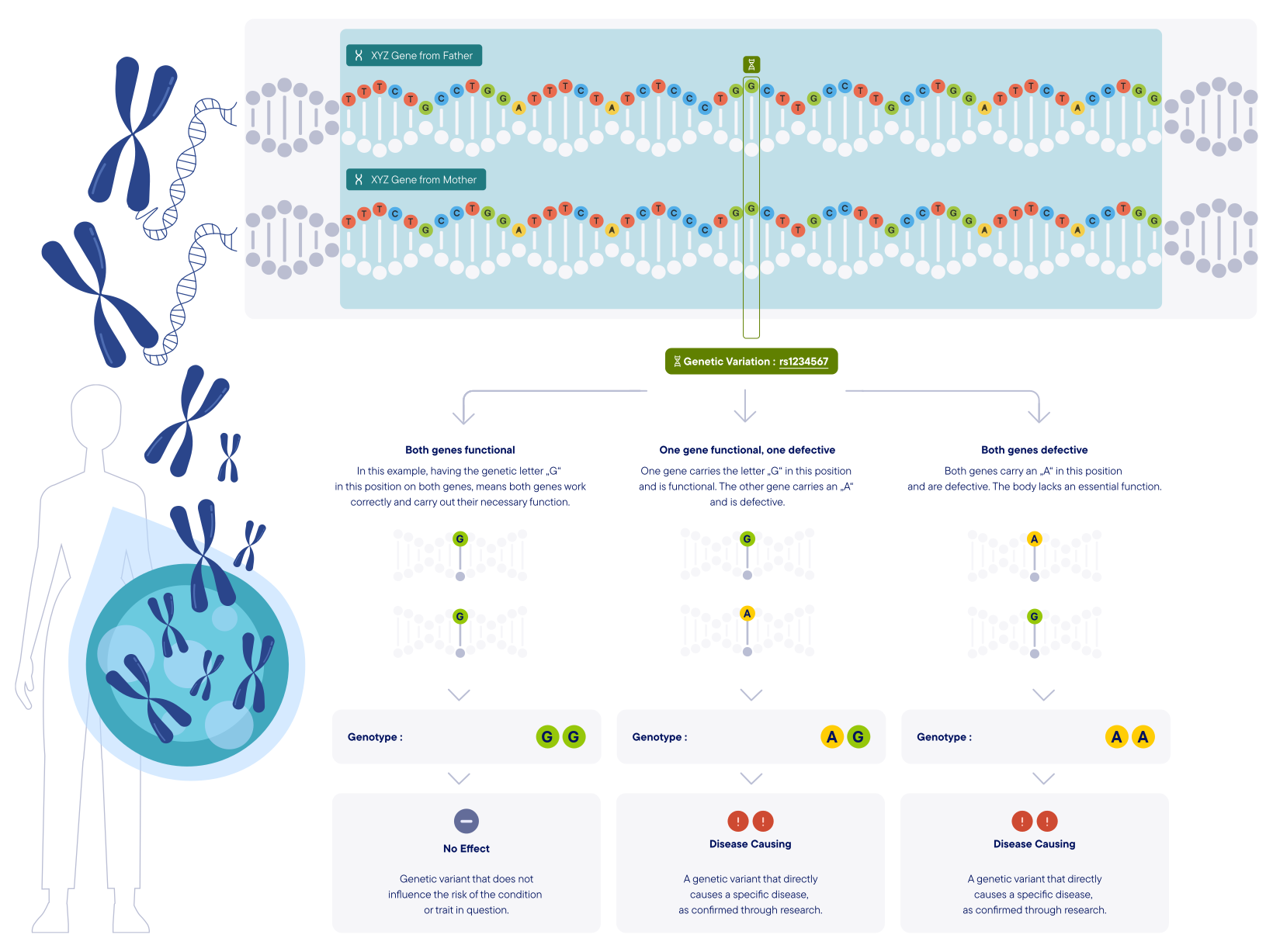
Humans have more than 20,000 genes, each carrying out one or a few specific functions in the body. One gene instructs the body to digest lactose from milk, another tells the body how to build strong bones and another prevents the body's cells from beginning to multiply uncontrollably and developing into cancer. As all of these genes combined are the building instructions for our body, a defect in one of these genes can have severe health consequences.
Through decades of genetic research, we know the genetic code of any healthy/functional human gene. We have also identified that in certain positions on a gene, some individuals may have a different genetic letter from the one you have. We call these hotspots "Genetic Variations" or "Variants" in short. In many cases, studies have been able to show that having the genetic letter "G" in the position makes you healthy, but having the letter "A" in the same position disrupts the gene function and causes a disease. Genopedia allows you to view these variants in genes and summarizes all that we know from scientific research, which genetic letters (Genotype) have good or bad consequences on your health or on your traits.
History
Families and communities once noticed patterns: a hairdresser whose hands grew red and itchy after busy dye days, or a person who developed a stubborn eyelid rash each time they touched a new black leather accessory. Long before patch testing was routine, people linked these flares to dark dyes and colorants, even if the exact culprit was unclear.
Throughout history, people have described rashes from plant dyes, soot, and later coal‑tar derivatives used to deepen color in textiles, leather, and hair. As synthetic dyes spread in the late 19th and early 20th centuries, reports of dye-related skin reactions increased. Early case notes often mentioned swollen eyelids, earlobes, or necks after hair coloring, and cracked fingertips in workers handling dye powders. These patterns laid the groundwork for understanding 1,4‑phenylenediamine allergic contact dermatitis.
First described in the medical literature as reactions to “aniline” or “coal‑tar” dyes, these accounts gradually narrowed toward specific ingredients. With the rise of standardized patch testing in the mid‑1900s, clinicians could pinpoint 1,4‑phenylenediamine (often shortened to PPD) as a common trigger, especially in hair dyes and some textile and leather dyes. From these first observations, it became clear that brief exposures could “sensitize” the immune system, so later contact sparked faster, more intense rashes.
Over time, descriptions became more detailed and practical. Dermatologists noted that people with 1,4‑phenylenediamine allergic contact dermatitis often reacted not only to permanent hair dyes but also to certain temporary “black henna” tattoos that illegally contained high levels of PPD to make the color last. Cross‑reactions with related dye chemicals were also documented, helping explain why some reacted to multiple dark dyes across products.
As medical science evolved, patch test series added PPD as a core allergen, and public health guidance encouraged safer handling, protective gloves for professionals, and careful rinsing and timing for at‑home users. Regulations in the EU and labeling requirements in many countries increased awareness, though availability of products varies by region. These steps did not eliminate reactions, but they helped people living with this allergy identify and avoid triggers more reliably.
In recent decades, knowledge has built on a long tradition of observation. Large patch‑test networks in Europe and North America have tracked trends over time, showing that 1,4‑phenylenediamine remains a frequent cause of allergic contact dermatitis among hairdressers and people who dye their hair. Historical differences highlight why consistent labeling, consumer education, and safer dye formulations matter.
Looking back helps explain why modern advice focuses on patch testing for early symptoms of 1,4‑phenylenediamine allergic contact dermatitis, reading product labels closely, and discussing alternatives with a dermatologist. Today’s approach blends lessons from those early case reports with better testing and practical avoidance strategies, so many can keep symptoms in check while making informed choices.